 Vorschau anzeigen
 Versenden
 Teilen
 Details anzeigen

 Herunterladen
 Ähnliche Objekte
 Röntgenaufnahme
 Diashow
 Stats
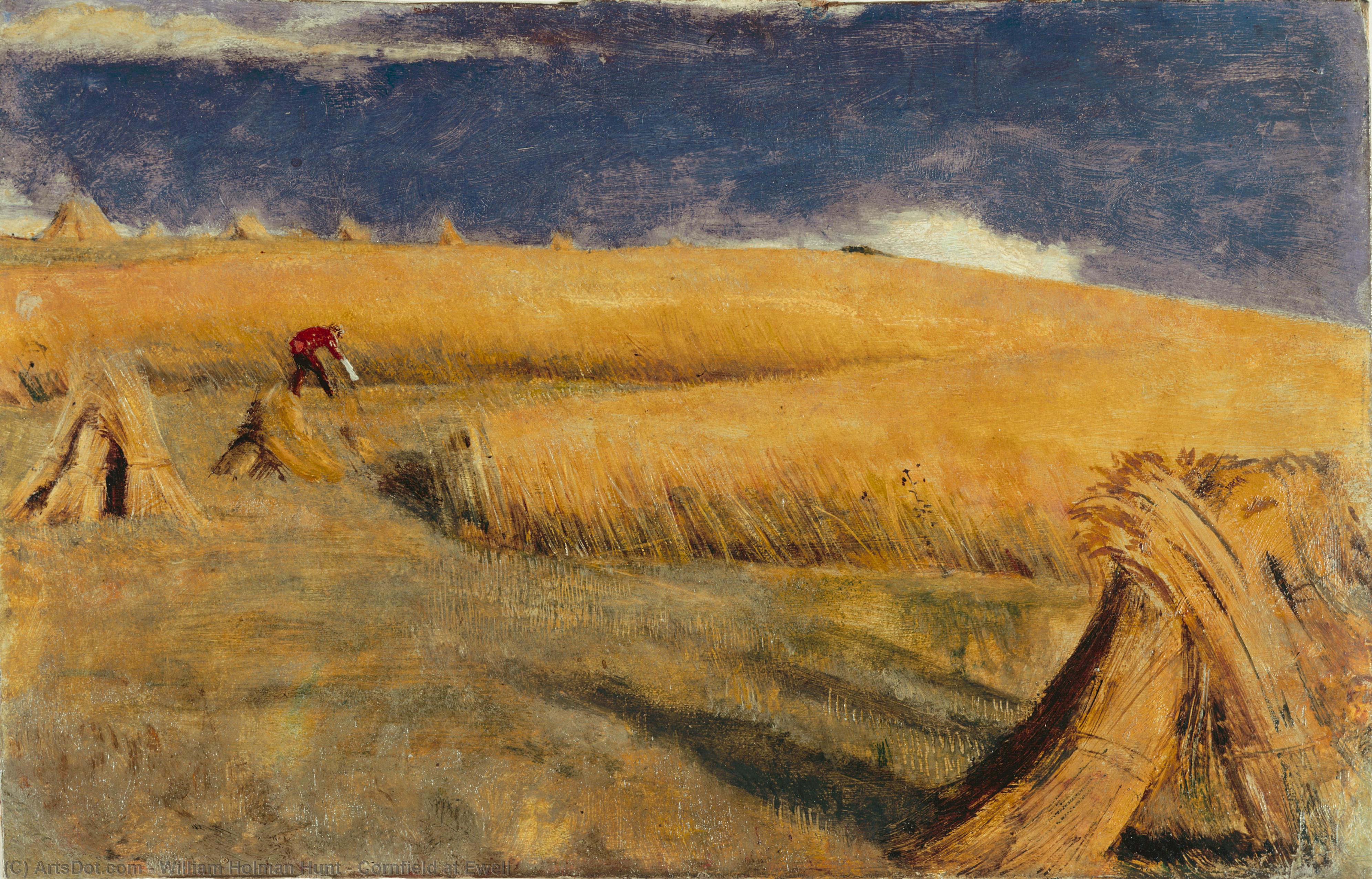
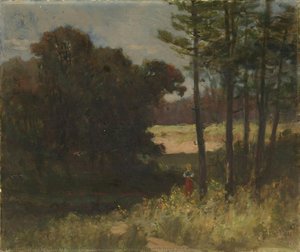
StatsCornfield at Ewell


 Weiterlesen
Handgefertigte Ölreproduktion
Handgemaltes Ölgemälde auf Leinwand in Ihrer Wunschgröße und mit Rahmen, auf Bestellung von unseren Künstlern angefertigt. ( Switch to Print Switch to Digital Image)




P118B $10

P118H $10

P118W $10

P438Z $10

P508JH $12

P508YH $12

P805H $10

P805Z $10

P919BZ $10

P919G $10

P919XJ $10

P959ZH $10

P968JZ $12

W106C $8

W218G $10

W218JH $8

W218Y $10

W307PJ $10

W316G $10

W316PJ $8

W316Y $10

W398PJ $8

W4111J $10

W500HY $15

W500JH $15

W692G $12

W849H $8

W940BG $15

W953PJ $8




Wählen Sie aus unseren vordefinierten Formaten, die den ursprünglichen Proportionen des Kunstwerks entsprechen.

Sie können Ihre eigenen Maße eingeben, um einen bestimmten Rahmen oder Platz auszufüllen. Wenn die gewählte Größe nicht den Proportionen des Originalbildes entspricht, werden wir das Kunstwerk entweder beschneiden oder das Gemälde durch zusätzliche, handgemalte Elemente erweitern. Ein digitales Mockup wird Ihnen zur Genehmigung zugesandt, bevor die Produktion beginnt.
Bitte beachten Sie, dass die Bildschirmvorschau nicht die tatsächliche Beschneidung oder Erweiterung widerspiegelt. Nur das Mockup zeigt die endgültige Komposition exakt an.
Obwohl Sondermaße verfügbar sind, empfehlen wir, eine Größe aus der vordefinierten Liste zu wählen, um die ursprünglichen Proportionen beizubehalten.
Nach der Bestellung wird das ArtsDot.com-Team dem Kunden Anweisungen per E-Mail zusenden und eine Mockup-Vorschau bereitstellen.
Weltweiter Versand () in nur 3 bis 4 Wochen statt der üblichen 5 Wochen. (8 September). Keine Kompromisse bei der Qualität.

Kostenloser weltweiter Expressversand

Hochwertige Leinenleinwand

Umfassender Versicherungsschutz beim Versand

Zollgebühren-Rückerstattungsgarantie

Garantie für exakte Farbtreue

100-Tage-Rückgaberecht (nur bei Mängeln)

100% Geld-zurück-Garantie

Mengenrabatt verfügbar
 Die Glasoption ist nur für Größen unter 110 cm verfügbar.

Cornfield at Ewell
Art der Reproduktion
Format der Reproduktion
-


Gesamtpreis
$ 263
A Symphony of Toil and Terroir
In the quiet, sun-drenched expanse of Cornfield at Ewell, painted in 1849, we are transported to a moment of profound connection between humanity and the earth. This evocative work by William Holman Hunt captures more than just a landscape; it captures the very heartbeat of agricultural life during the mid-19th century. At the center of this pastoral drama, a solitary figure engages in the rhythmic, grueling labor of plowing, guided by the steady strength of two oxen. The scene is alive with movement, as horses graze and figures drift through the tall grass, creating a tapestry of communal effort and individual dedication. For the discerning collector, this piece offers a window into a vanished era, where the boundaries between man, beast, and nature were inextricably linked by the necessity of the harvest.
The composition is a masterclass in capturing the atmosphere of industriousness. Hunt, even in his early years, demonstrated an uncanny ability to render the textures of the natural world—the coarse grain of the soil, the swaying stalks of the cornfield, and the muscular tension of the draft animals. The light plays across the scene with a soft, naturalistic brilliance, illuminating the sweat of labor and the golden hues of the landscape. This meticulous attention to detail serves to ground the viewer in the reality of the scene, making the hard work depicted feel palpable and immediate. It is an invitation to witness the dignity found in the most fundamental of human pursuits.
The Pre-Raphaelite Spirit and Technical Mastery
While William Holman Hunt would later become a foundational figure of the Pre-Raphaelite Brotherhood, known for his intense spiritual symbolism and hyper-realistic detail, Cornfield at Ewell reveals the burgeoning seeds of that revolutionary spirit. Even in this earlier work, one can sense his rejection of the polished, artificial aesthetics of the contemporary academic style. Instead, Hunt leans toward a sincerity of vision, seeking to honor the raw, unadorned truth of his subject matter. His technique involves a careful layering of color and light that breathes life into the figures, ensuring that every horse and every laborer contributes to a cohesive, breathing ecosystem.
For interior designers and art enthusiasts looking to anchor a room with a sense of history and warmth, this painting provides an unparalleled emotional depth. The earthy palette—rich in ochres, deep greens, and warm browns—complements sophisticated, classical interiors while providing a soulful focal point for more modern, minimalist spaces. To possess a reproduction of this work is to bring a piece of the English countryside's enduring legacy into one's home, offering a constant reminder of the beauty found in persistence, tradition, and the timeless cycle of the seasons.
Ähnliche Kunstwerke
Über den Künstler
Frühes Leben und Karriere
William Holman Hunt, ein bedeutender englischer Maler, wurde am 2. April 1827 in Cheapside, London, geboren. Er ist vor allem bekannt als einer der Gründer der Präraffaelitenbewegung, einer Gruppe, die danach strebte, die Kunst zu beleben, indem sie detaillierte Beobachtungen der Naturwelt betonte.Bemerkenswerte Werke und Stil
Holmans Gemälde zeichnen sich durch ihre Detailgenauigkeit, lebendigen Farben und aufwendige Symbolik aus. Zu seinen bemerkenswertesten Werken gehören:- Das Licht der Welt (1851-1853), jetzt in der Kapelle des Keble College, Oxford, England
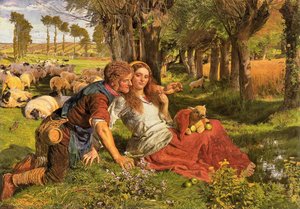
- Der pachtweise Hirte (1851), eine Szene des modernen ländlichen Lebens
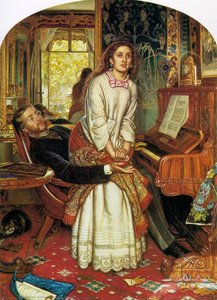
- Das Erwachen des Gewissens, das seine frühe Erfolgs mit intensiv naturalistischen Szenen zeigt
- Der Sündenbock, Die Auffindung des Erlösers im Tempel und Der Schatten des Todes, gemalt während seiner Reisen ins Heilige Land auf der Suche nach genauen topographischen und ethnographischen Materialien
Persönliches Leben und späte Jahre
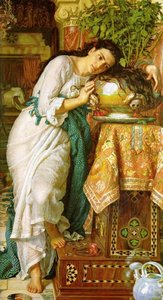
Holman Hunt heiratete zweimal, zuerst Fanny Waugh, die Modell für mehrere seiner Werke war, darunter Isabella und der Basilikumtopf. Nach ihrem Tod schuf er ihr ein Denkmal in Fiesole. Seine zweite Frau war Edith, Fannys Schwester, die er aufgrund britischer Gesetze gegen die Heirat einer verstorbenen Ehefrau's Schwester im Ausland heiratete. Holmans späte Jahre waren von nachlassendem Sehvermögen geprägt, was ihn zwang, das Malen aufzugeben. Er vollendete seine letzten großen Werke mit Hilfe seines Assistenten Edward Robert Hughes. Holman Hunt starb am 7. September 1910 und wurde in der St.-Paulus-Kathedrale, London, begraben.Vermächtnis
Holman Hunt veröffentlichte 1905 eine Autobiografie und wurde im selben Jahr vom König Edward VII. zum Mitglied des Order of Merit ernannt. Sein persönliches Leben wurde später in Diana Holman-hunts Buch Mein Großvater, sein Leben und seine Lieben dokumentiert. Sehen Sie sich Williams Holman Hunts Kunstwerke auf ArtsDot an Wichtige Daten:- 2. April 1827: geboren in Cheapside, London
- 1851-1853: malte Das Licht der Welt
- 7. September 1910: starb und wurde in der St.-Paulus-Kathedrale, London, begraben
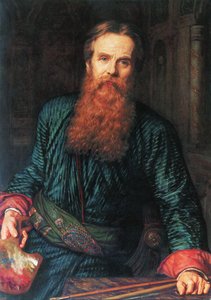
William Holman Hunt
1827 - 1910 , Vereinigtes Königreich
Kurzinfos
- Beeinflusste Künstler: ['Dante Gabriel Rossetti']
- Bemerkenswerte Werke:
- Das Licht der Welt
- Der Schäferling
- Das Erwachen des Gewissens
- Der Sündenbock
- Die Wiederfindung Jesu im Tempel
- Der Schatten des Todes
- Geburtsdatum: 2. April 1827
- Geburtsort: Cheapside, Vereinigtes Königreich
- Künstlerische Bewegung: Präraffaeliten
- Künstlerische Einflüsse:
- John Everett Millais
- John Ruskin
- Nationalität: Britisch
- Todatum: 7. September 1910
- Vollständiger Name: William Holman Hunt
Ähnliche Artikel
Chromatic Atmospheres: Exploring the Subtleties of Color Field Painting's Emotional Resonance
Explore the profound world of Color Field painting with ArtsDot. Discover key artists like Rothko & Newman, its philosophical roots, and lasting impact on modern art. Expert insights for collectors.
Carl Newman: Exploring Abstraction's Spiritual Resonance Through Color Field Painting
Explore the profound spiritual resonance of Color Field Painting with insights into Rothko, Newman & Still. Discover the techniques & legacy of this influential abstract art movement.
Chromatic Atmospheres: Exploring the Philosophical Foundations of Color Field Painting
Explore the philosophical and aesthetic foundations of Color Field painting with ArtsDot. Discover key artists like Rothko & Newman, its spiritual influences, and lasting impact on modern art. Expert insights for collectors.
Chromatic Atmospheres: Exploring the Evolution & Impact of Color Field Painting
Explore the captivating world of Color Field painting! Discover its origins, key artists like Rothko & Newman, philosophical depth, and lasting influence on modern art. Expert insights for collectors.
Anthony Vandyke Copley Fielding: Rediscovering a Master of Romantic Landscape
Discover the captivating landscapes of Anthony Vandyke Copley Fielding, a master of Romantic watercolour painting. Explore his life, technique, and legacy with ArtsDot – your source for museum-quality art reproductions & expert appraisal.