 Vorschau anzeigen
 Versenden
 Teilen
 Details anzeigen

 Herunterladen
 Ähnliche Objekte
 Röntgenaufnahme
 Diashow
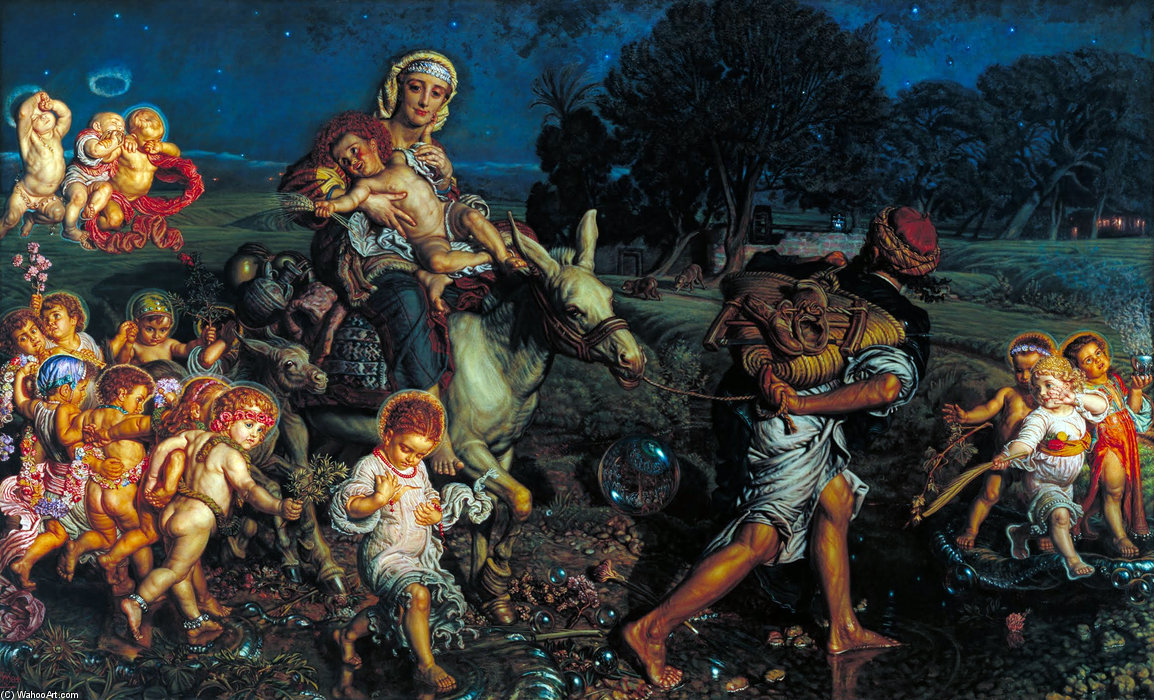
The Triumph of the Innocents
 Pre-Raphaelite Romanticism
 1876
1876 247.0 x 157.0 cm
 Tate Britain
 Weiterlesen
Giclée / Kunstdruck
Giclée- oder Leinwanddruck in Museumsqualität mit schneller Produktion und flexiblen Veredelungsoptionen. ( Handgemalte Reproduktion bestellen Bild kaufen)




P118B $10

P118H $10

P118W $10

P438Z $10

P508JH $12

P508YH $12

P805H $10

P805Z $10

P919BZ $10

P919G $10

P919XJ $10

P959ZH $10

P968JZ $12

W106C $8

W218G $10

W218JH $8

W218Y $10

W307PJ $10

W316G $10

W316PJ $8

W316Y $10

W398PJ $8

W4111J $10

W500HY $15

W500JH $15

W692G $12

W849H $8

W940BG $15

W953PJ $8




Wählen Sie aus unseren vordefinierten Formaten, die den ursprünglichen Proportionen des Kunstwerks entsprechen.

Sie können Ihre eigenen Maße eingeben, um ein bestimmtes Format oder einen speziellen Platz einzupassen. Wenn das von Ihnen gewählte Format nicht den Proportionen des Originalbildes entspricht, werden wir das Kunstwerk entweder beschneiden oder das Bild mit einem gespiegelten oder einfarbigen Rand erweitern. Ein digitaler Entwurf wird Ihnen zur Genehmigung zugesandt, bevor die Produktion beginnt.
Bitte beachten Sie, dass die Vorschau auf dem Bildschirm nicht den tatsächlichen Zuschnitt oder die Erweiterung widerspiegelt. Nur der Entwurf zeigt die endgültige Komposition präzise an.
Obwohl Sondermaße verfügbar sind, empfehlen wir die Auswahl eines Maßes aus der vordefinierten Liste, um die ursprünglichen Proportionen zu bewahren.
Weltweiter Versand () innerhalb von 2 Wochen statt der üblichen 4/5 Wochen. (25 August)

Kostenloser weltweiter Expressversand

Hochwertige Leinenleinwand

Umfassender Versicherungsschutz beim Versand

Zollgebühren-Rückerstattungsgarantie

Garantie für exakte Farbtreue

60 Tage Rückgaberecht (nur bei Mängeln)

100% Geld-zurück-Garantie

Mengenrabatt verfügbar
 Die Glasoption ist nur für Größen unter 110 cm verfügbar.

The Triumph of the Innocents
Giclée / Kunstdruck
Format der Reproduktion
-


Gesamtpreis
$ 62
Sammlerstück-Beschreibung
The Triumph of Innocents: A Pre-Raphaelite Vision of Faith and Loss
William Holman Hunt’s “The Triumph of the Innocents,” completed in 1876, is not merely a depiction of biblical narrative; it's a profound meditation on faith, loss, and the enduring power of innocence. This monumental oil painting, currently residing at the Tate Gallery in London, transcends its subject matter to become a poignant exploration of human vulnerability and divine protection. Measuring an impressive 247 x 157 cm, the canvas immediately commands attention with its rich palette and intricate detail – hallmarks of Hunt’s meticulous Pre-Raphaelite style.
At the heart of the composition lies Mary, serene and composed, cradling the infant Jesus. She is surrounded by a breathtaking array of angelic figures, each rendered with exquisite realism and imbued with an ethereal glow. These aren't the idealized, distant angels of traditional religious art; Hunt’s angels are tangible, almost vulnerable, their faces etched with sorrow and a deep sense of responsibility. The scene unfolds within a vibrant field, dotted with trees that frame the composition and contribute to a feeling of both tranquility and impending doom. Notably, a solitary horse stands in the foreground, its presence adding an element of earthly grounding amidst the celestial drama – perhaps symbolizing the fleeting nature of life or the vulnerability of those under divine protection.
A Symphony of Symbolism
Hunt’s genius lies not just in his technical skill but also in his masterful deployment of symbolism. The painting is layered with references to both the Bible and classical mythology, creating a complex tapestry of meaning. The central figure of Mary embodies purity and maternal love, while the infant Jesus represents hope and redemption. However, beneath this surface of serenity lurks an undercurrent of tragedy – the massacre of the innocents, a brutal reminder of human cruelty and the vulnerability of the innocent. The bubbles floating in the air are particularly significant; they contain miniature scenes depicting key moments from the Old Testament, including Jacob’s dream and the adoration of the lamb, alluding to themes of prophecy and divine guidance.
Furthermore, Hunt deliberately incorporates elements of Shakespearean drama into his composition. The presence of a man walking towards the viewer, reminiscent of Claudio from Hamlet, suggests a moral dilemma – can virtue truly triumph over adversity? The broken loom and scattered yarn symbolize the disruption of innocence and the consequences of transgression. Even the light itself plays a crucial role, bathing the scene in a soft, diffused glow that evokes both beauty and melancholy.
Pre-Raphaelite Technique and Artistic Influences
“The Triumph of the Innocents” is a quintessential example of Pre-Raphaelitism, a movement characterized by its commitment to realism, detailed observation, and a rejection of academic conventions. Hunt’s meticulous brushwork, vibrant colors, and painstaking attention to detail are immediately apparent. He employed techniques such as *sfumato* – softening outlines and creating hazy effects – to achieve an atmospheric depth and emotional resonance. The painting's rich textures and luminous quality were achieved through careful layering of oil paints, a hallmark of the Pre-Raphaelite approach.
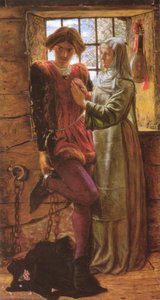
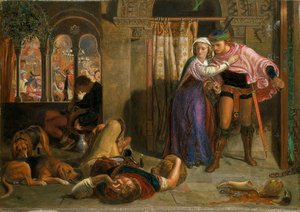
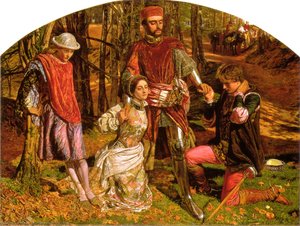
Hunt’s artistic journey was deeply influenced by his earlier work, particularly “Claudio and Isabella,” which explored themes of morality and sacrifice. He also drew inspiration from Jan van Eyck's "Arnolfini Portrait," evident in the careful rendering of fabrics and the use of symbolism. The painting reflects Hunt’s own spiritual convictions, rooted in a deep sense of faith and a desire to communicate profound truths through art.
A Timeless Masterpiece
“The Triumph of the Innocents” remains a powerfully moving work of art, captivating viewers with its beauty, complexity, and emotional depth. It’s more than just a religious painting; it's a meditation on human nature, faith, and the enduring struggle between innocence and evil. Its evocative imagery and profound symbolism continue to resonate with audiences today, solidifying Hunt’s place as one of the most important artists of the Victorian era. Reproductions of this masterpiece offer a chance to bring its serene beauty into any space, serving as a constant reminder of the importance of compassion, hope, and the preservation of innocence.
Ähnliche Kunstwerke
Über den Künstler
Frühes Leben und Karriere
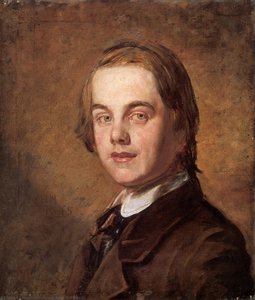
William Holman Hunt, ein bedeutender englischer Maler, wurde am 2. April 1827 in Cheapside, London, geboren. Er ist vor allem bekannt als einer der Gründer der Präraffaelitenbewegung, einer Gruppe, die danach strebte, die Kunst zu beleben, indem sie detaillierte Beobachtungen der Naturwelt betonte.Bemerkenswerte Werke und Stil
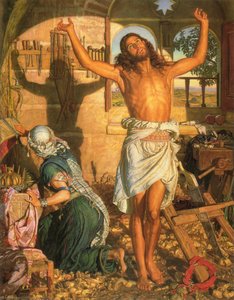
Holmans Gemälde zeichnen sich durch ihre Detailgenauigkeit, lebendigen Farben und aufwendige Symbolik aus. Zu seinen bemerkenswertesten Werken gehören:- Das Licht der Welt (1851-1853), jetzt in der Kapelle des Keble College, Oxford, England
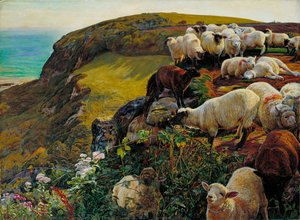
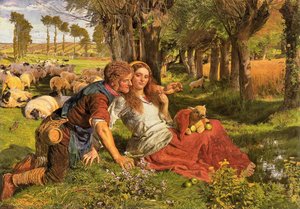
- Der pachtweise Hirte (1851), eine Szene des modernen ländlichen Lebens
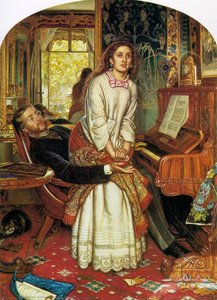
- Das Erwachen des Gewissens, das seine frühe Erfolgs mit intensiv naturalistischen Szenen zeigt
- Der Sündenbock, Die Auffindung des Erlösers im Tempel und Der Schatten des Todes, gemalt während seiner Reisen ins Heilige Land auf der Suche nach genauen topographischen und ethnographischen Materialien
Persönliches Leben und späte Jahre
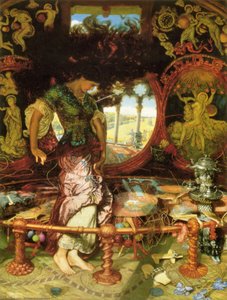
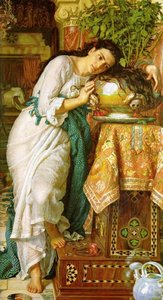
Holman Hunt heiratete zweimal, zuerst Fanny Waugh, die Modell für mehrere seiner Werke war, darunter Isabella und der Basilikumtopf. Nach ihrem Tod schuf er ihr ein Denkmal in Fiesole. Seine zweite Frau war Edith, Fannys Schwester, die er aufgrund britischer Gesetze gegen die Heirat einer verstorbenen Ehefrau's Schwester im Ausland heiratete. Holmans späte Jahre waren von nachlassendem Sehvermögen geprägt, was ihn zwang, das Malen aufzugeben. Er vollendete seine letzten großen Werke mit Hilfe seines Assistenten Edward Robert Hughes. Holman Hunt starb am 7. September 1910 und wurde in der St.-Paulus-Kathedrale, London, begraben.Vermächtnis
Holman Hunt veröffentlichte 1905 eine Autobiografie und wurde im selben Jahr vom König Edward VII. zum Mitglied des Order of Merit ernannt. Sein persönliches Leben wurde später in Diana Holman-hunts Buch Mein Großvater, sein Leben und seine Lieben dokumentiert. Sehen Sie sich Williams Holman Hunts Kunstwerke auf ArtsDot an Wichtige Daten:- 2. April 1827: geboren in Cheapside, London
- 1851-1853: malte Das Licht der Welt
- 7. September 1910: starb und wurde in der St.-Paulus-Kathedrale, London, begraben
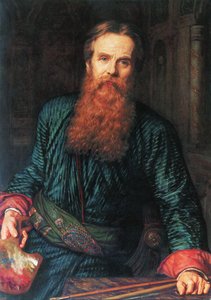
William Holman Hunt
1827 - 1910 , Vereinigtes Königreich
Kurzinfos
- Beeinflusste Künstler: ['Dante Gabriel Rossetti']
- Bemerkenswerte Werke:
- Das Licht der Welt
- Der Schäferling
- Das Erwachen des Gewissens
- Der Sündenbock
- Die Wiederfindung Jesu im Tempel
- Der Schatten des Todes
- Geburtsdatum: 2. April 1827
- Geburtsort: Cheapside, Vereinigtes Königreich
- Künstlerische Bewegung: Präraffaeliten
- Künstlerische Einflüsse:
- John Everett Millais
- John Ruskin
- Nationalität: Britisch
- Todatum: 7. September 1910
- Vollständiger Name: William Holman Hunt
Ähnliche Artikel
Dante Gabriel Rossetti: Die 25 Meisterwerke des Präraffelitismus | ArtsDot
Entdecken Sie die 25 schönsten Gemälde von Dante Gabriel Rossetti! Tauchen Sie ein in die Welt der Präraffeliten, symbolistischer Kunst & viktorianischer Romantik. Hochwertige Reproduktionen für Ihr Zuhause – jetzt bei ArtsDot.com!
Sir John Everett Millais: Präraffaelitische Revolution und viktorianische Erzählkunst
Entdecken Sie das Leben und Werk von Sir John Everett Millais, einem Pionier der Präraffaeliten! Detaillierte Analysen seiner Gemälde, Einblicke in die viktorianische Kunstszene und seine bleibende Bedeutung. Jetzt lesen!
The Pre-Raphaelite Brotherhood: Rebellion, Romance & Medieval Revival
Explore the captivating world of the Pre-Raphaelite Brotherhood! Discover their rebellious spirit, iconic masterpieces & lasting influence on art history. Learn about Rossetti, Millais & more.
Arthur Hughes: Pre-Raphaelite Visions of Beauty & Melancholy
Explore the captivating world of Arthur Hughes (1832-1915), a leading Pre-Raphaelite painter. Discover his dreamy landscapes, poetic narratives & iconic Victorian artworks. Learn about his life, style & collecting today.
Ford Madox Brown: Pre-Raphaelite Visionary & Victorian Social Commentary
Explore the life & art of Ford Madox Brown, a pivotal Pre-Raphaelite painter renowned for his powerful social commentary and masterpiece 'Work'. Discover his lasting influence on British art history.