 Vorschau anzeigen
 Versenden
 Teilen
 Details anzeigen

 Herunterladen
 Ähnliche Objekte
 Röntgenaufnahme
 Diashow
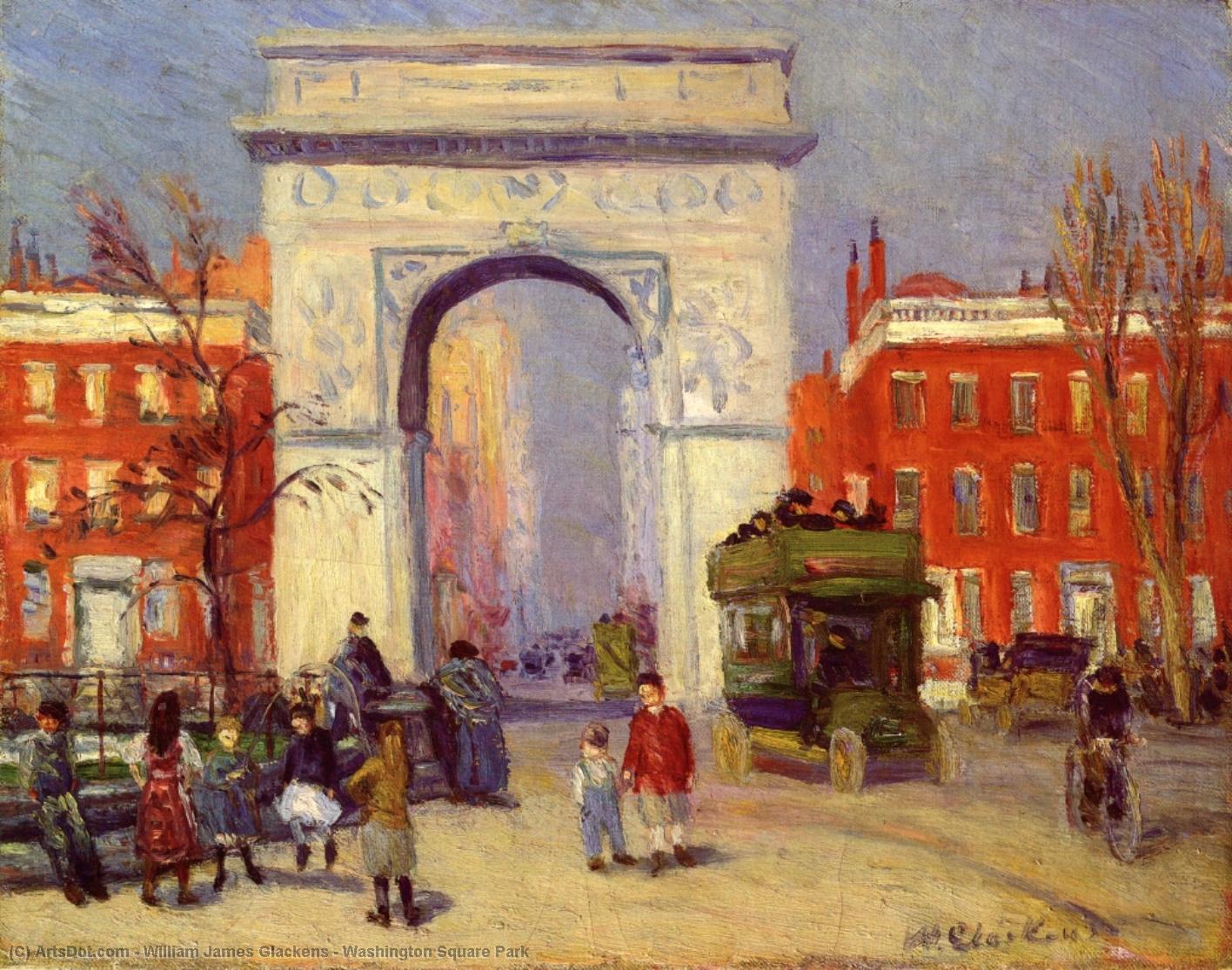
Washington Square Park
 Oil On Canvas
- WallArt
- Ashcan School
 1908
1908- Modern
 35.0 x 46.0 cm
 Weiterlesen
Giclée / Kunstdruck
Giclée- oder Leinwanddruck in Museumsqualität mit schneller Produktion und flexiblen Veredelungsoptionen. ( Handgemalte Reproduktion bestellen Bild kaufen)




P118B $10

P118H $10

P118W $10

P438Z $10

P508JH $12

P508YH $12

P805H $10

P805Z $10

P919BZ $10

P919G $10

P919XJ $10

P959ZH $10

P968JZ $12

W106C $8

W218G $10

W218JH $8

W218Y $10

W307PJ $10

W316G $10

W316PJ $8

W316Y $10

W398PJ $8

W4111J $10

W500HY $15

W500JH $15

W692G $12

W849H $8

W940BG $15

W953PJ $8




Wählen Sie aus unseren vordefinierten Formaten, die den ursprünglichen Proportionen des Kunstwerks entsprechen.

Sie können Ihre eigenen Maße eingeben, um ein bestimmtes Format oder einen speziellen Platz einzupassen. Wenn das von Ihnen gewählte Format nicht den Proportionen des Originalbildes entspricht, werden wir das Kunstwerk entweder beschneiden oder das Bild mit einem gespiegelten oder einfarbigen Rand erweitern. Ein digitaler Entwurf wird Ihnen zur Genehmigung zugesandt, bevor die Produktion beginnt.
Bitte beachten Sie, dass die Vorschau auf dem Bildschirm nicht den tatsächlichen Zuschnitt oder die Erweiterung widerspiegelt. Nur der Entwurf zeigt die endgültige Komposition präzise an.
Obwohl Sondermaße verfügbar sind, empfehlen wir die Auswahl eines Maßes aus der vordefinierten Liste, um die ursprünglichen Proportionen zu bewahren.
Weltweiter Versand () innerhalb von 2 Wochen statt der üblichen 4/5 Wochen. (26 August)

Kostenloser weltweiter Expressversand

Hochwertige Leinenleinwand

Umfassender Versicherungsschutz beim Versand

Zollgebühren-Rückerstattungsgarantie

Garantie für exakte Farbtreue

60 Tage Rückgaberecht (nur bei Mängeln)

100% Geld-zurück-Garantie

Mengenrabatt verfügbar
 Die Glasoption ist nur für Größen unter 110 cm verfügbar.

Washington Square Park
Giclée / Kunstdruck
Format der Reproduktion
-


Gesamtpreis
$ 62
Sammlerstück-Beschreibung
A Symphony of Urban Motion
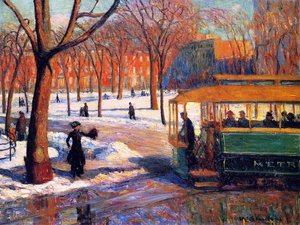
In the heart of early twentieth-century New York, amidst the burgeoning energy of a metropolis finding its stride, William James Glackens captured a moment of profound vitality in his 1908 masterpiece, Washington Square Park. This oil on canvas is far more than a mere depiction of a city street; it is a rhythmic, breathing chronicle of urban evolution. As a foundational figure of the Ashcan School, Glackens turned his gaze away from the polished, idealized landscapes of the academy and toward the gritty, magnificent pulse of the streets. In this work, the viewer is transported to an era where the clatter of horse-drawn carriages began to mingle with the emerging roar of early automobiles, creating a sensory tapestry of progress and daily ritual.
The composition is anchored by the imposing presence of a large stone archway, a structural sentinel that spans the width of the scene and provides a sense of architectural permanence against the fleeting movement below. Beneath this monumental feature, the canvas teems with life. Pedestrians drift through the frame like notes in a musical score—some pausing near the roadside, others caught in mid-stride, perhaps waiting for a bus or navigating the bustling intersection. A solitary bicycle leans against the periphery, a quiet symbol of individual transit amidst the larger mechanical surge of trucks and cars. This careful arrangement of figures creates a deep sense of spatial immersion, inviting the collector to step directly into the lively atmosphere of a New York afternoon.
Technique and the Impressionist Influence
Glackens’ technical prowess is on full display through his use of bold, expressive brushstrokes that imbue the scene with an unmistakable kinetic energy. While his roots lie in the realism of the Ashcan movement, there is a palpable, luminous influence from the French Impressionists, particularly Renoir, visible in his treatment of light and color. Rather than relying on static outlines, Glackens uses patches of vibrant, dark-hued pigments to suggest the interplay of shadow and sunlight hitting the pavement and stone. This technique does not merely describe the scene; it simulates the experience of sight itself—the way the eye struggles and succeeds to capture movement in a crowded environment.
For the discerning interior designer or art enthusiast, this painting offers a sophisticated balance of tonal depth and chromatic brilliance. The darker, earthy tones characteristic of Glackens' early period provide a grounding weight that makes the brighter highlights of the street life pop with unexpected intensity. This duality makes Washington Square Park an exceptional choice for curated spaces, where it can serve as a focal point of historical narrative and textural richness. It is a piece that demands attention not through loud colors alone, but through the masterful way it captures the fleeting, ephemeral essence of a world in transition.
An Enduring Legacy for the Modern Collector
To possess a reproduction of this caliber is to hold a fragment of American art history. Glackens’ ability to find beauty in the mundane—the "everydayness" of a street corner or a crowded sidewalk—remains as relevant today as it was in 1908. His work resonates with a timeless emotional truth: the shared human experience of navigating the complexities of our environments. For those seeking to infuse their homes or galleries with a sense of movement, history, and urban sophistication, this painting serves as an evocative window into a bygone era of American optimism and industrial awakening.
Ähnliche Kunstwerke

Über den Künstler
Ein Pionier der Ashcan School
William James Glackens, eine bedeutende Figur in der amerikanischen Kunst, hinterließ mit seinen fesselnden realistischen Gemälden einen bleibenden Eindruck auf die Leinwand der Geschichte. Geboren 1870 in Philadelphia, Pennsylvania, war Williams künstlerische Reise ein Beweis für seine unerschütterliche Leidenschaft, das Wesen des täglichen Lebens einzufangen.Frühes Leben und Einflüsse
Glackens' frühe Jahre waren von einer angeborenen Neigung zur Kunst geprägt, was ihn dazu veranlasste, sich an der Pennsylvania Academy of the Fine Arts einzuschreiben. Unter der Anleitung von Thomas Anshutz, einem renommierten Realisten, verfeinerte Glackens seine Fähigkeiten und wurde schließlich einer der Gründer der Ashcan School. Diese Bewegung lehnte die konventionellen Grenzen künstlerischer Schönheit ab und konzentrierte sich stattdessen auf die rauen Realitäten des städtischen Lebens.Künstlerische Laufbahn
Glackens' Werk zeichnet sich durch seine dunkel getönten, lebhaft gemalten Straßenszenen und Darstellungen des täglichen Lebens im vorwendezeitlichen New York und Paris aus. Seine späteren Werke, die von Renoir beeinflusst waren, zeigten einen helleren Ton, der sein Wachstum als Künstler widerspiegelte. Bemerkenswert ist, dass Glackens auch als Illustrator für Zeitungen und Zeitschriften in Philadelphia und New York City arbeitete.- View of Haarlem with Bleaching Grounds, ein Gemälde von Jacob Isaakszoon van Ruisdael (Ruisdael), veranschaulicht das Maß an Detailgenauigkeit und Handwerkskunst, das Glackens' Werk definiert. Dieses Stück befindet sich jetzt in der Sammlung des Chrysler Museum of Art.
- Glackens' eigenes Meisterwerk, The Shoppers, ist ein Beweis für seine Fähigkeit, das Wesen des Stadtlebens einzufangen. Dieses Gemälde befindet sich in der New Realism-Kollektion auf ArtsDot.com.
Vermächtnis und Bedeutung
Glackens' Beiträge zur amerikanischen Kunst sind vielschichtig und gehen über seine eigenen Werke hinaus. Er spielte eine entscheidende Rolle bei der Unterstützung von Albert C. Barnes beim Ankauf europäischer Gemälde für die Barnes Foundation in Philadelphia. Diese Sammlung ist zu einem Eckpfeiler der amerikanischen Kunstgeschichte geworden. Wichtige Werke und Sammlungen: * The Shoppers (New Realism, Öl auf Leinwand, Chrysler Museum of Art) * View of Haarlem with Bleaching Grounds (Ruisdael, Sforza Castle, Mailand, Italien) Empfohlene Lektüre: * [https://ArtsDot.com/@/william-james-glackens](https://ArtsDot.com/@/william-james-glackens) - Entdecken Sie die umfangreiche Sammlung von Glackens' Werken auf ArtsDot.com. * [https://en.wikipedia.org/wiki/william_glackens](https://en.wikipedia.org/wiki/william_glackens) - Tauchen Sie ein in die detaillierte Biografie von William James Glackens auf Wikipedia.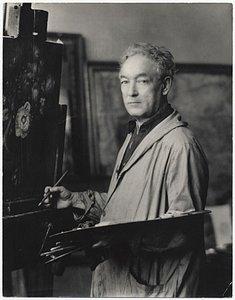
William James Glackens
1870 - 1938 , Vereinigte Staaten von Amerika
Kurzinfos
- Bemerkenswerte Kunstwerke:
- The Shoppers
- View of Haarlem with Bleaching Grounds
- Geburtsdatum: 1870
- Geburtsort (Stadt Und Land): Philadelphia, USA
- Künstler Oder Bewegungen, Von Denen Dieser Künstler Beeinflusst Wurde: ['Ashcan School']
- Künstler, Die Diesen Künstler Beeinflussten:
- Thomas Anshutz
- Renoir
- Künstlerische Bewegung Oder Stil: Ashcan School, Realismus
- Nationalität: Amerikanisch
- Sterbedatum: 1938
- Vollständiger Name: William James Glackens
Ähnliche Artikel
The Ashcan School: Realism, Urban Life & the Democratization of American Art
Explore the revolutionary Ashcan School! Discover how artists like Henri & Sloan challenged tradition with gritty realism, capturing urban life in early 20th-century America. Learn about their impact on American art history.
John Sloan: Der Chronist des amerikanischen Stadtlebens – Ein Meister des Realismus
Entdecken Sie John Sloan, den Meister des amerikanischen Realismus! Erfahren Sie mehr über die Ashcan School, seine ikonischen New Yorker Stadtansichten und sein Vermächtnis in der Kunstgeschichte. Jetzt lesen!
Concrete Narratives: Exploring Urban Life in Modern & Contemporary Art
Explore the evolution of cityscape painting with ArtsDot. Discover key artists from Realism to contemporary movements & invest in timeless urban visions. Expert guidance, museum-quality reproductions.
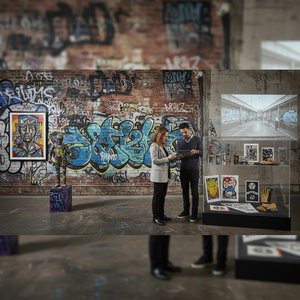
Beyond Graffiti: Exploring the Evolution & Cultural Impact of Street Art for Collectors
Explore the evolution of street art from rebellious origins to a respected fine art form. Discover key artists like Banksy & learn how to collect urban art with confidence. Expert insights for discerning investors.
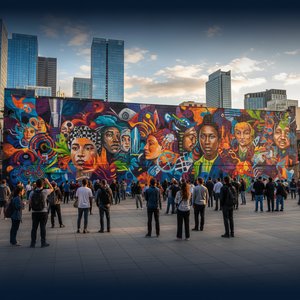
Jenseits der Galeriewände: Der Aufstieg der zeitgenössischen Straßenkunst
Entdecken Sie die faszinierende Welt der zeitgenössischen Straßenkunst! Von den Anfängen bis zu aktuellen Trends – wir bieten Expertise, hochwertige Reproduktionen & Kunstberatung von .