

 Vorschau anzeigen
 Versenden
 Teilen
 Details anzeigen

 Herunterladen
 Ähnliche Objekte
 Röntgenaufnahme
 Diashow
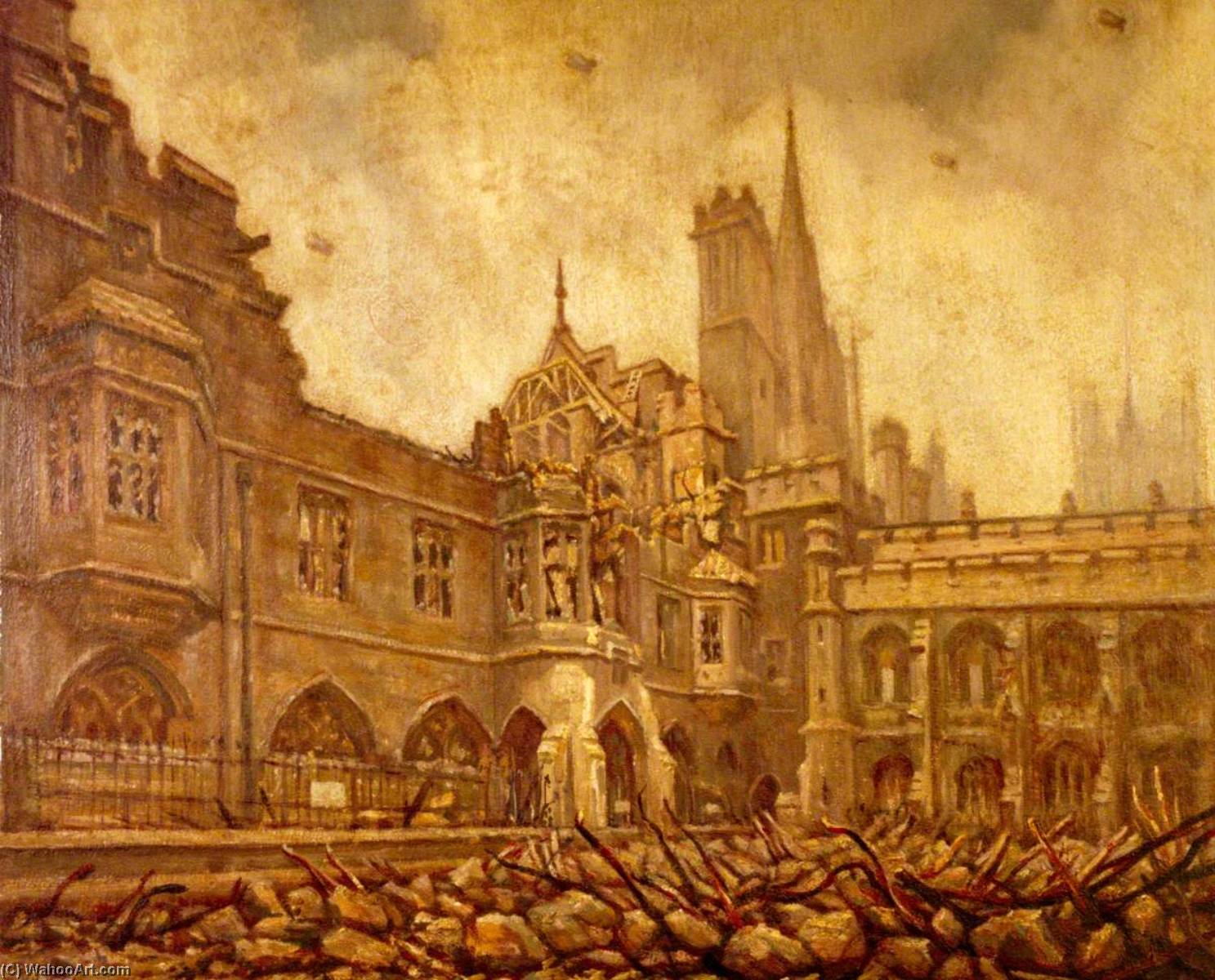
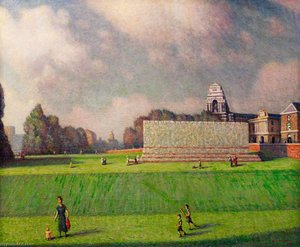
Houses of Parliament, The Debating Chamber from Star Chamber Court
 1941
1941 58.0 x 72.0 cm
 Weiterlesen
Giclée / Kunstdruck
Giclée- oder Leinwanddruck in Museumsqualität mit schneller Produktion und flexiblen Veredelungsoptionen. ( Handgemalte Reproduktion bestellen Bild kaufen)




































Wählen Sie aus unseren vordefinierten Formaten, die den ursprünglichen Proportionen des Kunstwerks entsprechen.

Sie können Ihre eigenen Maße eingeben, um ein bestimmtes Format oder einen speziellen Platz einzupassen. Wenn das von Ihnen gewählte Format nicht den Proportionen des Originalbildes entspricht, werden wir das Kunstwerk entweder beschneiden oder das Bild mit einem gespiegelten oder einfarbigen Rand erweitern. Ein digitaler Entwurf wird Ihnen zur Genehmigung zugesandt, bevor die Produktion beginnt.
Bitte beachten Sie, dass die Vorschau auf dem Bildschirm nicht den tatsächlichen Zuschnitt oder die Erweiterung widerspiegelt. Nur der Entwurf zeigt die endgültige Komposition präzise an.
Obwohl Sondermaße verfügbar sind, empfehlen wir die Auswahl eines Maßes aus der vordefinierten Liste, um die ursprünglichen Proportionen zu bewahren.
Weltweiter Versand () innerhalb von 2 Wochen statt der üblichen 4/5 Wochen. (25 August)

Kostenloser weltweiter Expressversand

Hochwertige Leinenleinwand

Umfassender Versicherungsschutz beim Versand

Zollgebühren-Rückerstattungsgarantie

Garantie für exakte Farbtreue

60 Tage Rückgaberecht (nur bei Mängeln)

100% Geld-zurück-Garantie

Mengenrabatt verfügbar
 Die Glasoption ist nur für Größen unter 110 cm verfügbar.

Houses of Parliament, The Debating Chamber from Star Chamber Court
Giclée / Kunstdruck
Format der Reproduktion
-


Gesamtpreis
$ 62
Ähnliche Kunstwerke

Über den Künstler
William John Macleod: A Life Bridging Art, Journalism, and the Soul of Australia
Born in Kirkcaldy, Fife, in 1891, William John Macleod’s life was a remarkable tapestry woven from diverse threads – a career as an artist, a pivotal role in shaping Australian journalism, and a deep engagement with the spiritual currents of his time. His story isn't one easily confined to a single category; he was, fundamentally, a polymath, a man who moved seamlessly between the tangible world of paint and canvas and the intangible realms of ideas and emotion. Macleod’s journey began not in the quiet solitude of an artist’s studio but within the bustling commercial landscape of his father's tobacco business, a stark contrast to the artistic pursuits that would ultimately define him.
Early hardship shaped his formative years. The sudden death of his father at a young age plunged his family into financial difficulty, forcing his mother to relocate to Sydney and seek remarriage. This experience instilled in Macleod a resilience and pragmatism that would later inform his approach to both art and journalism. He began his artistic education as an assistant to a professional photographer, a crucial apprenticeship that provided him with invaluable technical skills and an understanding of composition and visual storytelling. Simultaneously, he enrolled at the Sydney School of Arts, laying the foundation for his burgeoning talent.
Macleod’s early work demonstrated a keen eye for detail and a fascination with urban landscapes – particularly those imbued with a sense of history and atmosphere. His paintings of buildings, streets, and people captured not just their physical appearance but also the spirit of the places they inhabited. This interest in documenting the everyday world would later translate into his journalistic endeavors. However, it was his involvement with The Bulletin magazine that truly cemented his place in Australian cultural history. Initially contributing drawings to the publication’s first edition in 1880, Macleod quickly became a regular contributor, showcasing his versatility and wit. His illustrations were renowned for their sharp observations of Australian society and their often satirical commentary on its foibles.
The partnership with Samuel Begg proved pivotal. Together, they acquired a third share in The Bulletin, a bold move that ultimately led to Macleod’s departure from the magazine after two years. This experience highlighted his business acumen and demonstrated his ability to navigate the complexities of publishing. Following this period, he embarked on a prolific career as an illustrator for publications such as The Sydney Mail, The Illustrated Sydney News, and The Town and Country Journal, establishing himself as one of Australia’s most sought-after artists. His work during this time included numerous portraits, capturing the likenesses of prominent figures in Australian society – politicians, businessmen, and cultural luminaries.
Beyond his artistic and journalistic pursuits, Macleod possessed a deep spiritual curiosity. He became an integral part of The Bulletin’s editorial staff, contributing significantly to its intellectual and social commentary. His involvement extended beyond mere illustration; he actively participated in shaping the magazine's content and direction. This engagement with contemporary ideas led him to explore esoteric philosophies and mystical traditions, influencing his artistic style and thematic concerns. Notably, Macleod’s work during this period reflects a growing interest in symbolism and allegory, evident in paintings such as “Houses of Parliament,” where he masterfully captures the grandeur of the building while simultaneously hinting at deeper meanings.
The Pictorial Atlas of Australasia: A Monumental Undertaking
Perhaps Macleod’s most significant artistic achievement was his work on the Pictorial Atlas of Australasia, a vast and ambitious project that spanned several years. Commissioned by J.F. Archibald, the atlas required hundreds of illustrations depicting the diverse landscapes, people, and cultures of Australia and New Zealand. This undertaking demanded not only technical skill but also an extensive knowledge of geography, history, and anthropology. Macleod’s contributions to the atlas were particularly notable for their accuracy, detail, and artistic merit. He produced a remarkable series of portraits, capturing the essence of Australian identity through his skillful rendering of faces and expressions.
The scale of this project demanded a significant shift in Macleod's professional life. In 1926, Archibald, recognizing Macleod’s business acumen and editorial skills, invited him to join the staff of The Bulletin as business manager. This marked a turning point in Macleod’s career, providing him with greater creative control and financial stability. He remained with the magazine until his retirement in 1970, overseeing its operations and contributing to its continued success.
A Dual Life: Art and Pseudonymity
Interestingly, Macleod led a double life as a writer under the pseudonym Fiona Macleod. This carefully constructed persona allowed him to explore themes of spirituality and mysticism that he might have hesitated to address publicly under his own name. As Fiona Macleod, he penned poetry and short stories imbued with Celtic mythology and esoteric symbolism. The creation of this distinct literary voice provided a creative outlet for his intellectual and spiritual interests, offering a fascinating glimpse into the complexities of his artistic personality.
The relationship between William John Macleod and Fiona Macleod remains a subject of scholarly debate. While the precise nature of their connection is still debated, it’s clear that Macleod drew inspiration from Fiona Macleod's work, and vice versa. This dual identity highlights his willingness to embrace multiple creative expressions and explore different facets of his artistic vision.
Legacy and Influence
William John Macleod died in 1970, leaving behind a rich legacy as an artist, journalist, and cultural commentator. His paintings continue to be admired for their technical skill, evocative atmosphere, and insightful portrayal of Australian life. His work on the Pictorial Atlas of Australasia remains a significant contribution to Australian art history, while his contributions to The Bulletin cemented his place as a key figure in shaping Australian journalism and cultural discourse. Macleod’s influence extends beyond his individual achievements; he helped to establish a vibrant artistic community in Sydney and contributed significantly to the development of Australian identity.
His work, particularly “Houses of Parliament,” is now held in various collections, offering a tangible connection to this remarkable man and his enduring contribution to Australian culture. Macleod’s life serves as a testament to the power of artistic exploration, intellectual curiosity, and the ability to seamlessly blend diverse passions into a singular, compelling narrative.
william john macleod
1891 - 1970
Kurzinfos
- Artistic Movement Or Style: Impressionism, Illustration
- Artists Or Movements Influenced By This Artist:
- The Bulletin
- Celtic Revival
- Artists Who Influenced This Artist:
- Samuel Begg
- James Anderson
- Date Of Birth: 1891
- Date Of Death: 1970
- Full Name: William John Macleod
- Nationality: Australian/British
- Notable Artworks:
- Houses of Parliament
- London Wall & St Giles
- Place Of Birth: Kirkcaldy, Fife, UK

