 Vorschau anzeigen
 Versenden
 Teilen
 Details anzeigen

 Herunterladen
 Ähnliche Objekte
 Röntgenaufnahme
 Diashow
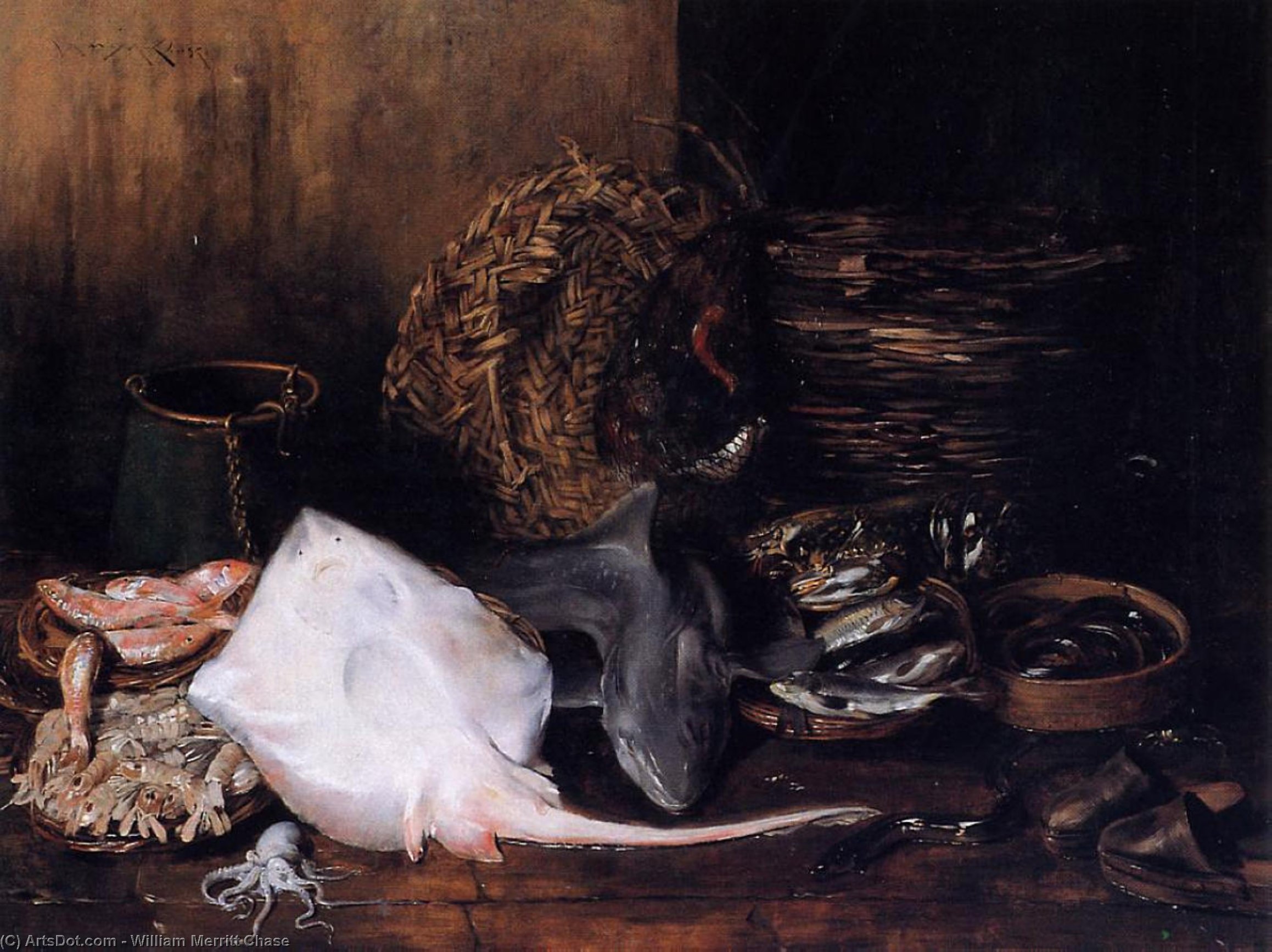
A Fishmarket in Venice (also known as Venetian Fish Market: the Yield of the Waters)


 Weiterlesen
Giclée / Kunstdruck
Giclée- oder Leinwanddruck in Museumsqualität mit schneller Produktion und flexiblen Veredelungsoptionen. ( Handgemalte Reproduktion bestellen Bild kaufen)




P118B $10

P118H $10

P118W $10

P438Z $10

P508JH $12

P508YH $12

P805H $10

P805Z $10

P919BZ $10

P919G $10

P919XJ $10

P959ZH $10

P968JZ $12

W106C $8

W218G $10

W218JH $8

W218Y $10

W307PJ $10

W316G $10

W316PJ $8

W316Y $10

W398PJ $8

W4111J $10

W500HY $15

W500JH $15

W692G $12

W849H $8

W940BG $15

W953PJ $8




Wählen Sie aus unseren vordefinierten Formaten, die den ursprünglichen Proportionen des Kunstwerks entsprechen.

Sie können Ihre eigenen Maße eingeben, um ein bestimmtes Format oder einen speziellen Platz einzupassen. Wenn das von Ihnen gewählte Format nicht den Proportionen des Originalbildes entspricht, werden wir das Kunstwerk entweder beschneiden oder das Bild mit einem gespiegelten oder einfarbigen Rand erweitern. Ein digitaler Entwurf wird Ihnen zur Genehmigung zugesandt, bevor die Produktion beginnt.
Bitte beachten Sie, dass die Vorschau auf dem Bildschirm nicht den tatsächlichen Zuschnitt oder die Erweiterung widerspiegelt. Nur der Entwurf zeigt die endgültige Komposition präzise an.
Obwohl Sondermaße verfügbar sind, empfehlen wir die Auswahl eines Maßes aus der vordefinierten Liste, um die ursprünglichen Proportionen zu bewahren.
Weltweiter Versand () innerhalb von 2 Wochen statt der üblichen 4/5 Wochen. (29 August)

Kostenloser weltweiter Expressversand

Hochwertige Leinenleinwand

Umfassender Versicherungsschutz beim Versand

Zollgebühren-Rückerstattungsgarantie

Garantie für exakte Farbtreue

60 Tage Rückgaberecht (nur bei Mängeln)

100% Geld-zurück-Garantie

Mengenrabatt verfügbar
 Die Glasoption ist nur für Größen unter 110 cm verfügbar.

A Fishmarket in Venice (also known as Venetian Fish Market: the Yield of the Waters)
Giclée / Kunstdruck
Format der Reproduktion
-


Gesamtpreis
$ 62
A Glimpse of Venetian Life: William Merritt Chase’s “A Fishmarket in Venice”
William Merritt Chase's "A Fishmarket in Venice," painted in 1878, isn’t merely a depiction of a bustling marketplace; it’s a vibrant snapshot of daily life, imbued with the shimmering light and fleeting moments characteristic of Impressionism. This oil on canvas captures the sensory overload of the Rialto fish market – the shouts of vendors, the glistening scales of countless fish, the warmth of the Venetian sun reflecting off the water – all rendered with Chase's signature bold brushstrokes and a masterful understanding of color. The painting immediately draws the viewer into this dynamic scene, inviting them to become part of the lively exchange.
Chase was a pivotal figure in establishing American Impressionism, moving away from the rigid academic traditions of his time and embracing a more subjective approach to art. He sought to capture not just what he *saw*, but how he *felt* about what he saw – the atmosphere, the light, the movement. “A Fishmarket in Venice” exemplifies this philosophy perfectly. The artist’s technique is particularly noteworthy; he employed rapid, broken brushstrokes layered with translucent glazes of color to create a sense of shimmering luminosity, mimicking the play of light on water and scales. This layering also contributes to the painting's remarkable depth and three-dimensionality.
The Scene Unfolds: Composition and Detail
The composition is remarkably balanced, despite the apparent chaos of the market. Chase skillfully guides the viewer’s eye through the scene, starting with the vibrant display of fish – a dazzling array of reds, blues, silvers, and whites – arranged on tables, baskets, and in overflowing bowls. A single, striking bird perched atop a pile of fish adds an element of unexpected whimsy and draws attention to the center of the composition. The background, subtly rendered with washes of color, suggests the bustling streets and buildings of Venice, creating a sense of depth and context.
Notice the meticulous detail in the rendering of the fish themselves – each scale painstakingly captured with varying shades of color and texture. Chase’s use of light is particularly masterful; he expertly manipulates shadows to create a strong sense of volume and form, making the fish appear almost tangible. The reflections on the water add another layer of visual interest, further enhancing the painting's shimmering quality.
Historical Context and Artistic Influence
Painted during a period of rapid social and artistic change in Europe, “A Fishmarket in Venice” reflects the Impressionist movement’s fascination with modern life and its rejection of traditional subject matter. Chase was deeply influenced by artists like Claude Monet and Edgar Degas, who were exploring new ways to represent light, color, and movement. The painting's focus on everyday scenes – a departure from grand historical or mythological subjects – aligned perfectly with the Impressionists’ desire to capture the beauty of the ordinary.
Interestingly, Chase later repainted portions of the canvas after selling it, removing a boy reaching into a basket, demonstrating his commitment to refining and perfecting his work. This anecdote highlights the artist's meticulous approach and his constant striving for artistic excellence. The Detroit Institute of Arts proudly houses this remarkable painting, ensuring its legacy continues to inspire generations of art lovers.
A Timeless Reflection: Symbolism and Emotional Impact
Beyond its technical brilliance, “A Fishmarket in Venice” resonates with a deeper emotional impact. It’s more than just a market scene; it's a celebration of life, abundance, and the vibrant energy of Venice. The painting evokes a sense of warmth, excitement, and sensory richness – inviting us to step into the bustling heart of this iconic city. The fish themselves can be interpreted as symbols of prosperity and nourishment, while the overall composition suggests a harmonious blend of commerce and community.
Today, high-quality reproductions of “A Fishmarket in Venice” offer art enthusiasts a chance to bring this captivating scene into their homes or offices. Owning a faithful reproduction allows you to appreciate Chase’s masterful technique and capture the enduring beauty of this iconic work of art – a timeless reflection on the rhythms of daily life in one of the world's most enchanting cities.
Ähnliche Kunstwerke

Über den Künstler
William Merritt Chase (1849-1916): Ein Pionier des amerikanischen Impressionismus
William Merritt Chase war eine zentrale Figur der amerikanischen Kunst im späten 19. Jahrhundert, bekannt sowohl als führender Vertreter des Impressionismus als auch als einflussreicher Pädagoge. Seine lebendigen Leinwände, die Szenen aus dem täglichen Leben, Landschaften und Porträts darstellen, fingen den Geist eines sich rasch verändernden Amerikas ein. Über seine künstlerischen Leistungen hinaus erstreckt sich Chases Vermächtnis auf die Gründung der Chase School (später Parsons The New School for Design), die die amerikanische Kunstausbildung maßgeblich prägte.
Frühes Leben und künstlerische Entwicklung
- Geburt und Familie: William Merritt Chase wurde am 1. November 1849 in Williamsburg (heute Nineveh) in Indiana geboren. Seine Familie zog 1861 nach Indianapolis.
- Frühzeitiges Training: Während er zunächst im Familienunternehmen arbeitete, zeigte Chase schon früh ein ausgeprägtes Interesse an der Kunst. Er studierte bei lokalen Lehrern Barton S. Hays und Jacob Cox und demonstrierte beträchtliches Talent.
- Beginn der formalen Ausbildung: Ein kurzer Aufenthalt in der Marine führte ihn 1869 nach New York City, wo er unter Joseph Oriel Eaton studierte. Anschließend schrieb er sich an der National Academy of Design ein, wo er bei Lemuell Wilmarth lernte, einem Schüler von Jean-Léon Gérôme.
- Finanzielle Herausforderungen und St. Louis: Eine familiäre Finanzkrise zwang Chase 1870 in die Relokation nach Saint Louis, Missouri. Dort engagierte er sich aktiv in der lokalen Kunstszene, gewann Anerkennung für seine Arbeit und stellte auf der National Academy aus.
Impressionistischer Stil und wichtige Werke
- Übernahme des Impressionismus: Chase übernahm einen impressionistischen Stil, der durch lockere Pinselstriche, den Fokus auf das Festhalten flüchtiger Licht- und Farbeffekte sowie Darstellungen des zeitgenössischen Lebens gekennzeichnet ist.
- "Keying Up – Der Hofnarr" (1876): Dieses Werk, das im Boston Art Club und auf der Philadelphia Centennial Exposition ausgestellt wurde, wo es eine Medaille gewann, gilt als eines seiner bedeutendsten frühen Errungenschaften. Es veranschaulicht seine Fähigkeit, Bewegung und Persönlichkeit mit energiegeladenen Pinselstrichen darzustellen.
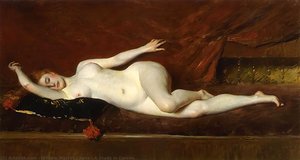
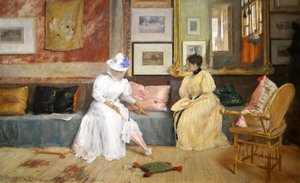
- Bemerkenswerte Werke: Sein Œuvre umfasst eindrucksvolle Porträts wie Portrait of Virginia Gerson, stimmungsvolle Landschaften wie Gowanus Bay (aka Misty Day, Gowanus Bay) und Szenen, die die Lebendigkeit des Stadtlebens einfangen, einschließlich Alice Fernandez. Weitere bemerkenswerte Werke sind "A Friendly Call", "A Study in Curves" und “Terrace at the Mall, Central Park”.
- Themenwahl: Chase stellte häufig häusliche Innenräume, belebte Stadtlandschaften und Freizeitaktivitäten dar, was sein Interesse widerspiegelt, das moderne amerikanische Leben mit einer gewissen Unmittelbarkeit und Vitalität festzuhalten.
Lehre und Einfluss
- Die Chase School: Ein Eckpfeiler von Chases Vermächtnis ist die Gründung der Chase School in New York City. Diese Institution, die später Parsons The New School for Design wurde, spielte eine entscheidende Rolle bei der Gestaltung ganzer Generationen amerikanischer Künstler, indem sie Beobachtung, Technik und künstlerische Innovation betonte.
- Lehrtätigkeiten: Neben der Chase School hatte er Lehraufträge an der Pennsylvania Academy of the Fine Arts, dem Art Students League und der Brooklyn Art Association inne, wodurch er seine künstlerische Philosophie und Fähigkeiten weiter verbreitete.
- Einfluss auf nachfolgende Künstler: Chases Betonung direkter Beobachtung und Plein-Air-Malerei beeinflusste zahlreiche Künstler, darunter Wayman Elbridge Adams, der Chase als Mentor würdigte.
Historische Bedeutung
William Merritt Chase nimmt eine wichtige Position in der amerikanischen Kunstgeschichte ein. Er schloss die Brücke zwischen früheren akademischen Traditionen und der aufkommenden impressionistischen Bewegung und leistete damit einen wesentlichen Beitrag zur Entwicklung einer unverwechselbaren amerikanischen künstlerischen Identität. Sein Engagement für das Unterrichten sorgte dafür, dass sein innovativer Ansatz beim Malen weiterhin Generationen von Künstlern inspirierte und sein Vermächtnis als talentierter Maler und einflussreicher Pädagoge festigte.
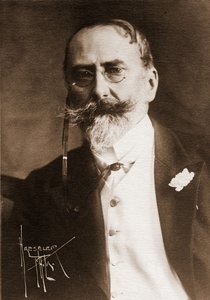
William Merritt Chase
1849 - 1916 , Vereinigte Staaten von Amerika
Kurzinfos
- Beeinflusste Künstler: ['Wayman Elbridge Adams']
- Bemerkenswerte Werke:
- Portrait of Virginia Gerson
- At the Seaside
- Gowanus Bay
- Alice Fernandez
- Keying Up – Hofnarr
- Geburtsdatum: 1. November 1849
- Geburtsort: Nineveh, USA
- Künstlerische Einflüsse: ['Jean-Léon Gérôme']
- Künstlerische Richtung: Impressionismus
- Nationalität: Amerikanisch
- Todatum: 1916
- Vollständiger Name: William Merritt Chase
Ähnliche Artikel
William Merritt Chase: Ein amerikanischer Impressionist und sein künstlerisches Leuchten
Entdecken Sie das faszinierende Werk von William Merritt Chase, einem Pionier des amerikanischen Impressionismus! Erfahren Sie mehr über sein Leben, seine Gemälde und seinen Einfluss auf die Kunstgeschichte. Jetzt lesen!

Impressionismus Meisterwerke: Die Top 10 Kunstwerke für Ihr Zuhause | ArtsDot
Entdecken Sie die Top 10 Meisterwerke des Impressionismus! Von Monet bis Renoir – erfahren Sie die Geschichten hinter berühmten Gemälden, Techniken & Farben. Hochwertige Kunstdrucke auf ArtsDot.com.

Jacopo Tintoretto: Die 25 Meisterwerke des venezianischen Dramatikers | ArtsDot
Entdecken Sie die 25 Meisterwerke von Jacopo Tintoretto! Tauchen Sie ein in die dramatische Welt der venezianischen Renaissance. Hochwertige Kunst-Reproduktionen & Inspiration für Ihr Zuhause – jetzt auf ArtsDot.com.
Impressionismus und Postimpressionismus: Eine vergleichende Analyse
Entdecken Sie die Welt des Impressionismus und Postimpressionismus! Expertenwissen über Künstler wie Monet, Van Gogh & Cézanne. Jetzt lesen!

William Herbert Allen: Capturing Atmospheric Light & the Essence of American Impressionism
Explore the evocative landscapes of William Herbert Allen, a master of American Impressionism. Discover his unique brushwork, atmospheric techniques & legacy through ArtsDot's curated collection.