 Vorschau anzeigen
 Versenden
 Teilen
 Details anzeigen

 Herunterladen
 Ähnliche Objekte
 Röntgenaufnahme
 Diashow
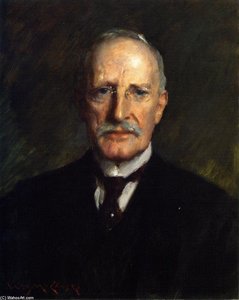
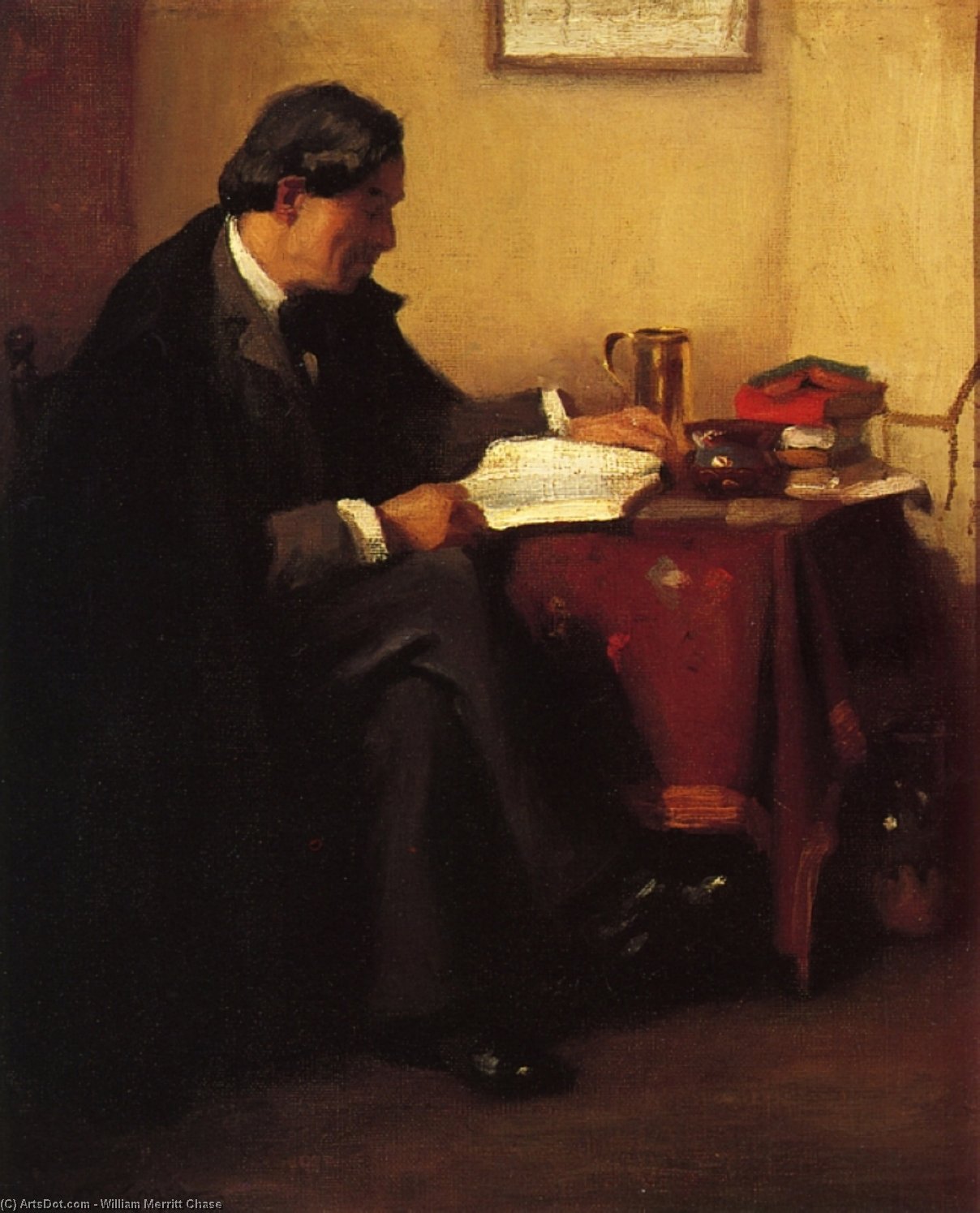
Portrait of Elbert Hubbard (also known as The Roycrafter)


 Weiterlesen
Giclée / Kunstdruck
Giclée- oder Leinwanddruck in Museumsqualität mit schneller Produktion und flexiblen Veredelungsoptionen. ( Handgemalte Reproduktion bestellen Bild kaufen)




P118B $10

P118H $10

P118W $10

P438Z $10

P508JH $12

P508YH $12

P805H $10

P805Z $10

P919BZ $10

P919G $10

P919XJ $10

P959ZH $10

P968JZ $12

W106C $8

W218G $10

W218JH $8

W218Y $10

W307PJ $10

W316G $10

W316PJ $8

W316Y $10

W398PJ $8

W4111J $10

W500HY $15

W500JH $15

W692G $12

W849H $8

W940BG $15

W953PJ $8




Wählen Sie aus unseren vordefinierten Formaten, die den ursprünglichen Proportionen des Kunstwerks entsprechen.

Sie können Ihre eigenen Maße eingeben, um ein bestimmtes Format oder einen speziellen Platz einzupassen. Wenn das von Ihnen gewählte Format nicht den Proportionen des Originalbildes entspricht, werden wir das Kunstwerk entweder beschneiden oder das Bild mit einem gespiegelten oder einfarbigen Rand erweitern. Ein digitaler Entwurf wird Ihnen zur Genehmigung zugesandt, bevor die Produktion beginnt.
Bitte beachten Sie, dass die Vorschau auf dem Bildschirm nicht den tatsächlichen Zuschnitt oder die Erweiterung widerspiegelt. Nur der Entwurf zeigt die endgültige Komposition präzise an.
Obwohl Sondermaße verfügbar sind, empfehlen wir die Auswahl eines Maßes aus der vordefinierten Liste, um die ursprünglichen Proportionen zu bewahren.
Weltweiter Versand () innerhalb von 2 Wochen statt der üblichen 4/5 Wochen. (26 August)

Kostenloser weltweiter Expressversand

Hochwertige Leinenleinwand

Umfassender Versicherungsschutz beim Versand

Zollgebühren-Rückerstattungsgarantie

Garantie für exakte Farbtreue

60 Tage Rückgaberecht (nur bei Mängeln)

100% Geld-zurück-Garantie

Mengenrabatt verfügbar
 Die Glasoption ist nur für Größen unter 110 cm verfügbar.

Portrait of Elbert Hubbard (also known as The Roycrafter)
Giclée / Kunstdruck
Format der Reproduktion
-


Gesamtpreis
$ 62
Sammlerstück-Beschreibung
Portrait of Elbert Hubbard (The Roycrafter) – A Window into an American Vision
- Subject: At the heart of William Merritt Chase’s 1902 oil on canvas, “Portrait of Elbert Hubbard (The Roycrafter),” sits Elbert Hubbard himself, a figure both celebrated and controversial. Hubbard, the visionary founder of The Roycroft Movement, is rendered with remarkable intimacy – seated comfortably in a chair, legs crossed, utterly absorbed in a book. This isn’t merely a likeness; it's a captured moment of intellectual engagement, a testament to Hubbard’s influence as a writer, philosopher, and champion of Arts and Crafts ideals. The inclusion of two other figures within the scene—one on the left and another at the far right—adds layers of meaning, suggesting a community of shared interests and creative pursuits, central to Hubbard's utopian vision.
- Style & Technique: Chase’s masterful application of Impressionistic techniques is immediately apparent. The painting vibrates with light and color, not in a photographic realism but in an evocative rendering of atmosphere and emotion. Loose brushstrokes create a sense of movement and immediacy, while subtle shifts in tone define Hubbard's features and the textures of his surroundings – from the worn leather of his chair to the scattered books on the table and floor. The use of warm earth tones—ochres, browns, and reds—contributes to the painting’s intimate and inviting mood, reflecting the warmth of the Roycroft Manor itself.
- Historical Context: Painted in 1902, this portrait reflects a pivotal moment in American art and culture. Chase was at the forefront of American Impressionism, a movement that sought to capture fleeting moments of light and color with unprecedented freedom. Simultaneously, Hubbard’s Roycroft Movement represented a reaction against industrialization and mass production, advocating for handcrafted goods and a return to traditional artistic values. The painting thus embodies both an artistic trend and a broader cultural shift – a yearning for authenticity and connection in an increasingly complex world.
The Symbolism of the Setting
- The Dining Table: More than just a backdrop, the visible dining table is laden with symbolic significance. The scattered books represent Hubbard’s intellectual pursuits – his writing, philosophy, and artistic endeavors. The presence of a cup suggests contemplation and perhaps even refreshment during these moments of deep thought.
- The Two Figures: The inclusion of two other individuals within the room is deliberately ambiguous. They are not explicitly identified, but their presence reinforces the idea of community and shared intellectual exploration that was so central to Hubbard’s vision at Roycroft. They represent a circle of admirers and collaborators, contributing to the atmosphere of creative exchange.
- The Room Itself: The room's design—a comfortable, lived-in space—reflects the ethos of the Roycroft Movement: a celebration of domesticity, craftsmanship, and artistic expression. It’s a deliberately unpretentious setting, emphasizing the importance of genuine human connection over material wealth.
William Merritt Chase – A Master of Light
- Chase's Legacy: William Merritt Chase was one of America’s most important artists of the late 19th and early 20th centuries. His ability to capture light and atmosphere with such sensitivity and skill earned him international recognition, and his influence can be seen in the work of many subsequent American painters.
- Impressionistic Vision: Chase’s approach was deeply rooted in Impressionism, but he developed a distinctly American style – one that prioritized emotional resonance over strict adherence to French artistic conventions. He skillfully used color and light to evoke mood and atmosphere, creating paintings that are both beautiful and profoundly moving.
- A Portrait of an Era: “Portrait of Elbert Hubbard” is not just a portrait; it’s a snapshot of an era – a moment in time when American art was grappling with new ideas about identity, community, and the role of the artist.
Perfecting Your Collection - A Hand-Painted Reproduction
ArtsDot offers meticulously crafted hand-painted reproductions of “Portrait of Elbert Hubbard (The Roycrafter),” allowing you to bring this iconic artwork into your home or office. Our skilled artists replicate Chase’s technique with the highest level of detail and accuracy, ensuring a faithful representation of this remarkable piece. Whether you are an art collector, interior designer, or simply someone who appreciates beautiful art, our reproduction provides an authentic and timeless addition to any space.
Ähnliche Kunstwerke
Über den Künstler
William Merritt Chase (1849-1916): Ein Pionier des amerikanischen Impressionismus
William Merritt Chase war eine zentrale Figur der amerikanischen Kunst im späten 19. Jahrhundert, bekannt sowohl als führender Vertreter des Impressionismus als auch als einflussreicher Pädagoge. Seine lebendigen Leinwände, die Szenen aus dem täglichen Leben, Landschaften und Porträts darstellen, fingen den Geist eines sich rasch verändernden Amerikas ein. Über seine künstlerischen Leistungen hinaus erstreckt sich Chases Vermächtnis auf die Gründung der Chase School (später Parsons The New School for Design), die die amerikanische Kunstausbildung maßgeblich prägte.
Frühes Leben und künstlerische Entwicklung
- Geburt und Familie: William Merritt Chase wurde am 1. November 1849 in Williamsburg (heute Nineveh) in Indiana geboren. Seine Familie zog 1861 nach Indianapolis.
- Frühzeitiges Training: Während er zunächst im Familienunternehmen arbeitete, zeigte Chase schon früh ein ausgeprägtes Interesse an der Kunst. Er studierte bei lokalen Lehrern Barton S. Hays und Jacob Cox und demonstrierte beträchtliches Talent.
- Beginn der formalen Ausbildung: Ein kurzer Aufenthalt in der Marine führte ihn 1869 nach New York City, wo er unter Joseph Oriel Eaton studierte. Anschließend schrieb er sich an der National Academy of Design ein, wo er bei Lemuell Wilmarth lernte, einem Schüler von Jean-Léon Gérôme.
- Finanzielle Herausforderungen und St. Louis: Eine familiäre Finanzkrise zwang Chase 1870 in die Relokation nach Saint Louis, Missouri. Dort engagierte er sich aktiv in der lokalen Kunstszene, gewann Anerkennung für seine Arbeit und stellte auf der National Academy aus.
Impressionistischer Stil und wichtige Werke
- Übernahme des Impressionismus: Chase übernahm einen impressionistischen Stil, der durch lockere Pinselstriche, den Fokus auf das Festhalten flüchtiger Licht- und Farbeffekte sowie Darstellungen des zeitgenössischen Lebens gekennzeichnet ist.
- "Keying Up – Der Hofnarr" (1876): Dieses Werk, das im Boston Art Club und auf der Philadelphia Centennial Exposition ausgestellt wurde, wo es eine Medaille gewann, gilt als eines seiner bedeutendsten frühen Errungenschaften. Es veranschaulicht seine Fähigkeit, Bewegung und Persönlichkeit mit energiegeladenen Pinselstrichen darzustellen.
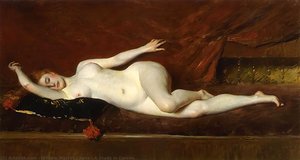
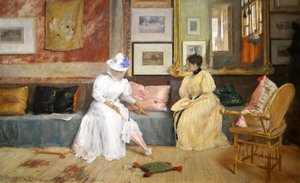
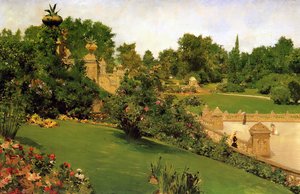
- Bemerkenswerte Werke: Sein Œuvre umfasst eindrucksvolle Porträts wie Portrait of Virginia Gerson, stimmungsvolle Landschaften wie Gowanus Bay (aka Misty Day, Gowanus Bay) und Szenen, die die Lebendigkeit des Stadtlebens einfangen, einschließlich Alice Fernandez. Weitere bemerkenswerte Werke sind "A Friendly Call", "A Study in Curves" und “Terrace at the Mall, Central Park”.
- Themenwahl: Chase stellte häufig häusliche Innenräume, belebte Stadtlandschaften und Freizeitaktivitäten dar, was sein Interesse widerspiegelt, das moderne amerikanische Leben mit einer gewissen Unmittelbarkeit und Vitalität festzuhalten.
Lehre und Einfluss
- Die Chase School: Ein Eckpfeiler von Chases Vermächtnis ist die Gründung der Chase School in New York City. Diese Institution, die später Parsons The New School for Design wurde, spielte eine entscheidende Rolle bei der Gestaltung ganzer Generationen amerikanischer Künstler, indem sie Beobachtung, Technik und künstlerische Innovation betonte.
- Lehrtätigkeiten: Neben der Chase School hatte er Lehraufträge an der Pennsylvania Academy of the Fine Arts, dem Art Students League und der Brooklyn Art Association inne, wodurch er seine künstlerische Philosophie und Fähigkeiten weiter verbreitete.
- Einfluss auf nachfolgende Künstler: Chases Betonung direkter Beobachtung und Plein-Air-Malerei beeinflusste zahlreiche Künstler, darunter Wayman Elbridge Adams, der Chase als Mentor würdigte.
Historische Bedeutung
William Merritt Chase nimmt eine wichtige Position in der amerikanischen Kunstgeschichte ein. Er schloss die Brücke zwischen früheren akademischen Traditionen und der aufkommenden impressionistischen Bewegung und leistete damit einen wesentlichen Beitrag zur Entwicklung einer unverwechselbaren amerikanischen künstlerischen Identität. Sein Engagement für das Unterrichten sorgte dafür, dass sein innovativer Ansatz beim Malen weiterhin Generationen von Künstlern inspirierte und sein Vermächtnis als talentierter Maler und einflussreicher Pädagoge festigte.
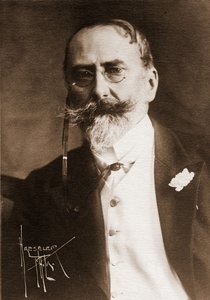
William Merritt Chase
1849 - 1916 , Vereinigte Staaten von Amerika
Kurzinfos
- Beeinflusste Künstler: ['Wayman Elbridge Adams']
- Bemerkenswerte Werke:
- Portrait of Virginia Gerson
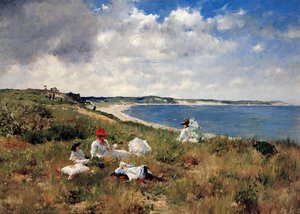
- At the Seaside
- Gowanus Bay
- Alice Fernandez
- Keying Up – Hofnarr
- Geburtsdatum: 1. November 1849
- Geburtsort: Nineveh, USA
- Künstlerische Einflüsse: ['Jean-Léon Gérôme']
- Künstlerische Richtung: Impressionismus
- Nationalität: Amerikanisch
- Todatum: 1916
- Vollständiger Name: William Merritt Chase
Ähnliche Artikel
William Merritt Chase: Ein amerikanischer Impressionist und sein künstlerisches Leuchten
Entdecken Sie das faszinierende Werk von William Merritt Chase, einem Pionier des amerikanischen Impressionismus! Erfahren Sie mehr über sein Leben, seine Gemälde und seinen Einfluss auf die Kunstgeschichte. Jetzt lesen!
Capturing a Nation's Light: Exploring the American Impressionist Movement
Explore the captivating world of American Impressionism! Discover key artists, techniques & its lasting impact on art history. Find museum-quality reproductions and expert guidance at ArtsDot.
Childe Hassam: Der Chronist des amerikanischen Impressionismus und seine zeitgenössische Brillanz
Entdecken Sie das Leben und Werk von Childe Hassam, dem führenden amerikanischen Impressionisten! Erfahren Sie mehr über seine ikonischen Gemälde, den Einfluss Frankreichs und sein Vermächtnis. Jetzt bei ArtsDot entdecken!
Impressionismus: Die 10 Meisterwerke, die eine Kunstbewegung prägten |
Entdecken Sie die 10 Meisterwerke des Impressionismus! Von Monet bis Renoir – erfahren Sie die Geschichten hinter berühmten Gemälden & ihre einzigartigen Techniken. Kunstdrucke in Museumsqualiät auf .

Impressionismus Meisterwerke: Die Top 10 Kunstwerke für Ihr Zuhause | ArtsDot
Entdecken Sie die Top 10 Meisterwerke des Impressionismus! Von Monet bis Renoir – erfahren Sie die Geschichten hinter berühmten Gemälden, Techniken & Farben. Hochwertige Kunstdrucke auf ArtsDot.com.