

 Vorschau anzeigen
 Versenden
 Teilen
 Details anzeigen

 Herunterladen
 Ähnliche Objekte
 Röntgenaufnahme
 Diashow
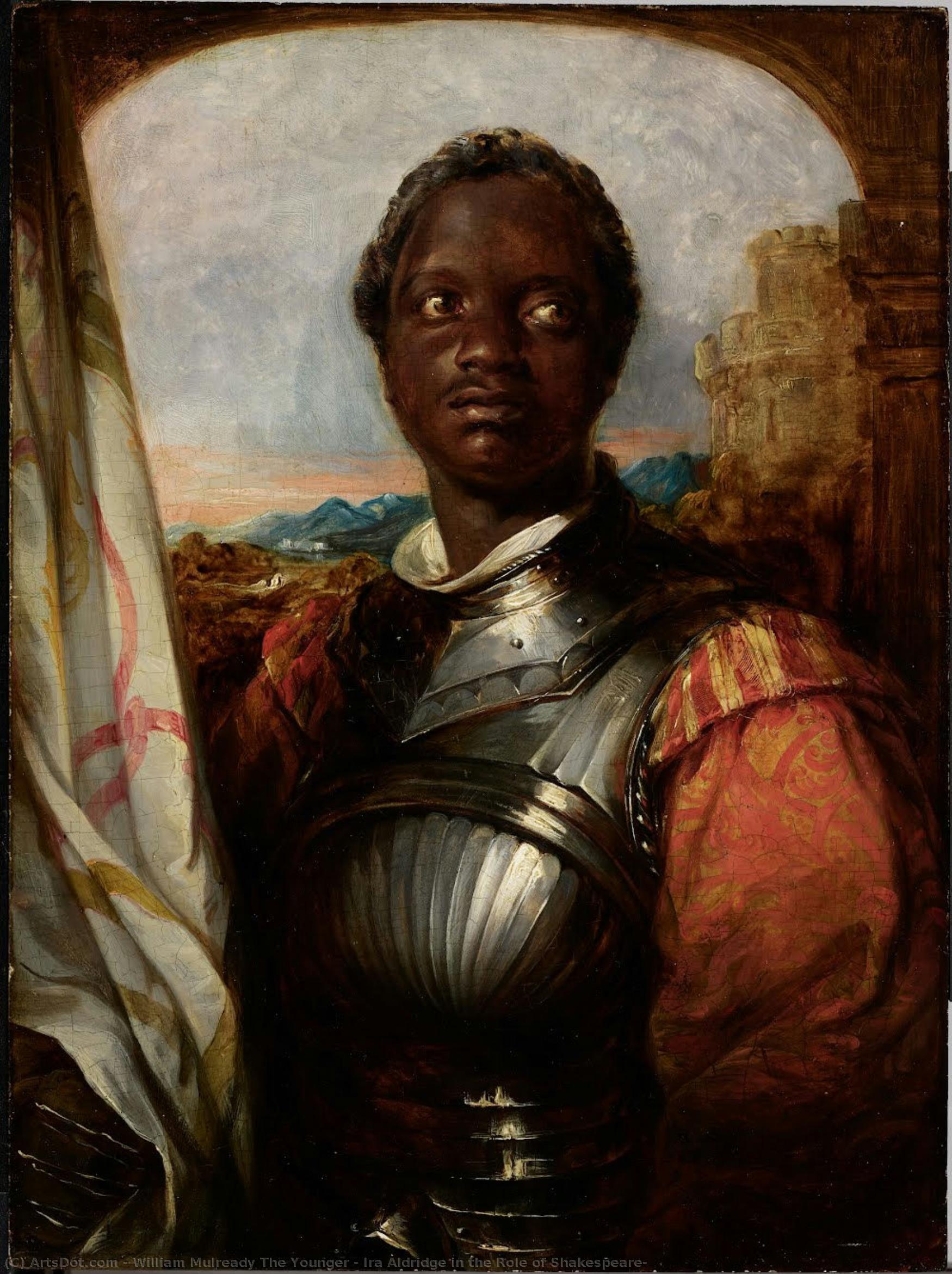
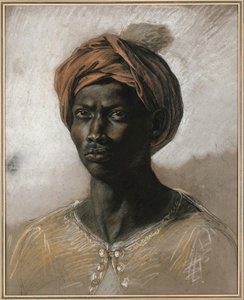
Ira Aldridge in the Role of Shakespeare
 Acrylic On Canvas
- WallArt
- Victorian Genre Painting
 1826
1826 62.0 x 52.0 cm
 The Walters Art Museum
 Weiterlesen
Giclée / Kunstdruck
Giclée- oder Leinwanddruck in Museumsqualität mit schneller Produktion und flexiblen Veredelungsoptionen. ( Handgemalte Reproduktion bestellen Bild kaufen)




P118B $10

P118H $10

P118W $10

P438Z $10

P508JH $12

P508YH $12

P805H $10

P805Z $10

P919BZ $10

P919G $10

P919XJ $10

P959ZH $10

P968JZ $12

W106C $8

W218G $10

W218JH $8

W218Y $10

W307PJ $10

W316G $10

W316PJ $8

W316Y $10

W398PJ $8

W4111J $10

W500HY $15

W500JH $15

W692G $12

W849H $8

W940BG $15

W953PJ $8




Wählen Sie aus unseren vordefinierten Formaten, die den ursprünglichen Proportionen des Kunstwerks entsprechen.

Sie können Ihre eigenen Maße eingeben, um ein bestimmtes Format oder einen speziellen Platz einzupassen. Wenn das von Ihnen gewählte Format nicht den Proportionen des Originalbildes entspricht, werden wir das Kunstwerk entweder beschneiden oder das Bild mit einem gespiegelten oder einfarbigen Rand erweitern. Ein digitaler Entwurf wird Ihnen zur Genehmigung zugesandt, bevor die Produktion beginnt.
Bitte beachten Sie, dass die Vorschau auf dem Bildschirm nicht den tatsächlichen Zuschnitt oder die Erweiterung widerspiegelt. Nur der Entwurf zeigt die endgültige Komposition präzise an.
Obwohl Sondermaße verfügbar sind, empfehlen wir die Auswahl eines Maßes aus der vordefinierten Liste, um die ursprünglichen Proportionen zu bewahren.
Weltweiter Versand () innerhalb von 2 Wochen statt der üblichen 4/5 Wochen. (1 September)

Kostenloser weltweiter Expressversand

Hochwertige Leinenleinwand

Umfassender Versicherungsschutz beim Versand

Zollgebühren-Rückerstattungsgarantie

Garantie für exakte Farbtreue

60 Tage Rückgaberecht (nur bei Mängeln)

100% Geld-zurück-Garantie

Mengenrabatt verfügbar
 Die Glasoption ist nur für Größen unter 110 cm verfügbar.

Ira Aldridge in the Role of Shakespeare
Giclée / Kunstdruck
Format der Reproduktion
-


Gesamtpreis
$ 62
The Weight of Tragedy: William Mulready's Masterpiece
William Mulready the Younger’s 1826 painting, "Ira Aldridge in the Role of Shakespeare’s ‘Othello’," isn’t merely a portrait; it’s a carefully constructed tableau of theatrical intensity and profound human emotion. The work immediately arrests the eye with its dramatic composition – a lone figure dominating the canvas, radiating an almost palpable sense of sorrow and burdened responsibility. It's a scene frozen in the heart of a pivotal performance, capturing not just the likeness of Ira Aldridge but also the very essence of his iconic portrayal of the Moor of Venice.
Mulready’s skill lies in his ability to translate the stage into a single, powerful image. The armor worn by Aldridge isn't simply decorative; it represents the weight of Othello’s position – a soldier, a general, a man tasked with protecting a city and, ultimately, consumed by jealousy and rage. The helmet, tilted slightly forward, suggests vulnerability beneath the formidable exterior, hinting at the internal turmoil that fuels his tragic descent.
A Pioneer in a Segregated World
Understanding the historical context is crucial to appreciating this painting’s significance. Ira Aldridge was a trailblazer – the first African-American actor to achieve sustained professional success on European stages, specifically in London. His journey represents not only his personal ambition but also a courageous challenge to racial prejudice and limited opportunities within the performing arts. Mulready's decision to immortalize Aldridge in such a commanding pose speaks volumes about recognizing his talent and elevating him to a position of artistic prominence despite societal barriers.
The choice of Othello as the subject is particularly resonant. Shakespeare’s tragedy explores themes of jealousy, betrayal, and the destructive power of unchecked passion – issues that resonated deeply with audiences then and continue to hold relevance today. Aldridge's performance was renowned for its raw emotionality and dramatic depth, solidifying his reputation as one of the greatest tragedians of his era.
Technique and Atmosphere: A Study in Light and Shadow
Mulready’s technique is characterized by a remarkable sensitivity to light and shadow. The painting is dominated by a rich, dark palette – deep blues, browns, and blacks – which creates an atmosphere of somber contemplation. The strategic use of chiaroscuro (the contrast between light and dark) emphasizes Aldridge's face, highlighting his intense gaze and conveying the weight of his character’s suffering. The subtle gradations of color suggest a sense of depth and texture, lending realism to the scene.
Notably, the inclusion of two modern cell phones within the composition is a deliberate artistic choice. These anachronistic elements serve as a poignant commentary on the enduring nature of human drama – that even in our increasingly digital age, stories of love, loss, and betrayal continue to captivate and move us. They subtly juxtapose the timeless tragedy depicted with the realities of contemporary life, prompting reflection on how storytelling evolves across generations.
Symbolism and Emotional Resonance
Beyond the immediate depiction of Aldridge, the painting is laden with symbolism. The flag he holds represents his authority as a military leader, yet it’s also a symbol of vulnerability – a fragile emblem against the overwhelming forces of fate. His intense gaze directly engages the viewer, inviting us to share in his anguish and contemplate the complexities of human nature. “Ira Aldridge in the Role of Shakespeare’s ‘Othello’” is not simply a portrait; it's an invitation to confront the enduring power of tragedy and the profound humanity of its characters.
Ähnliche Kunstwerke


Über den Künstler
William Mulready the Jüngere: Ein Leben in der Kunst
- Geboren: Ennis, Irland (1786)
- Gestorben: 1863
William Mulready RA (1786-1863) war ein bedeutender irischer Genremaler, der den Großteil seiner Karriere in London verbrachte. Er wird für seine romantisierten Darstellungen des Landlebens und alltäglicher Szenen gefeiert, die das Wesen Englands im Viktorianischen Zeitalter einfangen. Über die Malerei hinaus erlangte er Anerkennung für das Design der ikonischen Mulready-Briefformulare, die zusammen mit dem Penny Black Briefmarke eingeführt wurden.
Frühes Leben und Ausbildung
- Frühe Jahre: Geboren in Ennis, County Clare, Irland, zog Mulreadys Familie 1792 nach London.
- Künstlerische Neigung: Schon in jungen Jahren zeigte er ein ausgeprägtes Interesse an der Kunst, indem er Stiche kopierte und bemerkenswerte Talente bewies.
- Formale Ausbildung: Er erhielt frühe Anweisungen von John Graham, dem Historiker, der sein Potenzial erkannte. Anschließend studierte er an der Royal Academy School, beginnend im Alter von etwa vierzehn Jahren.
- Frühe Einflüsse: Seine Ausbildung wurde durch eine Kombination aus formaler Ausbildung und autodidaktischem Lernen geprägt, einschließlich des Kopierens von Drucken und der Beobachtung von Schauspielern in Theatervorstellungen.
Künstlerische Entwicklung und Stil
- Frühe Werke: Mulready konzentrierte sich zunächst auf Landschaftsmalerei, bevor er um 1808 zur Genremalerei überging.
- Fokus auf Genremalerei: Sein charakteristischer Stil bestand darin, Szenen aus dem Landleben darzustellen, oft mit einer romantischen Sensibilität und moralischen Untertönen versehen.
- Einflüsse: Er ließ sich von niederländischen Genremalern des siebzehnten Jahrhunderts inspirieren und studierte ihre Werke in Privatbesitz.
- Wiederkehrende Themen: Mulready porträtierte häufig Kinder, ihr Verhalten und ihre Bildung, was die gesellschaftlichen Anliegen des viktorianischen Zeitalters widerspiegelte.
- Technische Fähigkeiten: Seine Gemälde zeichnen sich durch ein hohes Maß an technischem Können aus, das insbesondere in seinen detaillierten Zeichnungen des Aktes deutlich wird.
Wichtige Errungenschaften und Anerkennung
- Mitgliedschaft bei der Royal Academy: Er wurde 1815 zum Associated of the Royal Academy (A.R.A.) und 1816 zum ordentlichen Mitglied (R.A.) ernannt.
- Französische Auszeichnung: Im Jahr 1816 erhielt er die französische "Légion d'honneur".
- Bemerkenswerte Werke: Zu den wichtigsten Gemälden gehören „Returning from the Ale House“ (auch bekannt als „Fair Time“, Tate Gallery), „Giving a Bite“ (Victoria and Albert Museum), „First Love“ (Victoria and Albert Museum) und „The Organ Grinder“.
- Illustrationen: Er illustrierte mehrere Kinderbücher, darunter frühe Ausgaben von Charles und Mary Lambs "Tales from Shakespeare" und William Roscoes "The Butterfly's Ball".
- Mulready-Briefformulare: Sein Design für die Mulready-Briefformulare, die 1840 zusammen mit der Penny Black Briefmarke eingeführt wurden, blieb trotz anfänglicher Unbeliebtheit ein bedeutender Beitrag zur Postgeschichte.
Historische Bedeutung und Vermächtnis
- Viktorianische Popularität: Mulreadys Gemälde waren während des viktorianischen Zeitalters äußerst beliebt und spiegelten die zeitgenössischen Geschmäcker und Werte wider.
- Pionier der Genremalerei: Er spielte eine entscheidende Rolle bei der Etablierung der Genremalerei als respektierte Kunstform in Großbritannien.
- Künstlerfamilie: Seine Familie umfasste mehrere andere Künstler, darunter seine Frau Elizabeth Varley und ihre Söhne Paul Augustus, William Junior und Michael.
- Verbindung zur Cranbrook Colony: Sein Enkelsohn, Augustus Edwin Mulready, wurde ein prominentes Mitglied der Cranbrook Colony of Artists.
- Nachhaltiger Einfluss: Obwohl seine Designs für die Mulready-Briefformulare kurzlebig waren, wird sein künstlerisches Vermächtnis weiterhin für seine Darstellung des viktorianischen Lebens und seine technische Meisterschaft geschätzt.
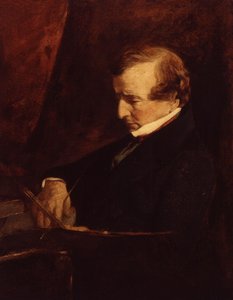
William Mulready the Younger
1786 - 1863 , Irland
Kurzinfos
- Artistic Movement Or Style: Genre Malerei, Romantik
- Artists Who Influenced This Artist:
- William Blake
- John Varley
- Cornelius Varley
- Date Of Birth: 1. April 1786
- Date Of Death: 7. Juli 1863
- Full Name: William Mulready the Younger
- Nationality: Irisch
- Notable Artworks:
- Returning from the ale house
- Fair Time
- Giving a bite
- First love
- The Organ Grinder
- Place Of Birth: Ennis, Irland
Ähnliche Artikel
The Refined Aesthetic of Victorian Illustration: A Study in Narrative & Technique
Explore the captivating world of Victorian illustration! Discover Pre-Raphaelite influences, key artists like Rossetti & Stephens, and the era's rich narrative detail. A deep dive for art enthusiasts.
William Powell Frith: Gesellschaftsbilder des Viktorianismus und der Aufstieg des Realismus
Entdecken Sie das Werk von William Powell Frith und die Gesellschaftsbilder des Viktorianismus! Analysen, Biografie & der Aufstieg des Realismus in der englischen Malerei. Jetzt lesen!
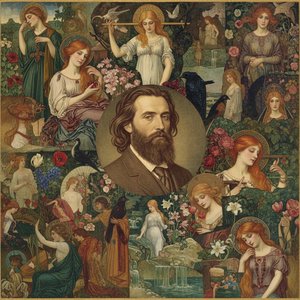
Dante Gabriel Rossetti: Die 25 Meisterwerke des Präraffelitismus | ArtsDot
Entdecken Sie die 25 schönsten Gemälde von Dante Gabriel Rossetti! Tauchen Sie ein in die Welt der Präraffeliten, symbolistischer Kunst & viktorianischer Romantik. Hochwertige Reproduktionen für Ihr Zuhause – jetzt bei ArtsDot.com!
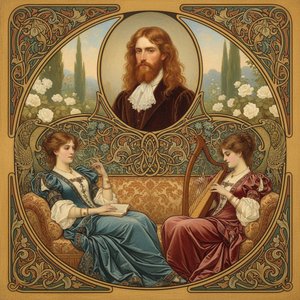
Frederick Morgan: A Study in Aestheticism & Victorian Beauty
Explore the captivating world of Frederick Morgan, a key figure in Victorian Aestheticism. Discover his beautiful paintings, recurring themes, and lasting legacy with our expert analysis. Learn more today!
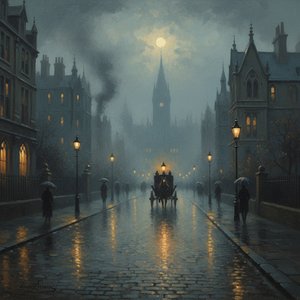
John Atkinson Grimshaw: Atmosphärischer Realismus und die viktorianische Nachtmalerei
Entdecken Sie das Werk von John Atkinson Grimshaw, dem Meister der viktorianischen Nachtmalerei! Erfahren Sie mehr über seinen atmosphärischen Realismus, seine Technik und seinen Einfluss auf die Kunstgeschichte. Jetzt lesen!

