

 Vorschau anzeigen
 Versenden
 Teilen
 Details anzeigen

 Herunterladen
 Ähnliche Objekte
 Röntgenaufnahme
 Diashow
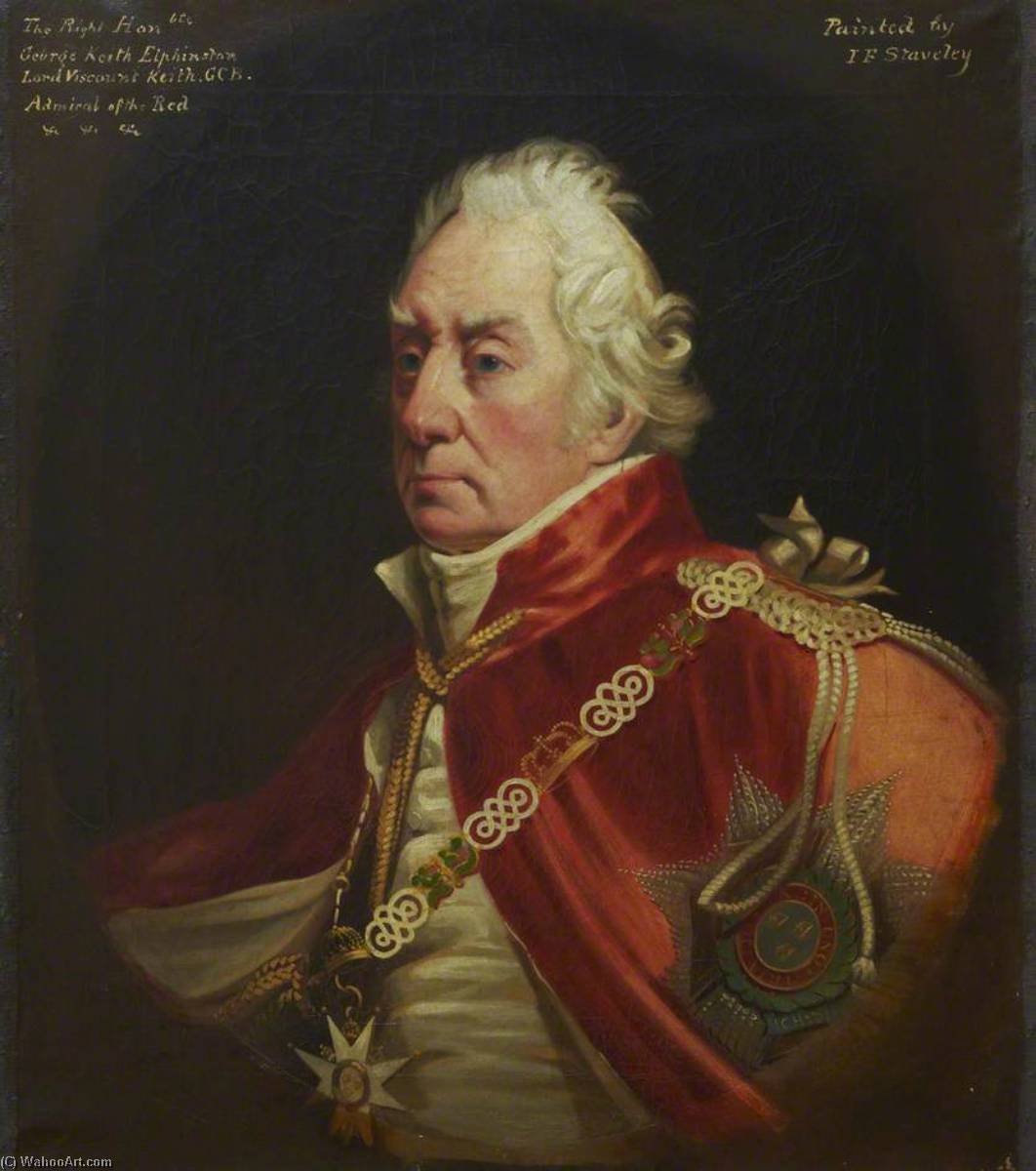
Admiral Viscount Keith (1747–1823), GCB
 Neoclassicism
 78.0 x 69.0 cm
 Schottische Polizeiakademie
 Weiterlesen
Handgefertigte Ölreproduktion
Handgemaltes Ölgemälde auf Leinwand in Ihrer Wunschgröße und mit Rahmen, auf Bestellung von unseren Künstlern angefertigt. ( Druck bestellen Bild kaufen)




































Wählen Sie aus unseren vordefinierten Formaten, die den ursprünglichen Proportionen des Kunstwerks entsprechen.

Sie können Ihre eigenen Maße eingeben, um einen bestimmten Rahmen oder Platz auszufüllen. Wenn die gewählte Größe nicht den Proportionen des Originalbildes entspricht, werden wir das Kunstwerk entweder beschneiden oder das Gemälde durch zusätzliche, handgemalte Elemente erweitern. Ein digitales Mockup wird Ihnen zur Genehmigung zugesandt, bevor die Produktion beginnt.
Bitte beachten Sie, dass die Bildschirmvorschau nicht die tatsächliche Beschneidung oder Erweiterung widerspiegelt. Nur das Mockup zeigt die endgültige Komposition exakt an.
Obwohl Sondermaße verfügbar sind, empfehlen wir, eine Größe aus der vordefinierten Liste zu wählen, um die ursprünglichen Proportionen beizubehalten.
Nach der Bestellung wird das ArtsDot.com-Team dem Kunden Anweisungen per E-Mail zusenden und eine Mockup-Vorschau bereitstellen.
Weltweiter Versand () in nur 3 bis 4 Wochen statt der üblichen 5 Wochen. (3 September). Keine Kompromisse bei der Qualität.

Kostenloser weltweiter Expressversand

Hochwertige Leinenleinwand

Umfassender Versicherungsschutz beim Versand

Zollgebühren-Rückerstattungsgarantie

Garantie für exakte Farbtreue

60 Tage Rückgaberecht (nur bei Mängeln)

100% Geld-zurück-Garantie

Mengenrabatt verfügbar
 Die Glasoption ist nur für Größen unter 110 cm verfügbar.

Admiral Viscount Keith (1747–1823), GCB
Art der Reproduktion
Format der Reproduktion
-


Gesamtpreis
$ 263
Ähnliche Kunstwerke
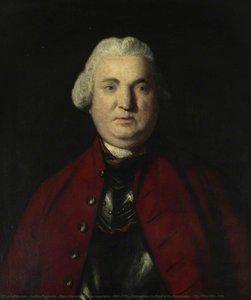
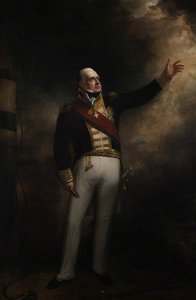
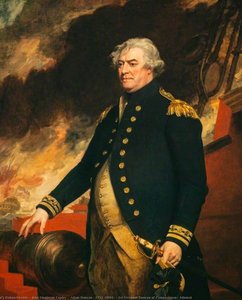
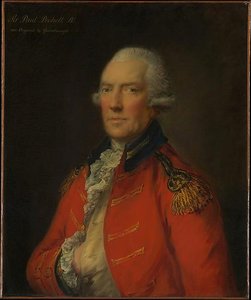
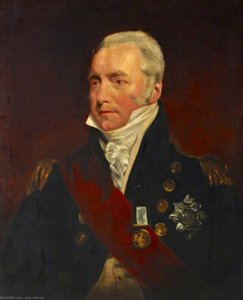
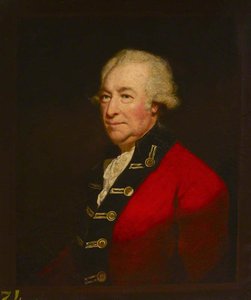
Über den Künstler
The Delicate Precision of William Staveley
In the annals of British portraiture, few names evoke as much quiet reverence and historical intrigue as William Staveley. A figure emerging from the late Georgian era, Staveley’s life was a brief but brilliant flash of artistic mastery. Born in Edinburgh around 1785, his early years were shaped by an elite education, moving from the prestigious halls of Eton College to the scholarly environment of Oxford University. While much of his personal biography remains shrouded in the mists of time, his canvases speak with a clarity that defies his relative obscurity. He possessed a rare, innate ability to transcend mere likeness, capturing not just the physical features of the Scottish nobility, but the very soul and psychological depth of his subjects.
Stavely’s artistic development was deeply rooted in the classical traditions of his predecessors. He did not merely observe the masters; he internalized their very essence. By meticulously studying the works of Rembrandt and Joshua Reynolds, Staveley mastered the sophisticated technique of chiaroscuro. This dramatic interplay between light and shadow became the hallmark of his oeuvre, allowing him to sculpt faces out of darkness and imbue skin tones with a lifelike warmth. Unlike many of his contemporaries who sought to overwhelm the viewer with grandiosity and ostentatious displays of wealth, Staveley pursued an aesthetic of understated elegance. His brushwork favored accuracy and subtlety, finding profound beauty in the quiet nuances of a gaze or the gentle fold of a silk garment.
A Legacy Captured in Light and Shadow
The breadth of Staveley’s contribution to the portraiture of his era is best understood through his most celebrated commissions. His work served as a vital record for the wealthy Scottish families and prominent figures of the period, acting as a window into the social hierarchies and intellectual currents of the late 18th and early 19th centuries. Each portrait was a carefully constructed narrative of dignity and grace.
Among his most enduring achievements are works that showcase his remarkable anatomical precision and emotional sensitivity:
- George Home of Paxton: A captivating depiction of the Earl that stands as a testament to Staveley's ability to balance formal grandeur with nuanced human expression.
- Henry Mackenzie: In this portrait, the artist captures the contemplative and thoughtful gaze of the author, demonstrating a profound empathy for his sitter’s intellectual character.
- Jane Duff of Hatton: A stunning example of his 1790s period, where his mastery of realistic detail and classical style is on full display.
- Dr. Gregory Grant: A 1796 masterpiece that utilizes rich textures and striking lighting to create a sense of historical weight and formal importance.
- Sir James Grant: A portrait that exemplifies the artist's dedication to portraying his subjects with an unwavering sense of dignity.
Though Staveley’s life was tragically cut short by his death in 1808, the impact of his brief career remains palpable. He left behind a collection of works that do more than simply document faces; they preserve the spirit of an age. Through his disciplined use of light and his commitment to the truth of the human countenance, William Staveley secured his place as a master of Scottish portraiture, leaving an indelible mark on the history of British art.
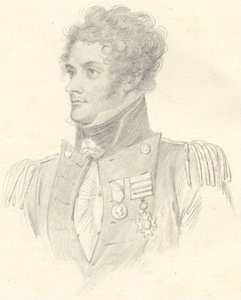
william staveley
1928 - 1997
Kurzinfos
- Artistic Movement Or Style: Portrait painting
- Date Of Death: 1997
- Full Name: William Staveley
- Nationality: British
- Notable Artworks:
- George Home of Paxton
- Henry Mackenzie
- Sir James Grant
Ähnliche Artikel

Crimson Threads of Narrative: Exploring Symbolism & Representation in Artworks Featuring the Red Dress
Explore the rich symbolism of the red dress in art history! From ancient power displays to iconic portraits like Cézanne’s 'Madame Cezanne', discover the cultural and artistic significance behind this captivating color. Expert analysis & insights.
Die 10 Meisterwerke des 18. Jahrhunderts: Kunst für Ihr Zuhause | ArtsDot
Entdecken Sie die 10 prächtigsten Meisterwerke des 18. Jahrhunderts! Von Rokoko bis Klassizismus – erleben Sie die Kunst von Fragonard, David & Hogarth. Hochwertige Reproduktionen für Ihr Zuhause auf ArtsDot.com.
Mark Rothkos Meisterwerke: Die Top 25 für Kunstliebhaber | ArtsDot
Entdecken Sie die 25 Meisterwerke von Mark Rothko! Tauchen Sie ein in die Welt der abstrakten Kunst, des Expressionismus und der Farbfeldmalerei. Hochwertige Kunstdrucke & Reproduktionen auf ArtsDot.com – für Ihre Wohnräume.
Reflections of an Age: Social Commentary & Artistic Representation in 18th-Century Society
Explore the social commentary & artistic representation of 18th-century society. Discover Rococo masterpieces, portraiture's power, and shifting historical perspectives. Expert insights for art lovers.
Meisterwerke des 18. & 19. Jahrhunderts: Kunst für Ihr Zuhause | ArtsDot
Entdecken Sie die 10 bedeutendsten Meisterwerke des 18. & 19. Jahrhunderts! Von Romantik bis Impressionismus – erfahren Sie die Geschichten berühmter Künstler und ihrer ikonischen Gemälde. Hochwertige Kunstdrucke auf ArtsDot.com.

