

 Vorschau anzeigen
 Versenden
 Teilen
 Details anzeigen

 Herunterladen
 Ähnliche Objekte
 Röntgenaufnahme
 Diashow
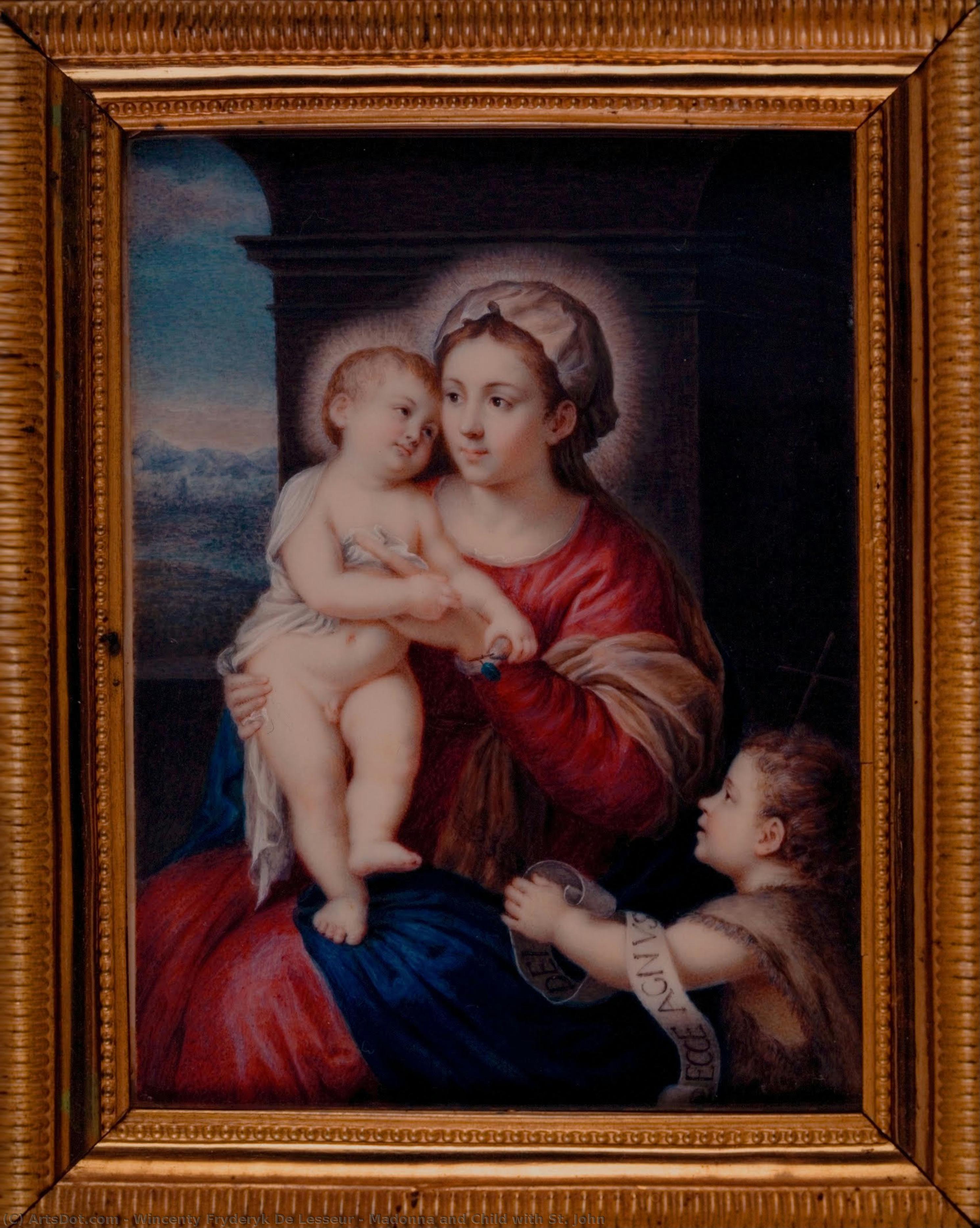
Madonna and Child with St. John
 Watercolor
- WallArt
- Neoclassicism
 1798
1798- 19th Century
 15.0 x 11.0 cm
 Das Polnische Museum
 Weiterlesen
Handgefertigte Ölreproduktion
Handgemaltes Ölgemälde auf Leinwand in Ihrer Wunschgröße und mit Rahmen, auf Bestellung von unseren Künstlern angefertigt. ( Druck bestellen Bild kaufen)




P118B $10

P118H $10

P118W $10

P438Z $10

P508JH $12

P508YH $12

P805H $10

P805Z $10

P919BZ $10

P919G $10

P919XJ $10

P959ZH $10

P968JZ $12

W106C $8

W218G $10

W218JH $8

W218Y $10

W307PJ $10

W316G $10

W316PJ $8

W316Y $10

W398PJ $8

W4111J $10

W500HY $15

W500JH $15

W692G $12

W849H $8

W940BG $15

W953PJ $8




Wählen Sie aus unseren vordefinierten Formaten, die den ursprünglichen Proportionen des Kunstwerks entsprechen.

Sie können Ihre eigenen Maße eingeben, um einen bestimmten Rahmen oder Platz auszufüllen. Wenn die gewählte Größe nicht den Proportionen des Originalbildes entspricht, werden wir das Kunstwerk entweder beschneiden oder das Gemälde durch zusätzliche, handgemalte Elemente erweitern. Ein digitales Mockup wird Ihnen zur Genehmigung zugesandt, bevor die Produktion beginnt.
Bitte beachten Sie, dass die Bildschirmvorschau nicht die tatsächliche Beschneidung oder Erweiterung widerspiegelt. Nur das Mockup zeigt die endgültige Komposition exakt an.
Obwohl Sondermaße verfügbar sind, empfehlen wir, eine Größe aus der vordefinierten Liste zu wählen, um die ursprünglichen Proportionen beizubehalten.
Nach der Bestellung wird das ArtsDot.com-Team dem Kunden Anweisungen per E-Mail zusenden und eine Mockup-Vorschau bereitstellen.
Weltweiter Versand () in nur 3 bis 4 Wochen statt der üblichen 5 Wochen. (29 August). Keine Kompromisse bei der Qualität.

Kostenloser weltweiter Expressversand

Hochwertige Leinenleinwand

Umfassender Versicherungsschutz beim Versand

Zollgebühren-Rückerstattungsgarantie

Garantie für exakte Farbtreue

60 Tage Rückgaberecht (nur bei Mängeln)

100% Geld-zurück-Garantie

Mengenrabatt verfügbar
 Die Glasoption ist nur für Größen unter 110 cm verfügbar.

Madonna and Child with St. John
Art der Reproduktion
Format der Reproduktion
-


Gesamtpreis
$ 263
A Tender Vision in Miniature
In the delicate realm of eighteenth-century miniature painting, few works capture the profound intimacy of maternal love as exquisitely as Wincenty Fryderyk de Lessur’s Madonna and Child with St. John. Created in 1798, this watercolor masterpiece invites the viewer into a private, sacred moment that transcends its small scale. The composition centers on the Virgin Mary, her presence rendered with a soft, luminous grace as she cradles the infant Jesus. As they gaze upward toward an unseen celestial light, the painting evokes a sense of divine anticipation and quiet reverence. The subtle interplay of figures—including the presence of St. John flanking the central pair—creates a balanced, triangular composition that guides the eye through a narrative of devotion and spiritual connection.
The technical mastery of de Lessur is on full display in this work, showcasing his unique ability to manipulate watercolor to achieve a sense of depth and texture. Though the piece is remarkably small, measuring only 15 x 11 cm, the artist employs a delicate touch that mimics the smoothness of ivory, a hallmark of his celebrated style. The vibrant crimson of Mary’s gown serves as a striking visual anchor, providing a warm, emotional contrast to the pristine white garments of the Christ child. This deliberate use of color not only highlights the physical bond between mother and son but also symbolizes the passion and purity central to the iconographic tradition. Every brushstroke contributes to an atmosphere of ethereal lightness, making the figures appear almost as if they are bathed in a soft, heavenly glow.
Historical Elegance and Timeless Appeal
To understand the soul of this painting, one must look to the illustrious career of its creator. Wincenty Fryderyk de Lessur was a luminary of the Polish Enlightenment, a virtuoso whose skills were honed under the tutelage of masters like Marcello Bacciarelli and refined in the imperial courts of Vienna. As a favored portraitist of King Stanisław August Poniatowski, de Lessur possessed an unparalleled ability to capture both the regal dignity of monarchs and the tender vulnerability of religious subjects. This particular work reflects the sophisticated aesthetic of the late 18th century, where the grandeur of the Baroque era began to merge with the more intimate, emotive sensibilities of the burgeoning Romantic movement.
For the discerning collector or interior designer, a high-quality reproduction of this piece offers more than mere decoration; it provides a window into a lost era of European refinement. The painting’s ability to evoke emotion through subtle color shifts and delicate linework makes it an ideal centerpiece for a curated gallery wall or a sophisticated study. Whether placed in a setting of classical grandeur or integrated into a modern, minimalist space, the Madonna and Child with St. John brings a sense of historical weight and spiritual tranquility. It remains a testament to the enduring power of art to capture the most fleeting, sacred moments of human existence, preserved forever in a wash of watercolor and light.
Ähnliche Kunstwerke
Über den Künstler
Wincenty Fryderyk De Lesseur: A Master of Ivory Miniature
Wincenty Fryderyk De Lesseur (1745 – 1813), born in Warsaw, Poland, stands as a pivotal figure in the history of Polish art and miniature painting. His artistic journey unfolded amidst the turbulent backdrop of Enlightenment Europe, marked by patronage from influential monarchs and a dedication to capturing fleeting moments with unparalleled precision—a hallmark of his distinctive pointillistic style.Lesseur’s formative years were shaped by his father's service as a French officer stationed in Warsaw after the War of the Polish Succession. Recognizing his son’s innate talent, Marcello and Johanna Bacciarelli provided him with an exceptional education, grounding him in classical artistic principles that would inform his entire oeuvre.
Early Artistic Influences & Viennese Training
A brief stint in Vienna proved instrumental in refining Lesseur's technique. Collaborating closely with Heinrich Füger, he honed his skills and absorbed the stylistic nuances of contemporary European art, particularly Neoclassicism. This exposure undoubtedly contributed to the elegance and restraint characteristic of his portraits.
Royal Patronage & Artistic Flourishing
King Stanisław August Poniatowski recognized Lesseur’s genius early on, securing him as a chamberlain and commissioning numerous portraits that solidified his reputation as a royal artist. These commissions allowed Lesseur to explore ambitious projects and showcase his mastery of composition and color—a testament to the power of patronage in fostering artistic innovation.
The Pointillistic Technique & Notable Works
Lesseur’s signature style – pointillism – revolutionized miniature painting, transforming it into an art form that prioritized subtlety and luminosity. Rather than blending colors directly onto ivory, Lesseur meticulously applied tiny dots of pigment—a technique pioneered by Georges Seurat—creating a shimmering surface effect that captured the essence of light and atmosphere. His subjects ranged from portraits of European monarchs to depictions of national heroes and landscapes, demonstrating his versatility as an artist.
- Three Sisters: This evocative portrait exemplifies Lesseur’s ability to convey emotion through nuanced color palettes and precise detailing.
- Peter Paul Rubens with His Wife: A masterful depiction of Rubens's family, showcasing Lesseur's meticulous observation skills and artistic sensitivity.
- Portrait of a Young Girl: Considered one of Lesseur’s finest achievements, this miniature captures the innocence and beauty of youth with breathtaking accuracy—a testament to his technical prowess.
Legacy & Influence
Lesseur's students included Maciej Topolski and Waleria Tarnowska, who carried forward his artistic legacy and contributed to the vibrant artistic landscape of Poland. The Tarnowski family’s extensive collection of Lesseur’s miniatures—now housed at the Polish Museum in Rapperswil—serves as a tangible reminder of his enduring influence on miniature painting and Polish art history.
Wincenty Fryderyk De Lesseur remains an artist whose work continues to inspire admiration for its technical brilliance and emotional depth. His contribution to the artistic canon cemented his place as one of Poland’s most celebrated miniaturists, ensuring that his legacy would endure through generations.
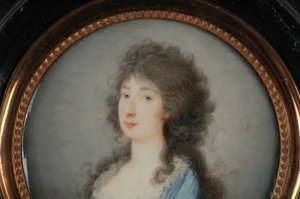
Wincenty Fryderyk de Lesserowicz
1745 - 1813 , Polen
Kurzinfos
- Artistic Movement Or Style: Pointillismus
- Artists Who Influenced This Artist:
- Marcello Bacciarelli
- Josef Grassi
- Jan Chrycijiel Lampi
- Date Of Birth: 1745
- Full Name: Wincenty Fryderyk de Lesseur
- Nationality: Polnisch
- Notable Artworks:
- Drei Mädchen
- Peter Paul Rubens mit seiner Frau
- Porträt eines jungen Mädchens
- Place Of Birth: Warsaw, Polen
Ähnliche Artikel

Crimson Threads of Narrative: Exploring Symbolism & Representation in Artworks Featuring the Red Dress
Explore the rich symbolism of the red dress in art history! From ancient power displays to iconic portraits like Cézanne’s 'Madame Cezanne', discover the cultural and artistic significance behind this captivating color. Expert analysis & insights.
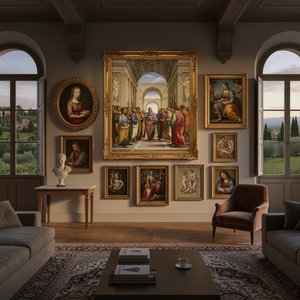
Raphael: Die 25 Meisterwerke des Renaissance-Genies – Kunst für Ihr Zuhause
Entdecken Sie die 25 schönsten Meisterwerke von Raphael! Tauchen Sie ein in die Welt der Renaissance-Kunst, erfahren Sie faszinierende Geschichten und lassen Sie sich von den Farben und Kompositionen inspirieren. Hochwertige Reproduktionen auf ArtsDot.com.
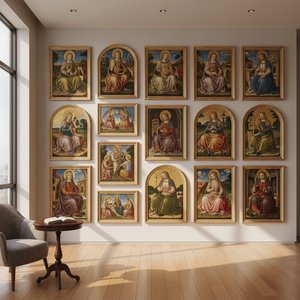
Fra Angelico: Die 25 Meisterwerke des italienischen Frührenaissance-Malers | ArtsDot
Entdecken Sie die 25 schönsten Meisterwerke von Fra Angelico! Erleben Sie religiöse Kunst der italienischen Renaissance, himmlische Fresken & Panelgemälde. Finden Sie hochwertige Kunstdrucke und Reproduktionen für Ihr Zuhause auf ArtsDot.com.
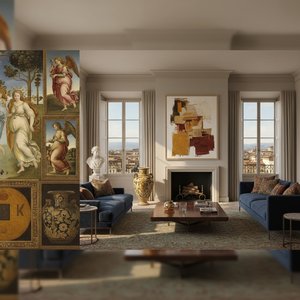
Die 25 Meisterwerke der Uffizien: Kunstgeschichte für Ihr Zuhause | ArtsDot
Entdecken Sie die 25 berühmtesten Meisterwerke der Uffizien, Florenz! Von Botticelli bis Leonardo da Vinci – Kunstgeschichte erleben. Hochwertige Reproduktionen & Inspiration für Ihr Zuhause auf ArtsDot.com.
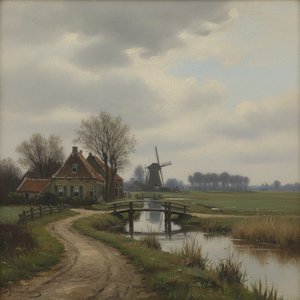
Jacob Henricus Maris: Meister des niederländischen Stimmungsrealismus und der intimen Landschaft
Entdecken Sie das Werk von Jacob Henricus Maris, einem Meister des niederländischen Stimmungsrealismus! Erfahren Sie mehr über seine Landschaftsmalerei, Einflüsse und berühmte Gemälde. Jetzt lesen & inspirieren lassen!

