

 Vorschau anzeigen
 Versenden
 Teilen
 Details anzeigen

 Herunterladen
 Ähnliche Objekte
 Röntgenaufnahme
 Diashow
 Statistiken
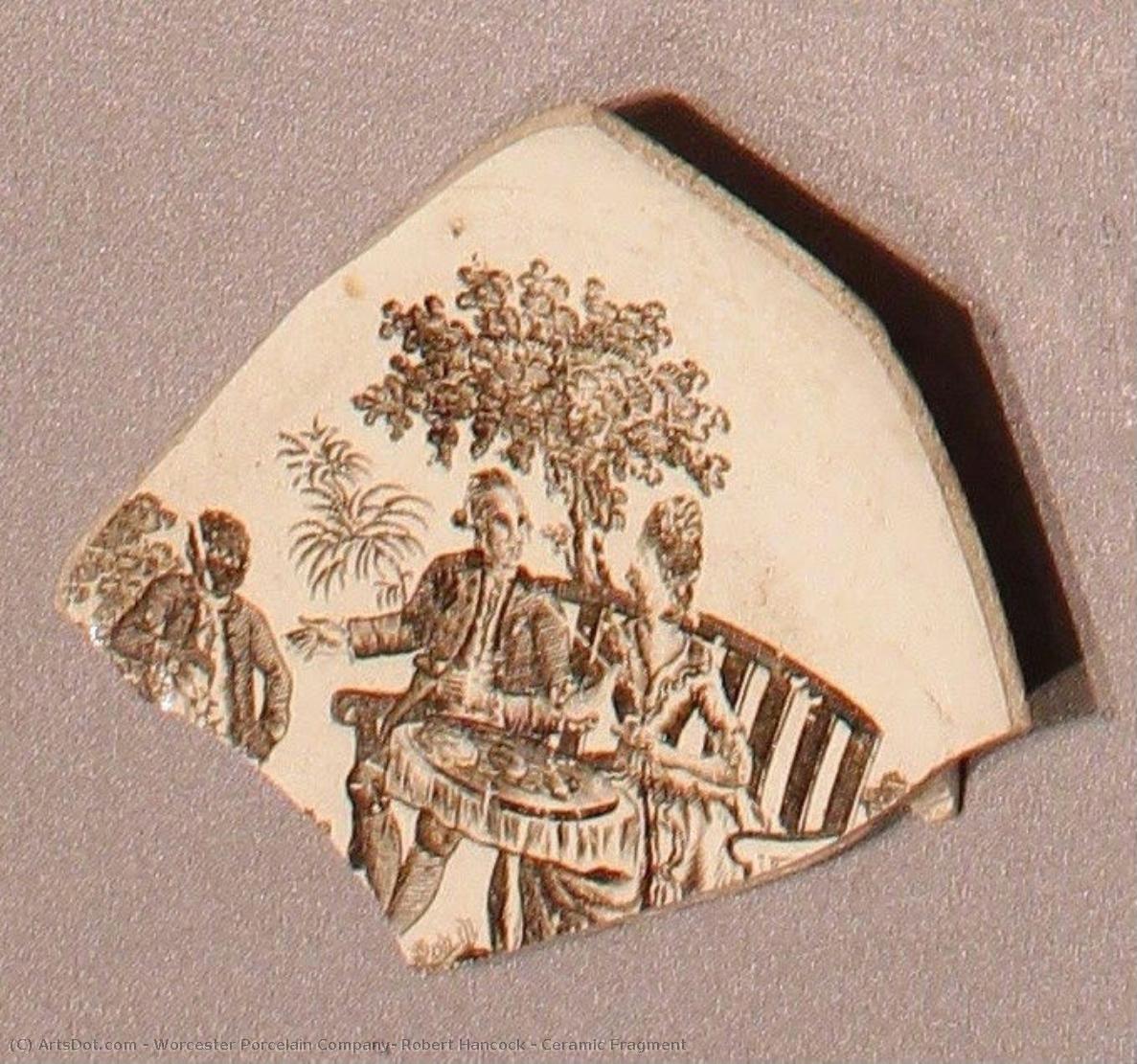
Ceramic Fragment


 Weiterlesen
Handgefertigte Ölreproduktion
Handgemaltes Ölgemälde auf Leinwand in Ihrer Wunschgröße und mit Rahmen, auf Bestellung von unseren Künstlern angefertigt. ( Zu Druck wechseln Zum digitalen Bild wechseln)




































Wählen Sie aus unseren vordefinierten Formaten, die den ursprünglichen Proportionen des Kunstwerks entsprechen.

Sie können Ihre eigenen Maße eingeben, um einen bestimmten Rahmen oder Platz auszufüllen. Wenn die gewählte Größe nicht den Proportionen des Originalbildes entspricht, werden wir das Kunstwerk entweder beschneiden oder das Gemälde durch zusätzliche, handgemalte Elemente erweitern. Ein digitales Mockup wird Ihnen zur Genehmigung zugesandt, bevor die Produktion beginnt.
Bitte beachten Sie, dass die Bildschirmvorschau nicht die tatsächliche Beschneidung oder Erweiterung widerspiegelt. Nur das Mockup zeigt die endgültige Komposition exakt an.
Obwohl Sondermaße verfügbar sind, empfehlen wir, eine Größe aus der vordefinierten Liste zu wählen, um die ursprünglichen Proportionen beizubehalten.
Nach der Bestellung wird das ArtsDot.com-Team dem Kunden Anweisungen per E-Mail zusenden und eine Mockup-Vorschau bereitstellen.
Weltweiter Versand () in nur 3 bis 4 Wochen statt der üblichen 5 Wochen. (9 September). Keine Kompromisse bei der Qualität.

Kostenloser weltweiter Expressversand

Hochwertige Leinenleinwand

Umfassender Versicherungsschutz beim Versand

Zollgebühren-Rückerstattungsgarantie

Garantie für exakte Farbtreue

100-Tage-Rückgaberecht (nur bei Mängeln)

100% Geld-zurück-Garantie

Mengenrabatt verfügbar
 Die Glasoption ist nur für Größen unter 110 cm verfügbar.

Ceramic Fragment
Art der Reproduktion
Format der Reproduktion
-


Gesamtpreis
$ 263
Ähnliche Kunstwerke









Über den Künstler
The Legacy of Porcelain and Craft
To speak of the Worcester Porcelain Company and the artistry associated with names like Robert Hancock is to delve into a storied era of English decorative excellence. While modern eyes might seek the abstract energy found in contemporary interpretations, the true historical essence of this name lies in the delicate, meticulous world of fine ceramics. The lineage of Worcester porcelain represents one of the most prestigious chapters in the history of British craftsmanship, tracing its roots back to the mid-1 embe 18th century when pioneers sought to replicate the elusive beauty of Oriental soft-paste porcelain.
The origins of this artistic tradition are deeply embedded in the industrial and creative landscape of Worcester, England. Established around 1751, the factory emerged from a period of intense scientific and artistic experimentation. The pursuit of a perfect porcelain body was not merely a commercial endeavor but a profound chemical and aesthetic challenge. As the company evolved through various iterations—including the celebrated Royal Worcester era—it became synonymous with luxury, elegance, and an unparalleled mastery of glaze and form. The work produced during this time served as a testament to the skill of individual makers and the collective vision of the manufactory.
Mastery of Form and Decoration
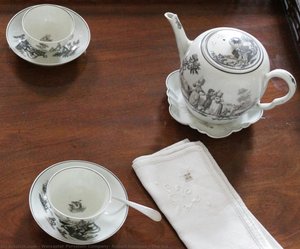
The artistry found within the Worcester tradition is characterized by a breathtaking attention to detail and a sophisticated use of color. Whether examining a delicate tea set or a singular ceramic fragment, one can observe the profound influence of classical motifs blended with the burgeoning botanical interests of the era. The decorators of the Worcester works were masters of their medium, utilizing techniques such as transfer printing and hand-painted floral arrangements to breathe life into clay.
The development of these works often reflected the shifting tastes of the European aristocracy. Throughout the 18th and 19th centuries, the porcelain transitioned from heavy, experimental bodies to refined, translucent wares that could capture the light with ethereal grace. Key elements of their artistic repertoire included:
- Intricate Floral Compositions: The use of botanical accuracy to create lifelike garden scenes on porcelain surfaces.
- Gilded Accents: The application of fine gold leaf to highlight the contours of elegant silhouettes.
- Transfer Print Precision: A technological advancement that allowed for complex, repeatable patterns of immense detail.
- Soft-paste Mastery: The unique chemical composition that gave Worcester pieces their distinctively smooth and luminous texture.
Historical Significance and Enduring Influence
The historical significance of the Worcester porcelain tradition extends far beyond the confines of a single factory. It represents a pivotal moment in the history of the decorative arts, where science and art converged to create objects of immense cultural value. The company’s ability to maintain a royal warrant and sustain its reputation for luxury through centuries of industrial change is a remarkable feat of artistic endurance. Even as production moved away from the original heart of Worcester, the aesthetic standards set by the early masters continued to influence global ceramic design.
Today, the legacy of these works lives on in museums and private collections worldwide. The pieces serve as windows into the Victorian and Georgian eras, reflecting the social hierarchies, botanical fascinations, and technological triumphs of their time. To study the work associated with the Worcester Porcelain Company is to witness the evolution of a medium—from the experimental shards of the mid-1700s to the polished, world-renowned masterpieces that define the pinnacle of English porcelain art.
Kurzinfos
- Artistic Movement Or Style: English porcelain painting
- Date Of Death: Living
- Full Name: Worcester Porcelain Company, Robert Hancock