

 Vorschau anzeigen
 Versenden
 Teilen
 Details anzeigen

 Herunterladen
 Ähnliche Objekte
 Röntgenaufnahme
 Diashow
 Statistiken
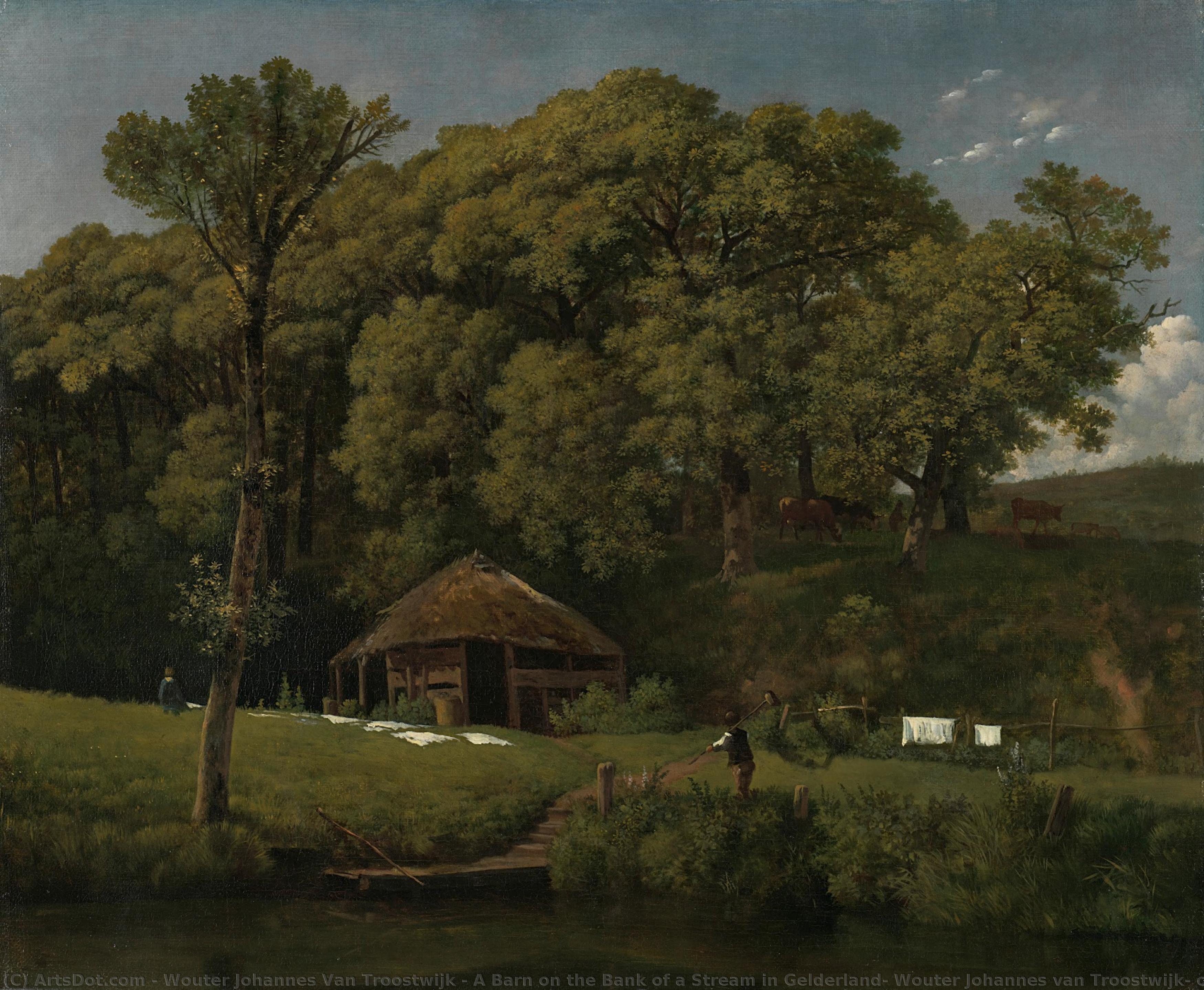
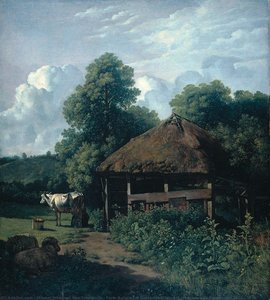
A Barn on the Bank of a Stream in Gelderland, Wouter Johannes van Troostwijk, c. 1805 - c. 1810
 Romanticism
 1810
1810 53.0 x 63.0 cm
 Weiterlesen
Erwerben Sie ein hochauflösendes, optimiertes digitales Bild, das der Online-Vorschau weit überlegen ist.
Jede Datei wird von unseren hauseigenen Spezialisten mit modernsten Werkzeugen und fachmännischer manueller Retusche sorgfältig vorbereitet. Wir stellen sicher, dass jedes Bild eine außergewöhnliche Klarheit, präzise Farbgenauigkeit und feinste Details aufweist.
Die endgültige Datei wird innerhalb von 72 Stunden per E-Mail zugestellt und ist für den sofortigen Einsatz in professionellen, redaktionellen und Druckumgebungen optimiert. Es handelt sich um dieselbe Qualität, der führende Designstudios, Verlage und Galerien vertrauen.
Digitales Bild
Laden Sie eine hochauflösende Datei für die persönliche Präsentation, den Druck und kreative Projekte herunter. ( Zu Druck wechseln Handgemalte Reproduktion bestellen)
In jeder Bestellung digitaler Bilder enthalten
Professionelle digitale Bereitstellung, garantiert
Wenn Sie sich für ArtsDot.com entscheiden, erhalten Sie nicht nur ein Bild – Sie erhalten ein professionell aufbereitetes digitales Kunstwerk, das mit höchster Präzision erstellt und durch eine Zufriedenheitsgarantie abgesichert wird. Hier ist alles, was automatisch mit Ihrer Bestellung geliefert wird:

Schnelle E-Mail-Zustellung
Ihre hochauflösende digitale Bilddatei wird Ihnen innerhalb von 72 Stunden nach der Bestellung per E-Mail zugestellt – bereit zur sofortigen Verwendung.

KI-optimierte digitale Datei
Ihre Kunstwerke werden professionell mithilfe fortschrittlicher KI-Tools und manueller Bearbeitung optimiert, um maximale Detailtreue, Klarheit und Farbgenauigkeit zu gewährleisten.

Lebenslanger kostenloser Neudruckservice
Datei versehentlich gelöscht oder verloren? Keine Sorge – wir senden sie Ihnen jederzeit kostenlos erneut zu.

Keine Einfuhrgebühren – jemals
Genießen Sie Ihr Kunstwerk sofort ohne Zollgebühren, Einfuhrabgaben oder Versandkosten – digitale Downloads sind immer steuerfrei.

Garantierte Farbtreue
Wir garantieren, dass Ihr digitales Bild mithilfe professioneller Werkzeuge und Farbmanagement die Originalfarben so präzise wie möglich wiedergibt.

100-Tage-Zufriedenheitsgarantie
Wenn Sie mit Ihrem digitalen Bild nicht zufrieden sind, werden wir es überarbeiten oder 100% innerhalb von 100 Tagen erstatten – ohne Wenn und Aber.

100% Geld-zurück-Garantie
Nicht zufrieden? Erhalten Sie innerhalb von 100 Tagen nach Erhalt Ihrer digitalen Datei eine vollständige Rückerstattung – ohne Wenn und Aber.

Rabatte bei Großbestellungen
3 Bilder kaufen, 10% sparen – 5 Bilder kaufen, 15% sparen – Ab 10 Bildern 20% sparen. Ideal für kreative Projekte, Galerien und Agenturen.
Ähnliche Kunstwerke
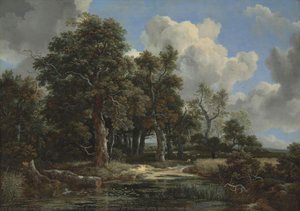
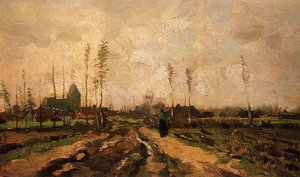
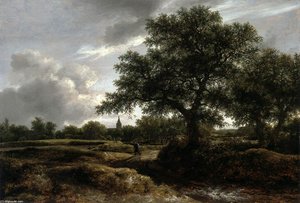
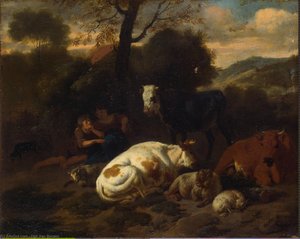
Biografie des Künstlers
A Life Captured in Light and Shadow
The story of Wouter Johannes van Troostwijk is one of profound brilliance interrupted by tragic brevity. Born in Amsterdam in 1782, Van Troostwijk emerged from a household where the boundaries between art and science were beautifully blurred. His father, Adriaan Paets, was a man of significant intellect—a cloth merchant whose true legacy lay in his contributions to chemistry and physics. This environment, filled with visiting scientists and the rigorous pursuit of natural truth, instilled in the young artist an early fascination with the mechanics of the natural world. It was not merely about seeing nature, but understanding its essence, a drive that would later manifest in his meticulous depictions of the Dutch countryside.
Van Troostwijk’s journey into the heart of the Dutch landscape began with the guidance of masters. His prodigious talent for drawing led him to the tutelage of Anthonie Andriessen and Juriaan Andriessen, brothers who were pillars of the contemporary art scene. This foundational training provided him with the technical rigor necessary to translate the fleeting nuances of light onto canvas. By 1803, his formal studies at the Amsterdam Municipal Academy of Drawing had solidified a vision that was both technically precise and emotionally resonant. His ascent within the artistic community was swift; his membership in the prestigious Felix Meritis Society and the receipt of two distinguished medals served as early heralds of a career that promised to redefine the Dutch landscape tradition.
The Legacy of the Masters
To understand the soul of Van Troostwijk’s work, one must look back to the titans of the Dutch Golden Age. He did not merely imitate the past; he breathed new life into its established techniques. The influence of Paulus Potter is unmistakable in his treatment of animals, particularly cattle, where a profound sensitivity to texture and form brings a sense of living weight to every creature. Yet, it was the atmospheric mastery of Jacob van Ruisdael that perhaps most deeply informed his spirit. From Ruisdael, Van Troostwijk learned the art of the sky—how to use light and shadow to create a sense of infinite depth and movement within a single frame.
His development as an artist was characterized by a commitment to what would later be known as en plein aire painting. He sought the truth of the moment, often venturing into the elements to capture the precise atmosphere of a scene. This dedication came at a heavy cost. It is whispered in art history that his life was cut short by a sudden illness—a cold caught while sketching outdoors under the cover of night. Dying in 1810 at the tender age of twenty-eight, he left behind a body of work that serves as a bridge between the classical traditions of the seventeenth century and the burgeoning naturalism of the nineteenth.
A Visionary of the Dutch Landscape
The breadth of Van Troostwijk’s oeuvre reflects a dual fascination with the pastoral and the urban. His landscapes, often set in regions like Gelderland, are masterclasses in narrative stillness. In works such as A Barn on the Bank of a Stream, he captures the quiet industry of rural life—the drying of linens on a lawn or the steady movement of cattle—with an eye for both detail and atmosphere. Conversely, his cityscapes, such as his evocative depiction of The Raampoortje in Amsterdam, reveal a romantic's heart, capturing the wintry, snow-dusted streets of his home city with a sense of nostalgic grandeur.
Ultimately, Wouter Johannes van Troostwijk remains a trailblazer. He was part of a generation of young artists who looked at the Dutch landscape with fresh, unburdened eyes, stripping away artifice to find the raw beauty of the land. His significance lies not just in his technical skill as a painter and etcher, but in his ability to infuse the familiar—a cow in a field, a gate in a city, a farm building in the sun—with a sense of scientific wonder and poetic grace. Though his time was fleeting, his impact on the Dutch artistic landscape remains etched in the very light he so lovingly pursued.
wouter johannes van troostwijk
1782 - 1810 , Niederlande
Kurzinfos
- Artistic Movement Or Style: Romantik; Inspiriert von Potter & Ruisdael
- Artists Or Movements Influenced By This Artist: ['Spätere niederländische Maler']
- Artists Who Influenced This Artist:
- Paulus Potter
- Jacob van Ruisdael
- Date Of Birth: Amsterdam, Niederlande (1782)
- Date Of Death: Amsterdam, Niederlande (1810)
- Full Name: Wouter Johannes van Troostwijk
- Nationality: Niederlande
- Notable Artworks:
- Ein Bauernhaus am Fluss Gelderland
- Bauerngebäude in Gelderland
- Place Of Birth: Amsterdam