

 Vorschau anzeigen
 Versenden
 Teilen
 Details anzeigen

 Herunterladen
 Ähnliche Objekte
 Röntgenaufnahme
 Diashow
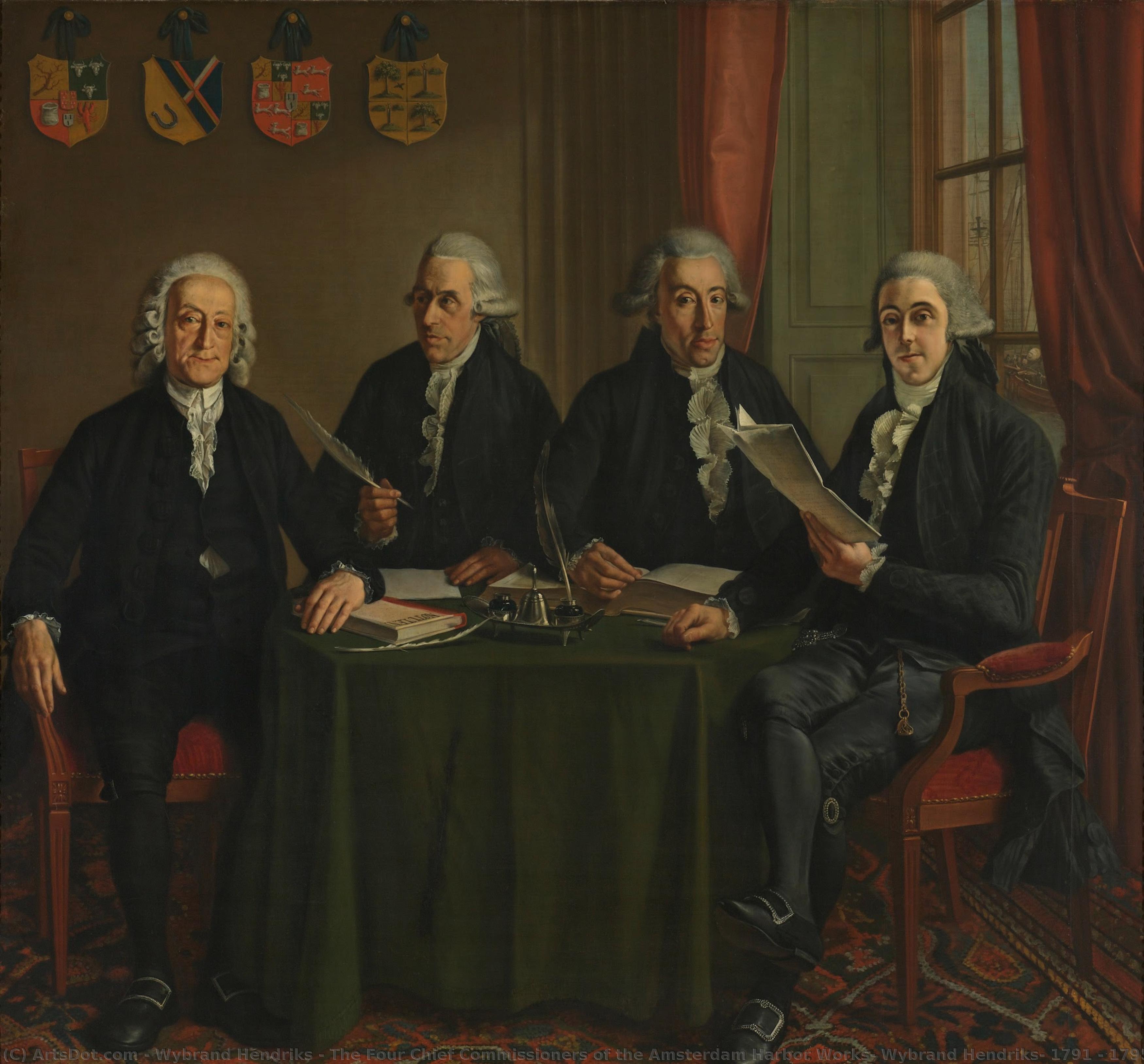
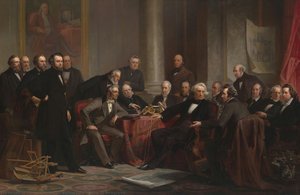
The Four Chief Commissioners of the Amsterdam Harbor Works, Wybrand Hendriks, 1791 - 1795
 1795
1795 199.0 x 213.0 cm
 Weiterlesen
Erwerben Sie ein hochauflösendes, optimiertes digitales Bild, das der Online-Vorschau weit überlegen ist.
Jede Datei wird von unseren hauseigenen Spezialisten mit modernsten Werkzeugen und fachmännischer manueller Retusche sorgfältig vorbereitet. Wir stellen sicher, dass jedes Bild eine außergewöhnliche Klarheit, präzise Farbgenauigkeit und feinste Details aufweist.
Die endgültige Datei wird innerhalb von 72 Stunden per E-Mail zugestellt und ist für den sofortigen Einsatz in professionellen, redaktionellen und Druckumgebungen optimiert. Es handelt sich um dieselbe Qualität, der führende Designstudios, Verlage und Galerien vertrauen.
Digitales Bild
Laden Sie eine hochauflösende Datei für die persönliche Präsentation, den Druck und kreative Projekte herunter. ( Druck bestellen Handgemalte Reproduktion bestellen)
In jeder Bestellung digitaler Bilder enthalten
Professionelle digitale Bereitstellung, garantiert
Wenn Sie sich für ArtsDot.com entscheiden, erhalten Sie nicht nur ein Bild – Sie erhalten ein professionell aufbereitetes digitales Kunstwerk, das mit höchster Präzision erstellt und durch eine Zufriedenheitsgarantie abgesichert wird. Hier ist alles, was automatisch mit Ihrer Bestellung geliefert wird:

Schnelle E-Mail-Zustellung
Ihre hochauflösende digitale Bilddatei wird Ihnen innerhalb von 72 Stunden nach der Bestellung per E-Mail zugestellt – bereit zur sofortigen Verwendung.

KI-optimierte digitale Datei
Ihre Kunstwerke werden professionell mithilfe fortschrittlicher KI-Tools und manueller Bearbeitung optimiert, um maximale Detailtreue, Klarheit und Farbgenauigkeit zu gewährleisten.

Lebenslanger kostenloser Neudruckservice
Datei versehentlich gelöscht oder verloren? Keine Sorge – wir senden sie Ihnen jederzeit kostenlos erneut zu.

Keine Einfuhrgebühren – jemals
Genießen Sie Ihr Kunstwerk sofort ohne Zollgebühren, Einfuhrabgaben oder Versandkosten – digitale Downloads sind immer steuerfrei.

Garantierte Farbtreue
Wir garantieren, dass Ihr digitales Bild mithilfe professioneller Werkzeuge und Farbmanagement die Originalfarben so präzise wie möglich wiedergibt.

60-Tage-Zufriedenheitsgarantie
Sollten Sie mit Ihrem digitalen Bild nicht zufrieden sein, werden wir es überarbeiten oder Ihnen innerhalb von 60 Tagen 100% erstatten – ohne Wenn und Aber.

100% Geld-zurück-Garantie
Nicht zufrieden? Erhalten Sie innerhalb von 60 Tagen nach Erhalt Ihrer digitalen Datei eine vollständige Rückerstattung – ohne Angabe von Gründen.

Rabatte bei Großbestellungen
3 Bilder kaufen, 10% sparen – 5 Bilder kaufen, 15% sparen – Ab 10 Bildern 20% sparen. Ideal für kreative Projekte, Galerien und Agenturen.
Ähnliche Kunstwerke






Biografie des Künstlers
A Life Dedicated to Art and Preservation: Wybrand Hendriks
Wybrand Hendriks, born in 1744, was a Dutch artist whose life unfolded as a fascinating intersection of artistic creation and dedicated stewardship of cultural heritage. While perhaps not a household name like some of his contemporaries, Hendriks carved a unique niche for himself through his sensitive portraiture, evocative landscapes, and, crucially, his long tenure as curator of the esteemed Teylers Museum in Haarlem. His story is one of quiet dedication, bridging the gap between the traditions of 18th-century Dutch painting and the burgeoning museum culture of the late Enlightenment and early 19th century. Hendriks’s artistic journey began within a family deeply rooted in sculpture; both his brothers, Hendrik Jr. and Frans, followed their father's path, as did his sister Cornelia through marriage to sculptor Rijk Rijke. However, Wybrand chose the medium of paint, initially honing his skills while employed at the decorative wallpaper factory of Johannes Remmers in Amsterdam. This early experience likely instilled in him a keen eye for detail and an understanding of color and pattern—qualities that would become hallmarks of his work.From Wallpaper to Portraiture: Early Artistic Development
In 1772, Hendriks took a decisive step towards independence by purchasing a wallpaper company from Anthony Palthe, son of Gerhard Jan Palthe. This venture proved pivotal not only financially but also personally. In 1775, he married Palthe’s widow, Agatha Ketel, whom he immortalized in a poignant mourning portrait in 1773—a work that reveals his burgeoning talent for capturing psychological depth and emotional nuance. A later painting of Agatha seated across from him at a table (likely within the Fundatiehuis) further demonstrates his intimate connection with his subject matter and his ability to convey a sense of quiet domesticity. This period also saw Hendriks embark on a formative trip to England and Belgium, undoubtedly exposing him to diverse artistic styles and broadening his perspective. He served a five-year term as one of the directors of the Haarlemse Tekenacademie (Haarlem Drawing Academy) in the 1780s, indicating his growing involvement within the local art community and his commitment to fostering artistic education.The Curator’s Eye: Teylers Museum and a Legacy of Collection Building
Hendriks's most enduring contribution came with his appointment as concierge ("kastelein") of Teylers Stichting in Haarlem in 1785, a position he held until 1819. Living at the "Fundatiehuis," he became curator of the museum’s burgeoning art collection—a role that transformed him from artist to guardian of artistic treasures. He succeeded Vincent Jansz van der Vinne, who had left due to disagreements with Martin van Marum, the head of the fossil and instrument collections. Hendriks meticulously maintained and restored the existing pieces while actively expanding the collection through participation in auctions throughout the Netherlands. His dedication was instrumental in securing one of Teylers Museum’s most prized acquisitions: the Odescalchi Collection of 1700 Italian drawings, purchased from the estate of Queen Christina of Sweden in 1790 with support from the Vereniging Rembrandt. This collection, featuring masterpieces by Michelangelo and Raphael, remains a cornerstone of the museum's holdings today.A Subtle Influence: Style and Historical Significance
Hendriks’s own artistic style is characterized by a serene realism and a delicate attention to detail. His portraits are not grand displays of wealth or power but rather intimate studies of character—capturing the inner lives of his sitters with sensitivity and grace. His landscapes, while less numerous, often depict tranquil scenes imbued with a sense of atmospheric perspective and subtle light effects. While he didn’t pioneer radical new techniques, Hendriks possessed a refined skill in capturing likenesses and conveying mood. His historical significance lies not so much in groundbreaking innovation but in his role as a bridge between artistic practice and the preservation of cultural heritage. He embodied the values of the Enlightenment—a commitment to reason, observation, and the importance of collecting and disseminating knowledge. Through his work at Teylers Museum, he helped establish a model for public art institutions that continues to shape our understanding of art history today. He was a quiet force in the Dutch art world, leaving behind a legacy not only through his paintings but also through the invaluable collection he nurtured.- Sensitive portraiture and evocative landscapes
- Long tenure as curator of Teylers Museum
- Acquisition of the Odescalchi Collection
- Bridging artistic practice with cultural preservation
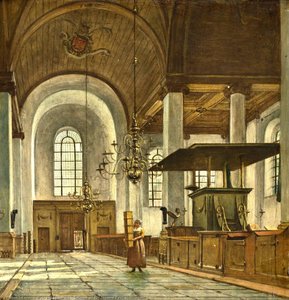
Wybrand Hendriks
1744 - 1831

