 Vorschau anzeigen
 Versenden
 Teilen
 Details anzeigen

 Herunterladen
 Ähnliche Objekte
 Röntgenaufnahme
 Diashow
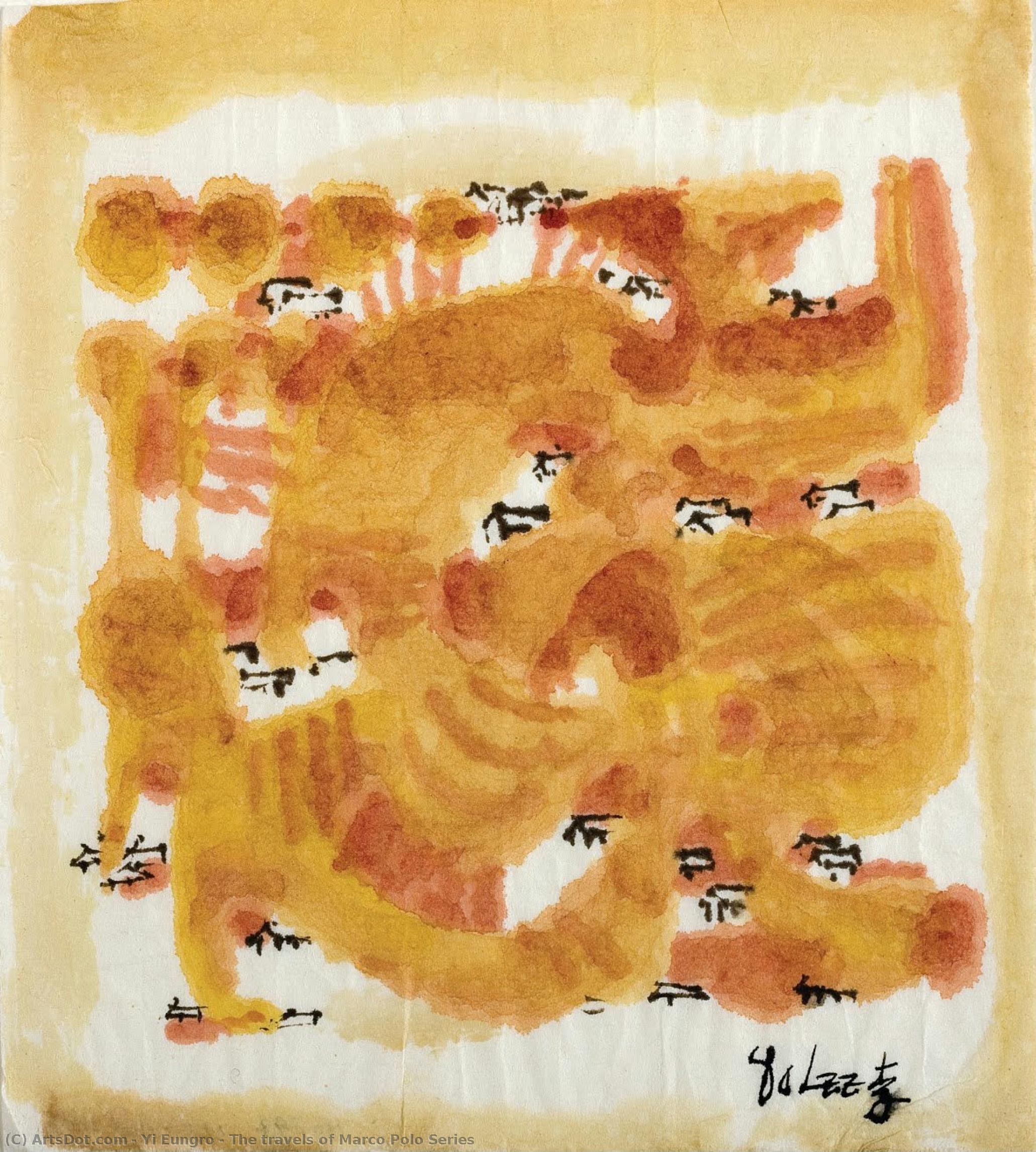
The travels of Marco Polo Series
 Painting
 1980
1980 17.0 x 15.0 cm
 Lee Ungno Museum
 Weiterlesen
Giclée / Kunstdruck
Giclée- oder Leinwanddruck in Museumsqualität mit schneller Produktion und flexiblen Veredelungsoptionen. ( Handgemalte Reproduktion bestellen Bild kaufen)




P118B $10

P118H $10

P118W $10

P438Z $10

P508JH $12

P508YH $12

P805H $10

P805Z $10

P919BZ $10

P919G $10

P919XJ $10

P959ZH $10

P968JZ $12

W106C $8

W218G $10

W218JH $8

W218Y $10

W307PJ $10

W316G $10

W316PJ $8

W316Y $10

W398PJ $8

W4111J $10

W500HY $15

W500JH $15

W692G $12

W849H $8

W940BG $15

W953PJ $8




Wählen Sie aus unseren vordefinierten Formaten, die den ursprünglichen Proportionen des Kunstwerks entsprechen.

Sie können Ihre eigenen Maße eingeben, um ein bestimmtes Format oder einen speziellen Platz einzupassen. Wenn das von Ihnen gewählte Format nicht den Proportionen des Originalbildes entspricht, werden wir das Kunstwerk entweder beschneiden oder das Bild mit einem gespiegelten oder einfarbigen Rand erweitern. Ein digitaler Entwurf wird Ihnen zur Genehmigung zugesandt, bevor die Produktion beginnt.
Bitte beachten Sie, dass die Vorschau auf dem Bildschirm nicht den tatsächlichen Zuschnitt oder die Erweiterung widerspiegelt. Nur der Entwurf zeigt die endgültige Komposition präzise an.
Obwohl Sondermaße verfügbar sind, empfehlen wir die Auswahl eines Maßes aus der vordefinierten Liste, um die ursprünglichen Proportionen zu bewahren.
Weltweiter Versand () innerhalb von 2 Wochen statt der üblichen 4/5 Wochen. (23 August)

Kostenloser weltweiter Expressversand

Hochwertige Leinenleinwand

Umfassender Versicherungsschutz beim Versand

Zollgebühren-Rückerstattungsgarantie

Garantie für exakte Farbtreue

60 Tage Rückgaberecht (nur bei Mängeln)

100% Geld-zurück-Garantie

Mengenrabatt verfügbar
 Die Glasoption ist nur für Größen unter 110 cm verfügbar.

The travels of Marco Polo Series
Giclée / Kunstdruck
Format der Reproduktion
-


Gesamtpreis
$ 62
Sammlerstück-Beschreibung
A Journey Between Worlds: Interpreting Marco Polo's Echoes
This captivating piece draws its rich thematic wellspring from The travels of Marco Polo Series, a monumental body of work conceived by the masterful Korean-French artist, Yi Eungro. Far more than a mere depiction, this painting functions as a visual memoir—a dreamlike cartography of an unknown world viewed through the sophisticated lens of East Asian perspective meeting European curiosity. The very essence of the series speaks to cultural exchange and the boundless yearning for discovery. When one gazes upon it, one is not simply looking at paint on canvas; one is traversing the imagined routes between continents, a dialogue rendered in pigment.
The Visionary Landscape and Exotic Fauna
The composition itself is an intricate tapestry of life and mystery. Dominating the foreground, or perhaps emerging from the dense foliage, is a magnificent yellow dragon accented with vibrant red—a creature steeped in potent symbolism across Asian cultures. This mythical beast shares its space with a scattering of placid cows and several elegantly rendered horses. The arrangement feels both spontaneous and meticulously orchestrated, suggesting a moment captured deep within an exotic forest setting. It is this juxtaposition—the powerful mythic animal alongside the familiar domesticate—that lends the scene its captivating narrative tension.
Mastery in Perspective: East Meets West
Technically, the painting showcases Yi Eungro’s unique genius for blending disparate artistic traditions. The artist employs a distinctive bird's-eye view, characteristic of grand East Asian landscape painting, which allows the viewer to survey vast distances. Notice how the triangular forms—suggesting distant islands or receding mountain ranges—diminish in scale as they move toward the horizon, creating an exquisite illusion of deep space and profound distance. Interspersed among these natural elements are small architectural red figures, deliberately drawn to evoke unfamiliar East Asian structures as perceived by a European traveler. This careful melding of perspectives is the hallmark of the series.
Symbolism and Emotional Resonance for the Modern Collector
For the collector or designer seeking an object imbued with narrative depth, this reproduction offers more than mere decoration; it offers contemplation. The dragon symbolizes power and fortune, while the journey itself speaks to personal exploration and the embracing of the unknown. Owning this piece is inviting a sense of global wanderlust into your space. It whispers tales of ancient trade routes, cultural misunderstanding, and ultimate artistic synthesis. Its vibrant yet harmonious palette ensures it serves as an immediate focal point, lending an air of sophisticated, worldly romance to any interior setting.
Ähnliche Kunstwerke
Über den Künstler
Early Life and Training
Yi Eungro (이응노), born January 12, 1904, in Hongseong County, Chungcheongnam-do Province, South Korea, possessed an innate fascination for art from a young age. He diligently pursued classical Chinese studies under his father’s guidance and enrolled at Hongseong Botong Hakyo (홍성보통학교, 홍城초등학교, 洪城普通學校) for his primary education—a formative experience that instilled in him the foundational principles of Korean scholarship and artistic tradition. Recognizing his ambition to become a painter, he abandoned formal schooling to dedicate himself to mastering brushwork and ink wash techniques under Yeomjae Song Tae-hoe (예마재 송태호), a celebrated calligrapher-painter-photographer who profoundly shaped his artistic vision. This mentorship proved instrumental in establishing him as a student of the Haegang Style, which emphasized capturing the essence of nature through subtle brushstrokes and harmonious compositions.Artistic Career in Korea and Japan
Lee Ungno’s professional journey commenced in Seoul in 1922, where he apprenticed under Kim Gyujin (김규진), a luminary of Korean art who championed innovation within established traditions. He honed his skills primarily through the study of Haegang Style, focusing on portraying bamboo—specifically Mukjuk (묵죽, 墨竹, ink bamboo)—with meticulous detail and expressive nuance. This dedication culminated in a prestigious award at the 3rd Annual Joseon Art Exhibition, marking his debut into the Korean art scene and solidifying his commitment to artistic excellence. Throughout the colonial period, Lee consistently garnered recognition for his contributions to Korean art, demonstrating unwavering perseverance and artistic integrity. However, he harbored a conviction that Korean ink painters needed to transcend conventional boundaries and embrace modern influences—a belief that fueled his experimentation with new stylistic approaches. In the early 1930s, Lee began producing landscapes infused with inspiration from Western-style paintings and naturalistic renderings, signaling a pivotal shift toward incorporating broader artistic perspectives. He actively sought to synthesize Eastern mediums and brushstrokes with Western compositional principles, reflecting an intellectual curiosity that propelled him beyond traditional stylistic constraints. His exploration of Japanese art techniques during his time in Tokyo further broadened his artistic horizons.International Recognition and Later Life
Following extensive training in Korean ink wash painting—a cornerstone of Korean cultural heritage—Lee embarked on a transformative path toward mastering Western painting methods. His works from the 1950s showcased daring attempts to fuse Eastern aesthetics with Western perspective, demonstrating an unwavering commitment to artistic innovation. Recognizing his potential for groundbreaking achievement, he relocated to France in 1958, establishing himself as a prominent figure within the international art community. Lee Ungno’s artistic output during this period centered on abstract ink collages and monumental crowd paintings—pieces that captured the dynamism of urban life and challenged conventional notions of representation. These works cemented his legacy as one of Korea's foremost pioneers in abstract expressionism, leaving an indelible mark on the trajectory of modern Korean art.Notable Achievements
Lee Ungno’s artistic accomplishments extended beyond mere stylistic experimentation; he actively fostered artistic education through Hongik University and founded Goam Misul Yeonguso (Go암 미술연구소), nurturing young talent and disseminating knowledge about Eastern art traditions. His publication of “Dongyanghwa Gamsang Gippeok” (동양화 감상 기법, The Impression and the Techniques of Oriental Painting) in 1956 served as a seminal text for aspiring artists—a testament to his dedication to preserving and promoting Korean artistic heritage. Furthermore, he established Académie de Peinture Orientale de Paris in the 1960s, fostering intercultural dialogue and enriching the artistic landscape of Europe. Lee Ungno’s unwavering commitment to artistic excellence and intellectual curiosity ensured that he would be remembered as a transformative figure within Korean art history.
이응노
1904 - 1989 , Korea
Kurzinfos
- Artistic Movement Or Style: Orientalismus und Moderne Kunst
- Artists Or Movements Influenced By This Artist: ['Haegang Stil']
- Artists Who Influenced This Artist: ['Yeomjae Song Tae-hoe']
- Date Of Birth: 1904
- Date Of Death: 1989
- Full Name: Yi Eungro (Lee Ungno)
- Nationality: Koreanisch-Französisch
- Notable Artworks: ['Komposition']
- Place Of Birth: Seoul, Südkorea
Ähnliche Artikel
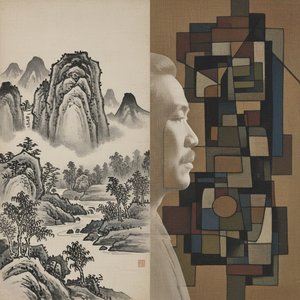
Yi Eungro: Bridging East & West in the Landscape of Korean Modernism
Explore the captivating world of Yi Eungro (Lee Ungno), a pivotal figure in Korean modernism. Discover his unique fusion of Eastern and Western artistic traditions, abstract masterpieces, and lasting legacy. A must-read for discerning art collectors.
Chromgelb in der Kunstgeschichte: Die 10 berühmtesten Gemälde & ihre Meister
Entdecken Sie die 10 berühmtesten Gemälde, dominiert von der leuchtenden Farbe Chromgelb! Von Van Gogh bis Monet – erfahren Sie Geschichten hinter Meisterwerken & finden Sie Ihre perfekte Kunst-Reproduktion auf ArtsDot.com.
Die Top 10 berühmter Gemälde im Gelbocherton – Kunst für Ihr Zuhause |
Entdecken Sie die Top 10 berühmter Gemälde, dominiert von warmen Gelbochtönen! Von Van Gogh bis Monet – erfahren Sie die Geschichten hinter den Meisterwerken und lassen Sie sich für Ihre Wohnraumgestaltung inspirieren. Hochwertige Kunstdrucke auf
The Golden Hue: Exploring Symbolism & Emotion in Yellow Art
Explore the rich symbolism & emotional power of yellow in art history! From Van Gogh to Kandinsky, discover how artists used this vibrant hue. Expert analysis & high-quality reproductions at ArtsDot.
Benjamin West: Transatlantische Ambitionen und die Gestaltung der amerikanischen Kunst
Entdecken Sie das faszinierende Leben und Werk von Benjamin West, dem Pionier der amerikanischen Kunst! Erfahren Sie mehr über seinen Einfluss auf den Neoklassizismus und die Förderung junger Künstler in Europa. Jetzt lesen!