 Vorschau anzeigen
 Versenden
 Teilen
 Details anzeigen

 Herunterladen
 Ähnliche Objekte
 Röntgenaufnahme
 Diashow
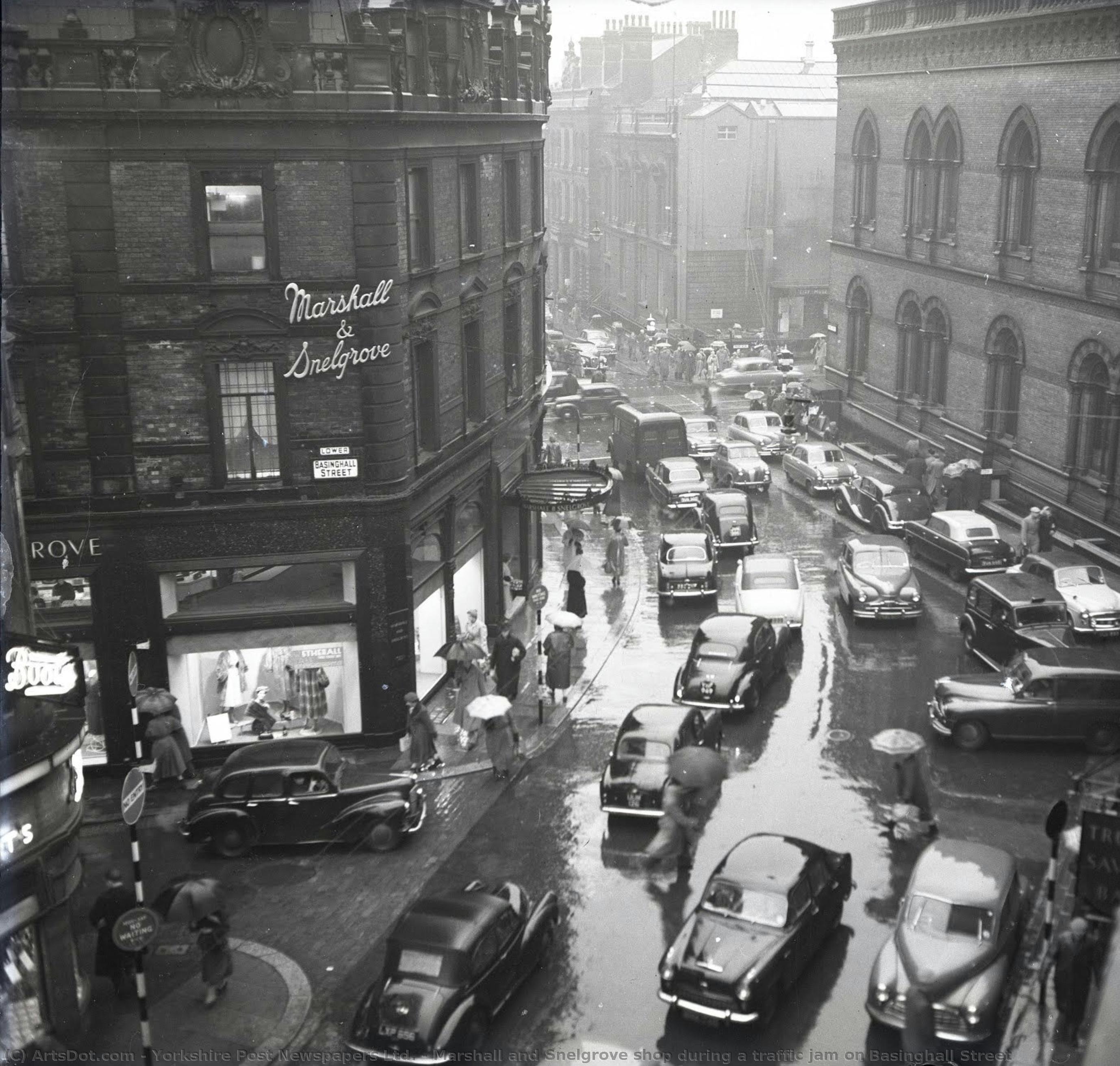
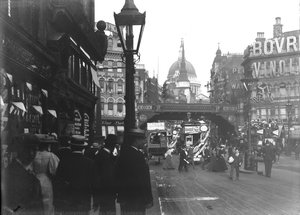
Marshall and Snelgrove shop during a traffic jam on Basinghall Street


 Weiterlesen
Erwerben Sie ein hochauflösendes, optimiertes digitales Bild, das der Online-Vorschau weit überlegen ist.
Jede Datei wird von unseren hauseigenen Spezialisten mit modernsten Werkzeugen und fachmännischer manueller Retusche sorgfältig vorbereitet. Wir stellen sicher, dass jedes Bild eine außergewöhnliche Klarheit, präzise Farbgenauigkeit und feinste Details aufweist.
Die endgültige Datei wird innerhalb von 72 Stunden per E-Mail zugestellt und ist für den sofortigen Einsatz in professionellen, redaktionellen und Druckumgebungen optimiert. Es handelt sich um dieselbe Qualität, der führende Designstudios, Verlage und Galerien vertrauen.
Digitales Bild
Laden Sie eine hochauflösende Datei für die persönliche Präsentation, den Druck und kreative Projekte herunter. ( Druck bestellen Handgemalte Reproduktion bestellen)
In jeder Bestellung digitaler Bilder enthalten
Professionelle digitale Bereitstellung, garantiert
Wenn Sie sich für ArtsDot.com entscheiden, erhalten Sie nicht nur ein Bild – Sie erhalten ein professionell aufbereitetes digitales Kunstwerk, das mit höchster Präzision erstellt und durch eine Zufriedenheitsgarantie abgesichert wird. Hier ist alles, was automatisch mit Ihrer Bestellung geliefert wird:

Schnelle E-Mail-Zustellung
Ihre hochauflösende digitale Bilddatei wird Ihnen innerhalb von 72 Stunden nach der Bestellung per E-Mail zugestellt – bereit zur sofortigen Verwendung.

KI-optimierte digitale Datei
Ihre Kunstwerke werden professionell mithilfe fortschrittlicher KI-Tools und manueller Bearbeitung optimiert, um maximale Detailtreue, Klarheit und Farbgenauigkeit zu gewährleisten.

Lebenslanger kostenloser Neudruckservice
Datei versehentlich gelöscht oder verloren? Keine Sorge – wir senden sie Ihnen jederzeit kostenlos erneut zu.

Keine Einfuhrgebühren – jemals
Genießen Sie Ihr Kunstwerk sofort ohne Zollgebühren, Einfuhrabgaben oder Versandkosten – digitale Downloads sind immer steuerfrei.

Garantierte Farbtreue
Wir garantieren, dass Ihr digitales Bild mithilfe professioneller Werkzeuge und Farbmanagement die Originalfarben so präzise wie möglich wiedergibt.

60-Tage-Zufriedenheitsgarantie
Sollten Sie mit Ihrem digitalen Bild nicht zufrieden sein, werden wir es überarbeiten oder Ihnen innerhalb von 60 Tagen 100% erstatten – ohne Wenn und Aber.

100% Geld-zurück-Garantie
Nicht zufrieden? Erhalten Sie innerhalb von 60 Tagen nach Erhalt Ihrer digitalen Datei eine vollständige Rückerstattung – ohne Angabe von Gründen.

Rabatte bei Großbestellungen
3 Bilder kaufen, 10% sparen – 5 Bilder kaufen, 15% sparen – Ab 10 Bildern 20% sparen. Ideal für kreative Projekte, Galerien und Agenturen.
Ähnliche Kunstwerke







Biografie des Künstlers
The Enigmatic Vision of Agnes Martin
Agnes Martin, a name synonymous with subtle power and quietude in the realm of abstract art, was born in 1912 in Macklin, Saskatchewan, Canada – a landscape that would indelibly shape her artistic sensibility. Her early life was marked by a nomadic existence, moving frequently across the Canadian prairies and later to the United States. This rootlessness, coupled with a challenging childhood and a persistent struggle with schizophrenia, fostered an introspective nature and a deep yearning for order and peace. Martin’s path to becoming a celebrated artist wasn't direct; she studied art at Columbia University in New York, but found herself disillusioned with the prevailing artistic currents of the time. A period spent working as a private tutor and later pursuing various odd jobs underscored her independent spirit and refusal to conform to conventional expectations. It was only after relocating to Taos, New Mexico, in 1949 that she began to seriously dedicate herself to painting, though even then, her artistic voice remained nascent, evolving through explorations of biomorphic abstraction influenced by the work of Georgia O'Keeffe and early Surrealism.From Biomorphism to Grids: A Search for Transcendence
The 1950s witnessed a crucial shift in Martin’s artistic approach. Dissatisfied with the emotional intensity of her earlier works, she began to pare down her compositions, gradually eliminating representational elements and embracing a minimalist aesthetic. This transition wasn't merely stylistic; it was driven by a profound philosophical quest. Martin sought to create paintings that weren't *about* anything, but rather *were* something – pure embodiments of feeling and experience. She famously described her work as representing “innocence,” a state untainted by the complexities and anxieties of modern life. Her move to New York in 1957 brought her into contact with key figures of the burgeoning abstract expressionist movement, including Barnett Newman and Ad Reinhardt. However, she resisted being categorized within this school, forging her own unique path towards abstraction. By the early 1960s, Martin had arrived at her signature style: delicate grids rendered in pale colors – often shades of gray, pink, and blue – on large-scale canvases. These weren’t precise, mathematically calculated structures; rather, they were hand-drawn with subtle imperfections, imbued with a sense of organic warmth and human touch. The faint lines, barely visible at times, seemed to shimmer and breathe, inviting contemplation and evoking a feeling of spaciousness and serenity.The Desert Years: Isolation and Artistic Maturity
In 1967, at the height of her career, Martin made a radical decision: she abandoned New York City and embarked on a solitary journey across the American West, eventually settling in a remote cabin in New Mexico’s high desert. This self-imposed exile was not an act of retreat but rather a deliberate attempt to cultivate the inner stillness necessary for her artistic practice. Living a spartan existence, far removed from the art world's clamor and distractions, Martin devoted herself entirely to painting. The vastness and silence of the desert landscape became integral to her work, influencing its scale, color palette, and overall mood. During this period, she developed a distinctive working method: creating paintings in series, often revisiting similar compositions over many years, refining and perfecting her subtle variations. Her grids became increasingly ethereal and nuanced, exploring the delicate interplay between line, color, and space. She avoided overt symbolism or narrative content, believing that true art should transcend language and speak directly to the viewer’s emotions.Legacy and Historical Significance
Agnes Martin's influence on contemporary art is profound and far-reaching. Though she initially resisted recognition, her work gained increasing attention in the 1970s and 80s, establishing her as a leading figure of minimalist abstraction. She challenged conventional notions of artistic expression, demonstrating that powerful emotional impact could be achieved through restraint and subtlety. Her paintings are not about grand gestures or dramatic statements; they are about quiet contemplation, inner peace, and the search for transcendence.- Minimalism's Quiet Core: Martin’s work is central to understanding the development of minimalism, offering a counterpoint to the more geometric and industrial approaches of artists like Donald Judd and Sol LeWitt.
- Feminist Perspectives: Her rejection of traditional artistic conventions and her focus on personal experience have resonated with feminist art critics who see her work as a powerful expression of female subjectivity.
- Influence on Subsequent Generations: Martin’s emphasis on process, materiality, and emotional resonance has inspired countless artists working in abstraction and beyond.