

 Vorschau anzeigen
 Versenden
 Teilen
 Details anzeigen

 Herunterladen
 Ähnliche Objekte
 Röntgenaufnahme
 Diashow
 Statistiken
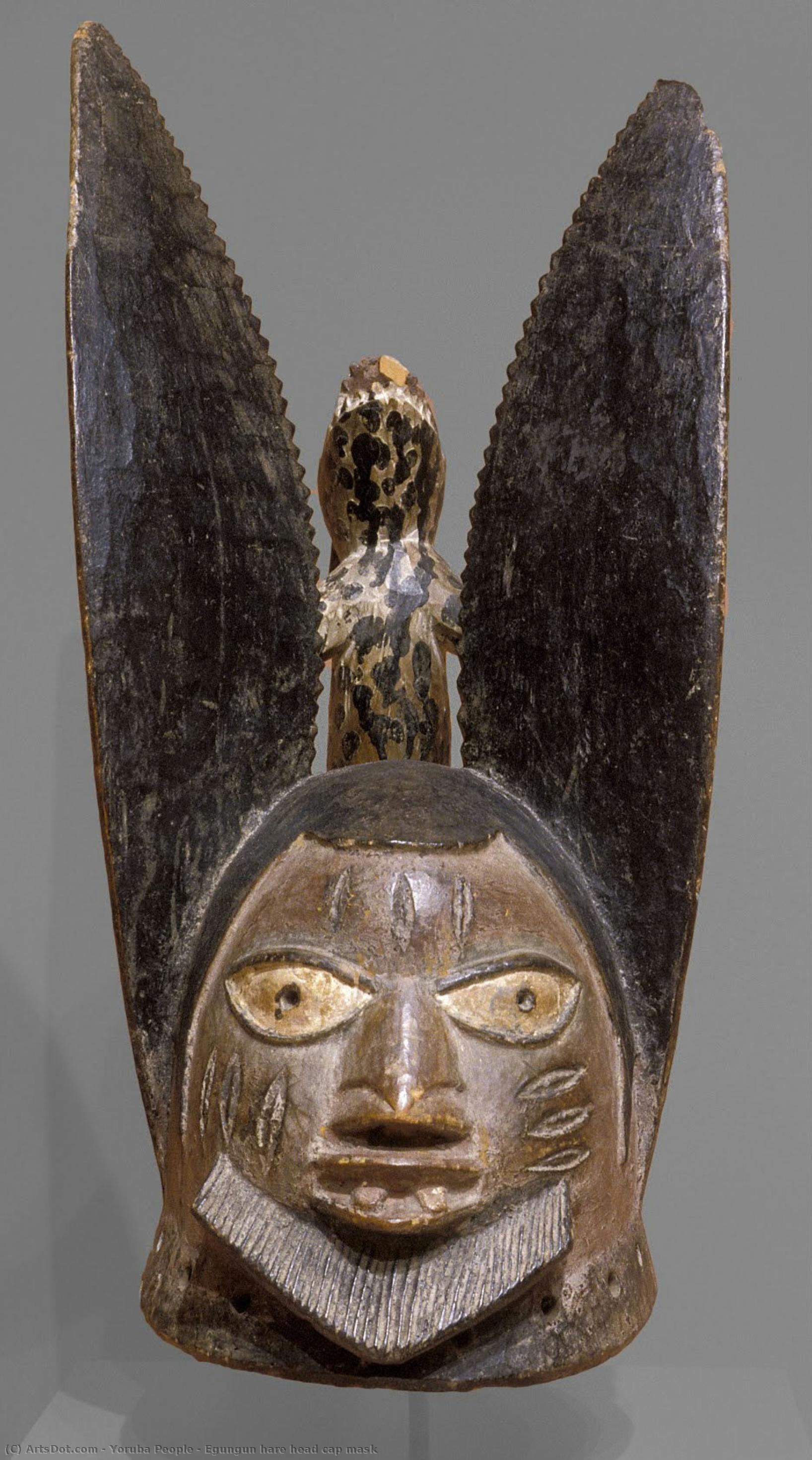
Egungun hare head cap mask


 Weiterlesen
Handgefertigte Ölreproduktion
Handgemaltes Ölgemälde auf Leinwand in Ihrer Wunschgröße und mit Rahmen, auf Bestellung von unseren Künstlern angefertigt. ( Zu Druck wechseln Zum digitalen Bild wechseln)




































Wählen Sie aus unseren vordefinierten Formaten, die den ursprünglichen Proportionen des Kunstwerks entsprechen.

Sie können Ihre eigenen Maße eingeben, um einen bestimmten Rahmen oder Platz auszufüllen. Wenn die gewählte Größe nicht den Proportionen des Originalbildes entspricht, werden wir das Kunstwerk entweder beschneiden oder das Gemälde durch zusätzliche, handgemalte Elemente erweitern. Ein digitales Mockup wird Ihnen zur Genehmigung zugesandt, bevor die Produktion beginnt.
Bitte beachten Sie, dass die Bildschirmvorschau nicht die tatsächliche Beschneidung oder Erweiterung widerspiegelt. Nur das Mockup zeigt die endgültige Komposition exakt an.
Obwohl Sondermaße verfügbar sind, empfehlen wir, eine Größe aus der vordefinierten Liste zu wählen, um die ursprünglichen Proportionen beizubehalten.
Nach der Bestellung wird das ArtsDot.com-Team dem Kunden Anweisungen per E-Mail zusenden und eine Mockup-Vorschau bereitstellen.
Weltweiter Versand () in nur 3 bis 4 Wochen statt der üblichen 5 Wochen. (8 September). Keine Kompromisse bei der Qualität.

Kostenloser weltweiter Expressversand

Hochwertige Leinenleinwand

Umfassender Versicherungsschutz beim Versand

Zollgebühren-Rückerstattungsgarantie

Garantie für exakte Farbtreue

100-Tage-Rückgaberecht (nur bei Mängeln)

100% Geld-zurück-Garantie

Mengenrabatt verfügbar
 Die Glasoption ist nur für Größen unter 110 cm verfügbar.

Egungun hare head cap mask
Art der Reproduktion
Format der Reproduktion
-


Gesamtpreis
$ 263
Ähnliche Kunstwerke








Über den Künstler
The Living Breath of Yoruba Artistry
To encounter the art of the Yoruba people is to step into a vibrant dialogue between the physical realm and the divine. Hailing from the ancestral lands of Yorubaland—a region spanning modern-day Nigeria, Benin, and Togo—this West African tradition represents one of the most enduring and spiritually profound artistic legacies on the continent. For the Yoruba, art is never a mere object of aesthetic contemplation; it is a vital conduit, a sacred vessel designed to bridge the gap between Olodumare, the supreme creator, and the human experience. Their creative output is deeply intertwined with a complex cosmology, where every carved line and painted motif serves to honor the Orishas—the powerful deities that govern the natural and spiritual worlds.
The essence of Yoruba sculpture lies in its ability to embody metaphysical truths through tangible form. Utilizing tools forged from iron ore—a material itself symbolic of transformation and strength—master sculptors have, for millennia, breathed life into wood, stone, and terracotta. This process is far more than technical labor; it is a ritualistic undertaking requiring immense reverence for the medium. The resulting works are often characterized by an exquisite balance of naturalism and stylized symbolism. One might observe figures adorned with intricate textiles that signify purity, or the recurring motif of twins, known as Ọmọ Odùduwà, which speaks to the profound Yoruba concepts of unity, duality, and the interconnectedness of life.
A Legacy of Symbolism and Sacred Form
The visual language of the Yoruba is a rich tapestry of iconography that communicates status, history, and spiritual energy. In the royal courts, art took on a monumental role, manifesting in elaborate beadwork for crowns, ceremonial staffs, and architectural wonders such as intricately carved veranda posts and gates. These objects were not merely decorations but assertions of authority and divine right. The use of vibrant colors and meticulous detail reflects the vitality of the Yoruba worldview, where even the smallest carving can pulse with ase—the life force that makes things happen.
Beyond the courtly arts, the tradition thrives through masking and shrine decorations, which are central to communal identity. The following elements are foundational to their artistic expression:
- Egungun Masks: Elaborate, multi-layered costumes and headpieces that represent the returning spirits of ancestors, bringing wisdom and protection to the community.
- Orisha Iconography: Specific sculptural attributes used to identify various deities, such as the tools or symbols associated with Shango or Oshun.
- Textile and Adornment: The integration of woven fabrics and intricate patterns that reflect social standing and spiritual readiness.
Masters of the Craft and Global Influence
While much of the early Yoruba artistic tradition was passed down through oral history and apprenticeship, the 20th century saw the emergence of individual masters who brought Yoruba aesthetics to the global stage. Artists such as Moshood Olúṣọmọ Bámigbóyè became legendary for their monumental works, particularly the Ẹpa masks, which serve as breathtaking displays of spiritual invocation and royal prestige. Similarly, the work of Thomas Ona Odulate demonstrated a remarkable ability to weave contemporary influences into the traditional Yoruba framework, ensuring the culture's evolution without losing its ancestral soul.
The historical significance of Yoruba art extends far beyond the borders of West Africa. Through the tragic history of the Atlantic slave trade, these artistic sensibilities traveled across the oceans, deeply influencing the spiritual and visual cultures of the African diaspora in Brazil, Cuba, and the Caribbean. Today, the legacy of the Yoruba people continues to resonate, standing as a testament to the power of art to preserve identity, celebrate divinity, and connect humanity to the eternal rhythms of the cosmos.
yoruba people
Nigeria
Kurzinfos
- Artistic Movement Or Style: Traditional Yoruba Sculpture
- Artists Or Movements Influenced By This Artist: ['']
- Artists Who Influenced This Artist: ['']
- Date Of Birth: ca. 1885–1975
- Full Name: Moshood Olúṣọmọ Bámigbóyè
- Nationality: Nigerian
- Notable Artworks: ['Ẹpa Masks']
- Place Of Birth: Nigeria