

 Vorschau anzeigen
 Versenden
 Teilen
 Details anzeigen

 Herunterladen
 Ähnliche Objekte
 Röntgenaufnahme
 Diashow
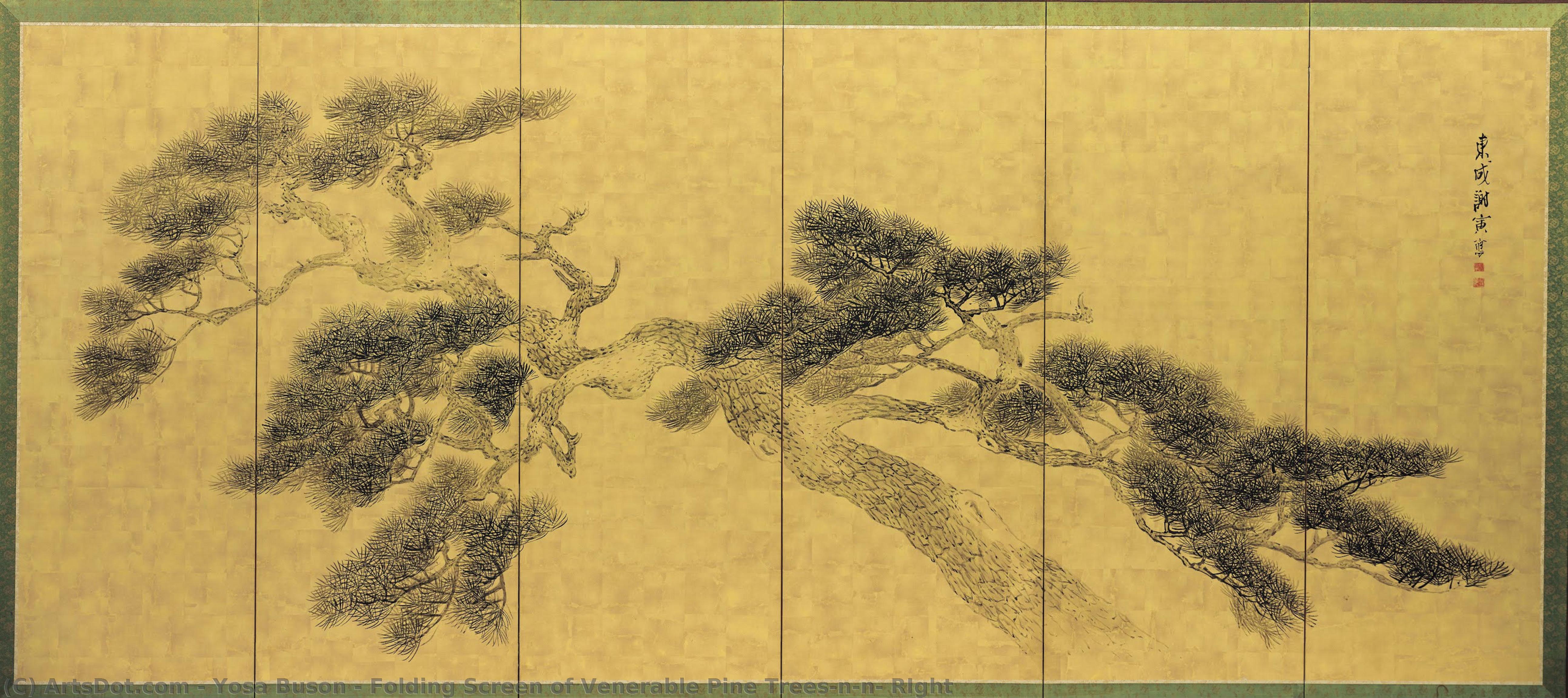
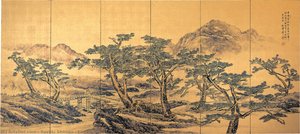
Folding Screen of Venerable Pine Trees\n\n- RIght


 Weiterlesen
Erwerben Sie ein hochauflösendes, optimiertes digitales Bild, das der Online-Vorschau weit überlegen ist.
Jede Datei wird von unseren hauseigenen Spezialisten mit modernsten Werkzeugen und fachmännischer manueller Retusche sorgfältig vorbereitet. Wir stellen sicher, dass jedes Bild eine außergewöhnliche Klarheit, präzise Farbgenauigkeit und feinste Details aufweist.
Die endgültige Datei wird innerhalb von 72 Stunden per E-Mail zugestellt und ist für den sofortigen Einsatz in professionellen, redaktionellen und Druckumgebungen optimiert. Es handelt sich um dieselbe Qualität, der führende Designstudios, Verlage und Galerien vertrauen.
Digitales Bild
Laden Sie eine hochauflösende Datei für die persönliche Präsentation, den Druck und kreative Projekte herunter. ( Druck bestellen Handgemalte Reproduktion bestellen)
In jeder Bestellung digitaler Bilder enthalten
Professionelle digitale Bereitstellung, garantiert
Wenn Sie sich für ArtsDot.com entscheiden, erhalten Sie nicht nur ein Bild – Sie erhalten ein professionell aufbereitetes digitales Kunstwerk, das mit höchster Präzision erstellt und durch eine Zufriedenheitsgarantie abgesichert wird. Hier ist alles, was automatisch mit Ihrer Bestellung geliefert wird:

Schnelle E-Mail-Zustellung
Ihre hochauflösende digitale Bilddatei wird Ihnen innerhalb von 72 Stunden nach der Bestellung per E-Mail zugestellt – bereit zur sofortigen Verwendung.

KI-optimierte digitale Datei
Ihre Kunstwerke werden professionell mithilfe fortschrittlicher KI-Tools und manueller Bearbeitung optimiert, um maximale Detailtreue, Klarheit und Farbgenauigkeit zu gewährleisten.

Lebenslanger kostenloser Neudruckservice
Datei versehentlich gelöscht oder verloren? Keine Sorge – wir senden sie Ihnen jederzeit kostenlos erneut zu.

Keine Einfuhrgebühren – jemals
Genießen Sie Ihr Kunstwerk sofort ohne Zollgebühren, Einfuhrabgaben oder Versandkosten – digitale Downloads sind immer steuerfrei.

Garantierte Farbtreue
Wir garantieren, dass Ihr digitales Bild mithilfe professioneller Werkzeuge und Farbmanagement die Originalfarben so präzise wie möglich wiedergibt.

60-Tage-Zufriedenheitsgarantie
Sollten Sie mit Ihrem digitalen Bild nicht zufrieden sein, werden wir es überarbeiten oder Ihnen innerhalb von 60 Tagen 100% erstatten – ohne Wenn und Aber.

100% Geld-zurück-Garantie
Nicht zufrieden? Erhalten Sie innerhalb von 60 Tagen nach Erhalt Ihrer digitalen Datei eine vollständige Rückerstattung – ohne Angabe von Gründen.

Rabatte bei Großbestellungen
3 Bilder kaufen, 10% sparen – 5 Bilder kaufen, 15% sparen – Ab 10 Bildern 20% sparen. Ideal für kreative Projekte, Galerien und Agenturen.
Details zum Sammlerstück
A Timeless Encounter with Nature's Resilience
In the quietude of the Fukuda Art Museum in Kyoto, there exists a window into the soul of the Edo period, captured through the brushstrokes of the legendary Yosa Buson. His Folding Screen of Venerable Pine Trees, dating from 1781, is not merely a depiction of flora, but a profound meditation on endurance and the passage of time. As one gazes upon the right panel of this exquisite work, the viewer is immediately transported to an era where the boundaries between poetry and painting were beautifully blurred. The pine tree, a perennial symbol of longevity and steadfastness in Japanese culture, stands as a silent protagonist against the delicate paper, its gnarled branches telling a story of survival through seasons unseen.
The artistry of Buson lies in his mastery of haiga—a sophisticated synthesis of haiku-like brevity and expressive ink wash. In this particular screen, the technique is nothing short of masterful. The artist employs a delicate balance of light and shadow, using varying densities of ink to create a sense of three-dimensional texture upon the flat surface. Each needle of the pine is rendered with a precision that suggests both strength and fragility, while the sweeping curves of the branches evoke a rhythmic, almost musical quality. This fluid movement guides the eye across the composition, inviting a contemplative pace that mirrors the slow, deliberate growth of the very trees it depicts.
The Poetic Essence of the Edo Period
To understand this masterpiece, one must understand the man behind the brush. Yosa Buson was a polymath of the 18th century, a poet whose verses were as evocative as his paintings. His ability to translate the ephemeral beauty of a moment into a permanent visual form is what makes this folding screen so captivating for the modern collector. The historical context of the late Edo period brings with it a refined aesthetic sensibility, where the appreciation for nature was deeply intertwined with Zen philosophies and the subtle nuances of seasonal change. This work embodies that spirit, offering a serene escape from the complexities of contemporary life.
For the discerning interior designer or art enthusiast, a high-quality reproduction of this screen offers more than just decoration; it provides an atmospheric anchor for a room. The muted tones and organic forms of the venerable pines lend themselves to spaces that prioritize tranquility, such as a minimalist study, a sophisticated lounge, or a serene bedroom sanctuary. When placed within a curated environment, the painting acts as a focal point of calm, inviting guests to pause and reflect. It is an investment in emotional resonance, bringing the quiet dignity of Japanese history and the enduring spirit of the natural world into the heart of the modern home.
Ähnliche Kunstwerke
Biografie des Künstlers
A Life Woven in Poetry and Paint: The World of Yosa Buson
Yosa Buson, born into a modest samurai family in 1716 in Kii Province (present-day Wakayama Prefecture), Japan, was not destined for the battlefield. Though his lineage carried with it certain expectations, Buson’s heart lay elsewhere – in the delicate art of poetry and the evocative power of painting. His early life was marked by financial hardship following his father's death, forcing him to seek opportunities beyond the traditional path. He initially pursued a career as a clerk, but this proved unsatisfying, fueling a growing desire to dedicate himself fully to artistic expression. This yearning led him on a journey that would ultimately establish him as one of the most celebrated masters of *haiga*, a genre blending haiku poetry with expressive ink wash painting, and a significant figure in Edo period art.The Blossoming of Haiga: A Synthesis of Art Forms
Buson’s artistic development was profoundly shaped by his immersion in the world of *haiku*. He wasn't merely writing poems; he sought to visually embody their essence, creating a harmonious fusion of word and image. He moved to Yosa (hence his name), where he continued honing his skills as a poet and began seriously pursuing painting around 1745. Unlike many artists who illustrated pre-existing poetry, Buson often composed the poem *specifically* to accompany his paintings – or vice versa. This unique approach elevated *haiga* from a secondary art form to one of independent artistic merit. His style was characterized by a refined simplicity and an acute sensitivity to nature. He didn’t aim for photographic realism; instead, he captured the mood, atmosphere, and underlying spirit of a scene with sparse brushstrokes and carefully chosen colors. His paintings often depicted landscapes, birds, flowers, and scenes from everyday life, imbued with a sense of quiet contemplation and subtle beauty.Influences: Tradition and Personal Vision
Buson’s artistic lineage is complex, drawing upon both traditional Japanese aesthetics and the influence of Chinese art. He studied classical painting styles, absorbing techniques and motifs from masters like Sesshū Tōyō and Bada Shanren. However, he wasn't simply a copyist. He skillfully adapted these influences to his own unique vision, infusing them with a distinctly Japanese sensibility. The poetry of Matsuo Bashō, the most famous haiku poet in history, was also a major source of inspiration. Buson admired Bashō’s ability to evoke profound emotions and insights through concise language and evocative imagery. He even traveled extensively throughout Japan, following in Bashō's footsteps, seeking to experience the same landscapes and capture the same spirit of *wabi-sabi* – the acceptance of transience and imperfection. Zen Buddhism, with its emphasis on intuition and direct experience, also played a crucial role in shaping Buson’s artistic philosophy.Major Achievements and Lasting Legacy
Buson's impact extended beyond his individual artworks. He actively promoted *haiga* as a legitimate art form, establishing schools and mentoring students. His most significant contribution was arguably the elevation of *haiku* poetry itself. By pairing his poems with compelling visuals, he demonstrated the power of this concise art form to convey complex emotions and profound insights. He published several influential anthologies of his work, including Seirōshū (Collection of Blue Roofs) and Yosa no Bushi (Poems from Yosa), which helped popularize *haiga* and inspire a new generation of artists and poets. His paintings are renowned for their delicate brushwork, subtle color palettes, and evocative atmosphere. He masterfully captured the essence of Japanese landscapes and everyday life, imbuing his works with a sense of quiet contemplation and profound beauty.Historical Significance: A Bridge Between Eras
Yosa Buson died in 1783, leaving behind a rich artistic legacy that continues to resonate today. He stands as a pivotal figure in the history of Japanese art, bridging the gap between traditional aesthetics and emerging modern sensibilities. His work reflects the cultural shifts of the Edo period – a time of relative peace and prosperity that fostered artistic innovation. He helped establish *haiga* as a respected art form, influencing countless artists and poets who followed in his footsteps. More than just an artist, Buson was a poet-painter, a traveler, and a philosopher whose work embodies the spirit of Zen Buddhism and the beauty of the natural world. His paintings and poems continue to be celebrated for their timeless elegance, subtle power, and profound insights into the human condition.- Master of Haiga: Revolutionized the genre by composing poetry specifically to accompany his paintings.
- Influence on Haiku: Elevated haiku poetry through visual representation, demonstrating its artistic potential.
- Zen Buddhist Philosophy: Infused his work with a sense of contemplation and acceptance of transience.
- Travel & Inspiration: Followed in the footsteps of Bashō, capturing the spirit of Japanese landscapes.
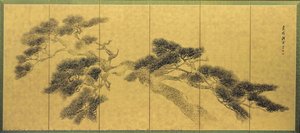
yosa buson
1716 - 1783

