

 Vorschau anzeigen
 Versenden
 Teilen
 Details anzeigen

 Herunterladen
 Ähnliche Objekte
 Röntgenaufnahme
 Diashow
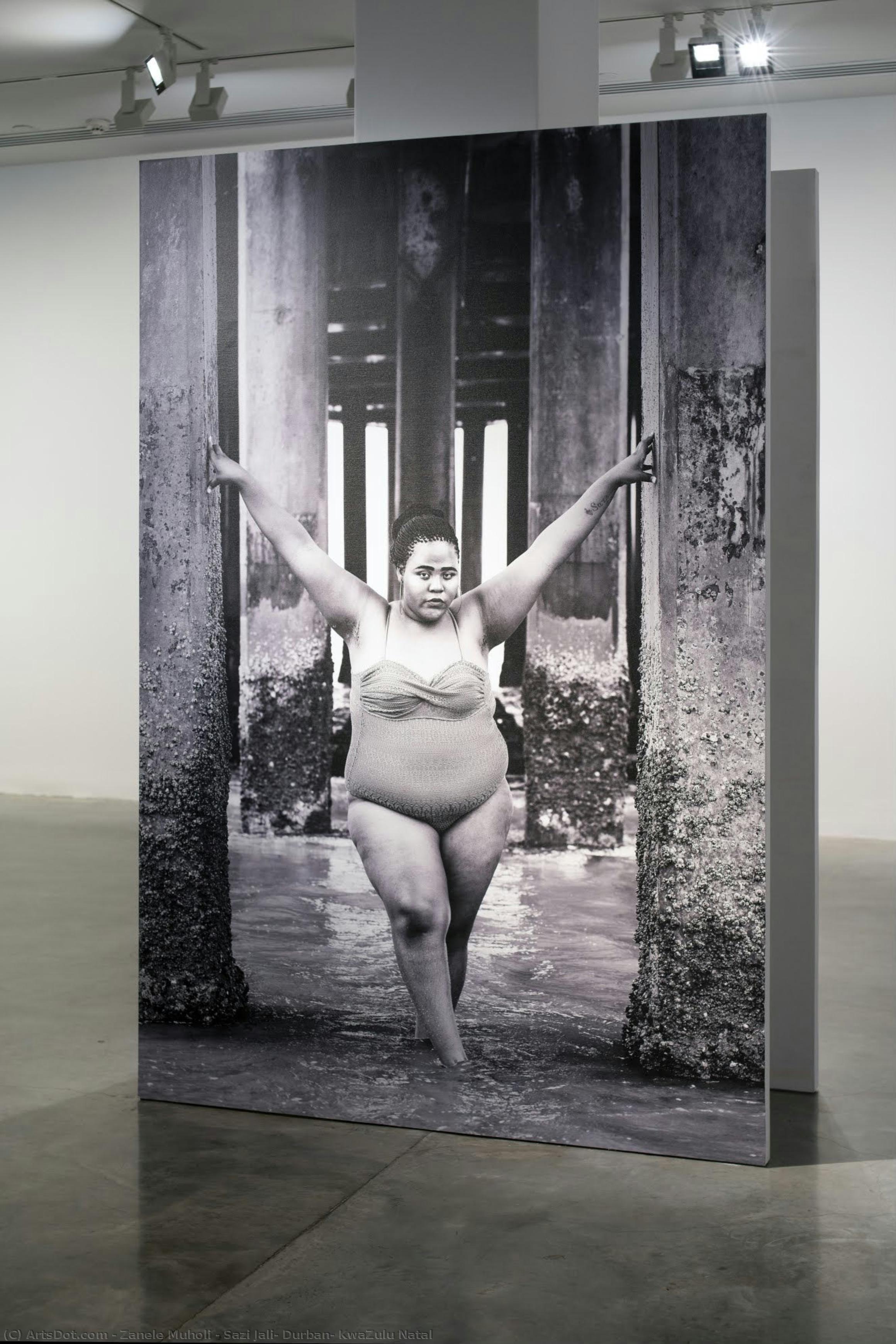
Sazi Jali, Durban, KwaZulu Natal
 Oil On Canvas
- WallArt
- Contemporary Realism
 2020
2020 200.0 x 132.0 cm
 Biennale of Sydney
 Weiterlesen
Giclée / Kunstdruck
Giclée- oder Leinwanddruck in Museumsqualität mit schneller Produktion und flexiblen Veredelungsoptionen. ( Handgemalte Reproduktion bestellen Bild kaufen)




P118B $10

P118H $10

P118W $10

P438Z $10

P508JH $12

P508YH $12

P805H $10

P805Z $10

P919BZ $10

P919G $10

P919XJ $10

P959ZH $10

P968JZ $12

W106C $8

W218G $10

W218JH $8

W218Y $10

W307PJ $10

W316G $10

W316PJ $8

W316Y $10

W398PJ $8

W4111J $10

W500HY $15

W500JH $15

W692G $12

W849H $8

W940BG $15

W953PJ $8




Wählen Sie aus unseren vordefinierten Formaten, die den ursprünglichen Proportionen des Kunstwerks entsprechen.

Sie können Ihre eigenen Maße eingeben, um ein bestimmtes Format oder einen speziellen Platz einzupassen. Wenn das von Ihnen gewählte Format nicht den Proportionen des Originalbildes entspricht, werden wir das Kunstwerk entweder beschneiden oder das Bild mit einem gespiegelten oder einfarbigen Rand erweitern. Ein digitaler Entwurf wird Ihnen zur Genehmigung zugesandt, bevor die Produktion beginnt.
Bitte beachten Sie, dass die Vorschau auf dem Bildschirm nicht den tatsächlichen Zuschnitt oder die Erweiterung widerspiegelt. Nur der Entwurf zeigt die endgültige Komposition präzise an.
Obwohl Sondermaße verfügbar sind, empfehlen wir die Auswahl eines Maßes aus der vordefinierten Liste, um die ursprünglichen Proportionen zu bewahren.
Weltweiter Versand () innerhalb von 2 Wochen statt der üblichen 4/5 Wochen. (3 September)

Kostenloser weltweiter Expressversand

Hochwertige Leinenleinwand

Umfassender Versicherungsschutz beim Versand

Zollgebühren-Rückerstattungsgarantie

Garantie für exakte Farbtreue

60 Tage Rückgaberecht (nur bei Mängeln)

100% Geld-zurück-Garantie

Mengenrabatt verfügbar
 Die Glasoption ist nur für Größen unter 110 cm verfügbar.

Sazi Jali, Durban, KwaZulu Natal
Giclée / Kunstdruck
Format der Reproduktion
-


Gesamtpreis
$ 62
Sazi Jali, Durban – A Window into Black Resilience
Zanele Muholi’s “Sazi Jali,” a captivating black and white photograph depicting a woman in a bathing suit standing on a Durban beach, is more than just a portrait; it's a powerful statement of identity, resilience, and the enduring spirit of the Black LGBTQIA+ community in South Africa. Captured in 2020, this image emerges from Muholi’s ongoing project, “Brave Beauties,” a series dedicated to celebrating and documenting the lives of trans women and gender non-conforming individuals within the country – figures often rendered invisible by societal prejudice and historical marginalization. The photograph isn't merely a depiction of a beach scene; it’s an act of reclamation, a deliberate assertion of presence in a landscape frequently dominated by narratives of exclusion.
Muholi’s artistic approach is deeply rooted in visual activism. They employ photography not as a passive recording of reality, but as a tool for social change – a means to challenge stereotypes, confront injustice, and amplify the voices of those historically silenced. The choice of black and white is particularly significant; it strips away superficial distractions, forcing the viewer to engage with the raw emotion and inherent dignity of the subject. The stark contrast emphasizes textures—the smooth curve of skin, the rough concrete of the supporting pilings, the subtle ripples of the ocean – drawing attention to the physicality and vulnerability of the woman’s stance.
Composition and Photographic Technique
The composition is strikingly centered, immediately establishing the subject as the focal point. The vertical lines created by the pilings in the background provide a structural counterpoint to the fluid curves of the woman's body, suggesting both stability and movement. This deliberate arrangement creates a sense of intimacy, inviting the viewer into a private moment while simultaneously acknowledging the broader context of her existence within South African society. Muholi’s technique is characterized by a directness and immediacy – a commitment to capturing authentic moments without manipulation or embellishment. The photograph appears to be taken with a large-format camera, lending it a substantial presence and emphasizing the scale of the subject's form.
The lighting is natural and diffused, casting soft shadows that subtly define the contours of her body and highlighting the texture of her skin. This gentle illumination contributes to the photograph’s overall mood – one of quiet strength and understated beauty. The use of a matte paper for printing further enhances the image's tonal range, minimizing glare and allowing the subtle nuances of light and shadow to fully emerge.
Symbolism and Emotional Resonance
The outstretched arms of the woman in “Sazi Jali” are particularly evocative. They can be interpreted as a gesture of openness, an invitation to connection, or even a defiant assertion of self-acceptance in the face of societal judgment. Considering the historical context of apartheid South Africa – a system built on racial segregation and enforced conformity – this posture carries profound significance. It represents a refusal to shrink from visibility, a bold declaration of presence within a space where Black LGBTQIA+ individuals have historically been denied recognition and respect.
The photograph’s emotional impact is deeply resonant. It speaks to themes of body positivity, self-love, and the importance of representation – particularly for marginalized communities. Muholi's work challenges conventional beauty standards and celebrates diversity in all its forms. “Sazi Jali” isn’t simply a portrait; it’s a testament to the enduring power of the human spirit and a poignant reminder of the ongoing struggle for equality and justice.
Historical Context & Further Exploration
To fully appreciate "Sazi Jali," it's crucial to understand Zanele Muholi’s broader body of work. Their project “Brave Beauties” emerged in response to the pervasive violence and discrimination faced by Black trans women in South Africa, a reality exacerbated by the legacy of apartheid and ongoing socio-economic inequalities. Muholi’s photographs serve as both documentation and advocacy, raising awareness of these issues while simultaneously celebrating the resilience and beauty of those who navigate these challenging circumstances.
Further research into Zanele Muholi's work can be found through links such as: Google Arts & Culture and ArtsDot. Exploring these resources provides a deeper understanding of Muholi’s artistic vision and the powerful social commentary embedded within her work.
Ähnliche Kunstwerke





Über den Künstler
Zanele Muholi: Ein Leben im visuellen Aktivismus
Zanele Muholi ist eine südafrikanische visuelle Aktivistin und Fotografin, geboren am 19. Juli 1972 in Umlazi, Südafrika. Sie identifiziert sich als nichtbinär und verwendet sie/ihnen Pronomen. Muholis Werk dokumentiert eindrücklich das Leben von schwarzen LGBTQI+ Einzelpersonen in Südafrika und stellt gesellschaftliche Normen in Frage sowie für Sichtbarkeit und Gleichberechtigung einsteht.
Frühes Leben und künstlerische Anfänge
Muholis Weg in die Kunst begann mit einem autodidaktischen Ansatz in der Fotografie. Anfangs konzentrierte sie sich darauf, das Alltagsleben innerhalb ihrer Gemeinschaft zu dokumentieren, erkannte aber schnell die Macht der visuellen Darstellung als Werkzeug für sozialen Wandel. Angesichts von Diskriminierung und Gewalt vor Ort befeuerte Muholis Engagement dafür, Bilder zu schaffen, die die Würde und Menschlichkeit marginalisierter Individuen bestätigen.
Künstlerische Entwicklung & Schlüsselthemen
Muholis künstlerischer Praxis umfassen Fotografie, Video und Installationkunst. Ihre Arbeiten sind durch einen direkten und intimen Ansatz gekennzeichnet, oft mit Porträts von schwarzen lesbischen, schwulen, trans- und intergeschlechtlichen (LGBTQI+) Menschen. Schlüsselthemen, die in ihrer Kunst erforscht werden, umfassen:
- Identität und Selbstdarstellung
- Rasse und Rassismus
- Geschlecht und Sexualität
- Soziale Gerechtigkeit und Aktivismus
- Erinnerung und Gedenken
Muholis frühe Arbeiten konzentrierten sich darauf, das Leben schwarzer Lesben in Südafrika zu dokumentieren, einer Gemeinschaft, die mit hohen Raten von Gewalt und Diskriminierung konfrontiert war. Dies entwickelte sich zu breiteren Erkundungen der Geschlechtsnonkonformität und sexuellen Vielfalt.
Bekannte Werke & Serien
Mehrere Serien definieren Muholis künstlerische Produktion:
- Faces and Phases: Ein langjähriges fotografisches Projekt, das das Leben, die Lieben und Verluste schwarzer LGBTQI+ Einzelpersonen in Südafrika dokumentiert.
- Somnyama Ngonyama (“Hail the Dark Lioness”): Eine Serie von Selbstporträts, bei der Muholi dramatische Beleuchtung und gefundene Gegenstände verwendet, um Themen wie Schönheit, Rasse und Darstellung zu erforschen. Diese Serie ist besonders bedeutsam für ihre kraftvolle visuelle Sprache und ihre Kritik an kolonialen Ästhetiken.
- Brave Beauties: Feiert die Widerstandsfähigkeit und Stärke schwarzer Frauen in Südafrika.
Einflüsse & Künstlerischer Stil
Während Muholi weitgehend autodidaktisch ist, schöpft sie Inspiration aus einer Reihe von Quellen, darunter:
- Dokumentarfotografische Traditionen
- Aktivistische Kunstbewegungen
- Die Lebenserfahrungen der Gemeinschaften, die sie repräsentieren
Muholis Stil ist durch seine Direktheit, Intimität und unerschrockene Blicke gekennzeichnet. Sie arbeitet oft mit ihren Sujets zusammen, um sicherzustellen, dass ihre Stimmen und Perspektiven im Mittelpunkt des Werks stehen.
Wichtige Errungenschaften & Anerkennungen
Zanele Muholi hat zahlreiche Auszeichnungen und Anerkennungen für ihr bahnbrechendes Werk erhalten, darunter:
- Der Infinity Award vom International Center of Photography (2016)
- Chevalier de l'Ordre des Arts et des Lettres (Frankreich, 2016)
- Ehrenamtliches Fellowship der Royal Photographic Society (2018)
Im Jahr 2023 hatte Muholi eine Retrospektiveausstellung im Maison Européenne de la Photographie in Paris und ihre Werke wurden auch im mudec-museo delle culture in Mailand gezeigt.
Historische Bedeutung & Vermächtnis
Zanele Muholis Werk ist von großer Bedeutung für seinen Beitrag zum visuellen Aktivismus, den LGBTQI+ Rechten und der Repräsentation schwarzer Körper. Sie hat ein wichtiges Archiv von Leben geschaffen, die zuvor marginalisiert oder unsichtbar waren, und so dominante Narrative herausgefordert und ein besseres Verständnis und Mitgefühl gefördert. Ihre Kunst ist ein kraftvoller Beweis für die Widerstandsfähigkeit, Schönheit und Würde der Gemeinschaften, die sie repräsentieren, und hinterlässt ein bleibendes Vermächtnis für zukünftige Generationen.
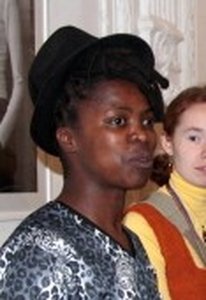
Zanele Muholi
1972 - , Südafrika
Kurzinfos
- Artistic Movement Or Style: Visual Activism, Fotografie
- Artists Who Influenced This Artist:
- Dokumentarfotografie
- Aktivistische Kunstbewegungen
- Date Of Birth: 1972
- Full Name: Zanele Muholi
- Nationality: South African
- Notable Artworks:
- Faces and Phases
- Somnyama Ngonyama
- Brave Beauties
- Place Of Birth: Umlazi, Südafrika
Ähnliche Artikel

Weiße Meisterwerke: Die Top 10 berühmtesten Gemälde und ihre zeitlose Eleganz
Entdecken Sie die Top 10 berühmter Gemälde, dominiert von Weiß! Von Malewitsch bis Rothko – erfahren Sie Geschichten hinter ikonischen Kunstwerke und lassen Sie sich für Ihre Wohnraumgestaltung inspirieren. Kunstreproduktionen in Museumsqualiät auf

Die Top 10 berühmter Gemälde im Reich der dunklen Töne |
Entdecken Sie die Top 10 berühmter Gemälde, beherrscht von dunklen Tönen! Von Caravaggio bis Manet – erfahren Sie die Geschichten hinter Meisterwerken der Kunstgeschichte. Finden Sie Ihre perfekte Reproduktion auf .

Monochrome Visions: Exploring the Aesthetic & Historical Significance of Black & White Photography
Explore the rich history & artistic power of black and white photography. From early techniques to iconic masters like Ansel Adams, discover why monochrome continues to captivate art lovers today. Expert insights for collectors.
Timeless & Chic: Elevating Your New Home with the Sophistication of Black and White Photography
Transform your new home with the timeless allure of black and white photography. ArtsDot.com specializes in elegant monochrome decor and custom hand-painted wedding portraits that turn cherished milestones into lasting, soulful masterpieces. Elevate your space with ease.
Die Top 10 Gemälde der Kunstgeschichte – Dominiert von tiefem Schwarz
Entdecken Sie die Top 10 Gemälde, die von tiefem Schwarz und dramatischer Atmosphäre geprägt sind. Von Caravaggio bis Manet – Kunstgeschichte erleben & hochwertige Reproduktionen auf finden! Jetzt entdecken.

