

 Vorschau anzeigen
 Versenden
 Teilen
 Details anzeigen

 Herunterladen
 Ähnliche Objekte
 Röntgenaufnahme
 Diashow
 Stats
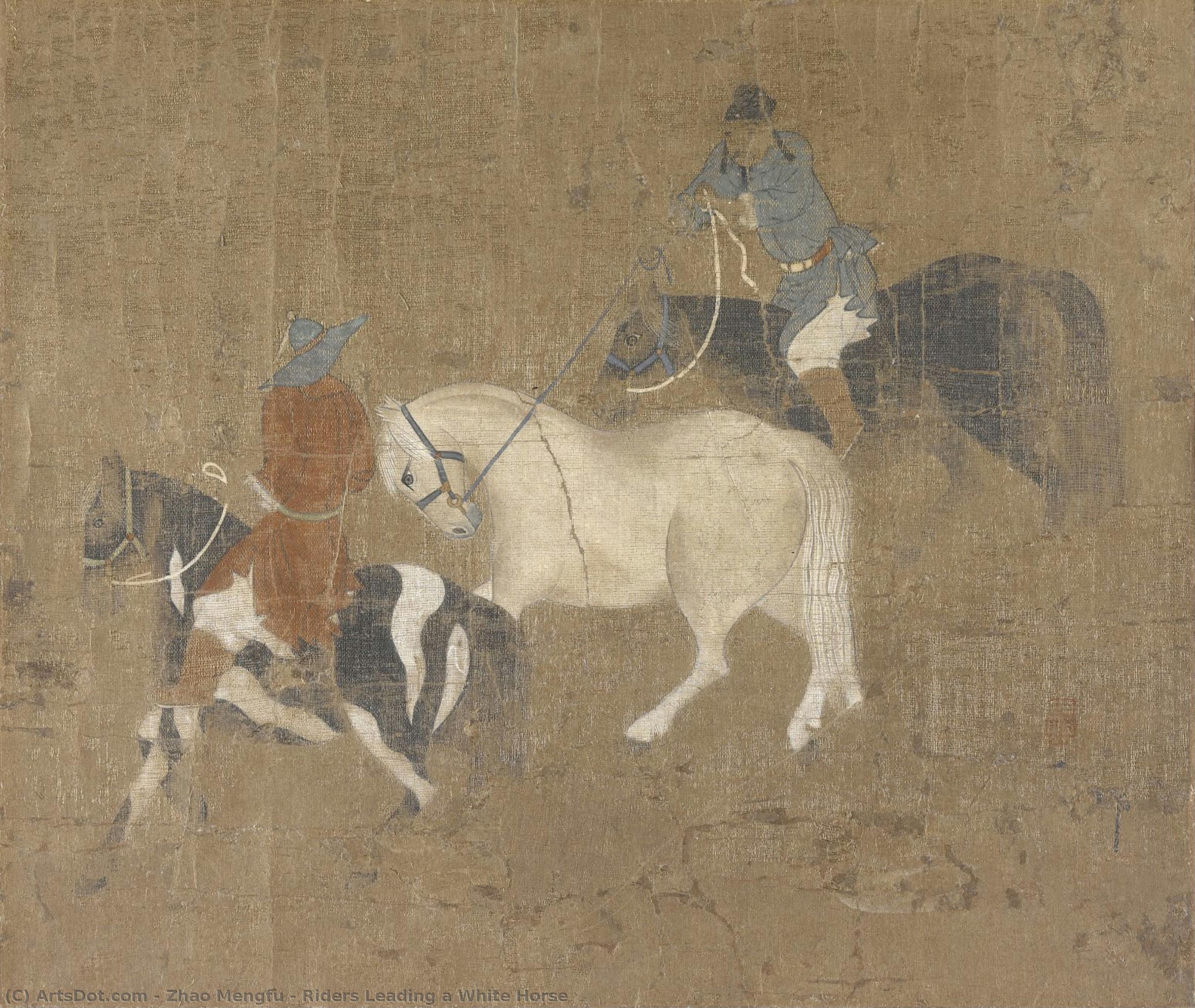
StatsRiders Leading a White Horse


 Weiterlesen
Giclée / Kunstdruck
Giclée- oder Leinwanddruck in Museumsqualität mit schneller Produktion und flexiblen Veredelungsoptionen. ( Handgemalte Reproduktion bestellen Switch to Digital Image)




P118B $10

P118H $10

P118W $10

P438Z $10

P508JH $12

P508YH $12

P805H $10

P805Z $10

P919BZ $10

P919G $10

P919XJ $10

P959ZH $10

P968JZ $12

W106C $8

W218G $10

W218JH $8

W218Y $10

W307PJ $10

W316G $10

W316PJ $8

W316Y $10

W398PJ $8

W4111J $10

W500HY $15

W500JH $15

W692G $12

W849H $8

W940BG $15

W953PJ $8




Wählen Sie aus unseren vordefinierten Formaten, die den ursprünglichen Proportionen des Kunstwerks entsprechen.

Sie können Ihre eigenen Maße eingeben, um ein bestimmtes Format oder einen speziellen Platz einzupassen. Wenn das von Ihnen gewählte Format nicht den Proportionen des Originalbildes entspricht, werden wir das Kunstwerk entweder beschneiden oder das Bild mit einem gespiegelten oder einfarbigen Rand erweitern. Ein digitaler Entwurf wird Ihnen zur Genehmigung zugesandt, bevor die Produktion beginnt.
Bitte beachten Sie, dass die Vorschau auf dem Bildschirm nicht den tatsächlichen Zuschnitt oder die Erweiterung widerspiegelt. Nur der Entwurf zeigt die endgültige Komposition präzise an.
Obwohl Sondermaße verfügbar sind, empfehlen wir die Auswahl eines Maßes aus der vordefinierten Liste, um die ursprünglichen Proportionen zu bewahren.
Weltweiter Versand () innerhalb von 2 Wochen statt der üblichen 4/5 Wochen. (8 September)

Kostenloser weltweiter Expressversand

Hochwertige Leinenleinwand

Umfassender Versicherungsschutz beim Versand

Zollgebühren-Rückerstattungsgarantie

Garantie für exakte Farbtreue

100-Tage-Rückgaberecht (nur bei Mängeln)

100% Geld-zurück-Garantie

Mengenrabatt verfügbar
 Die Glasoption ist nur für Größen unter 110 cm verfügbar.

Riders Leading a White Horse
Giclée / Kunstdruck
Format der Reproduktion
-


Gesamtpreis
$ 62
A Journey Through Time: The Grace of Zhao Mengfu
In the delicate dance of brushstrokes found within Riders Leading a White Horse, we encounter a profound moment of stillness captured amidst movement. This masterpiece by the legendary Yuan Dynasty master Zhao Mengfu invites the viewer into a pastoral rhythm that feels both ancient and eternally present. The composition centers on a striking tableau: two figures, draped in serene blue garments, guide a magnificent white horse through a landscape that breathes with life. As they lead their steeds, the subtle presence of additional horses in the periphery and the scattered flight of birds across the sky create a sense of expansive, breathing space. It is not merely a depiction of travel, but a poetic meditation on the harmony between humanity, animal, and the natural world.
To behold this work is to witness the revolutionary spirit of Zhao Mengfu, an artist who bridged the gap between the scholarly traditions of the past and a new, expressive era of Chinese landscape painting. The technique employed here reflects his unparalleled ability to manipulate ink and line to suggest texture and atmosphere without the need for heavy ornamentation. The white horse serves as a luminous focal point, its brightness contrasting softly against the more muted tones of the riders' attire and the surrounding environment. Through masterful use of varying ink densities, the artist achieves a sense of depth that draws the eye through the mid-ground and into the hazy, atmospheric distance, where the landscape seems to dissolve into memory.
For the discerning collector or interior designer, this piece offers more than just visual beauty; it provides an emotional anchor of tranquility and classical elegance. The symbolism of the riders—representing a disciplined yet peaceful coexistence with nature—resonates deeply in the modern era, offering a sanctuary of calm within a home or gallery space. Whether featured as a centerpiece in a minimalist contemporary setting or layered within a richly textured traditional room, a high-quality reproduction of this work brings with it the prestige of the Hanlin Academy and the intellectual depth of the literati tradition. It is an invitation to slow down, to observe the subtle movement of birds in flight, and to reconnect with the timeless elegance of the Yuan Dynasty.
Ähnliche Kunstwerke
Über den Künstler
Zhao Mengfu: The Revolutionary Landscape Painter
Zhao Mengfu (1254 – 1322) stands as a monumental figure in Yuan Dynasty art and arguably the progenitor of modern Chinese landscape painting. His artistic vision fundamentally challenged established conventions, ushering in an era of unprecedented stylistic innovation that continues to resonate within Chinese artistic tradition today. Born into a noble Song lineage, Zhao’s early life was marked by privilege but also shaped by turbulent political times – the Mongol conquest profoundly altering the cultural landscape of China. Despite serving as a military official under Kublai Khan and subsequent Mongol rulers, Zhao Mengfu never relinquished his passion for scholarship and artistic pursuits. He ascended to the prestigious Hanlin Academy, where he honed his intellectual prowess alongside fellow literati, fostering an environment conducive to groundbreaking creative exploration. This dedication to both erudition and artistry proved crucial to his transformative contribution to Chinese art history. Zhao Mengfu’s stylistic breakthrough arrived during a period of considerable artistic conservatism. While many painters adhered to the rigid formalism of the Song academy – prioritizing meticulous detail and idealized representations – Zhao championed a radically different approach. He deliberately rejected the hierarchical layering typical of Song landscapes, opting instead for a technique that prioritized simplicity and immediacy. Rather than meticulously constructing distant mountains and valleys into elaborate panoramas, Zhao focused on capturing the essence of the scene through carefully positioned elements in the midground, creating an illusion of depth without resorting to complex perspective. This method—characterized by its understated elegance and profound psychological insight—became known as “mountain-and-water painting,” a style that would dominate Chinese art for centuries to come. His most celebrated works exemplify this revolutionary aesthetic. Paintings like "Autumn Colors on the Qiao and Hua Mountains" and “An Inscription by Zhao Mengfu on the Copies of Wang Xizhi’s Zhanjintie and Hanshitie by Someone in the Tang Dynasty” are instantly recognizable for their serene beauty and masterful brushwork. These pieces demonstrate Zhao's ability to convey emotion and atmosphere through subtle tonal variations and expressive linework—a hallmark of literati painting, where artistic merit was judged not merely on technical skill but also on intellectual contemplation. The artist’s meticulous attention to detail—particularly in capturing the nuances of light and shadow—reflects a deep understanding of natural phenomena and a desire to communicate profound spiritual ideas. Zhao Mengfu's influence extended far beyond his own lifetime. He established a new paradigm for landscape painting, inspiring generations of artists who embraced his innovative technique and championed the pursuit of natural beauty as a conduit for spiritual reflection. His legacy continues to inspire artists today, cementing Zhao Mengfu’s place as one of China’s greatest artistic innovators—a true pioneer whose vision irrevocably altered the course of Chinese art history. Zhao's commitment to scholarship was inseparable from his artistic endeavors. He studied Confucian classics and admired the works of ancient masters, recognizing that beauty could be found not only in visual splendor but also in intellectual contemplation. This humanist perspective informed his artistic practice, shaping his stylistic choices and guiding his thematic concerns. He sought to express the harmony between humanity and nature—a central preoccupation of literati painting—through landscapes imbued with symbolic meaning. Zhao’s distinctive style—characterized by its deliberate simplification and rejection of Song academy conventions—represented a radical departure from prevailing artistic trends. Unlike his predecessors, who meticulously rendered distant mountains and valleys into elaborate panoramas, Zhao focused on capturing the essence of the scene through carefully positioned elements in the midground. This technique—often referred to as “mountain-and-water painting”—prioritized immediacy and psychological insight over technical virtuosity. It was this understated elegance and profound contemplation that distinguished Zhao Mengfu’s work from other paintings of his time. His most iconic landscapes, such as "Autumn Colors on the Qiao and Hua Mountains," are renowned for their masterful brushwork and evocative tonal harmonies. The artist employed a technique known as “dry brush,” applying thin washes of pigment to create textured surfaces that resemble weathered rock formations and rustling foliage. This method—inspired by the paintings of Dong Yuan—allowed Zhao Mengfu to convey a sense of atmospheric depth and emotional resonance without resorting to complex perspective. He skillfully used color to depict seasonal changes, capturing the vibrant hues of autumn—golden yellows, fiery reds, and russet browns—with breathtaking precision. Zhao Mengfu’s artistic achievements solidified his position as one of China's foremost landscape painters and calligraphers. His work continues to be studied and admired by art historians and connoisseurs alike, serving as a testament to his enduring legacy as a visionary artist who transformed the aesthetic sensibilities of his era. He remains an inspiration for artists striving to achieve artistic excellence while simultaneously engaging in intellectual contemplation—a figure whose influence extends far beyond the confines of Yuan Dynasty art history.
Zhao Mengfu
1254 - 1322 , China
Kurzinfos
- Artistic Movement Or Style: Literati Malerei; Landschaftsmalerei
- Artists Or Movements Influenced By This Artist: ['Moderne chinesische Malerei']
- Artists Who Influenced This Artist: ['Song Dynastie Künstler']
- Date Of Birth: 1254
- Date Of Death: 1322
- Full Name: Zhao Mengfu
- Nationality: Chinesisch
- Notable Artworks:
- Autumn Colors on the Qiao and Hua Berge
- Ein Inschrift von Zhao Mengfu auf Kopien von Wang Xizhis Zhanjintie und Hanshitie von jemandem aus der Tang Dynastie
- Place Of Birth: China
Ähnliche Artikel
The Noble Steed: A Historical and Artistic Exploration of Horses in Fine Art
Explore the rich history of horses in fine art! From ancient depictions to Renaissance masterpieces & beyond, discover iconic artworks and artists. Learn about symbolism, techniques, and find museum-quality reproductions at ArtsDot.
The Noble Steed on Canvas: A Historical & Artistic Exploration of Horse Painting Across Cultures
Explore the rich history of horse painting! Discover masterpieces from Stubbs to Munnings & learn about symbolism, techniques & artists. Find museum-quality reproductions at ArtsDot.
The Subtleties of White: Exploring Absence, Light & Symbolism in Art History
Explore the profound symbolism & history of white in art! From ancient purity to modern abstraction, discover how artists have used absence & light. Expert insights from ArtsDot.

Weiße Meisterwerke: Die Top 10 berühmtesten Gemälde und ihre zeitlose Eleganz
Entdecken Sie die Top 10 berühmter Gemälde, dominiert von Weiß! Von Malewitsch bis Rothko – erfahren Sie Geschichten hinter ikonischen Kunstwerke und lassen Sie sich für Ihre Wohnraumgestaltung inspirieren. Kunstreproduktionen in Museumsqualiät auf
The Equine Muse: A Historical & Artistic Exploration of Horses in Painting
Explore the captivating history of horses in painting! Discover Renaissance masterpieces, Baroque grandeur & expert insights for collecting equestrian art. Learn about symbolism, techniques & lasting value with ArtsDot.