

 Vorschau anzeigen
 Versenden
 Teilen
 Details anzeigen

 Herunterladen
 Ähnliche Objekte
 Röntgenaufnahme
 Diashow
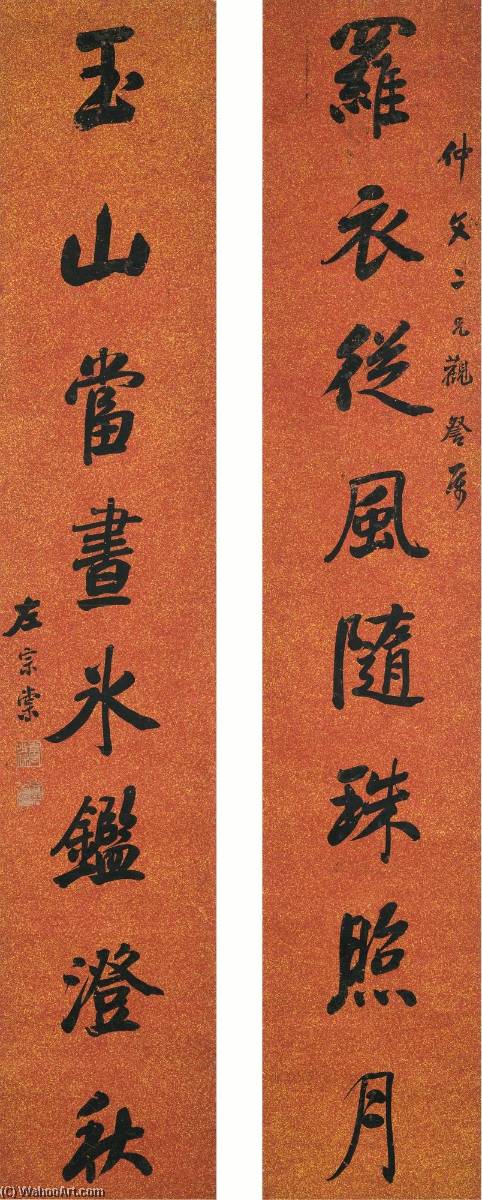
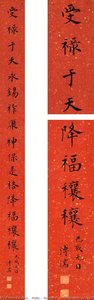
Calligraphy Couplet in Xingshu
 156.0 x 29.0 cm
 Weiterlesen
Handgefertigte Ölreproduktion
Handgemaltes Ölgemälde auf Leinwand in Ihrer Wunschgröße und mit Rahmen, auf Bestellung von unseren Künstlern angefertigt. ( Druck bestellen Bild kaufen)




































Wählen Sie aus unseren vordefinierten Formaten, die den ursprünglichen Proportionen des Kunstwerks entsprechen.

Sie können Ihre eigenen Maße eingeben, um einen bestimmten Rahmen oder Platz auszufüllen. Wenn die gewählte Größe nicht den Proportionen des Originalbildes entspricht, werden wir das Kunstwerk entweder beschneiden oder das Gemälde durch zusätzliche, handgemalte Elemente erweitern. Ein digitales Mockup wird Ihnen zur Genehmigung zugesandt, bevor die Produktion beginnt.
Bitte beachten Sie, dass die Bildschirmvorschau nicht die tatsächliche Beschneidung oder Erweiterung widerspiegelt. Nur das Mockup zeigt die endgültige Komposition exakt an.
Obwohl Sondermaße verfügbar sind, empfehlen wir, eine Größe aus der vordefinierten Liste zu wählen, um die ursprünglichen Proportionen beizubehalten.
Nach der Bestellung wird das ArtsDot.com-Team dem Kunden Anweisungen per E-Mail zusenden und eine Mockup-Vorschau bereitstellen.
Weltweiter Versand () in nur 3 bis 4 Wochen statt der üblichen 5 Wochen. (7 September). Keine Kompromisse bei der Qualität.

Kostenloser weltweiter Expressversand

Hochwertige Leinenleinwand

Umfassender Versicherungsschutz beim Versand

Zollgebühren-Rückerstattungsgarantie

Garantie für exakte Farbtreue

100-Tage-Rückgaberecht (nur bei Mängeln)

100% Geld-zurück-Garantie

Mengenrabatt verfügbar
 Die Glasoption ist nur für Größen unter 110 cm verfügbar.

Calligraphy Couplet in Xingshu
Art der Reproduktion
Format der Reproduktion
-


Gesamtpreis
$ 263
Ähnliche Kunstwerke




Über den Künstler
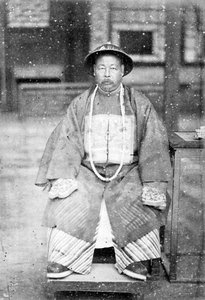
Zuo Zongtang: The Architect of Qing Revival
Zuo Zongtang (born Nov. 10, 1812, Xiangyin, Hunan province, China—died Sept. 5, 1885, Fuzhou, Fujian province) was a Chinese administrator and military leader who stands as one of the pivotal figures in restoring stability to the Qing dynasty during its turbulent decline. His unwavering dedication to preserving imperial authority amidst internal strife and external pressures cemented his legacy as a transformative reformer and a symbol of resilience for China’s cultural heritage. Born into a family steeped in Confucian scholarship, Zuo’s early life was marked by rigorous academic pursuits focused on geography and agriculture—disciplines that would prove invaluable in shaping his administrative approach. Recognizing the looming threat posed by the Taiping Rebellion (1850–1864), a devastating uprising fueled by religious fervor and social discontent, Zuo swiftly mobilized local defenses and ascended to prominence as a commander within the Qing military. His decisive leadership during this period demonstrated an astute understanding of battlefield strategy and garnered him considerable respect amongst his peers. The zenith of Zuo’s career arrived in 1867 when he was appointed governor-general of Shaanxi and Gansu—territories ravaged by Muslim rebellions that challenged Qing sovereignty. Unlike many officials paralyzed by inaction, Zuo embarked on a methodical campaign to quell the insurgency, prioritizing pragmatic solutions underpinned by economic revitalization and leveraging Western technological advancements. This approach wasn’t merely about military conquest; it represented a fundamental reimagining of governance – bolstering local economies and fostering cooperation between imperial forces and regional populations. His crowning achievement came in 1869 with his triumphant recapture of Kashgar—a strategically vital city at the crossroads of Central Asia—from Russian influence. This audacious undertaking showcased Zuo’s unwavering determination to safeguard China's borders and reinvigorate its prestige on the international stage. The Treaty of St. Petersburg (1881), brokered after years of arduous negotiations, formally recognized Qing dominion over Xinjiang, marking a resounding victory for Zuo’s vision of restoring imperial grandeur. Despite facing considerable opposition from conservative factions within the Qing court—who viewed his reforms as destabilizing—Zuo persevered in advocating for modernization and bolstering China's defenses against encroaching foreign powers. Tragically, he succumbed to illness in 1885, leaving behind a profound impact on Chinese history. His legacy endures not only as a military strategist but also as an embodiment of Confucian ideals – unwavering loyalty to the emperor and steadfast commitment to upholding traditional values amidst turbulent times. Zuo Zongtang’s life serves as a testament to the enduring power of principled leadership in safeguarding national identity and securing a brighter future for China.- Notable Achievements: Successful suppression of Muslim rebellions, recapture of Kashgar, Treaty of St. Petersburg (1881), bolstering Qing defenses.
- Influences: Confucian scholarship, Geographic studies, Military strategy
- Historical Significance: Symbol of Qing revival, Champion of modernization amidst conservative resistance
Kurzinfos
- Artistic Movement Or Style: Calligraphy
- Artists Or Movements Influenced By This Artist: ['']
- Artists Who Influenced This Artist: ['']
- Date Of Death: Sept 5, 1885
- Full Name: Zuo Zongtang
- Nationality: Chinese
- Notable Artworks: ['Running Script Couplet']
- Place Of Birth: Xiangyin, Hunan province