


The Philosophy of Visual Silence: Embracing Minimalism as an Intentional Sanctuary
 The Art of Curation: A Professional Guide to Mastering Minimalist Elegance in Modern Interior Design
The Philosophy of Visual Silence: Understanding Minimalism Beyond Empty Space 10 Stunning Artworks That Define Minimalist Perfection Introduction To step into a room defined by minimalism is to experience the profound power of silence. It is an invit...
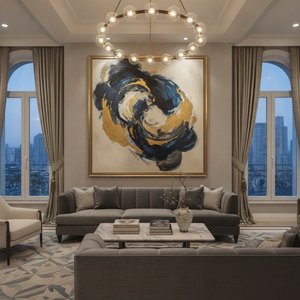
In our modern era, characterized by a frantic cadence and constant sensory overload, there exists a growing longing for what can only be described as visual stillness. To step into a room defined by minimalism is not to encounter emptiness, but rather to experience the profound power of silence. It is an invitation to exhale, to strip away the cacophony of the external world, and to find resonance in the space between objects. For the discerning decorator, minimalism is far more than a mere reduction of items or a clinical rejection of the soul; it is the presence of intention. It is an architectural and emotional pursuit of clarity, where the goal is to reveal the essential beauty of a subject by removing the noise of clutter.
Historically, this movement toward minimalism emerged as a sophisticated rebellion against the ornate complexities of previous eras, seeking to find truth in simplicity and form. When we approach a space through this lens, we are not looking for a sterile, monastic void of stark white walls, but rather an aesthetic of silence. This philosophy teaches us that by curating intentionality, we allow the eyes to rest upon surfaces enriched by meaning. In this sanctuary of clarity, every line and shadow is placed with absolute purpose, providing the architectural breathing room necessary for both private sanctuaries and professional environments to find their true resonance.
Curating the Essentials: Selecting Statement Pieces with Clean Lines and Purposeful Form
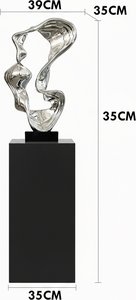
 Elegant Iron Violin Sculpture - Modern Art Deco Decorative Wall Hanging Ornament Gift for Home Interior Decoration
The Sculptural Violin: A Study in Iron Art Deco Elegance This striking sculpture transcends mere decoration; it embodies a profound appreciation for form and texture—a cornerstone of Art Deco design principles. Crafted from high-quality stainless ste...
The art of curation in a minimalist setting requires a disciplined eye, focusing on pieces that command attention without overwhelming their surroundings. The hallmark of this aesthetic lies in the selection of works that celebrate structural integrity and fluid grace. Consider, for instance, the striking allure of an elegant iron sculpture, where the meticulous forging process captures a delicate balance between robust construction and ethereal movement. Such pieces transcend mere decoration; they embody a profound appreciation for form and texture, much like the principles found in Art Deco design, where every component is essential to the whole.
When selecting your core collection, look for works that utilize geometric precision to anchor a room. A well-placed piece of wall art—perhaps a stainless steel panel featuring a rose gold hue—can serve as a captivating focal point that invites contemplation of form within a contemporary setting. The key is to avoid the trap of visual saturation. Instead, seek out artworks that embody pure simplicity, where the absence of excess allows a single, well-placed stroke or a sharp, geometric edge to speak with more authority than a thousand cluttered images. By focusing on these essential elements, you create a dialogue between what is shown and what is left to the imagination.
Texture and Tone: Elevating Minimalist Spaces with Metallic Accents and Soft Textures
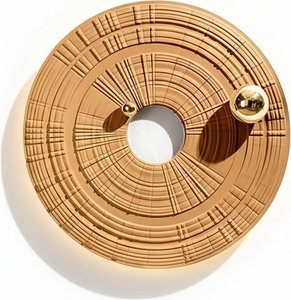
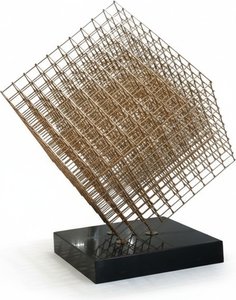 Rose Gold Stainless Steel Geometric Sculpture Wall Panel - Modern Art Deco Home Decor for Living Room Bedroom Loft Gallery Display – Large Decorative Cube Metal Frame Sculpture Gift Idea
The Geometric Soul of Stainless Steel This striking wall panel embodies a minimalist aesthetic while simultaneously celebrating the enduring beauty of metal craftsmanship. Crafted from high-quality stainless steel finished in a rich rose gold hue, it...
While minimalism often leans toward neutral palettes, the true mastery of the style lies in the subtle interplay of texture and tone. To prevent a minimalist room from feeling cold or uninviting, one must introduce a symphony of textures that invite tactile exploration. The use of high-quality materials, such as the shimmering sheen of gold-finished stainless steel or the velvety smoothness of polished metal, adds a layer of quiet luxury. These accents capture ambient light, adding warmth and a captivating interplay between matte surfaces and radiant highlights.
Integrating soft minimalism involves curating textures that provide depth without chaos. This might include the subtle grain of wood, the weight of heavy textiles, or the intricate, textured surface of a hand-painted oil reproduction. The visible brushstrokes of an impasto technique offer a tactile richness that digital prints simply cannot replicate, providing a soulful contrast to smooth, architectural surfaces. By layering these elements—pairing the precision of cold metal with the warmth of organic textures—you create a multidimensional environment that feels both sophisticated and deeply comforting.
Mastering Scale and Proportion: Using Multi-Panel Art to Define Modern Architectural Spaces
 Mid-century modern
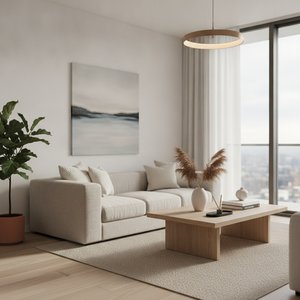
Mid-century modern (MCM) is "a style of design popular in the mid-twentieth century, characterized by clean, simple lines and lack of embellishment." The style was present throughout the world, but gained most popularity in North America, Brazil and ...
In larger, modern interiors such as lofts or grand hallways, the challenge lies in filling significant architectural voids without disrupting the sense of openness. This is where the contemporary trend of multi-panel paintings becomes an invaluable tool for the decorator. By splitting a single, cohesive image across three, four, or even five panels, you can create a rhythmic flow that follows the movement of a staircase or spans the breadth of a wide living room wall. This approach allows art to become part of the architecture itself, defining the space through scale rather than bulk.
The success of this technique depends entirely on seamless execution. It is essential that the colors and brushstrokes flow uninterrupted across every panel, ensuring a unified visual narrative. When executed with precision, these large-scale installations act as a modern fresco, providing a sense of grandeur and structural continuity. This method allows for a dramatic impact that respects the minimalist principle of clean lines, using the very geometry of the artwork to reinforce the architectural integrity of the home.
The Art of Personalization: Blending Modern Minimalism with Custom Hand-Painted Masterpieces
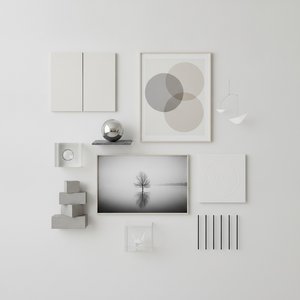 10 Stunning Minimalist Masterpieces That Define Pure Simplicity
Introduction In an era defined by constant noise and visual saturation, there is a profound, quiet power in the concept of minimalism. To encounter a minimalist artwork is to step into a sanctuary of intentionality, where every line, shadow, and void...
The ultimate expression of minimalist elegance is found when the curated space reflects the unique history and soul of its inhabitants. True luxury lies in the ability to "remix" art history, bringing a personal narrative into a modern setting through bespoke commissions. Imagine the profound impact of transforming a cherished personal photograph into a hand-painted oil masterpiece, perhaps reimagined in the light-drenched style of Monet or the bold, textured impasto of Van Gogh. This allows for a seamless integration of memory and modern design.
Customization offers a way to bridge the gap between the contemporary and the classical. Through professional digital mockups, you can visualize how a custom portrait or a "period shift"—such as transforming a modern image into a 17th-century style Rembrandt—will interact with your existing decor before the first brushstroke ever touches the canvas. This level of personalization ensures that even within a minimalist framework, the home remains a deeply personal sanctuary, filled with works that are not only aesthetically perfect but emotionally resonant. In this way, art becomes more than decoration; it becomes a lasting legacy of identity and taste.