Introduction
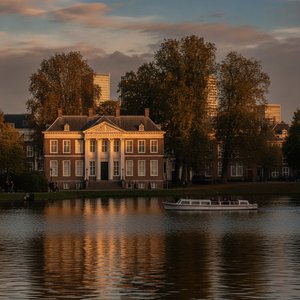
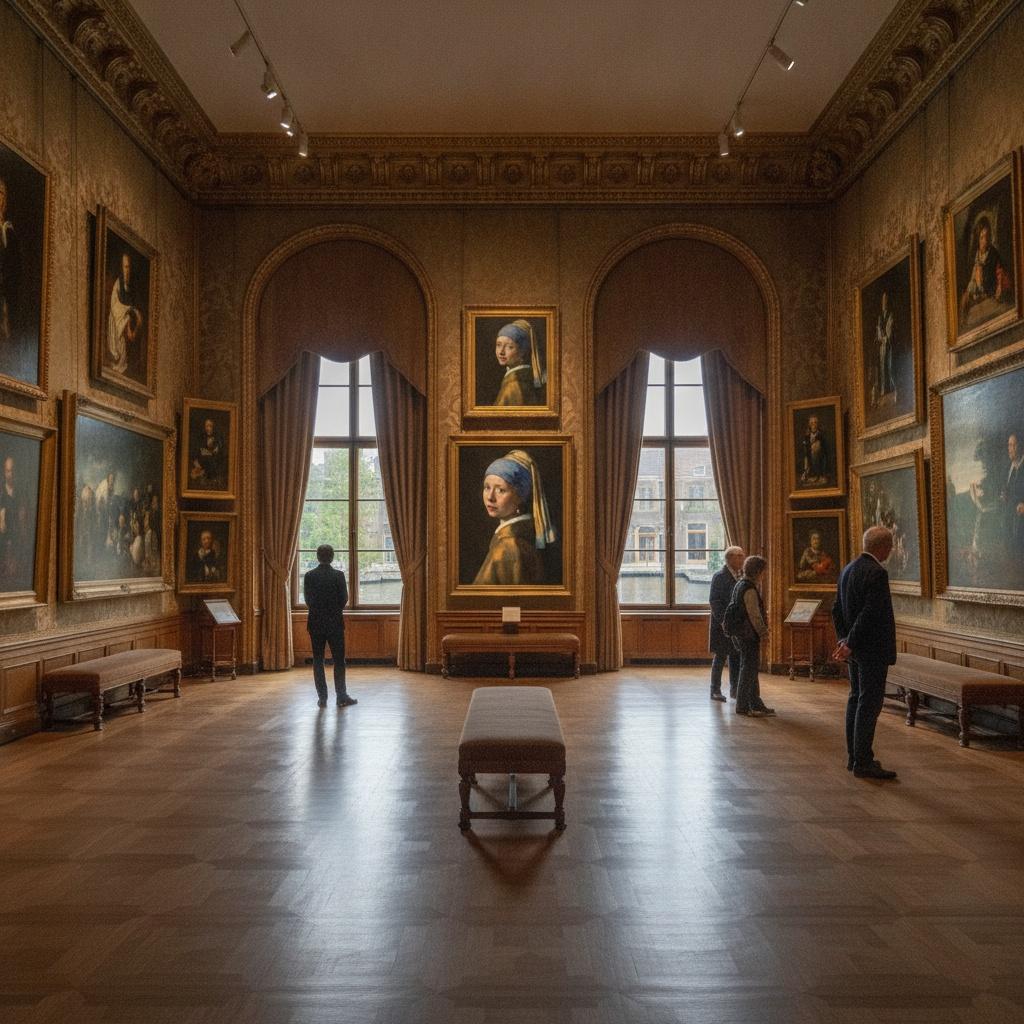
Imagine stepping off the bustling streets of The Hague and into a space where time seems to slow, held captive by the quiet elegance of Dutch Classicism. The Mauritshuis is not merely a museum; it is a jewel box of human emotion, a stately residence that has transitioned from a private palace for Count Johan Maurits van Nassau-Siegen into one of the most intimate and profound sanctuaries of art in the world. To walk through its doors is to enter the heart of the Dutch Golden Age, where every corridor whispers tales of prosperity, scientific discovery, and an unparalleled mastery of light.
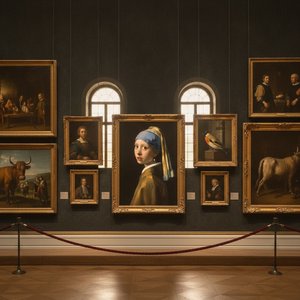
Unlike the sprawling, overwhelming galleries found in larger capitals, the Mauritshuis offers something far more precious: a concentrated encounter with greatness. Here, the air feels thick with the legacy of the 17th century. You are surrounded by works that do not just depict scenes, but capture the very essence of life—the subtle glint of a jewel, the soft texture of a silk sleeve, and the hauntingly beautiful interplay of shadow and luminosity. It is a place where the boundaries between the viewer and the canvas dissolve, allowing us to share a silent moment with figures who have lived in our collective imagination for centuries.
The masterpieces housed within these walls remain deeply meaningful today because they speak a universal language. Whether it is the enigmatic gaze of Vermeer’s most famous subject or the dramatic, textured brushwork of Rembrandt, these paintings tap into fundamental human experiences: mystery, dignity, vulnerability, and wonder. They remind us that while technology and eras change, our fascination with beauty and the stories told through light remains eternal.
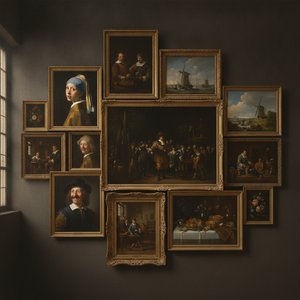
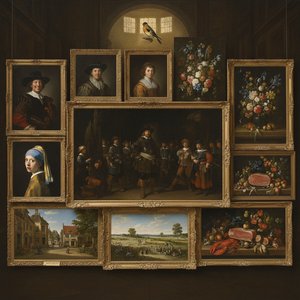
In the following journey, we will guide you through a curated selection of the top 25 artworks that define this extraordinary collection. From breathtaking portraits to sweeping landscapes and intimate genre scenes, prepare to discover the treasures that make the Mauritshuis a cornerstone of Western art history—works that continue to inspire, move, and enchant every soul fortunate enough to encounter them.
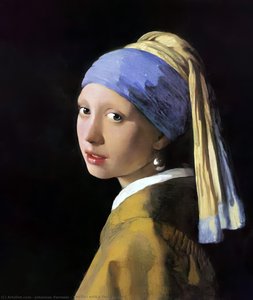
The Girl with a Pearl Earring - Johannes Vermeer
Few images in the history of art possess the magnetic pull of Johannes Vermeer’s Girl with a Pearl Earring . As a centerpiece of the Mauritshuis collection, this 1665 masterpiece transcends its status as a mere "tronie" to become a universal symbol of mystery and human connection. Vermeer’s mastery of light is nothing short of miraculous; through delicate glazes of oil paint, he captures the soft luminescence of skin and the singular, brilliant reflection upon the pearl, creating a sense of depth that feels almost tactile.
The painting’s placement among the top artworks in The Hague is earned through its profound emotional resonance. The subject’s enigmatic gaze—caught between a whisper and a secret—invites every viewer to participate in an intimate, silent dialogue. Her vibrant ultramarine turban and the dark, atmospheric background create a color harmony that feels both ancient and strikingly modern. For the contemporary collector, bringing the essence of this Dutch Golden Age treasure into a home offers more than just decor; it introduces a timeless conversation about beauty, perception, and the enduring power of a single, captured moment.
The Anatomy Lecture of Dr. Nicolaes Tulp [1632] - Rembrandt van Rijn
![The Anatomy Lecture of Dr. Nicolaes Tulp [1632]](/media/artworks/images-thumb/e5/fc/e5fcb33447eac6b24ab049b22effa1a3.jpg) The Anatomy Lecture of Dr. Nicolaes Tulp [1632] - Rembrandt van Rijn
The Anatomy Lecture of Dr. Nicolaes Tulp [1632] - Rembrandt van RijnThere is a profound, almost breathless tension in witnessing The Anatomy Lecture of Dr. Nicolaes Tulp . As you stand before this 1632 masterpiece by Rembrandt van Rijn, you aren't just observing a medical procedure; you are pulled into a circle of intense human curiosity. The way the light spills across the pale, dissected arm and illuminates the focused faces of the surgeons creates a dramatic chiaroscuro effect that makes the room feel alive with discovery.
This work earns its place among the top 25 artworks in the Mauritshuis because it perfectly captures the spirit of the Dutch Golden Age—a time when science and art danced together in the shadows. The deep, earthy tones and the palpable sense of solemnity evoke a mood that is both unsettling and deeply reverent. At ArtsDot.com, we believe this level of emotional intensity shouldn't be confined to a museum in The Hague. Our hand-painted oil reproductions are meticulously crafted to preserve those very textures—the heavy brushstrokes and dramatic light—allowing you to bring the transformative power of Rembrandt’s brilliance into your own living space.
View of Delft - Johannes Vermeer
 View of Delft - Johannes Vermeer
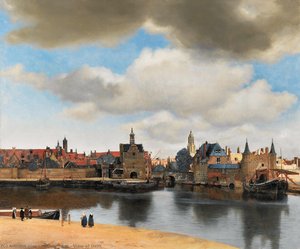
In View of Delft by Johannes Vermeer, the viewer is not merely looking at a cityscape, but is invited to breathe in the very atmosphere of the Dutch Golden Age. There is a profound sense of tranquility found in the way the soft, diffused light dances across the historic harbor, capturing a moment of eternal stillness amidst the bustling maritime life. Vermeer’s mastery of light and shadow creates a psychological depth that transcends the architecture; it evokes a feeling of nostalgic peace, as if the world has paused to admire the harmony between human industry and the natural elements.
As one of the top 25 artworks in 'Mauritshuis, The Hague' , this masterpiece serves as a window into a period of immense prosperity and civic pride. The subtle interplay of cool blues in the water and the warm, textured tones of the buildings offers a sensory experience that is both grounding and inspiring. Bringing this powerful emotional resonance into your own home can transform a personal sanctuary into a space for profound reflection. Whether placed in a sunlit reading nook or a sophisticated living area, this painting introduces a timeless calm and an air of historical elegance to any modern interior.
Diana and her Companions - Johannes Vermeer
 Diana and her Companions - Johannes Vermeer
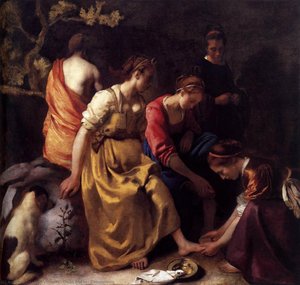
In the quietude of Diana and her Companions by Johannes Vermeer, time seems to hold its breath, suspended in a soft, luminous amber. As one of the most captivating pieces among the top 25 artworks in 'Mauritshuis, The Hague,' this masterpiece stands out for its departure from grand, dramatic mythology, opting instead for a tender, human intimacy. Vermeer invites us into a private moment where the goddess Diana rests, surrounded by nymphs in a scene of gentle care and quiet devotion.
The painting breathes with a muted, earthy palette, where subtle glazes create a skin-like warmth and light dances softly across fabric. There is a profound sense of tranquility found in the way the light shapes each figure, turning a mythological gathering into a relatable moment of social connection. For the modern collector, this work offers more than just historical significance; its serene composition and harmonious tones provide a sophisticated anchor for any room, bringing an atmosphere of timeless calm and classical elegance to contemporary living spaces.
Tronie - Rembrandt van Rijn
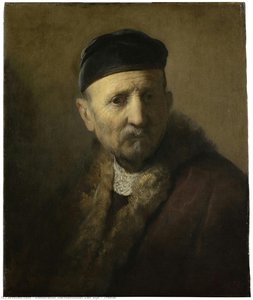 Tronie - Rembrandt van Rijn
Step into the amber-hued shadows of the Dutch Golden Age, where the boundaries between reality and character dissolve. In Rembrandt van Rijn’s Tronie , we do not merely observe a face; we encounter a lifetime of unspoken wisdom etched into skin. Created in 1631, this work transcends traditional portraiture to offer a profound study of human vulnerability and the dignified weight of age.
This masterpiece earns its place among the top 25 artworks in the Mauritshuis through its breathtaking command of chiaroscuro . A singular, ethereal light pierces the gloom, illuminating a furrowed brow and textured beard, pulling the subject from the darkness with startling intimacy. The heavy, sculptural impasto technique creates a tactile topography that feels alive under the eye. For those looking to bring a sense of gravitas and soulful reflection into a modern home, this painting serves as a powerful anchor. It invites a moment of quiet contemplation, transforming any room into a sanctuary of historical depth and emotional resonance.
Saul and David - Rembrandt van Rijn
 Saul and David - Rembrandt van Rijn
Step into the shadows of the Dutch Golden Age, where the heavy atmosphere of internal torment meets a flicker of divine grace. In Saul and David by Rembrandt van Rijn , we witness one of the most profound psychological dramas within the Mauritshuis collection. This masterpiece is celebrated not for outward violence, but for its masterful use of chiaroscuro —the dramatic interplay of light and shadow that defines Rembrandt’s genius. On one side, the broken King Saul sits weighed down by jealousy, his gaze lost in a sea of misery; on the other, the young David brings a luminous purity to the gloom as he plays his harp.
The painting’s tactile beauty lies in its expressive, sculptured brushstrokes and a rich, emotive palette of deep somber tones punctuated by brilliant highlights. As one of the top 25 artworks in 'Mauritshuis, The Hague', it serves as an eternal allegory of the struggle between suffering and art. Bringing such a piece into a modern home offers more than mere decoration; it provides a focal point of immense gravity, transforming a room into a space of deep reflection and intellectual soul.
The Laughing Man - Rembrandt van Rijn
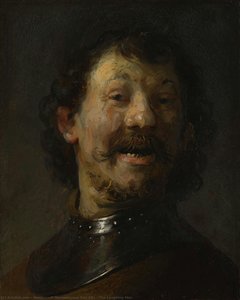 The Laughing Man - Rembrandt van Rijn
In Rembrandt van Rijn’s The Laughing Man , a deep, warm amber glow dominates the canvas, casting an atmosphere of nostalgic intimacy and spirited vitality. This mastery of light and shadow—the legendary chiaroscuro—is precisely why this piece remains a cornerstone of the top 25 artworks in Mauritshuis, The Hague. Rembrandt moves beyond mere portraiture to create a 'tronie,' using a palette of earthy ochres and rich, shadowed tones to capture the raw, fleeting essence of human joy and vulnerability.
For those looking to infuse their own homes with this same dramatic elegance, this painting offers incredible inspiration for interior styling. The soulful, golden-hued lighting of the work can serve as a blueprint for creating a cozy, sophisticated reading nook or a moody, high-end dining room. By pairing mid-range canvas prints of such Baroque masterpieces with soft, warm ambient lighting, you can recreate that same sense of historical depth and emotional warmth in a modern living space, turning a simple room into a curated sanctuary of character.
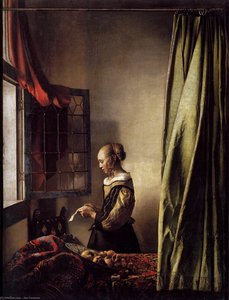
Woman Writing a Letter, with her Maid - Johannes Vermeer
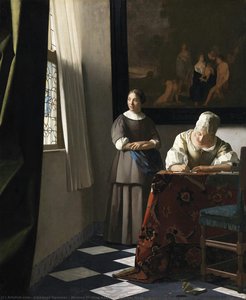 Woman Writing a Letter, with her Maid - Johannes Vermeer
In the quiet corners of the Mauritshuis, Johannes Vermeer’s Woman Writing a Letter with her Maid stands as a profound meditation on intimacy and the whispered dramas of everyday life. This masterpiece earns its place among the top 25 artworks in the Mauritshuis collection through its unparalleled ability to transform a simple Delft interior into a stage of deep emotional anticipation. Vermeer utilizes a muted palette of creams, rich browns, and soft reds to create an atmosphere of hushed stillness, where the light from an unseen window gently brushes against the figures.
The composition invites us to linger; as we observe the woman focused on her correspondence, the presence of the maid behind the green curtain adds a layer of mystery and shared secrets. It is a painting that speaks to the universal human experience of longing and connection. For those looking to bring a sense of tranquility and historical depth to a modern home, the essence of this work—its soft textures and luminous light—serves as a timeless inspiration for creating spaces of reflection and sophisticated beauty.
Self-Portrait - Rembrandt van Rijn
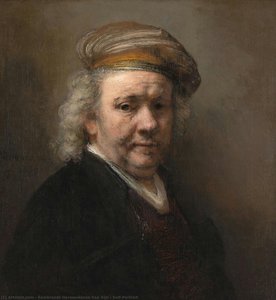 Self-Portrait - Rembrandt van Rijn
To stand before the Self-Portrait by Rembrandt van Rijn is to witness a profound moment of vulnerability, as if the artist has invited you into his very soul. As one of the most significant pieces among the top 25 artworks in 'Mauritshuis, The Hague', this 1669 masterpiece serves as a hauntingly beautiful window into a lifetime of human experience. Rembrandt does not merely present a likeness; he uses the dramatic Baroque technique of chiaroscuro to sculpt light and shadow across his weathered features, creating a psychological landscape that feels incredibly intimate.
The texture of the oil paint, with its rich, visible layers, captures a sense of quiet prestige and resilience. Even centuries later, the unflinching gaze and the somber, earthy tones resonate deeply with modern, refined aesthetics. For the discerning collector, this work represents more than historical significance; it offers a timeless piece of emotional intelligence that brings a sense of depth, legacy, and soulful character to any sophisticated interior space.
Two Moors - Rembrandt van Rijn
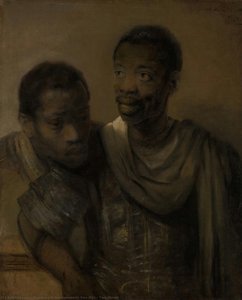 Two Moors - Rembrandt van Rijn
In the quiet, amber-hued depths of Rembrandt van Rijn’s 1661 masterpiece, Two Moors , one encounters a profound meditation on human connection. This painting stands as a vital entry in our journey through the top 25 artworks in 'Mauritshuis, The Hague' because it transcends mere portraiture; it captures a visceral intimacy through the gentle support of one man for another, suggesting a deep bond of loyalty and shared vulnerability.
Rembrandt’s technical mastery is on full display through his legendary use of chiaroscuro . He does not merely paint light; he sculpts it with thick, tactile impasto layers that allow the glow to catch on the ridges of the pigment, creating a palpable three-dimensionality. This dramatic interplay of shadow and soul offers a rare, dignified glimpse into the seventeenth century, elevating his subjects to a position of psychological importance. At ArtsDot.com, we believe such emotional depth should be accessible to every home. Our hand-painted oil reproductions meticulously preserve these visible brushstrokes and atmospheric textures, allowing you to bring the soulful resonance of Rembrandt’s Dutch Baroque genius into your own living space.
Andromeda - Rembrandt van Rijn
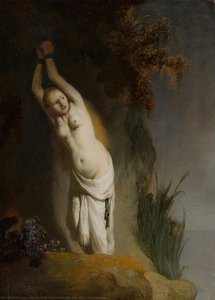 Andromeda - Rembrandt van Rijn
Imagine standing on a jagged cliffside at midnight, the air heavy with salt spray and the suffocating weight of an approaching storm. In Andromeda , Rembrandt van Rijn strips away the grand spectacle of Greek myth to reveal something far more intimate: the raw, pulse-pounding vulnerability of a human soul facing the unknown. Rather than focusing on the heroic rescue, Rembrandt directs our gaze to the princess herself, chained to cold stone, her white attire glowing like a beacon against the swallowing shadows of the Dutch Baroque night.
This masterpiece earns its place among the top 25 artworks in the Mauritshuis through its breathtaking use of chiaroscuro , where light doesn't just illuminate—it sculpts emotion. The dramatic contrast between the luminous fabric and the deep, nocturnal landscape creates a psychological intensity that remains profoundly moving centuries later. Bringing such a piece into your own home offers more than mere decoration; it introduces a sense of profound drama and historical depth, allowing the masterful interplay of light and shadow to anchor a room with timeless, soulful energy.
The Presentation of Jesus in the Temple - Rembrandt van Rijn
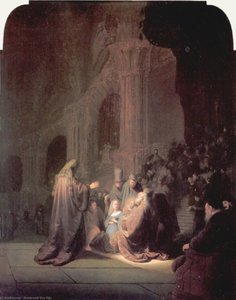 The Presentation of Jesus in the Temple - Rembrandt van Rijn
Stepping into the presence of Rembrandt van Rijn’s The Presentation of Jesus in the Temple is an experience that transcends mere viewing; it is a profound encounter with the divine. Painted in 1631, this masterpiece captures a pivotal moment of sacred intimacy within the bustling temple atmosphere. As you stand before it, you are immediately swept up in Rembrandt’s legendary use of chiaroscuro —that dramatic, soulful interplay between deep, velvety shadows and sudden, radiant bursts of light.
A celestial glow descends upon Mary and the infant Jesus, pulling your gaze toward the heart of the composition. The scene is alive with a quiet, reverent energy, as figures like Simeon and Anna emerge from the darkness, their faces etched with awe. Every brushstroke seems to pulse with the spiritual intensity of the Dutch Golden Age, turning a biblical narrative into a deeply human moment of grace. To possess a piece that evokes such transformative light is to invite a gallery of the soul into your own home, turning a simple wall into a window of eternal wonder.
Venus with an Organist and a Dog - Titian Ramsay Peale II
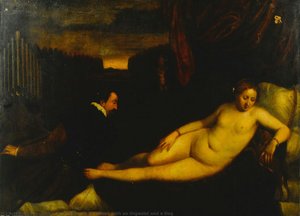 Venus with an Organist and a Dog - Titian Ramsay Peale II
In Venus with an Organist and a Dog by Titian Ramsay Peale II, the composition achieves a breathtaking structural harmony that feels both classical and remarkably fresh. The painting is anchored by a graceful, triangular geometry; the reclining form of Venus creates a soft, sweeping curve that is balanced by the upright, structured presence of the organist. This careful arrangement of shapes—the organic lines of the figures contrasted with the architectural weight of the instrument—creates a sense of timeless perfection that secures its place among the top 25 artworks in Mauritshuis, The Hague.
As you observe the interplay of light and shadow, you may notice how this internal balance mirrors the principles of modern minimalist design. The way Peale II uses negative space and focused subjects to ground the scene offers a serene, uncluttered aesthetic that feels right at home in a contemporary, clean-lined interior. It is a masterful blend of 19th-century American naturalist precision and Venetian luminosity, inviting viewers to find peace in its quiet, rhythmic elegance.
Portrait of Emperor Charles V (1500-1558) - Titian Ramsay Peale II
 Portrait of Emperor Charles V (1500-1558) - Titian Ramsay Peale II
While the name Titian often evokes the golden warmth of Venice, this striking portrait by the American naturalist Titian Ramsay Peale II offers a fascinating bridge between Old World majesty and New World precision. Peale II, an artist who masterfully blended scientific observation with High Renaissance grandeur, captures Emperor Charles V not merely as a ruler, but as a living presence. The canvas radiates a quiet dignity, utilizing a subdued palette of deep ochres and dark browns to anchor the Emperor’s imperial authority.
The technical genius lies in Peale’s use of delicate glazing layers—a technique borrowed from the Venetian masters—to create an ethereal luminescence that makes the textures of the Emperor's attire and his weathered features feel remarkably tactile. This interplay of light and shadow creates a piercing, direct gaze that engages the viewer in a silent, momentous conversation. For those looking to curate a sophisticated atmosphere, this piece serves as a profound focal point; its classical weight and solemnity are perfect for inspiring deep focus and a sense of timelessness within a modern home office or private study.
Nymph and Satyr - Peter Paul Rubens
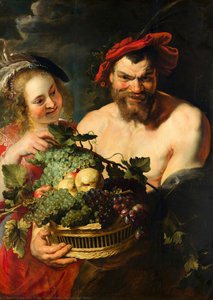 Nymph and Satyr - Peter Paul Rubens
In the grand tapestry of the Baroque era, few threads are as vibrant or pulse-quickening as those woven by Sir Peter Paul Rubens. His masterpiece, “Nymph and Satyr,” stands as a vital entry in our exploration of the top 25 artworks in 'Mauritshuis, The Hague,' representing a theatrical encounter where the boundaries between the divine and the earthly dissolve. This painting is a visceral experience; it captures a moment of playful tension between the ethereal purity of a nymph and the untamed impulse of a satyr, set against a sun-drenched pastoral landscape heavy with the scent of ripe grapes.
Rubens’ technical mastery—specifically his command of chiaroscuro and energetic brushwork—breathes life into the figures, making skin appear luminous against deep, shadowed recesses. Beyond its visual splendor, the work serves as a profound allegory for the eternal dance between innocence and instinct . For the modern collector, the painting’s palette of deep crimsons and radiant golds offers a timeless way to inject warmth and classical grandeur into a contemporary space, sparking a beautiful conversation between historical myth and modern decor.
Fruit Still Life - Jan van Huysum
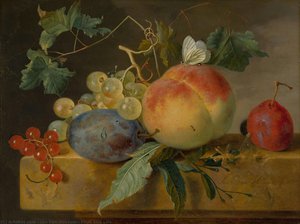 Fruit Still Life - Jan van Huysum
Step into a world of sensory indulgence with Jan van Huysum’s Fruit Still Life . This masterpiece is far more than a simple arrangement; it is a lush, breathing symphony of texture and light. As you gaze upon the velvety skin of sun-drenched peaches and the deep, jewel-toned luster of ripe grapes, you are witnessing the pinnacle of Dutch botanical precision. Van Huysum’s ability to capture the delicate weight of a single dewdrop or the fragile flutter of a butterfly resting on fruit creates an atmosphere of profound abundance.
Its inclusion in our top 25 at the Mauritshuis is essential because it redefines how we perceive nature's fleeting beauty. Through the subtle lens of vanitas , the painting reminds us to cherish the present moment amidst life's transient delights. At ArtsDot.com, we believe such evocative energy belongs in your everyday life. Imagine this vibrant explosion of color and light anchoring your dining room or study—transforming a quiet corner into a sophisticated sanctuary that celebrates both luxury and mindfulness. It is not just decor; it is an invitation to find extraordinary beauty in the details of your own home.
Venus Trying to Restrain Adonis from Departing for the Hunt - Peter Paul Rubens
 Venus Trying to Restrain Adonis from Departing for the Hunt - Peter Paul Rubens
To step before a Rubens is to feel the very pulse of the Baroque era. In Venus Trying to Restrain Adonis from Departing for the Hunt by Peter Paul Rubens, we encounter a breathtaking tug-of-war between divine affection and mortal destiny. This masterpiece earns its place among the top 25 artworks in 'Mauritshuis, The Hague' through its sheer emotional theatricality and technical virtuosity.
Rubens orchestrates a symphony of movement; you can almost feel the tension in Venus’s desperate embrace as she pleads with the young hunter to stay. His brushwork is legendary—vibrant, fleshy tones and a masterful use of chiaroscuro create a scene that feels alive with warmth and light. The lush, pastoral background, dotted with the quiet presence of animals, contrasts beautifully with the dramatic, swirling energy of the central figures. It is a profound exploration of passion versus duty, rendered in opulent golds and deep, emotive reds. Much like a well-placed piece of art in a modern home, this painting does more than decorate; it transforms a space into a sanctuary of storytelling and timeless human emotion.
River Landscape at Sunset - Aert van der Neer
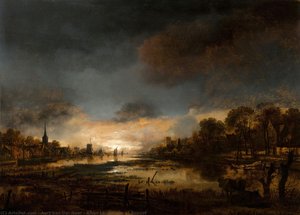 River Landscape at Sunset - Aert van der Neer
While many Dutch masters sought the bright clarity of midday, Aert van der Neer found his soul in the fading light, often painting during the very hours when the world began to blur into shadow. In River Landscape at Sunset , we witness a masterclass in atmospheric storytelling that secures its place among the top 25 artworks in 'Mauritshuis, The Hague'. Rather than focusing on grand, sweeping vistas, van der Neer captures a fleeting, intimate moment: a riverway bathed in fiery, twilight hues, where small boats drift silently beneath a heavy, cloud-streaked sky.
His technical genius lies in the delicate layering of glazes to achieve a luminous, glowing effect that mimics the sun's final descent. This ability to render profound stillness and the subtle textures of water and wood creates a sense of deep, meditative peace. For the modern professional, bringing such a piece into a home office or study can transform a workspace; its tranquil energy and rich, warm tones inspire a focused, sophisticated atmosphere perfect for deep thought and creative clarity.
Beach View - jacob isaackszoon van ruisdael
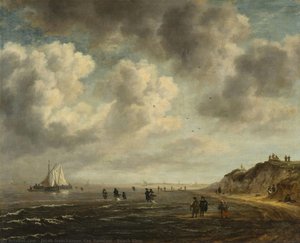 Beach View - jacob isaackszoon van ruisdael
In Beach View by Jacob Isaackszoon van Ruisdael, a palette of muted, silvery greys and soft, overcast blues dominates the canvas, evoking a mood of profound tranquility and contemplative stillness. As one of the top 25 artworks in 'Mauritshuis, The Hague' , this piece earns its prestigious place through Ruisdael’s mastery of atmospheric light. He moves beyond simple scenery to capture the very essence of a coastal breeze, using subtle tonal gradations that make the damp sand and shifting clouds feel almost tactile.
For those looking to curate a sophisticated modern interior, this painting offers an incredible blueprint for emotional lighting. The cool, diffused color scheme is perfect for creating a serene sanctuary in a contemporary bedroom or a calming focal point in a minimalist dining room. By integrating these soft, oceanic tones into your decor, you can bring the quiet strength of the Dutch Golden Age into your home, using the painting's natural rhythm to balance high-energy spaces with a sense of timeless, coastal peace.
Singing Round the Star on Twelfth Night - Cornelis Troost
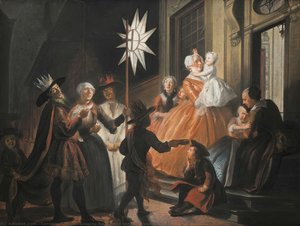 Singing Round the Star on Twelfth Night - Cornelis Troost
Imagine stepping into a warm, candlelit room where the air is thick with the scent of festive treats and the melodic hum of shared laughter. In Singing Round the Star on Twelfth Night , Cornelis Troost invites us to witness a luminous moment of pure communal joy. This masterpiece captures the 18th-century Dutch tradition of Epiphany, where families gathered to celebrate with song and light. As the central star-shaped lantern casts an ethereal glow over elegantly dressed figures and wide-eyed children, you can almost feel the palpable warmth of this Amsterdam celebration.
As one of the top 25 artworks in the Mauritshuis, The Hague, this piece earns its place through Troost’s theatrical brilliance. Drawing from his background as an actor, he uses soft Rococo pastels and expressive gestures to turn a simple gathering into a grand stage production. It is a profound reminder of the beauty found in togetherness and ritual. Bringing such a vibrant, light-drenched scene into your own home can transform a modern space, infusing it with a sense of timeless elegance and the comforting spirit of celebration.
A Meal of Oysters - Frans van Mieris
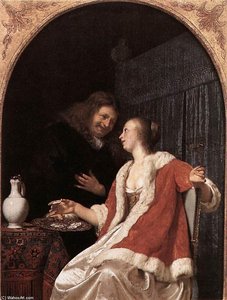 A Meal of Oysters - Frans van Mieris
What story does the shadowed alcove in A Meal of Oysters by Frans van Mieris tell? Within this intimate arched niche, we find a masterclass in the Dutch fijnschilder style—a technique where every brushstroke is so fine it almost disappears, leaving only hyperrealistic textures behind. Painted in 1661, this work stands among the top 25 artworks in 'Mauritshuis, The Hague' because it captures more than just a luxurious luncheon; it captures a pulse of clandestine desire. As you gaze at the shimmering sheen of the oysters and the heavy, opulent folds of the woman’s white gown, you feel the tension of a secret rendezvous.
The palette of rich reds, deep browns, and creamy highlights creates a dramatic, theatrical atmosphere that feels incredibly modern in its emotional depth. For those looking to bring a sense of historical intrigue and sophisticated drama into their own homes, this piece offers a perfect 'escape.' It invites you to transform a contemporary room into a space of storytelling, where the light and shadow evoke a timeless, curated elegance.
Still Life with Copper Pot, Cheese and Eggs - Jean-Baptiste-Siméon Chardin
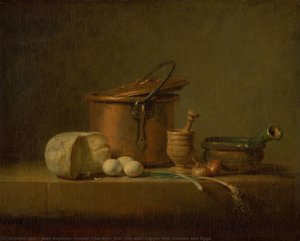 Still Life with Copper Pot, Cheese and Eggs - Jean-Baptiste-Siméon Chardin
In the quiet corners of the Mauritshuis, The Hague, a profound stillness resides within Still Life with Copper Pot, Cheese and Eggs by Jean-Baptiste-Siméon Chardin. This 1735 masterpiece captures a moment of domestic grace, where the humble textures of a weathered copper pot, the creamy weight of cheese, and the delicate smoothness of eggs are elevated to a poetic meditation on simplicity. It earns its place among the top 25 artworks in the Mauritshuis through Chardin’s ability to find the extraordinary within the ordinary.
The painting breathes with a soft, diffused light that dances across earthenware and metal, creating a sensory experience where colors whisper of warmth and quietude. There is a tactile honesty here—a celebration of imperfection that feels remarkably modern. For the contemporary home, this piece offers more than mere decoration; it brings a sense of grounded sophistication and calm. Its harmonious composition serves as an inspiration for anyone seeking to infuse their living space with a soulful, understated elegance that transcends the fleeting trends of time.
Cottages in a Forest - meindert lubbertszoon hobbema
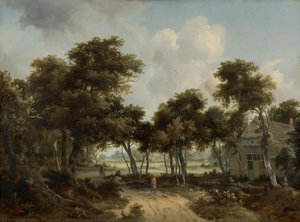 Cottages in a Forest - meindert lubbertszoon hobbema
There is a profound, quiet magic in Cottages in a Forest by Meindert Lubbertszoon Hobbema, where the sunlight of 1665 seems to dance eternally through a canopy of Dutch woodland. As one of the most captivating landscapes within the Mauritshuis collection in The Hague, this masterpiece earns its place among the top 25 artworks through its ability to transport the viewer into a realm of absolute pastoral serenity. Hobbema masterfully weaves together textures of mossy bark, sun-drenched glades, and the charming silhouettes of rustic cottages, creating a sense of depth that feels almost breathable.
The painting does more than capture a vista; it evokes a sensory journey where the soft rustle of leaves and the distant movement of figures invite deep contemplation. In today’s fast-paced world, bringing this piece into your home offers a sophisticated anchor of calm. Its harmonious palette of earthy greens and luminous golds provides a timeless way to introduce nature's restorative peace into a modern interior, making it an exquisite choice for anyone looking to decorate with soul and historical depth.
St Barbara - Parmigianino
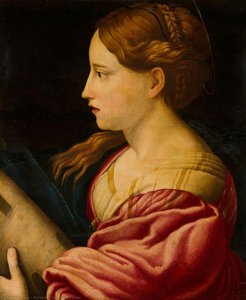 St Barbara - Parmigianino
To stand before Parmigianino’s St Barbara is to witness the very moment art began to breathe with a new, restless elegance. If you look closely at the surface, you can almost feel the transition from the High Renaissance to Mannerism through the artist's masterful use of sfumato . The way the smoky, soft edges dissolve around the saint’s delicate features creates an ethereal, translucent glow, making her skin appear as if lit from within. The rich, flowing texture of her red hair and the luminous pink of her garments provide a striking, tactile contrast to the somber religious symbols of her martyrdom.
This painting is a cornerstone of the top 25 artworks in 'Mauritshuis, The Hague' because it captures a profound psychological depth through elongated, graceful forms. At ArtsDot.com, we are inspired by this incredible materiality. Our handmade oil reproductions strive to preserve that same tactile, three-dimensional quality , ensuring that the visible brushstrokes and emotional weight of Parmigianino’s vision can bring a sense of sophisticated grace and historical prestige into your own home.
The Proposition - judith jans leyster
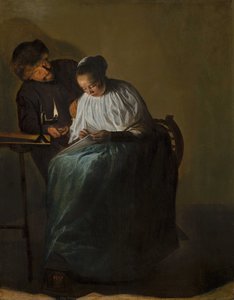 The Proposition - judith jans leyster
There is a profound, quiet tension in The Proposition by Judith Jans Leyster that pulls you directly into the intimate shadows of a 17th-century Haarlem home. It captures that universal, breathless moment when a routine afternoon is interrupted by an unspoken emotion. As you stand before this masterpiece in the Mauritshuis, you aren't just observing a scene; you are witnessing the delicate interplay of light and temptation. Leyster’s mastery of chiaroscuro creates a palpable atmosphere, where the soft glow on the woman’s sewing work contrasts with the man’s suggestive gesture, making the room feel heavy with silent narrative.
This work earns its place among the top 25 artworks in the Mauritshuis because it defies the era's limitations, showcasing a female pioneer’s ability to weave psychological depth into genre painting. At ArtsDot.com, we believe such evocative storytelling shouldn't be confined to museum walls. Our hand-painted oil reproductions meticulously recreate Leyster’s visible brushstrokes and luminous tonal ranges, allowing you to bring this sense of historical drama and soulful intimacy into your own living space, transforming a modern room into a gallery of timeless emotion.
Conclusion
As the golden light of dusk settles over The Hague, leaving the halls of the Mauritshuis in a soft, contemplative shadow, we are reminded that these masterpieces do much more than occupy museum walls; they breathe alongside us. To stand before a Vermeer or a Rembrandt is to realize that the emotions captured centuries ago—the quiet intimacy of a stolen glance, the profound weight of human dignity, and the delicate dance of light upon fabric—are the very same emotions we carry into our modern lives. These paintings are not static relics of a bygone era, but living presences that continue to shape our cultural heartbeat and our personal sanctuaries.
In our own homes, these works act as windows to a deeper sense of meaning. Whether it is the serene atmosphere of a Dutch landscape or the dramatic intensity of a portrait, bringing the essence of these treasures into your space allows for an eternal dialogue between history and your everyday life. They transform a house into a home filled with story, texture, and soul, inviting a sense of wonder into every room they inhabit. We invite you to continue this journey of discovery and find a piece of this timeless beauty to call your own by exploring our full collection .