

Curating Grandeur: The Role of Mythological Narratives in Luxury Hospitality Interiors
In the realm of high-end hospitality design, an interior is never merely a collection of furniture and finishes; it is a curated experience designed to transport the guest into a different state of being. For the discerning hotel designer, the challenge lies in transcending the transient nature of modern travel by anchoring a space with stories that possess eternal resonance. This is where the profound power of classical mythology becomes an indispensable tool. When we introduce themes from Greek and Roman lore, we are not simply decorating walls; we are weaving a tapestry of human history, philosophy, and emotion into the very fabric of the architecture. These narratives act as a psychological bridge, connecting the contemporary luxury of a boutique lounge to the ancient, shared archetypes of civilization.
The strategic use of mythological motifs allows a designer to establish an immediate sense of prestige and intellectual depth. A lobby adorned with references to the triumphs of Apollo or the serene grace of Venus does more than signal wealth; it communicates a sophisticated appreciation for the cultural foundations of Western art. By utilizing these legendary themes, designers can create environments that feel both grounded in tradition and elevated by imagination. The presence of such profound subject matter invites guests to linger, to contemplate, and to engage with their surroundings on a level that far exceeds the superficial, turning a standard stay into a memorable odyssey through legend and lore.
Iconic Archetypes: Selecting Classical Themes for Lobby, Lounge, and Suite Design
Selecting the appropriate mythological subject requires a nuanced understanding of how different archetypes influence the atmosphere of specific hotel zones. In high-traffic areas such as grand lobbies, themes of power, order, and divine light are particularly effective. The figure of Apollo, often depicted as a bringer of light and truth, can serve as a magnificent focal point, his radiant presence instilling a sense of clarity and regal stability within a vast architectural volume. Similarly, the structured grandeur of Neoclassical compositions—reminiscent of the precision found in the works of Thomas Banks—can reinforce an atmosphere of disciplined luxury and architectural rigor.
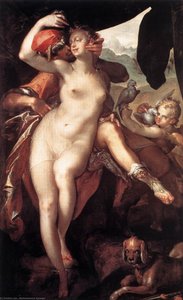
Conversely, for more intimate settings like private lounges or executive suites, designers may opt for themes that evoke passion, mystery, or tranquility. The figure of Venus, as the eternal embodiment of divine grace and celestial equilibrium, offers a softer, more sensual aesthetic that complements plush textures and warm lighting. In these spaces, the subtle interplay of light and shadow in a reproduction of a Renaissance masterpiece can create a sanctuary of repose. For more dynamic, social environments like hotel bars or vibrant dining rooms, the Dionysian energy found in works such as Poussin’s Bacchanal can inject a sense of celebratory movement and ecstatic joy, perfectly mirroring the lively spirit of the venue. The key is to align the mythological narrative with the intended emotional cadence of the room.
Technical Specifications: Hand-Painted Reproductions vs. Giclée Prints for High-Traffic Spaces
From a procurement perspective, the choice between hand-painted oil reproductions and Giclée prints is a critical decision involving both aesthetic impact and long-term durability. For flagship properties where the goal is to establish an uncompromising standard of excellence, 100% hand-painted oil reproductions on cotton canvas are the gold standard. These works possess a tactile depth that digital printing simply cannot replicate; the visible brushstrokes, the impasto texture, and the rich tonal range created by layered oils provide a three-dimensional quality that catches the light and commands attention. Such pieces are true investments in the property’s identity, offering a level of authenticity that resonates with the most sophisticated clientele.
However, for large-scale installations or secondary guest corridors where budget efficiency is paramount, high-quality Giclée prints offer a highly effective alternative. These archival 12-color ink reproductions provide exceptional color accuracy and can be deployed across much larger surface areas at a lower cost per square foot. While they lack the physical texture of oil, they serve as excellent visual anchors when integrated into a cohesive design scheme. Designers must weigh the "soul" of the piece—the inimitable character of hand-painted art—against the functional requirements of the project. For high-traffic areas prone to environmental fluctuations, ensuring that all selections, whether oil or print, are finished with protective varnishes or archival coatings is essential for maintaining vibrancy and preventing degradation over decades of use.
Scale and Composition: Utilizing Multi-Panel Layouts and Large-Format Murals for Architectural Impact
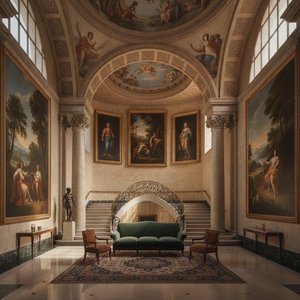
The architectural scale of a luxury hotel demands art that can hold its own against soaring ceilings and expansive walls. Traditional single-canvas formats often fall short in these monumental spaces, leading to a visual imbalance where the artwork feels lost within the architecture. To combat this, the use of multi-panel layouts—splitting a singular mythological scene across three, four, or even five vertical panels—has become a transformative trend in modern hospitality design. This technique, known as polyptych composition, allows a single narrative to expand horizontally, guiding the eye across a wide wall or staircase and creating a sense of cinematic continuity that mirrors the grandeur of the space itself.
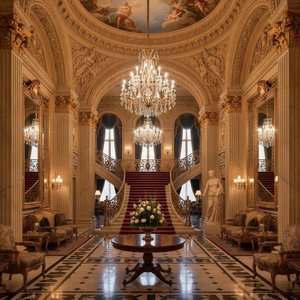
For even more ambitious projects, large-format murals and ceiling frescoes offer the ultimate opportunity for immersive storytelling. Recreating the effect of historical masterpieces, such as the breathtaking vistas found in the Apollo Grotto at Versailles, allows a designer to transform a standard ceiling into a celestial canopy. These massive canvas rolls can be installed with the precision of high-end wallpaper, effectively turning an entire room into a cohesive piece of art. When executed correctly, these large-scale interventions do not merely decorate a space; they redefine its very dimensions, creating an architectural illusion of infinite depth and historical weight that leaves a lasting impression on every guest.
Procurement Logistics: Managing Bulk Orders, Custom Sizing, and Global Delivery for Hospitality Projects
For the procurement manager or hotel designer, the success of an art installation hinges on operational reliability and the ability to manage complex, large-scale orders. Managing a project that requires dozens of unique pieces across multiple floors necessitates a supplier capable of handling high-volume, repeatable standard sizes while offering the flexibility for bespoke customization. The ability to request "period shifts"—such as transforming a contemporary concept into a 17th-century Baroque style—or to adjust color palettes to match specific interior finishes is vital for maintaining design integrity across a global brand.
Efficiency in the supply chain is non-negotiable. A professional procurement process must include transparent order tracking, digital mockups for approval before production begins, and rigorous quality control. This ensures that when the artwork arrives, it integrates seamlessly into the planned environment without the need for costly on-site corrections. Furthermore, global logistics expertise—including specialized packaging for rolled or framed works and seamless management of international customs and VAT documentation—is essential for projects spanning multiple territories. By partnering with a supplier that understands the rigors of B2B hospitality requirements, designers can focus on their creative vision, confident that the logistical execution will be as flawless as the art itself.
All professional art services and high-volume reproductions described in this guide are provided by ArtsDot.com. We specialize in supporting the global hospitality industry with museum-quality hand-painted oils, large-scale murals, and custom commissions tailored to the needs of architects and procurement managers worldwide.