The New Gothic: Why Medieval Drama is the Ultimate Mood for Modern Interiors
Late Gothic Period that saw the impact of the Black Death but also continued development of Humanism, the growth of cities, education, and economic prosperity.
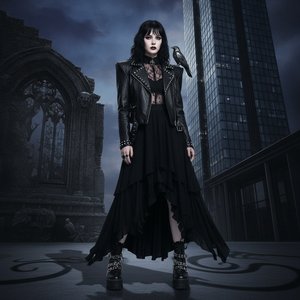
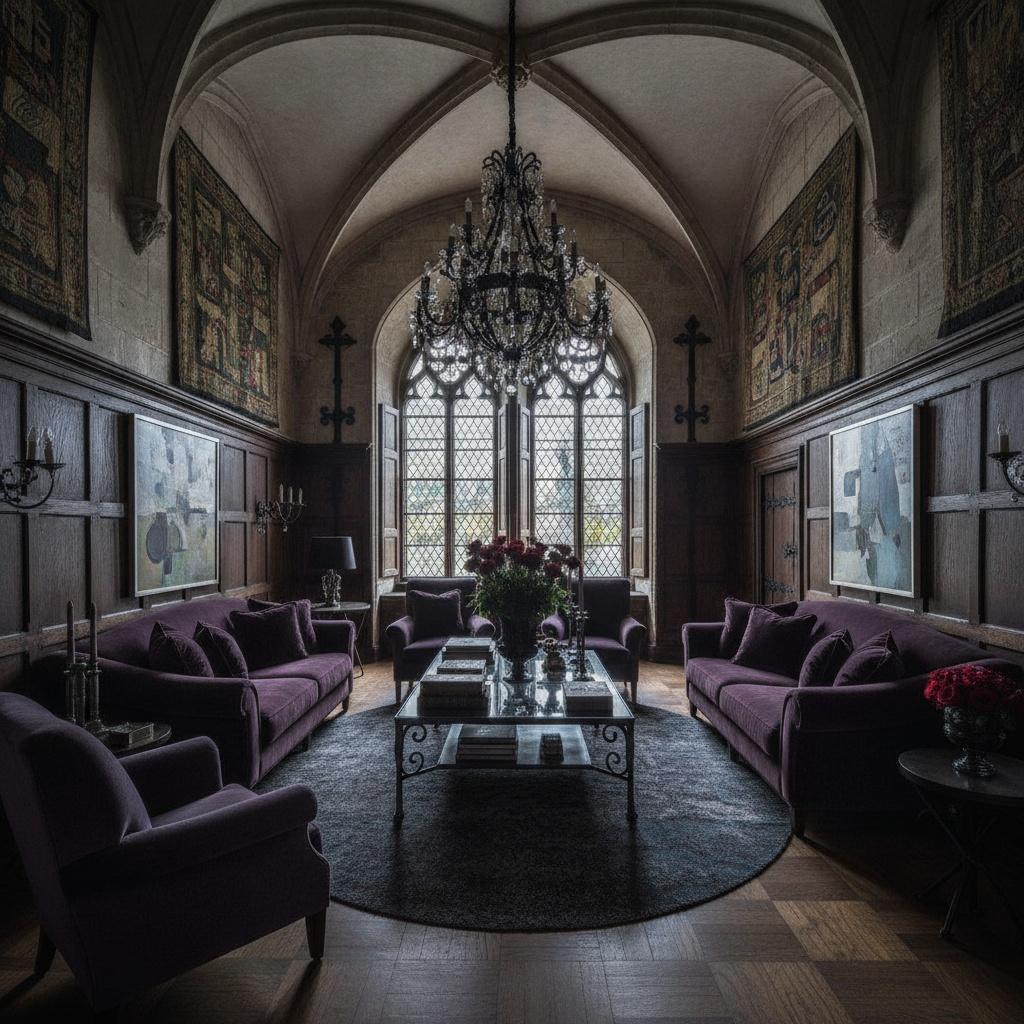
Forget everything you think you know about the "Dark Ages." The current design zeitgeist isn't about gloom; it is about drama, depth, and a profound sense of presence. We are witnessing a massive cultural pivot away from the sterile, hyper-minimalist "sad beige" era toward something much more visceral. This movement draws its energy from the Late Medieval period—a time when art began to breathe with a new, humanistic pulse. For the modern urban professional, this isn's just about decorating; it is about curation and character. We are seeing a resurgence of interest in textures that tell a story, where the heavy shadows of the past meet the sharp, high-contrast lighting of contemporary life. It is an aesthetic of intentionality, where every piece of art serves as an anchor in an increasingly digital and ephemeral world.
This trend thrives on the tension between the old and the new. Just as street art disrupts a clean concrete wall, Late Gothic elements disrupt the flat surfaces of modern architecture. It is about bringing that sense of sacred gravity into a loft or a high-rise apartment, creating a space that feels established, even if you only moved in last month. The mood is unapologetically bold, favoring the weight of history to balance the lightness of modern living.
Beyond the Dark Ages: Decoding the High-Contrast Aesthetic of Late Gothic Art
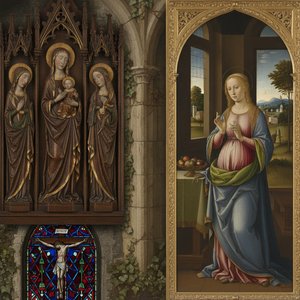 Late Gothic Art: The Divine Transition from Medieval Symbolism to Renaissance Naturalism
The Twilight of Medieval Vision: Defining the Late Gothic Aesthetic The Beauty of Late Gothic Art: Elegance, Intricate Detail, and the Dawn of the Renaissance The Twilight of the Middle Ages: Defining the Late Gothic Aesthetic As the sun began to set...
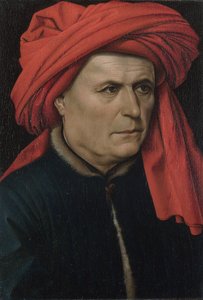
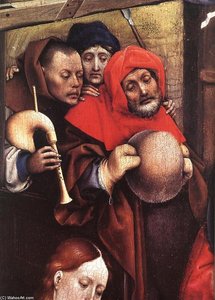
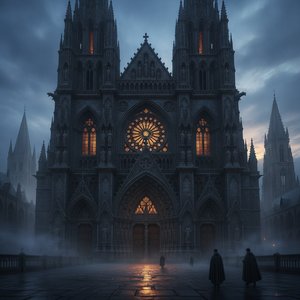
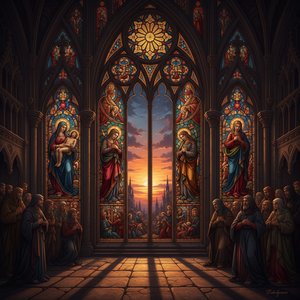
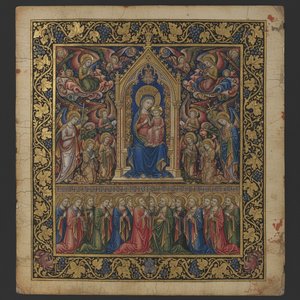
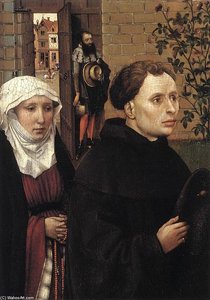
To master this look, one must understand that the Late Gothic period was actually a radiant dusk. It was a transitionary era where the rigid, intimidating iconography of earlier centuries began to melt into something much more fluid and luminous. Artists like the Master of the Aachen Altarpiece or the creators of the Annunciation works utilized breathtaking luminosity and intricate glazing techniques that feel incredibly modern in their visual impact. This wasn't just about religious devotion; it was about a new fascination with light, color, and the intersection of the earthly and the divine.
The aesthetic power lies in its high-contrast DNA. Imagine the deep, saturated hues of a medieval robe set against a backdrop of gold leaf or stark, architectural shadows. This is the precursor to the high-impact visuals we crave in modern graphic design and pop culture. When we look at the transition from medieval symbolism toward Renaissance naturalism, we see the birth of psychological depth. The figures are no longer just symbols; they possess volume, weight, and an emotional resonance that mirrors our own desire for authenticity. By embracing these high-contrast elements—the interplay of rich earth tones with sudden, vibrant splashes of color—we can create interiors that feel both intellectually stimulating and visually arresting.
From Altarpieces to Statement Walls: Integrating Intricate Details into Urban Spaces
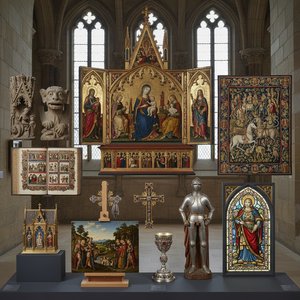 Late Medieval Masterpieces: 10 Artworks That Defined an Era | ArtsDot
Introduction Imagine stepping back in time—to a world emerging from shadow, where faith and reason wrestled for dominance, and artistic expression blossomed with newfound complexity. The 13th to late-Medieval period (roughly the 1000s through the ear...
How do you take a monumental triptych designed for a cathedral and make it work in a contemporary studio? The secret lies in scale and fragmentation. We are seeing a massive trend in using large-format, multi-panel layouts to break up expansive walls. Instead of a single, overwhelming image, the use of 3, 4, or 5-panel configurations allows the intricate details of Gothic art—the delicate architectural flourishes, the swirling drapery, and the symbolic flora—to flow across a room like a cinematic wide shot. This approach turns a wall into an immersive experience rather than just a surface for decoration.
Integration is all about texture and layering. The heavy, tactile nature of oil paintings on cotton canvas provides the perfect counterpoint to the smooth glass and steel found in modern urban design. To avoid making a space feel like a museum, focus on "statement" pieces that act as focal points within a curated collection. You might pair a reproduction of an intricate medieval manuscript with sleek, contemporary furniture or even bold, abstract prints. The goal is to create a visual dialogue where the meticulous craftsmanship of the past breathes new life into the architectural lines of the present.
The Remix Era: Blending Renaissance Naturalism with Contemporary Streetwear Energy
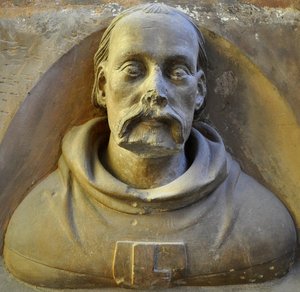 peter parler
Pietro Cavallini: A Master of Roman Naturalism in Late Medieval Italy Pietro Cavallini, born around 1240 in Rome and tragically dying circa 1330 in the same city, stands as a pivotal figure bridging the Gothic and Early Renaissance periods in Italian...
We are living in the age of the remix. Just as hip-hop samples classic soul and jazz, modern interior design is sampling the textures of the Late Middle Ages to create something entirely new. This is where the "pop" meets the "period." There is an incredible energy in seeing a piece that captures the Renaissance naturalism—the realistic anatomy and light-drenched landscapes—placed alongside the bold, graphic language of contemporary art. It is a collision of worlds: the sacred meeting the street.
This trend-driven approach allows for total creative freedom. You can take the "Period Shift" concept to its extreme, requesting that a modern portrait be reimagined with the impasto brushstrokes or the luminous glazing of a 15th-century master. This isn't about being a historian; it is about being a curator of vibes. By treating art history as a palette of styles rather than a set of rules, we can create spaces that feel culturally literate and deeply personal. It is about taking the emotionality of the Late Gothic era and injecting it with the high-octane, visual impact of today's design culture.
Curating the Chaos: How to Pair Gold Leaf and Sacred Symbolism with Minimalist Design
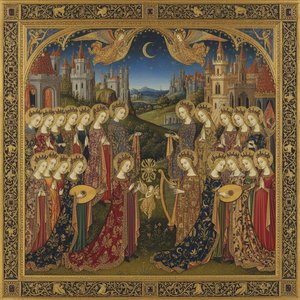 The Magic of International Gothic: Elegance, Gold, and Courtly Splendor in Medieval Art
The Radiant Dusk: Defining the International Gothic Aesthetic The Radiant Dusk of Medieval Vision: Exploring Late Gothic Art's Synthesis of Faith, Form & Emotionality (c. 1300-1500) Introduction: The Twilight of Gothic – A New Aesthetic Sensibility T...
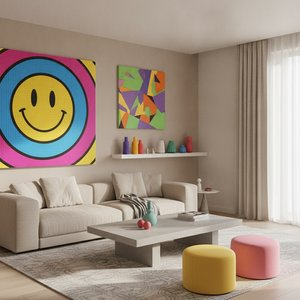
The final frontier of this trend is the art of controlled chaos. The challenge for any designer or collector is preventing a space from feeling cluttered or overly heavy. The key is to use the most dramatic elements—the gold leaf, the intense symbolism, and the deep shadows—as strategic accents within a minimalist framework. Think of it as "Gothic Pop." You provide a clean, neutral canvas through your architecture and furniture, then introduce high-impact art that demands attention.
When pairing these styles, focus on color analysis and balance. A room with white walls and natural wood can be transformed by a single, large-scale oil reproduction featuring rich, saturated pigments. Use the artwork to dictate your accent colors for textiles or accessories. By treating the intricate details of medieval art as a premium design element rather than a historical relic, you achieve a sophisticated, trend-forward aesthetic that is both timeless and incredibly current. It is about finding the equilibrium between the weight of history and the lightness of modern life.
At ArtsDot.com, we specialize in making these legendary aesthetics accessible to the modern collector. Whether you are looking for a bespoke Handmade Oil Reproduction that brings the drama of the Renaissance into your home, or you want to use our AI Masterpiece Tool to transform a personal photo into a Gothic-inspired work of art, we provide the bridge between eras. From custom multi-panel sets to professional digital mockups, our mission is to help you curate a space that is as bold and impactful as you are.