
The Historical Crucible: Counter-Reformation and the Birth of Baroque Emotion
 Counter-Reformation
The Counter-Reformation (Latin: Contrareformatio), also sometimes called the Catholic Revival or the Catholic Reformation, was the period of Catholic resurgence that was initiated in response to and as an alternative to, or from similar insights as, ...
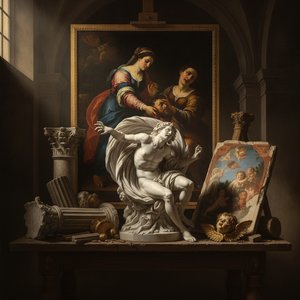
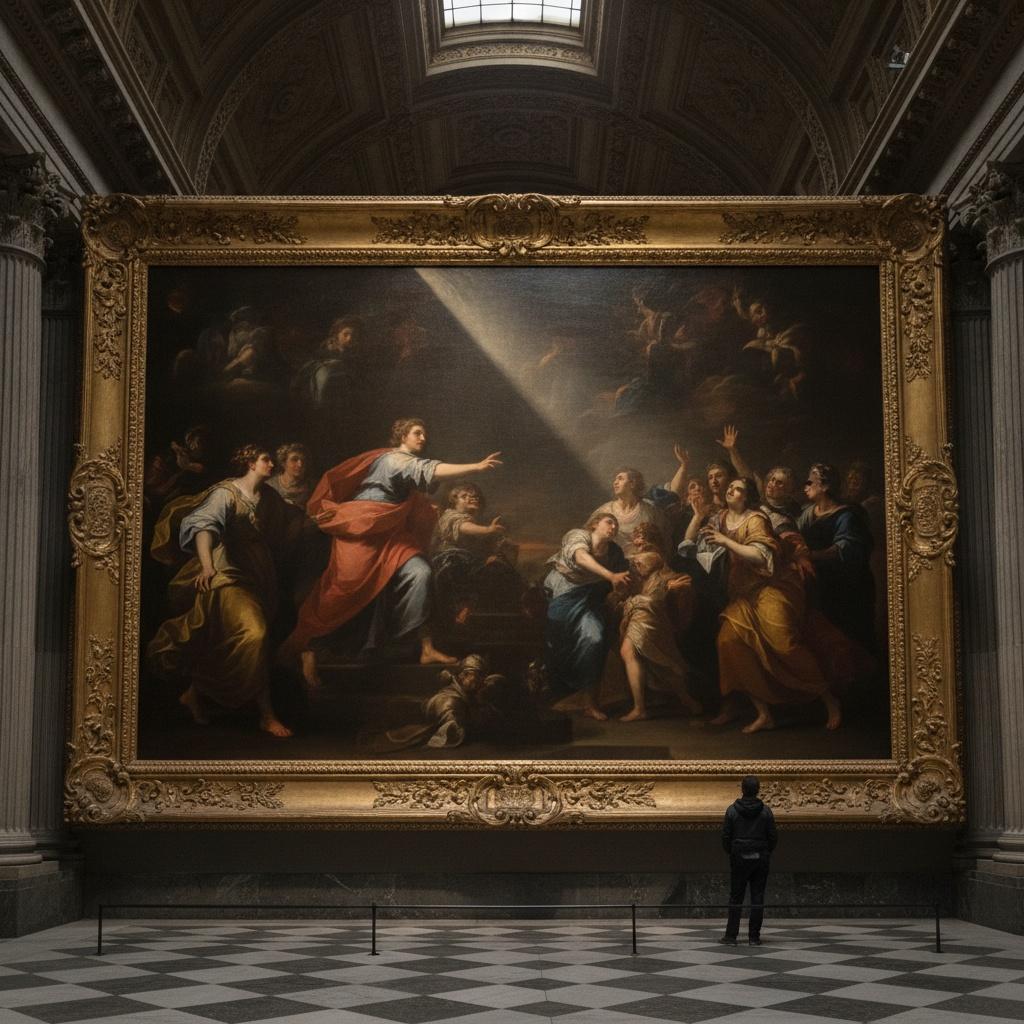
To understand the breathtaking tension within the Baroque era, one must first look beyond the canvas and into the fractured soul of seventeenth-century Europe. This was an age defined by profound upheaval, where the serene stability and mathematical perfection of the High Renaissance had given way to a landscape of religious and political struggle. The Protestant Reformation had challenged the very foundations of papal authority, prompting the Catholic Church to launch the Counter-Reformation—a period of spiritual resurgence known as the Catholic Revival. This movement was far more than a theological debate; it was a sophisticated visual campaign designed to reclaim the hearts and minds of the faithful.
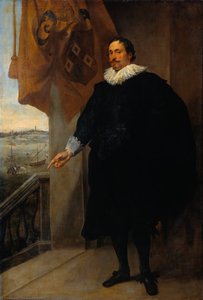
Through the decrees of the Council of Trent, the Church sought to move away from the artificiality of Mannerism toward an aesthetic that could be both direct and visceral. The goal was to commission art that could move the soul, inspire awe, and visually demonstrate the triumph of faith. Simultaneously, the political architecture of Europe was being rebuilt through the rise of absolutist monarchies. As sovereigns consolidated their power, they demanded a new visual language—one that projected strength, wealth, and a divine right to rule. This convergence of religious fervor and political ambition created a unique demand for art that could be both emotionally stirring and intellectually imposing, laying the groundwork for the grandeur we recognize today.
Chiaroscuro and Tenebrism: The Masterful Manipulation of Light and Shadow
 Drama & Light: The Captivating Power of Baroque Painting and the Mastery of Chiaroscuro
The Great Shift: From Renaissance Harmony to Baroque Emotion The Visceral Stage: Exploring Dramatic Narratives & Emotional Intensity in Baroque Art The Baroque Embrace of Emotion: A Shift from Renaissance Rationality Wikipedia: Baroque painting Baroq...
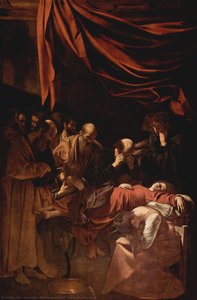
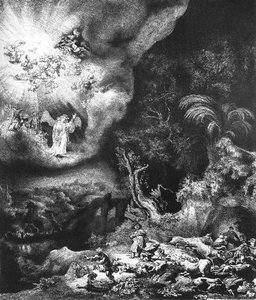
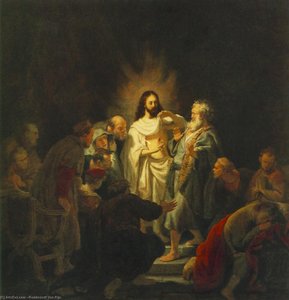
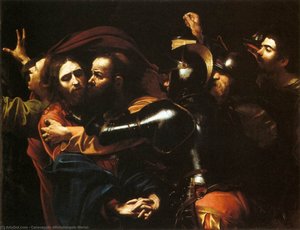
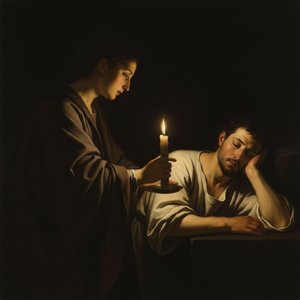
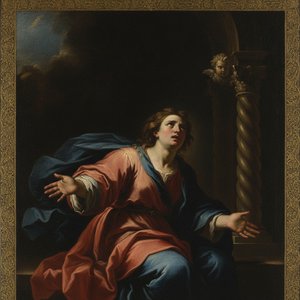
If the Counter-Reformation provided the soul of the Baroque, then light provided its heartbeat. The most defining technical achievement of this era was the mastery of chiaroscuro—the dramatic interplay between light and dark. While Renaissance masters used light to create volume and clarity, Baroque painters utilized it to create conflict. This evolved into even more extreme forms like tenebrism, where darkness becomes a dominant, suffocating presence, pierced only by sudden, violent shafts of illumination. This technique does not merely illuminate a subject; it isolates it, forcing the viewer to confront the raw intensity of the moment.
In the hands of masters, light became a narrative tool capable of conveying profound psychological depth. Consider how a single, directed beam can transform a mundane scene into a divine encounter, or how deep shadows can shroud a figure in mystery and tension. This manipulation of light serves to direct the eye, much like a spotlight on a theatrical stage, ensuring that the most critical emotional beats of the composition are never missed. It is this very technique that allows a painting to pulsative with life, creating a sense of presence that transcends the flat surface of the canvas.
Architectural Grandeur: From the Basilica Form to the Illusion of Infinite Space
 Il Gesù
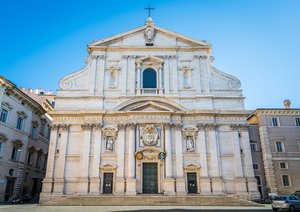
A Baroque Masterpiece of Faith and Light In the heart of Rome, where the echoes of the Counter-Reformation still resonate through ancient cobblestones, stands Il Gesù—a sanctuary that serves as a profound testament to the power of visual persuasion. ...
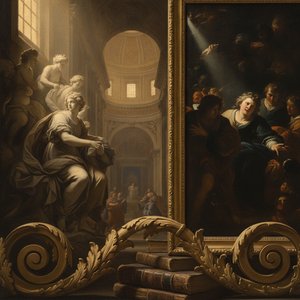
The Baroque impulse toward drama was not confined to the easel; it transformed the very structures of the world. Moving away from the balanced, centralized plans of the High Renaissance, architects embraced the longitudinal basilica form. This was a deliberate choice designed to draw the eye and the soul toward the high altar, creating a sweeping nave that maximized space for communal devotion. A profound example can be found in Rome’s Il Gesù, where the architecture serves as a bold declaration of Catholic triumph, enveloping the worshiper in a sense of divine presence.
This era also saw the rise of breathtaking illusions, where the boundaries between the earthly and the celestial began to blur. Through the masterful application of trompe-l'œil techniques, ceilings appeared to dissolve entirely, replaced by swirling vortices of light and clouds that seemed to spill over architectural edges into the viewer's space. Whether in the monumental altarpieces of Flemish masters like Gaspar de Crayer or the intricate sculptures within Hungarian Baroque churches, the architecture was designed to overwhelm the senses, creating a sense of infinite depth and spiritual ecstasy that remains unparalleled in art history.
Theatricality in Motion: Capturing Movement, Tension, and Human Drama
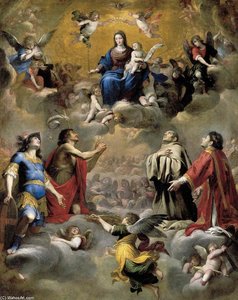 Giovanni Battista Carlone
Giovanni Battista Carlone: A Genoese Baroque Prodigy Giovanni Battista Carlone (1603 – 1684) stands as a remarkable figure in the history of Genoese Baroque art, embodying prolific creativity and skillful execution within a familial artistic lineage....
Baroque art is never static; it is an art of the moment, captured in mid-breath. Unlike the poised and eternal stillness of classical figures, Baroque subjects are often caught in states of extreme physical or emotional exertion. There is a palpable sense of movement—the twisting of a torso, the fluttering of drapery, the sudden recoil of a figure in fear. This theatricality creates a visceral connection with the viewer, inviting us not just to observe a scene, of to participate in its unfolding drama.
This energy is found in everything from the muscular, dynamic compositions of the Bolognese school, influenced by the Carracci, to the sweeping, energetic brushwork of Peter Paul Rubens. Even in more localized traditions, such as the works of the Genoese prodigy Giovanni Battista Carlone, one finds a dedication to movement and familial lineage expressed through sculptural painting. The goal was always to achieve a sense of narrative intensity, where every muscle tension and every dramatic gesture contributes to a larger story of human struggle, divine intervention, or heroic triumph.
Baroque Classicism: Reconciling Divine Order with Raw Intensity
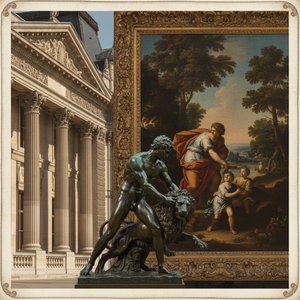 Baroque Classicism: The Grandeur of Order and Drama in 17th-Century Art History
The Historical Crucible: Counter-Reformation and the Rise of Absolutism Baroque Classicism: Reconciling Drama & Order in 17th-Century Art The Historical Context: Counter-Reformation & Absolutism Wikipedia: Counter-Reformation The Counter-Reformation ...
As the era progressed, a fascinating stylistic tension emerged known as Baroque Classicism. This movement sought to reconcile the raw, emotive energy of the early Baroque with the enduring dignity and order of classical tradition. It was an attempt to find balance—to maintain the breathtaking drama and emotional depth that defined the age while reintroducing a sense of structural clarity and monumental stability. This tension between chaos and order is perhaps the most profound legacy of the 17th century.
In these works, we see the grandeur of order meeting the power of drama. The compositions are often more structured and less frenetic than their predecessors, yet they retain that essential Baroque spark—the deep tonal ranges, the rich textures, and the evocative use of light. It is a style that honors the intellectual rigor of the past while embracing the emotional revolution of the present. For the modern collector, these works offer a window into a period where art was used to bridge the gap between the earthly and the divine, creating a timeless aesthetic that continues to captivate the human spirit.
At ArtsDot.com, we celebrate this enduring legacy of the Old Masters. We specialize in bringing these monumental moments of history into the modern home through museum-quality, hand-painted oil reproductions. Our master artists, each holding degrees from prestigious academies, meticulously recreate the visible brushstrokes and deep tonal ranges of the Baroque era on 100% cotton canvas. Whether you seek a large-scale theatrical masterpiece or a custom "remix" that transforms a personal memory into a 17th-century treasure, our commitment to academic excellence ensures that every piece is a testament to the profound power of art history.