The Foundations of Order: Defining the Principles of Academic Classicism
 Mastering Perfection: A Definitive Guide to the Elegance and Precision of Academic Classicism
The Foundations of Order: Defining the Principles of Academic Classicism To understand the profound allure of Academic Classicism, one must first look beyond the surface of the canvas and into the rigorous intellectual framework that governs it. This...
To step into the world of Academic Classicism is to leave behind the frantic, unscripted energy of the modern age and enter a sanctuary of profound logic and historical reverence. This movement was never merely an aesthetic preference or a passing trend; it was a disciplined, intellectual pursuit of truth through the lens of order and clarity. At its very core, Academic Classicism emerged as a necessary reaction against the perceived chaos of more emotive, spontaneous styles, seeking instead to anchor the human spirit in the timeless principles of antiquity. It is an art form rooted in the conviction that true beauty is not found in the accidental or the raw, but in the carefully structured and the mathematically harmonious.
The profound allure of this style lies in its ability to look beyond the surface of the canvas and into a rigorous intellectual framework. By adhering to established canons of proportion, the Academic artist seeks to capture the eternal essence of human experience, using the structured language of line and form to communicate universal truths that resonate across centuries. There is a profound sense of stability in these works, providing a quiet power that transcends the ephemeral nature of daily life. This pursuit of perfection demands more than just raw talent; it requires a dedication to the belief that art should serve as a mirror to the idealized, permanent structures of the universe rather than the fleeting shadows of a single moment.
The Pursuit of Ideal Beauty: Technique, Proportion, and Anatomical Precision
 The Timeless Elegance of Academic Painting: A Journey Through Mastery, Tradition, and Technical Perfection
The Foundations of Excellence: Defining the Academic Tradition Academic art Academic art, academicism, or academism, is a style of painting and sculpture produced under the influence of European academies of art. This method extended its influence th...
In the realm of Academic art, the artist’s brush serves as an instrument of scientific precision. The movement is characterized by an unwavering commitment to technical excellence, where the mastery of anatomy and the subtle manipulation of light are paramount. Unlike movements that celebrate the visible struggle of the artist or the texture of the medium, Academicism strives for a finish so smooth and refined that the hand of the creator seems to vanish, leaving only the perfection of the subject itself. This pursuit involves an intense study of the human form, ensuring that every muscle, tendon, and bone is rendered with anatomical accuracy, yet elevated toward an idealized state of grace.
This technical rigor extends to the use of light and shadow, often referred to as chiaroscuro, which is employed not merely for drama but to define volume and sculptural depth. The goal is a seamless integration of form and atmosphere, where the edges of figures are defined by clarity rather than ambiguity. Through the meticulous application of layers—often involving glazes that allow light to penetrate the surface—the Academic painter achieves a luminous quality that breathes life into the canvas. It is a disciplined dance between the physical reality of the medium and the metaphysical aspiration toward perfection, creating works that feel both tangibly present and divinely inspired.
The Hierarchy of Genres: History Painting and the Intellectual Core of Art
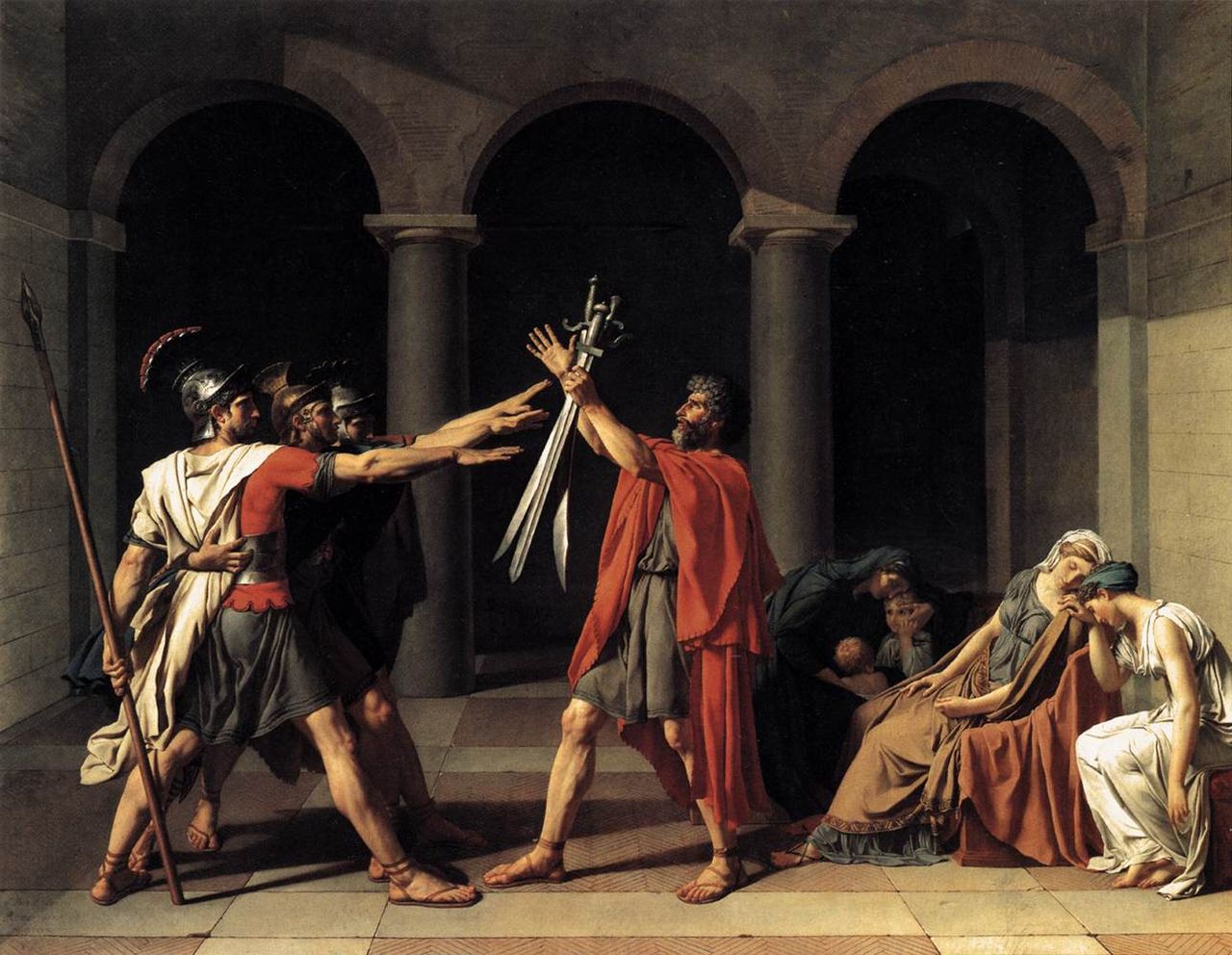 Classicism
Classicism, in the arts, refers generally to a high regard for a classical period, classical antiquity in the Western tradition, as setting standards for taste which the classicists seek to emulate. In its purest form, classicism is an aesthetic atti...
Central to the Academic tradition was a strict hierarchy of genres, a system that organized artistic subject matter based on its perceived intellectual and moral weight. At the pinnacle of this pyramid stood History Painting. This genre was considered the highest form of art because it required the artist to engage with the most profound themes of human existence: classical mythology, biblical narratives, and significant historical events. A successful history painting was not merely a depiction of a scene; it was an epic poem rendered in oil, demanding that the viewer possess a deep understanding of literature, philosophy, and ancient history to fully grasp its narrative complexity.
To master this genre, an artist had to be a scholar as much as a painter. The composition of a history painting required a complex arrangement of figures, where every gesture, gaze, and placement served a greater moral or didactic purpose. This was the era of the "Great Tradition," where art was tasked with educating the soul and upholding the values of civilization. By depicting the triumphs and tragedies of antiquity, Academic artists provided a visual language for the virtues of courage, sacrifice, and wisdom. This intellectual depth ensured that the artwork functioned as a conduit for cultural memory, anchoring the viewer in a shared heritage of human achievement.
The Legacy of the Academies: From European Institutions to Global Influence
 Academic art
Academic art, academicism, or academism, is a style of painting and sculpture produced under the influence of European academies of art. This method extended its influence throughout the Western world over several centuries, from its origins in Italy...
The dissemination of these classical ideals was made possible through the establishment of powerful art academies across Europe and beyond. These institutions, such as the prestigious French
Académie des Beaux-Arts, were designed to replace the medieval guilds and systematize the teaching of art through a rigorous, standardized curriculum. The influence of these academies was immense; they controlled the standards of taste, the art market, and even the official cultural ideology of many nations. From the mid-16th century until the early 20th century, the methods developed within these halls shaped the visual landscape of the Western world.
The reach of Academicism was truly global, as its principles were exported through artistic missions and the movement of trained masters. We see traces of this influence in the work of sculptors like Zheko Spiridonov, who bridged European academic traditions with a burgeoning Bulgarian national identity, and in the architectural Neoclassicism of figures like Grandjean de Montigny in Brazil. Even in the United States, institutions like the Pennsylvania Academy of Fine Arts (PAFA) became bastions for preserving these classical lineages. While the rise of modernism eventually challenged the dominance of the academies, the foundational principles of proportion, clarity, and technical mastery they instilled continue to resonate in the DNA of fine art today.
Timelessness in the Modern Home: Preserving Classical Elegance through Masterful Reproductions
 The Timeless Elegance of Academic Classicism: A Journey Through Order, Precision, and the Pursuit of Perfection
The Foundations of Order: Defining the Principles of Academic Classicism Mastering Perfection: A Definitive Guide to the Elegance and Precision of Academic Classicism The Foundations of Order: Defining the Principles of Academic Classicism To underst...