The Last Scion: Pu Xinyu’s Imperial Lineage & Artistic Destiny
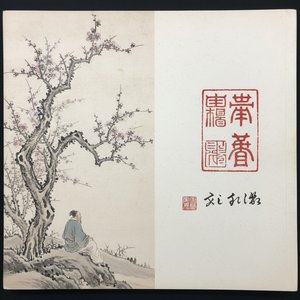
Puru (Chinese: 溥儒; August 30, 1896 – November 18, 1963), also known as Pu Xinyu and Xishan Yishi, was a traditional Chinese painter, calligrapher and nobleman. A member of the Manchu Aisin Gioro clan, the ruling house of the Qing dynasty, he was a co...
Pu Xinyu, known to the art world as Puru (溥儒; 1896-1963), occupies a unique and poignant position in the annals of Chinese painting. More than simply a gifted artist, he was a living embodiment of a fading dynasty – a direct descendant of the Manchu Aisin Gioro clan, the ruling house of the Qing Empire. This lineage, inextricably linked to the last Emperor Puyi, casts a long shadow over his life and work, imbuing his art with a sense of melancholy beauty and quiet resilience. Born into privilege yet witnessing profound upheaval, Puru’s artistic path was not merely a pursuit of aesthetic excellence but a conscious preservation of tradition in the face of revolutionary change. His very existence represented a continuity that history threatened to sever, making him a figure of both cultural significance and personal tragedy.
The speculation surrounding his potential succession to the throne – though ultimately unrealized – speaks volumes about the weight of expectation placed upon him. However, Puru eschewed political ambition, finding solace and purpose within the refined world of art. He retreated into a life dedicated to mastering the techniques of his ancestors, immersing himself in the study of ancient masters at the Jietai Monastery near Beijing. This period of seclusion proved formative, allowing him to cultivate a deeply personal style rooted in the literati tradition – a realm where artistic expression was inextricably linked with scholarship, poetry, and moral cultivation.
Ink Wash Painting: A Tradition of Spirit Over Form
Ink wash painting (simplified Chinese: 水墨画; traditional Chinese: 水墨畫; pinyin: shuǐmòhuà) is a type of Chinese ink brush painting which uses washes of black ink, such as that used in East Asian calligraphy, in different concentrations. It emerged duri...
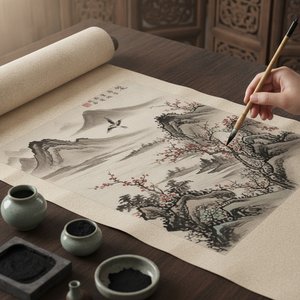
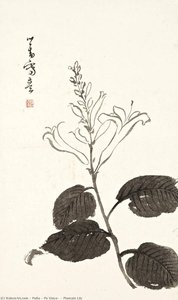
To understand Puru’s art is to understand the profound philosophy underpinning ink wash painting, or shuǐmòhuà (水墨畫). Emerging during the Tang dynasty, this distinctive style represented a radical departure from earlier, more representational techniques. It wasn't about meticulous replication of reality but rather capturing the *essence* of a subject – its spirit, its energy, its underlying vitality. Unlike Western painting traditions that prioritize color and precise detail, ink wash relies on the subtle gradations of black ink, applied with varying pressure and water content to create a monochrome world of evocative forms.
The emphasis lies not in *what* is depicted but *how* it is depicted. Virtuoso brushwork becomes paramount – each stroke imbued with intention, conveying movement, texture, and emotion. The vast empty spaces within the composition are as crucial as the painted elements themselves, inviting contemplation and allowing the viewer to participate in completing the image through their own imagination. This tradition flourished during the Song dynasty, becoming closely associated with scholar-officials who used painting not merely as a decorative art but as a means of self-expression and spiritual refinement.
Puru's Mastery of Brush and Ink: Technique, Style, and Subject Matter
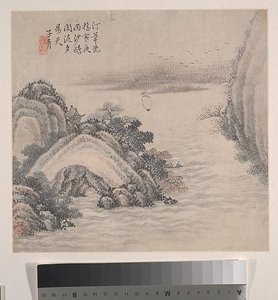
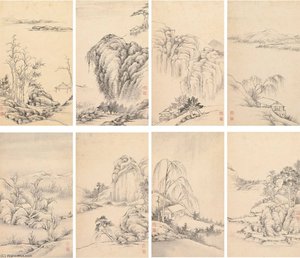
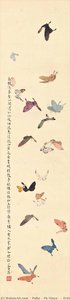
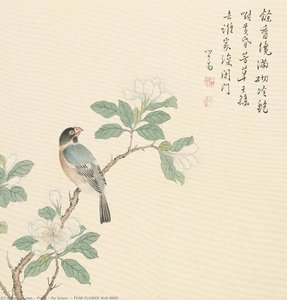
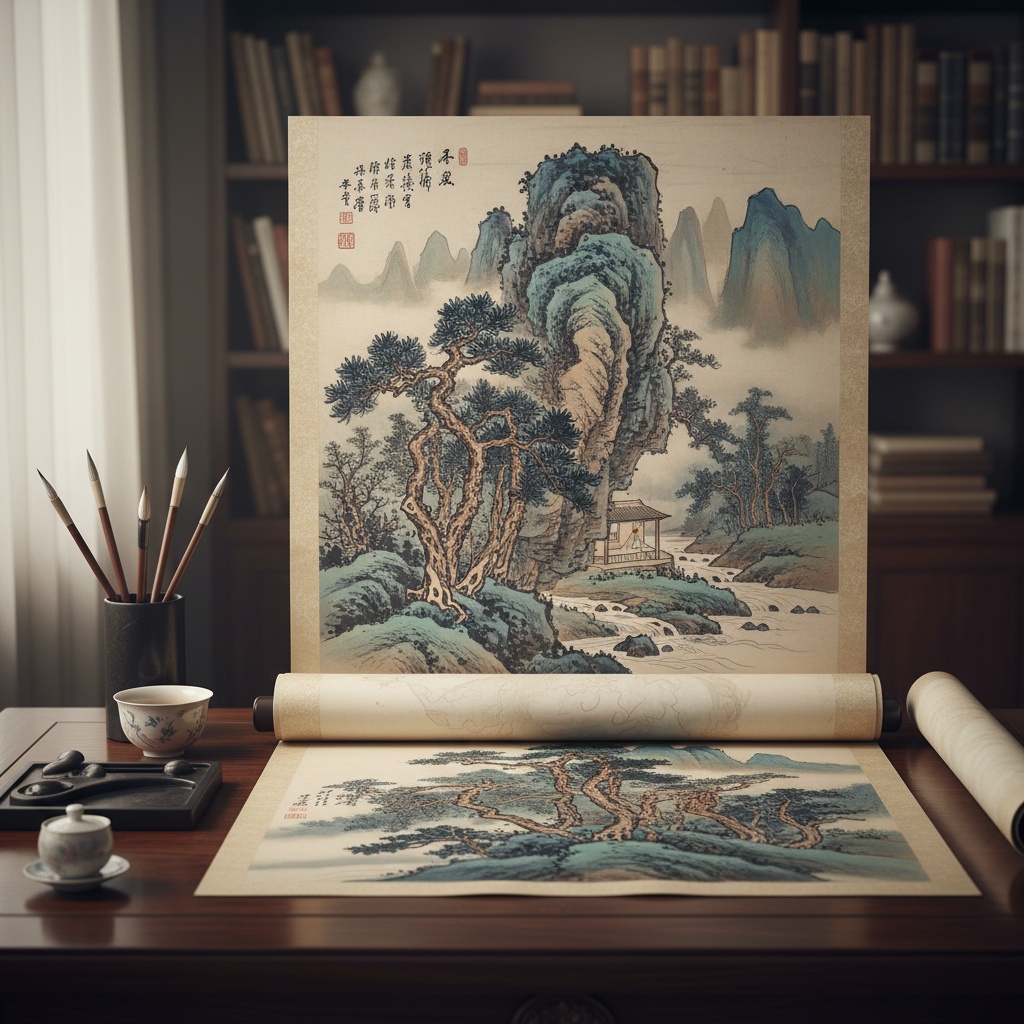
Puru’s artistic prowess lay in his ability to seamlessly blend technical mastery with profound emotional depth. He excelled in the traditional subjects favored by literati painters – landscapes, bamboo, flowers, birds, and figures. His landscapes, though often inspired by real locations, were never mere copies of nature. Instead, they evoked a sense of idealized beauty, imbued with a quiet serenity that reflected his own inner state. The shan shui style – “mountain-water” painting – was particularly central to his oeuvre, showcasing dramatic peaks and flowing rivers rendered with delicate brushstrokes and subtle washes.
However, it is perhaps Puru’s bamboo paintings that best exemplify his unique artistic voice. Bamboo, in Chinese culture, symbolizes resilience, integrity, and unwavering strength. His depictions of bamboo are not simply botanical studies; they are metaphors for the artist's own character – bending but never breaking under adversity. He employed a remarkable range of ink tones and brush techniques to capture the delicate texture of the leaves and the graceful curve of the stalks, imbuing each painting with a sense of dynamic energy.
Navigating Exile: Art as Resilience in a Changing World
The tumultuous events of 20th-century China profoundly impacted Puru’s life. Following the fall of the Qing dynasty in 1911, he retreated further into the world of art, seeking refuge from the political upheaval. The subsequent rise of communism forced him to flee to Taiwan in 1949, leaving behind his ancestral home and a way of life that was rapidly disappearing. This exile proved deeply challenging, yet it also served as a catalyst for artistic renewal.
In Taiwan, Puru found himself tasked with preserving the traditions he held dear while navigating a new cultural landscape. He accepted a position at the National Taiwan Normal University, dedicating himself to teaching and mentoring a new generation of artists. Despite facing financial hardship during his early years in Taipei, he continued to paint prolifically, selling his works to support himself and his family. His art became not only a source of personal solace but also a symbol of cultural continuity – a testament to the enduring power of tradition in the face of change.
The Enduring Appeal of Literati Painting for the Modern Collector
Today, Puru’s works are highly sought after by collectors worldwide. His paintings offer more than just aesthetic beauty; they provide a window into a fascinating period of Chinese history and a profound artistic tradition. The literati style, with its emphasis on subtlety, nuance, and emotional depth, resonates deeply with discerning art enthusiasts who appreciate the power of suggestion and the importance of individual expression.
Investing in Puru’s work is not merely acquiring an artwork; it's embracing a legacy – a connection to a rich cultural heritage and a testament to the enduring spirit of artistic resilience. His paintings, imbued with quiet dignity and profound emotional depth, offer a timeless beauty that transcends cultural boundaries. ArtsDot.com offers a curated selection of Puru’s masterpieces, allowing collectors to experience the captivating world of this last great literati painter.
- Explore our collection of Chinese paintings and discover the beauty of ink wash techniques.
- Contact our art consultants for personalized guidance on acquiring Puru’s work.