The Impressionist Dawn: Capturing the Fleeting Radiance of Light
 La Poste at Cagnes
A Glimpse into Provençal Life: Pierre-Auguste Renoir’s *La Poste at Cagnes* Pierre-Auguste Renoir's *La Poste at Cagnes*, painted in 1905, is more than just a depiction of a rural scene; it’s an evocative distillation of the French Impressionist aest...
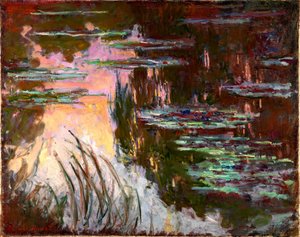
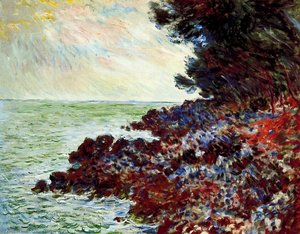
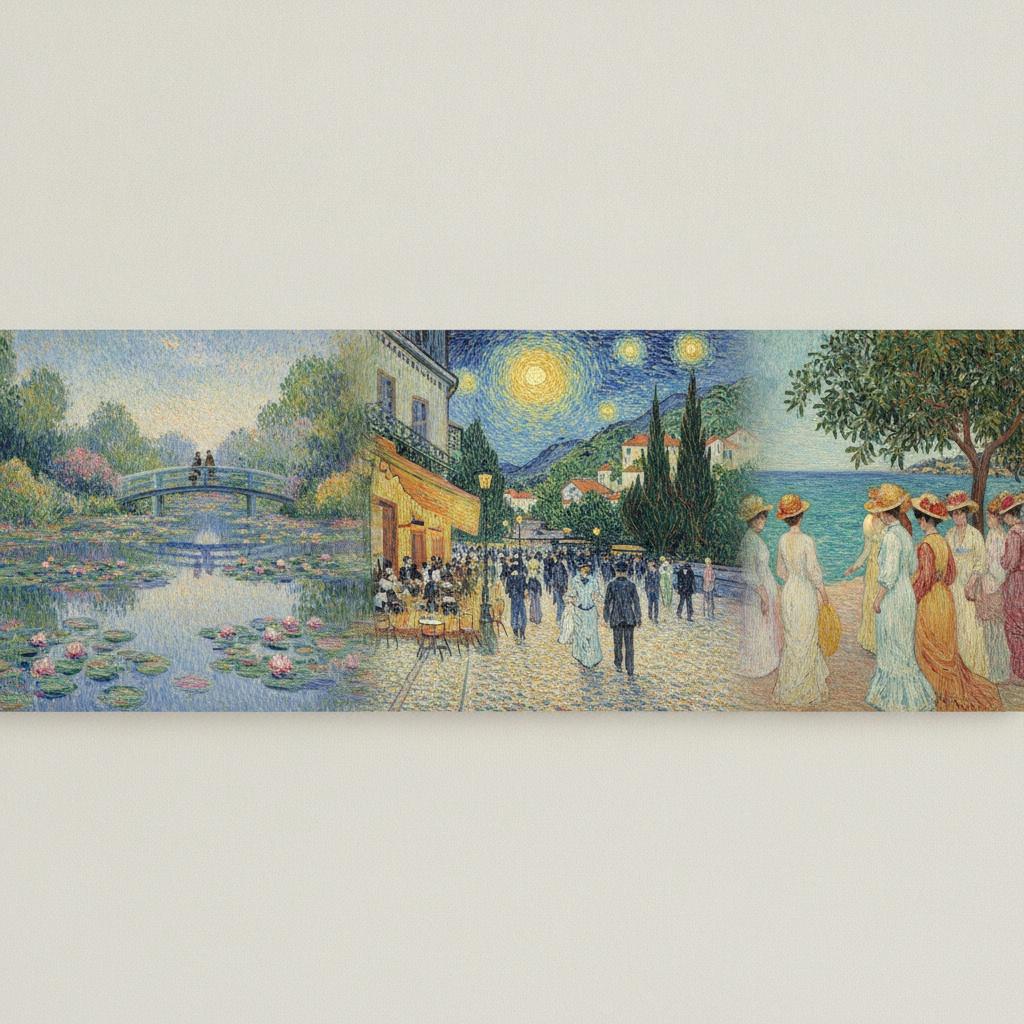
To step into the world of the Impressionists is to witness a revolution of the senses, a moment in history where the canvas ceased to be a mere window onto reality and became a vessel for light itself. For those of us who have spent decades wandering through sun-drenched galleries, there is an undeniable magic in that late 19th-century shift. The masters of this era—Monet, Renoir, Pissarro, and Sisley—did not seek to document the rigid, unyielding lines of the world; instead, they sought to capture the ephemeral, the way a summer afternoon dissolves into a golden haze or how the morning mist clings to a lily pond. It was an art of the moment, a delicate dance between the eye and the atmosphere.
Consider the works of Pierre-Auguste Renoir, particularly his evocative 1905 piece, La Poste at Cagnes. In this masterpiece, we see the very zenith of the Impressionist aesthetic. There is no heavy, dark shadow here to weigh down the soul; rather, there is a luminous vitality. Through the use of broken color—applying small, rhythmic strokes of pure pigment side-side by side—Renoir allows our eyes to optically blend the warmth of the Provençal sun with the cool greens of the foliage. It is a painting that breathes with the tranquility of a quiet afternoon, reminding us that beauty often resides in the most ordinary, unadorned corners of life.
This era taught us that perception is subjective. The Impressionists abandoned meticulous detail to embrace the impression—the way light filters through leaves, the warmth of sun on stone, and the shimmering texture of water. It was a liberation from the academic constraints of the past, offering us a world where color could dance freely across the canvas, inviting the viewer to feel the warmth of the sun as much as they see it.
Beyond the Eye: The Emotional Depth of Post-Impressionism
 10 Post-Impressionist Masterpieces That Changed Art Forever
Introduction To step into the world of Post-Impressionism is to leave behind the mere observation of light and enter a realm where color breathes, shapes vibrate, and the artist's inner psyche dictates the landscape. While the Impressionists sought t...
As the 19th century drew toward its close, a new generation of visionaries felt a calling that went beyond the mere observation of light. While they held a profound reverence for the Impressionist foundation, artists like Van Gogh, Cézanne, and Gauguin sought to infuse their canvases with something more permanent, more structural, and deeply personal. If Impressionism was about the eye, Post-Impressionism was about the soul. They realized that art could do more than reflect the external world; it could serve as a mirror for the human psyche.
In this transformative period, the soft, hazy edges of a summer afternoon began to give way to bold outlines and expressive, often unnatural, color palettes. The landscape was no longer just a place to be observed, but a realm where shapes could vibrate and colors could breathe with emotional truth. We see this transition in the works of Theo van Rysselberghe, whose Olive Trees near Nice serves as a beautiful bridge between these two worlds. While it retains the sun-drenched Mediterranean light of his predecessors, there is an emerging sense of form and a deliberate, meditative quality to the composition that speaks to a deeper emotional resonance.
This movement was not a unified school but a collection of brilliant, solitary spirits, each rebelling against the perceived limitations of their predecessors. They traded the fleeting flicker of light for a structural depth that fundamentally altered Western art history. To stand before a Post-Impressionist masterpiece is to encounter a world where the artist's inner truth dictates the landscape, creating a profound dialogue between the viewer and the artist's most intimate emotions.
Masterpieces of Texture: From Renoir’s Soft Glow to Van Gogh’s Vibrant Impasto
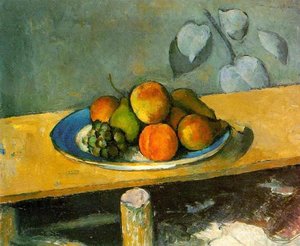 Peaches, Pears and Grapes
The Painting "Cezanne's Peaches, Pears and Grapes " is a captivating still life that exemplifies the artist's unique approach to color and composition. Painted in 1879, this oil on canvas work measures 57 x 44 cm and is a quintessential representatio...
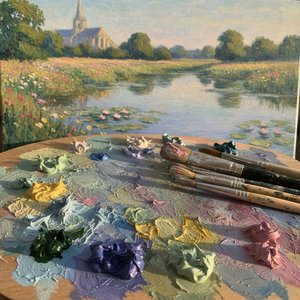
One cannot discuss the soul of this era without touching upon the tactile language of the paint itself. The texture of a painting is often where its heartbeat resides. In the Impressionist tradition, we find a soft, luminous quality—a delicate layering that creates an atmosphere of dreamlike serenity. Renoir’s ability to render the softness of skin or the delicate petals of Flowers in a Vase relies on a subtle, fluid application of oil that feels almost weightless, as if the blossoms themselves are caught in a gentle breeze.
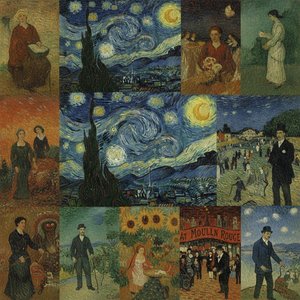
However, as we move into the realm of Post-Impressionism, the texture becomes much more assertive, even sculptural. The technique of impasto—the thick, heavy application of paint—becomes a primary vehicle for expression. Think of the swirling, rhythmic energy found in the works of Vincent van Gogh. Here, the paint is not merely a medium; it is a physical presence. Each stroke is a testament to the artist's movement and passion, creating ridges and valleys on the canvas that catch the light in unexpected ways. The texture becomes a landscape in its own right, conveying a sense of urgency and existential depth that a flat surface could never achieve.
A Legacy of Color: How the Masters Redefined the Modern Palette
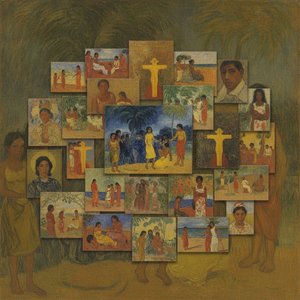 25 Masterpieces by Paul Gauguin: The Bold Colors of a Post-Impressionist Legend
Introduction Imagine walking into a room where the walls don't just hold color, but pulse with the rhythm of a restless soul. To encounter the works of Eugène Henri Paul Gauguin is to step away from the predictable and into a world of raw, sun-drench...
The evolution of color during this period represents one of the most significant shifts in the history of Western art. Before the Impressionists, color was often used to describe, to label, and to adhere to the naturalistic expectations of reality. But the masters of the late 19th century broke these boundaries, treating color as an independent emotional force. They discovered that by using complementary colors side-by-side, they could create a luminosity that seemed to radiate from within the canvas.
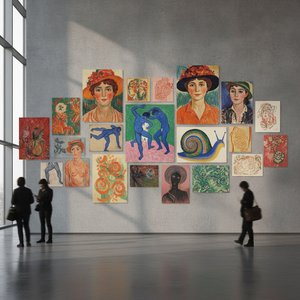
This revolution allowed for a much broader and more vibrant palette. We see the transition from the soft, pastel-infused light of early Impressionism to the bold, saturated, and even symbolic uses of color in Post-Impressionism. Paul Gauguin, for instance, abandoned the safety of realistic tones to embrace sun-drenched, primal hues that reflected his search for a deeper truth in Tahiti. His colors do not merely represent a landscape; they pulse with the rhythm of a restless soul, using intense pigments to evoke mystery and myth.
This legacy lives on in our modern visual culture. The way we perceive color today—the vibrancy of cinema, the boldness of graphic design—owes a profound debt to these artists who dared to use color as an intimate language of human emotion. They taught us that a blue does not just represent the sky; it can represent melancholy, or infinite depth, or the coolness of a summer twilight, depending entirely on how it is placed against its neighbor.
Bringing the Gallery Home: Preserving the Spirit of Impressionism in Your Private Collection
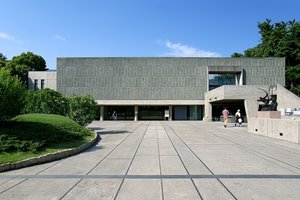 National Museum of Western Art
A Window into Western Masterpieces: The National Museum of Western Art Nestled within the serene expanse of Ueno Park in Tokyo, the National Museum of Western Art (NMWA) stands as a singular jewel—a testament to Japan’s evolving engagement with Europ...
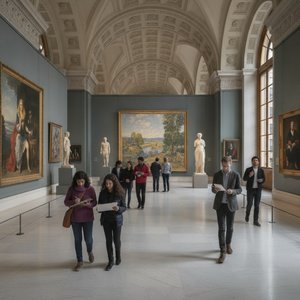
For the true lover of art, the joy of these masterpieces is not limited to the quiet halls of museums like the National Museum of Western Art in Tokyo or the great galleries of Europe. The true magic lies in the ability to live with these works, to let their light and emotion permeate our daily lives. At ArtsDot.com, we believe that the beauty of the Impressionist and Post-Impressionist eras should be accessible to those who hold them dear to their hearts.
We specialize in creating exquisite, handmade oil reproductions that honor the academic excellence of the masters. Our artists, many of whom hold degrees from prestigious Fine Arts academies, do not simply print images; they recreate the very soul of the work. Each piece is 100% hand-painted on cotton canvas, ensuring that the visible brushstrokes and deep tonal ranges—the true hallmarks of an original—are preserved. Whether it is the soft, light-drenched style of a Renoir or the thick, emotive impasto of a Van Gogh, our goal is to bring that museum-quality experience into your home.
We also offer the unique opportunity to "remix" art history through our custom services. Imagine transforming a cherished family photograph into a masterpiece painted in the vibrant, swirling style of Van Gogh, or creating a multi-panel group portrait that flows seamlessly across a grand staircase. From bespoke commissions to professional consultations to help you find the perfect piece for your interior, we are dedicated to helping you curate a collection that is as personal and profound as the movements themselves. Allow us to help you capture the light and bring a timeless piece of the soul into your own sanctuary.