

The Ethereal Essence: Understanding the Softness and Tactility of Pastel
 The Magic of Pastel Art: A Guide to Soft Colors and Velvately Textures in Impressionist Masterpieces
The Essence of Pastel: Understanding the Medium's Softness and Tactility To encounter a pastel work is to step into a realm where the boundary between pigment and air begins to dissolve. Unlike the heavy, structural permanence of oil paint, pastel of...
To encounter a pastel work is to step into a realm where the boundary between pigment and air begins to dissolve, leaving behind only a sense of profound, quiet wonder. Unlike the heavy, structural permanence found in the layered depths of oil paint, pastel offers an ethereal immediacy that feels almost like a captured breath. It is a medium composed of pure, concentrated pigment held together by a minimal amount of binder, a characteristic that grants the artist a unique vocabulary of softness and tactility. When one gazes upon a masterwork in this delicate medium, the eye does not merely see color; it perceives a delicate dusting of light that seems to vibrate against the surface of the paper.
This inherent lightness allows for a sensory experience that is both visual and almost tactile. There is a certain magic in how the pigment sits atop the grain of the substrate, creating a surface that invites the viewer to imagine the gentle touch of the artist's hand. This fundamental characteristic creates a realm where observation meets intuition, allowing the viewer to drift into a state of contemplative stillness. In this soft, luminous world, the edges of reality are never rigid; instead, they emerge from a gentle, chromatic mist, inviting us to find beauty in the blurred and the transient.
A Symphony of Light: How Impressionists Captured the Fleeting Moment
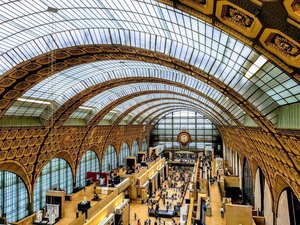 Musee National d'Orsay
A Palace of Light Embracing Impressionism’s Soul The Musée d'Orsay is far more than a mere repository for canvas and pigment; it is a profound sensory experience, a journey back to the vibrant, pulsing heart of nineteenth-century artistic revolution....
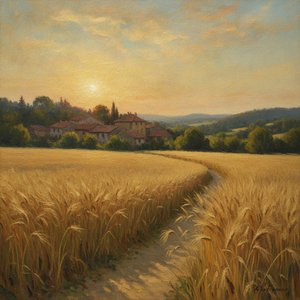
The history of pastel is inextricably linked to the evolution of light within Western art, reaching its most luminous zenith during the Impressionist revolution. While the oil painters of the era often struggled with long drying times—a challenge when attempting to record the rapid shifts of a setting sun—the pastel artist possessed the rare ability to record the instant. This immediacy allowed the masters of the movement to chase the sun itself, translating the ephemeral shifts of dawn and dusk into tangible, vibrant form. The medium became the preferred language for those seeking to document the transient nature of modern life, where light is never static but always in a state of graceful motion.
This obsession with the fleeting moment transformed the canvas into a living laboratory for the eyes. We see this most clearly in the way light filters through the atmosphere, much like the natural light that bathes the halls of the Musée d'Orsay. The Impressionists understood that to capture light, one must also capture its relationship with color and shadow. Through pastel, they could layer luminous clouds of color, building up atmospheres that feel as though they are breathing. It was a revolution of vision, where the goal was no longer mere representation, but the capture of a sensory experience—a way to make the passing second eternal through the soft application of pure pigment.
The Velvet Texture: Exploring Pigment, Binder, and the Artist's Touch
 Oil pastel
Oil pastel is a type of pastel (an art medium that consists of powdered pigment and a binder) that uses mixture of non-drying oil and wax as binder. It differs from other pastels which are made with a gum or methyl cellulose binder, and from wax cray...
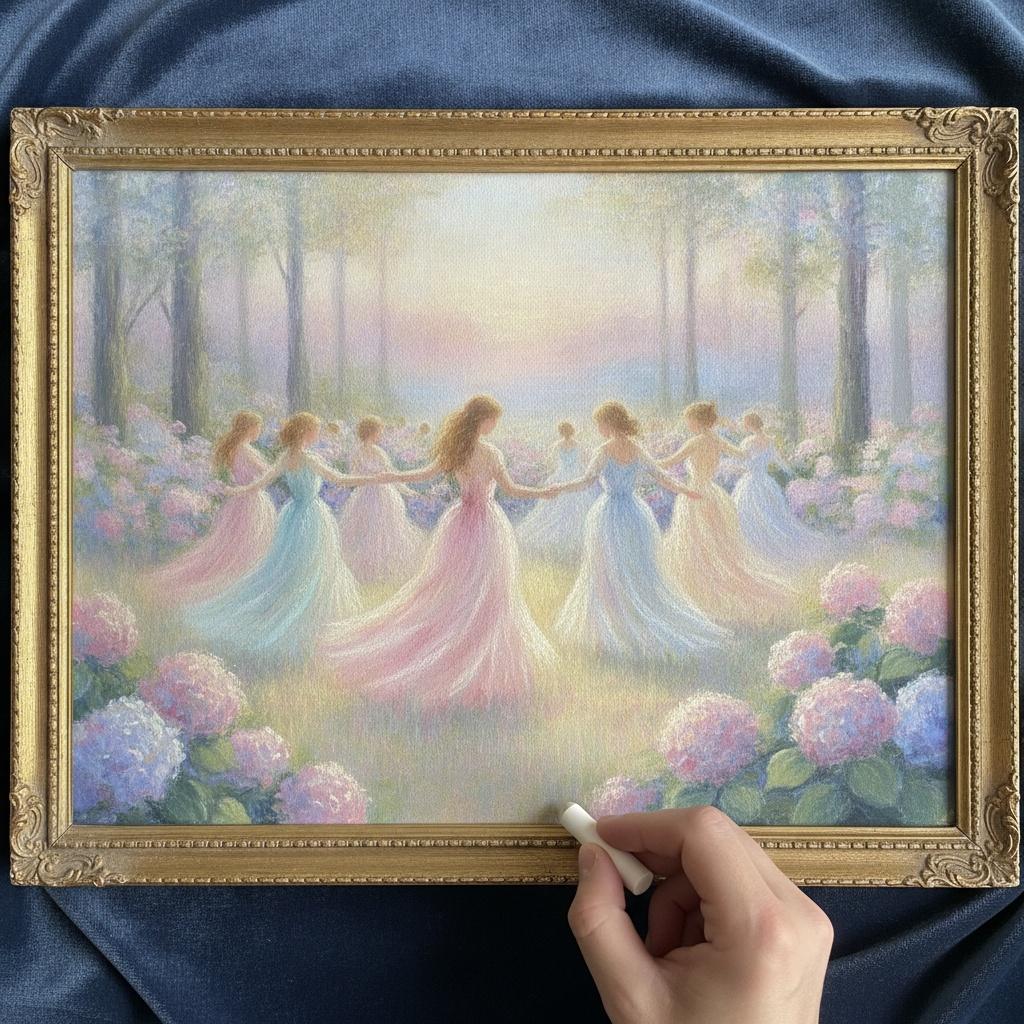
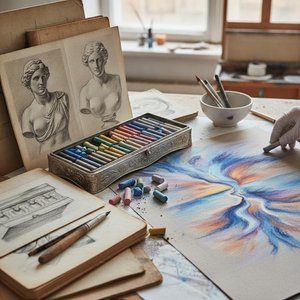
The true magic of pastel lies in the physical interaction between the stick and the paper. Because the pigment is not forced into the fibers through heavy oils, there remains an inherent velvety texture that defines the medium’s soul. This allows for a layering process that is both additive and subtractive; an artist can build up rich, saturated tones or carefully scrape away layers to reveal hidden brilliance beneath. In certain forms, such as oil pastels, the use of non-drying oil and wax as a binder creates a surface that is more saturated and bright, though it lacks the powdery, atmospheric silence found in traditional chalk pastels.
Even in contemporary digital interpretations, we see a longing for this tactile heritage. Some modern masters utilize techniques that replicate the "pastel dust" aesthetic, using textures to evoke a sense of timelessness and soft, atmospheric transitions. Whether through the physical application of pigment or the meticulous digital recreation of chalk-like textures, the goal remains the same: to create a visual language where form is never rigid. The artist’s touch is felt in every smudge, every blend, and every delicate dusting of color that creates a sense of depth and movement across the surface.
From Degas to Renoir: Masterworks that Define the Pastel Revolution
 katharine walter rowe
Katharine Walter Rowe: A Pastel Pioneer of Contemporary Emotion Born in Norwich, United Kingdom, in 1996, Katharine Walter Rowe has swiftly emerged as a compelling voice within the contemporary pastel art world. Her work, characterized by a vibrant p...
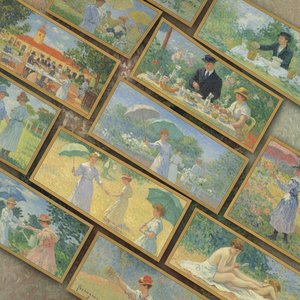
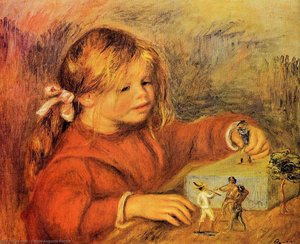
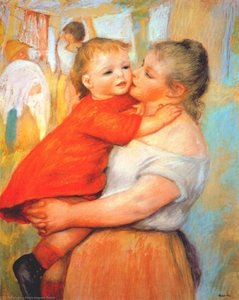
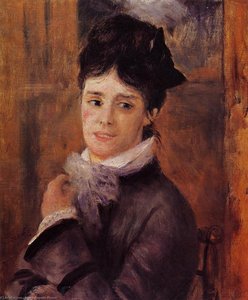
When we speak of the pinnacle of this medium, our thoughts inevitably turn to the luminaries of the Impressionist era. Edgar Degas, a master of movement and light, utilized the pastel medium to capture the grace of dancers and the subtle nuances of skin tones with an unparalleled sensitivity. His works demonstrate how the medium can convey both the structural elegance of a figure and the fleeting, atmospheric energy of a performance. Similarly, the works of Pierre-Auguste Renoir capture a sense of Parisian grace through delicate, light-dappled scenes that seem to glow from within.
The influence of these masters extends far beyond their own era, inspiring contemporary voices like Katharine Walter Rowe, who uses a vibrant palette to explore deeply emotive subject matter. We also see the connection to the natural world in the works of artists like Oxana Olegovna Klip, whose landscapes resonate with the same lyrical beauty found in the great Impressionist traditions. These artists, whether working in classical pastel or modern digital media, continue to use the vocabulary of light and softness to bridge the gap between human emotion and the natural environment, ensuring that the revolution of light continues to pulse through the heart of art.
Preserving the Glow: The Art of Collecting and Caring for Delicate Media
 Pastel
A pastel (US: ) is an art medium that consists of powdered pigment and a binder. It can exist in a variety of forms, including a stick, a square, a pebble, and a pan of color, among other forms. The pigments used in pastels are similar to those used ...
For the true lover of Impressionism, collecting these works is an act of preserving a moment in time. Because pastel is such a delicate medium, characterized by its powdery surface and light-sensitive pigments, proper care is essential to ensure that the glow remains vibrant for generations. To protect your investment, it is wise to avoid direct sunlight, which can cause the beautiful, soft hues to fade over time. Using acid-free matting to create an air gap between the artwork and the glass is also a vital practice, preventing moisture from affecting the pigment.
When acquiring reproductions or original works, understanding the difference in texture is key to finding the piece that speaks to your soul. A handmade oil reproduction offers the physical depth of impasto brushstrokes, while a high-quality Giclée print provides an accurate, archival representation of the artist's color palette. At ArtsDot.com, we celebrate this legacy by offering museum-quality reproductions and custom commissions that honor the techniques of the masters. Whether you are looking to transform a personal memory into a Van Gogh-style masterpiece or seeking a large-scale mural to recreate the atmosphere of a French estate, our mission is to make the sublime beauty of Impressionism accessible to every home.