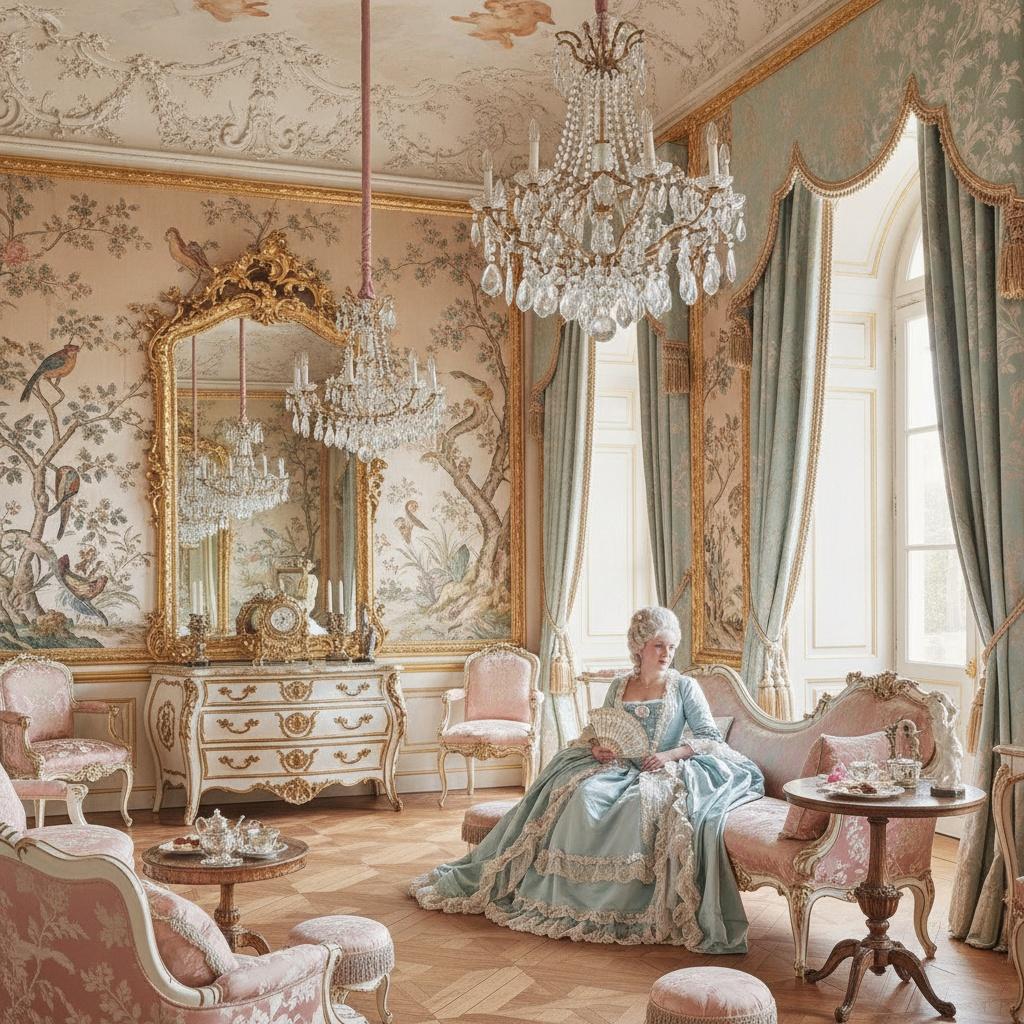
The Birth of Rocaille: From Baroque Grandeur to Intimate Refinement
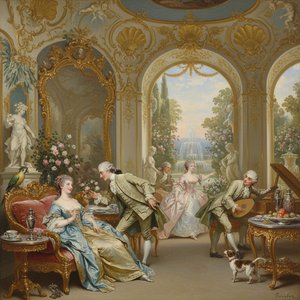 The Rococo Aesthetic: Opulence, Rebellion & the Pursuit of Pleasure in 18th-Century Art
The Rise of Rococo: From Baroque Grandeur to Intimate Elegance Wikipedia: Rococo Rococo, less commonly Roccoco ( rə-KOH-koh, US also ROH-kə-KOH; French: [ʁɔkɔko] or [ʁokoko] ), also known as Late Baroque, is an exceptionally ornamental and dramatic s...
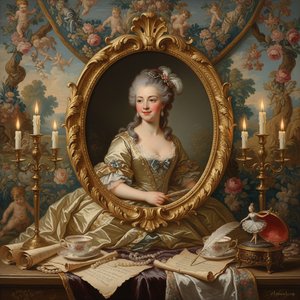
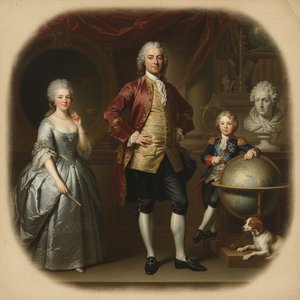
To understand the soul of the Rococo, one must first envision the heavy, gilded shadows of the preceding era. The Baroque period was a time of monumental drama, where art served as a grand instrument of power, designed to overwhelm the senses with its religious fervor and political weight. Yet, as the 18th century dawned in France, a subtle yet profound shift began to stir within the private salons of Paris. This was not a revolution born of conflict, but one of refinement—a gentle retreat from the imposing formality of Louis XIV’s Versailles toward a more intimate, human-centric aesthetic.
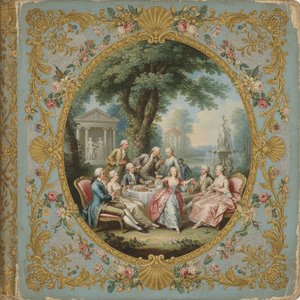
This transition gave rise to what we now call Rocaille, a term derived from the shell-covered rock work used to decorate artificial grottoes. It represented a move away from rigid lines and towards the organic, the asymmetrical, and the flowing. Where the Baroque sought to glorify the state through massive canvases of heroic battles, the Rococo sought beauty in the fleeting moments of life: a whispered conversation, a playful glance, or the soft light filtering through a garden canopy. It was an era that traded the heavy drapes of authority for the light, airy textures of grace, marking a fundamental change in the European psyche—a shift from public spectacle to private pleasure.
A Symphony of Pastel: The Luminous World of Rococo Color and Light
 The Subdued Radiance of Pastel: Exploring Nuance & Emotion in Art
A Delicate Medium: The Historical Roots of Pastel Wikipedia: Pastel A pastel (US: ) is an art medium that consists of powdered pigment and a binder. It can exist in a variety of forms, including a stick, a square, a pebble, and a pan of color, among ...
If the Baroque was a symphony of deep ochres, rich crimsons, and somber shadows, then the Rococo was a delicate chamber piece composed in shades of blush, ivory, and sky blue. The palette of this era is perhaps its most enduring legacy, offering a visual experience that feels almost weightless. This use of light pastels was not merely a decorative choice; it was an intentional attempt to evoke a sense of airiness and eternal spring, reflecting the Enlightenment’s growing fascination with nature and the subtle nuances of atmosphere.
In these works, light does not strike the subject with dramatic intensity; rather, it bathes them in a soft, pearlescent glow. The interplay of cream, gold, and pale rose creates a sense of luminosity that seems to emanate from within the canvas itself. This luminous quality allowed artists to capture the ephemeral—the way sunlight catches a silk ribbon or the gentle flush on a cheek. By embracing these lighter tones, Rococo artists created worlds that felt less like historical records and more like dreamscapes, inviting the viewer into a realm of perpetual elegance and soft-focus enchantment.
Masters of the Soft Touch: The Delicate Artistry of De La Tour and Perronneau
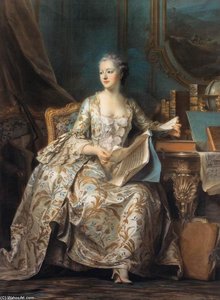
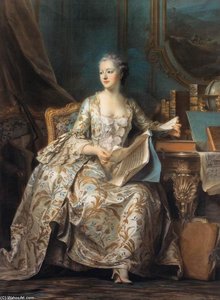 Marquise de Pompadour
Marquise de Pompadour: A Pastel Portrait of Rococo Elegance Maurice Quentin de La Tour’s “Marquise de Pompadour,” completed in 1755, stands as a quintessential emblem of the Rococo artistic movement. Housed within the Louvre Museum's halls, this past...
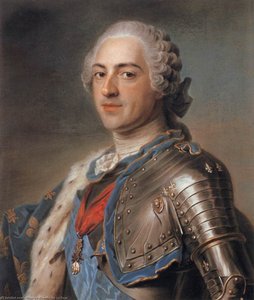
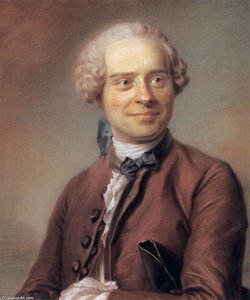
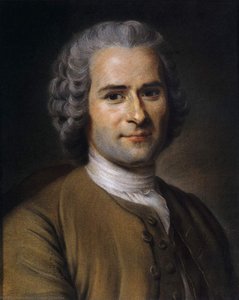
The true magic of this era is perhaps most palpable in the medium of pastel, a technique that allowed for an unparalleled intimacy. Masters like Maurice Quentin de La Tour and Jean-Baptiste Perronneau elevated the portrait from a mere likeness to a psychological exploration. Unlike the laborious, slow-drying layers of oil paint, pastel offered an immediacy and a velvety texture that could capture the very breath of a subject. De La Tour, a luminary of the movement, used the soft sticks of pigment to achieve a remarkable translucency, particularly evident in his iconic portrait of the Marquise de Pompadour.
In his hands, the pastel medium became a tool for capturing the subtle gradations of skin and the luxurious sheen of satin, imbuing his subjects with an ethereal, almost tactile quality. Similarly, Perronneau brought a humanist sensibility to his portraits, focusing on individual character through meticulous detail and tonal variation. His work avoids the grand narratives of old, choosing instead to focus on the quiet dignity and inner temperament of the French aristocracy. Through their mastery of this delicate medium, these artists ensured that the fleeting emotions of a moment—a thoughtful gaze or a serene smile—could be preserved with a softness that oil alone could never achieve.
Ornate Splendor: Architecture, Ornamentation, and the Pursuit of Pleasure
--- title: Rococo | Definition, Art, Painting, Architecture, & Characteristics | Britannica author: Britannica Editors url: https://www.britannica.com/art/Rococo hostname: britannica.com description: Rococo, style in interior design, the decorative a...
The Rococo aesthetic was never confined to the canvas; it was an all-encompassing lifestyle that permeated architecture, furniture, and the decorative arts. To step into a Rococo interior was to enter a curated experience of luxury. The straight lines of classical architecture were replaced by sinuous curves, scrolling foliage, and intricate stucco work. Mirrors were strategically placed to expand space and multiply light, creating an illusion of infinite, shimmering movement throughout the room.
Every surface offered a delight for the eye. From the delicate shell motifs in wall moldings to the gilded flourishes on fine furniture, the ornamentation celebrated the organic forms of nature. This was an art of pleasure, designed for the hôtels of Paris and the summer retreats of the elite, where wit, music, and conversation could flourish in a setting of exquisite beauty. The pursuit of pleasure was reflected in the very structure of the space—a rejection of the monumental in favor of the ornamental, ensuring that every corner of one's environment whispered of grace and refinement.
The Enduring Allure: How Rococo Elegance Inspires Modern Interiors
 Rococo Revival
The Rococo Revival style emerged in Britain and France in the 19th century. Revival of the rococo style was seen all throughout Europe during the 19th century within a variety of artistic modes and expression including decorative objects of art, pain...
Though the era of the Rococo eventually gave way to the more structured discipline of Neoclassicism, its influence has never truly faded. We see its echoes in the modern pursuit of "maximalist" elegance and the contemporary love for light-filled, airy spaces. The Rococo's emphasis on texture, the use of soft color palettes, and the integration of organic forms continue to resonate with those seeking to create homes that feel both luxurious and deeply personal.
Today, the revival of these classical elements—perhaps through a single gilded mirror or a collection of pastel-toned prints—allows us to inject a sense of historical romance into modern architecture. The Rococo teaches us that beauty does not always need to be imposing; it can be found in the delicate, the asymmetrical, and the lighthearted. It remains a timeless inspiration for anyone looking to transform a living space into an immersive experience of grace and aesthetic joy.
Bringing History Home: Preserving the Rococo Spirit with ArtsDot
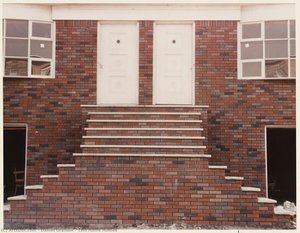 Two Home Homes
Dan Graham's "Two Home Homes" (1966) is a captivating photographic exploration of space and perception, challenging our understanding of domesticity and urban environments. A seminal work of conceptual art.
At ArtsDot.com, we believe that the splendor of the past should not be confined to museum halls. Our passion lies in making these extraordinary moments of human creativity accessible to collectors and enthusiasts worldwide. We specialize in the creation of exquisite, hand-painted oil reproductions that capture the very essence of the masters. Our artists, each a specialist in their genre, work meticulously on 100% cotton canvas to recreate the visible brushstrokes, the deep tonal ranges, and the tactile textures that define true fine art.
Whether you are drawn to the luminous pastels of De La Tour or the intricate ornamentation of the Rococo era, we offer a bridge to history. From our professional digital mockup service—allowing you to visualize a piece before the first stroke is applied—to our ability to "remix" history by applying classical styles to modern subjects, we provide a bespoke experience for the discerning eye. We invite you to explore our collection and bring the dreamlike elegance of the Rococo into your own home, preserving the light and beauty of this magnificent era for generations to come.