



The Alchemy of Egg and Pigment: Understanding the Tempera Medium
To step into the world of tempera is to enter a realm of quiet, disciplined magic. Unlike the fluid, sweeping gestures of oil painting that we so often adore in the Impressionist era, tempera demands a certain meditative patience. It is an ancient alchemy, where the humble egg yolk serves as the binding agent for precious mineral pigments, creating a medium that possesses a clarity unlike any other. When we gaze upon these works, we are not merely seeing color; we and we are witnessing a delicate suspension of light within a translucent matrix.
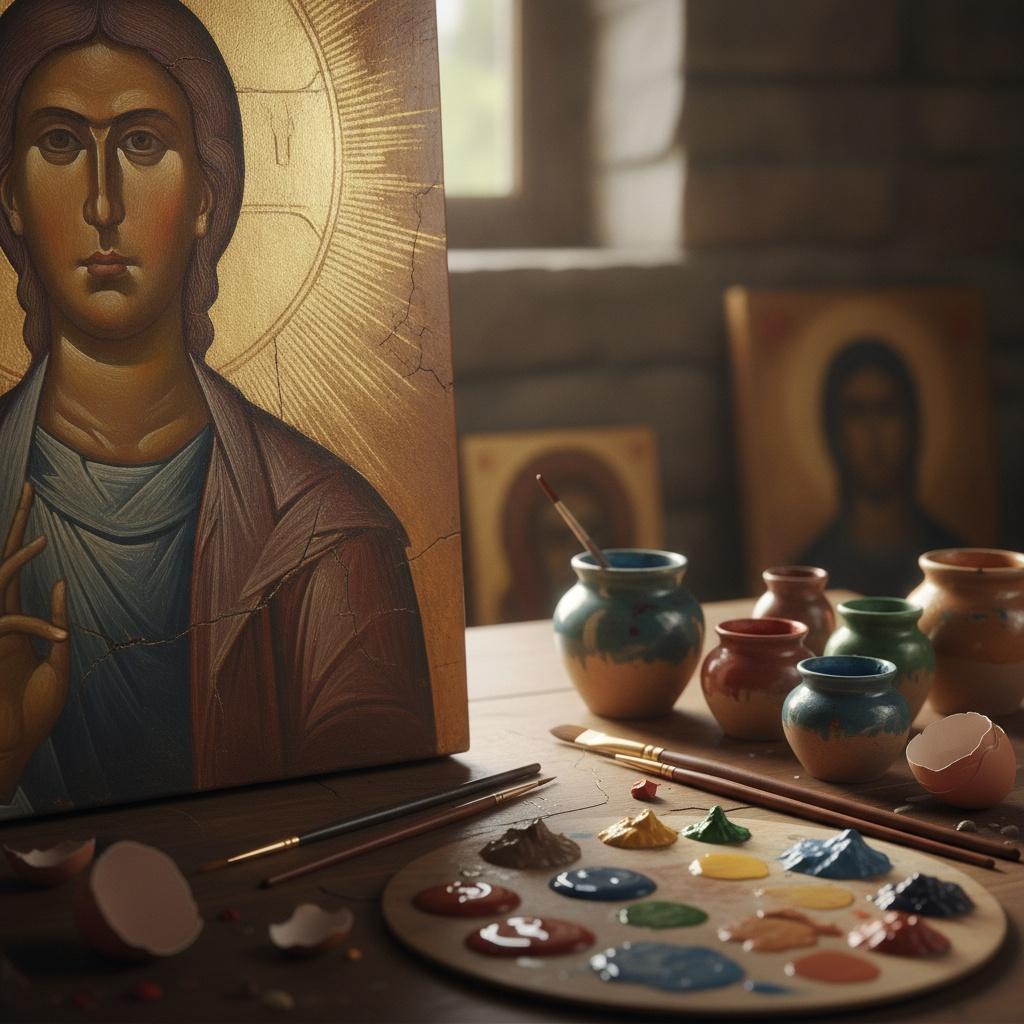
The process begins with the preparation of the binder, a meticulous marriage of yolk and water, often tempered with a touch of vinegar or wine to ensure stability. As the artist applies these thin, precise layers, each stroke dries almost instantly, preventing the blending of colors on the surface. This necessitates a technique of fine, cross-hatched strokes—a rhythmic dance of the brush that builds depth through accumulation rather than smearing. The result is a matte yet radiant finish, where the light does not simply bounce off the surface but seems to emerge from within the very layers of the pigment itself.
For those of us who find solace in the subtle gradations of a master’s touch, tempera offers a unique sensory experience. There is no heavy impasto here, only the soft, ethereal glow that captures the essence of a moment with a permanence that feels almost eternal. It is a medium of precision and devotion, where every minute stroke contributes to a larger, luminous whole.
The Strength of Wood: The Historical Significance of the Painted Panel
Before the canvas became the standard stage for artistic expression, the wooden panel stood as the steadfast foundation of the painter’s vision. To understand tempera is to understand the intimate relationship between the pigment and its support. These panels, often crafted from seasoned poplar or oak, provided a rigid, unyielding surface that could withstand the meticulous layering required by the medium. There is a profound sense of permanence in a painted panel; it carries a weight, both literal and metaphorical, that a flexible canvas can rarely replicate.
The preparation of these panels was an art form in itself. A master craftsman would first ensure the wood was perfectly smooth, applying multiple layers of gesso—a mixture of animal glue and calcium carbonate—to create a pristine, bone-white ground. This luminous base acted as a reflective mirror, catching the light that passed through the translucent tempera layers and bouncing it back toward the viewer’s eye. It is this interaction between the white ground and the pigment that creates that signature, inner radiance we find so captivating in classical works.
This structural integrity allowed for the creation of much finer details, enabling artists to render the delicate folds of a silken robe or the intricate veins of a leaf with absolute clarity. When we hold a piece of art on panel, we are connecting with a tradition of stability and endurance, a lineage of works designed to survive the centuries and remain as vibrant as the day the last brushstroke was laid down.
A Symphony of Light: Capturing Luminous Detail and Fine Lineage
There is a specific kind of light that only tempera can evoke—a light that feels captured rather than merely depicted. In the hands of a master, the medium becomes a tool for capturing the subtle transitions of dawn or the soft, diffused glow of an afternoon shadow. Because the paint is applied in thin, transparent glazes, the artist can manipulate the way light penetrates the surface, creating a sense of atmospheric depth that feels remarkably lifelike.
This luminosity is achieved through a disciplined approach to color theory and layering. An artist might begin with a base layer of a warm tone, then overlay it with cooler, more transparent glazes. This creates an optical mixing effect where the eye perceives a richness of hue that cannot be achieved by simply mixing pigments on a palette. It is a symphony of light, where each layer acts as a different instrument, contributing to a harmonious and complex visual melody.
The fine lineage of this technique allows for a level of detail that borders on the miraculous. One can trace the delicate contours of a face or the intricate patterns of a floral arrangement with breathtaking precision. For the true enthusiast, discovering these minute details is like uncovering hidden treasures within a painting, rewarding the patient observer with a deeper, more emotional connection to the artist's original intent.
From Renaissance Masters to Modern Reverence: The Enduring Legacy of Tempera
The history of tempera is inextricably linked to the dawn of the Renaissance. Great masters such as Botticelli and Fra Angelico utilized this medium to breathe life into sacred narratives, imbuing their figures with a grace and divinity that defined an era. Their works were not merely decorations; they were windows into a spiritual realm, rendered with a clarity and light that felt transcendent. The precision of tempera allowed for the depiction of the divine with a tangible, human beauty.
As the centuries progressed and oil painting began to dominate the landscape, offering more flexibility and blending capabilities, the use of tempera evolved but never truly vanished. It moved from being the primary medium of the era to a specialized technique reserved for those seeking a specific aesthetic of clarity and brilliance. Even as we transitioned into the soft, light-drenched worlds of the Impressionists, the fundamental principles of light manipulation and color layering found in tempera continued to influence how artists approached the canvas.
Today, we see a renewed reverence for these classical techniques. In an age of rapid digital reproduction, there is a profound longing for the tactile, the authentic, and the enduring. The legacy of tempera lives on in our appreciation for works that possess a soul—artworks that require us to slow down, to breathe, and to truly see the light.
Preserving the Glow: Conservation and the Longevity of Masterful Works
The very qualities that make tempera so beautiful—its translucency and its delicate layers—also make it a subject of great care in the realm of conservation. Because the medium is so closely tied to the stability of its support, any fluctuations in humidity or temperature can pose a threat to the integrity of the panel and the paint layers above. The preservation of these works is a delicate science, requiring an intimate knowledge of both organic chemistry and art history.
Conservation efforts focus on maintaining a stable environment to prevent the wood from warping or the gesso from cracking. When properly cared for, however, tempera paintings are remarkably resilient. The egg-based binder creates a very hard, durable film that is less prone to the yellowing often seen in older oil paintings. This is why many works from centuries ago still possess a brilliance that feels contemporary.
For the collector and the enthusiast, understanding this longevity is essential. To cherish a work of such luminous beauty is to commit to its protection. Whether through professional museum-grade conservation or the careful curation of a private collection, we ensure that the radiant glow of these masterpieces continues to illuminate our world for generations to come.
At ArtsDot.com, we share this profound passion for the enduring power of light and color. While our heart beats most vibrantly for the sun-drenched moments of Monet and Renoir, we hold a deep respect for the classical traditions that paved the way for all great movements. We invite you to explore our curated collection of hand-painted reproductions, where every brushstroke is a tribute to the masters of the past.