

The Primacy of Idea: Redefining the Essence of Artistry
To the discerning collector, the allure of a masterpiece has traditionally resided in the visible—the luminous glaze of an Old Master, the tactile impasto of a Van Gogh, or the delicate sfumato of Da Vinci. However, a profound shift occurred in the twentieth century, challenging the very definition of what constitutes an aesthetic object. This was the dawn of Conceptual Art, a movement that dared to suggest that the true essence of art lies not in the physical execution, but in the intellectual spark that precedes it. In this paradigm, the canvas is merely a vessel, or perhaps even an afterthought, for the underlying concept.
This revolution demanded a new way of seeing, one that prioritized the vitality of thought over the dexterity of the hand. When we contemplate the works of this era, we are invited to move beyond mere visual appreciation and engage in a dialogue with the artist's intent. The art is no longer just something to be looked at; it is something to be decoded. For the collector, this transition represents a shift from acquiring objects of beauty to acquiring vessels of meaning, where the value is found in the audacity of the proposition and the enduring resonance of the idea.
Deconstructing the Medium: From Physicality to Pure Thought
As the boundaries of art expanded, the traditional mediums of oil, marble, and bronze began to dissolve. Conceptualism introduced a radical deconstruction of materiality, often utilizing ephemeral or mundane objects to convey complex philosophical truths. We see this in the works that explore anti-art and the rejection of commercial aesthetics, where the medium becomes secondary to the message. The physical presence of the work may be minimal—a chalkboard inscription, a series of instructions, or even a mere photograph of an event—yet the intellectual weight remains immense.
Consider the way artists began to utilize language and text as primary sculptural elements. By stripping away the decorative, they forced the viewer to confront the raw mechanics of perception and semiotics. This era taught us that art could exist in the space between the object and the observer. Whether it is the minimalist geometry of an abstract drawing or the provocative use of everyday materials, the medium serves as a bridge, connecting the tangible world to the intangible realm of pure thought. It is a stripping away of the superfluous to reveal the skeletal structure of meaning.
Pioneers of the Intangible: Key Movements and Masterworks
The history of conceptualism is woven with the threads of various influential movements, each contributing a unique layer to this intellectual tapestry. The Arte Povera movement in Italy, for instance, utilized "poor" or common materials to critique consumerism and reconnect art with the organic reality of life. A seminal example can be found in the works of Piero Manzoni, such as his explorations of the body and commodity, which challenged the sanctity of the artist's hand by presenting ideas that were as much about the act of creation as they were about the finished product.
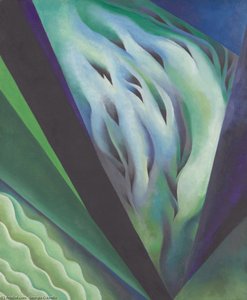
Similarly, the influence of philosophers like Alfred North Whitehead can be felt in works that embody the adventure of thought, where geometric lines and abstract forms converge to represent the movement of ideas. We also encounter the profound minimalism of artists like Dimitrije Bašičević, whose "Noart" explorations pushed the limits of what could be considered an artwork by embracing the void and the philosophical negation of traditional form. These pioneers did not merely create art; they created new ways of existing within the world of aesthetics, leaving behind a legacy that continues to challenge and inspire contemporary collectors.
The Collector's Dilemma: Evaluating Value in Non-Traditional Forms
For the serious collector, navigating the waters of conceptual art requires a sophisticated toolkit for valuation. How does one assign worth to an idea that may lack a permanent physical form? The answer lies in the historical significance, the provenance of the concept, and the artist's ability to influence the trajectory of art history. Evaluating such works involves looking past the surface to understand the intellectual capital embedded within the piece. It is an assessment of how successfully the work disrupts established norms and how deeply it engages with the cultural zeitgeist.
This process is often more akin to art criticism than traditional appraisal. A collector must consider the impact of the artist's contribution to movements like Information Art or the linguistic explorations seen in the works of Mel Bochner. The value is found in the rarity of the insight and the permanence of its influence on the art market. While a physical painting offers the pleasure of visual texture, a conceptual piece offers the prestige of intellectual ownership—the privilege of holding a piece of the very evolution of human thought.
Conceptualism in the Modern Interior: Curating Intellectual Depth
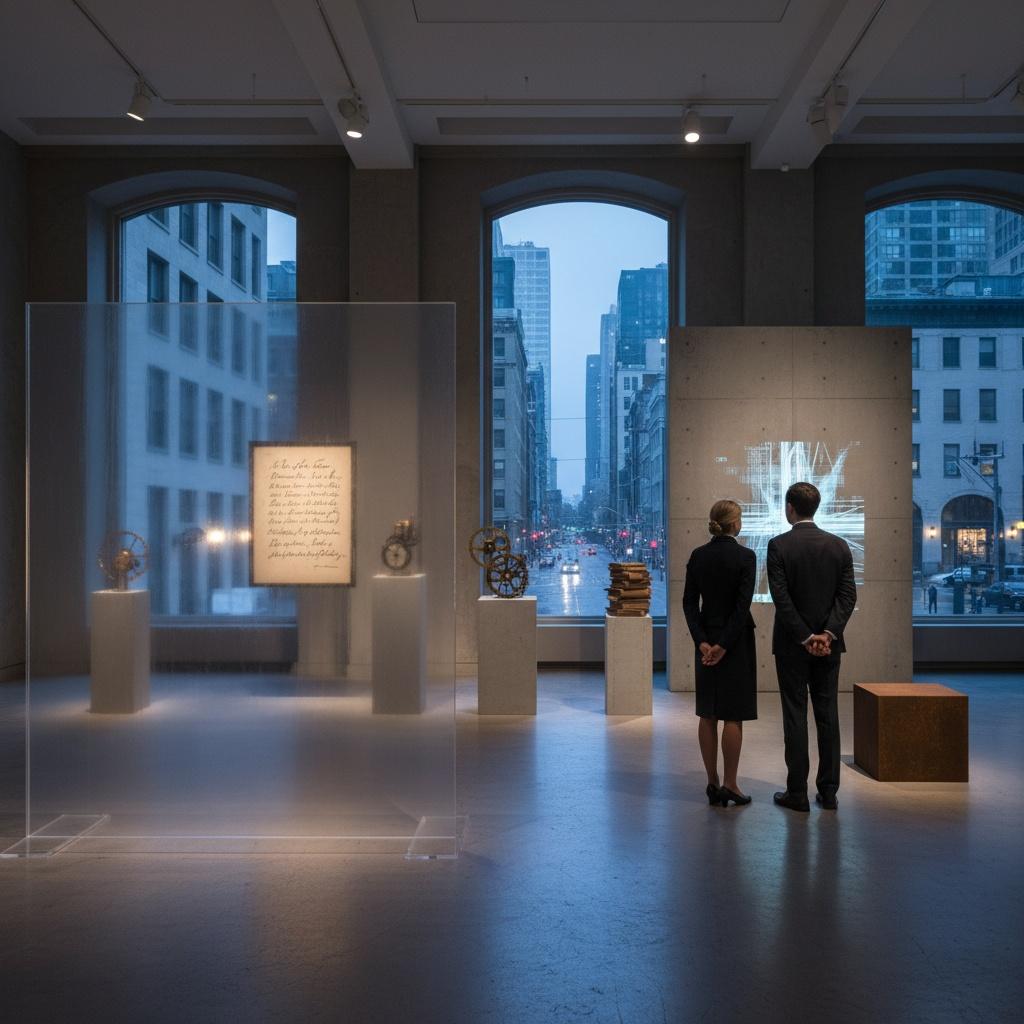
Integrating conceptual elements into a modern collection or interior design allows for a curation of profound depth. While one might surround themselves with the breathtaking textures of a handmade oil reproduction, the addition of conceptual-leaning works provides a necessary intellectual counterpoint. The goal is to create a space where visual splendor and philosophical inquiry coexist. A large-scale abstract piece or a text-based work can serve as an anchor, prompting conversation and reflection among guests and residents alike.
Curating such a collection requires balance. One might pair the light-drenched impressionism of a Monet-style reproduction with the stark, minimalist lines of a contemporary conceptual drawing. This juxtaposition creates a dynamic tension, a "living" atmosphere that prevents a space from feeling static or purely decorative. By embracing the power of the concept, the modern collector transforms their home into a gallery of ideas, where every piece—whether it is a meticulously layered oil painting or an ephemeral installation—contributes to a larger narrative of human creativity and enduring intellect.
At ArtsDot.com, we understand that art is a journey of both the eye and the mind. From the exquisite textures of our custom oil reproductions to the profound exploration of historical styles, we are dedicated to helping collectors preserve and celebrate the full spectrum of human expression. Whether you are seeking to commission a masterpiece from a personal photograph or looking for expert consultation to curate your next collection, our mission is to bring the depth of art history into the modern home.