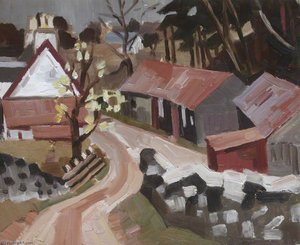
The Quiet Observer: The Life and Legacy of Denis Peploe
Born into the vibrant artistic atmosphere of Edinburgh on November 18, 1914, Denis Frederic Neal Peploe was destined to become a profound chronicler of the Scottish spirit. As the younger son of the esteemed artist Samuel John Peploe, his childhood was steeped in the nuances of color and form. This early immersion provided more than just a familial connection to the arts; it offered a foundational language of observation that would later define his mature style. While his formal education at the Edinburgh Academy prepared him academically, it was his subsequent enrollment at the Edinburgh College of Art in 1931 that truly ignited his creative trajectory. Under the influential guidance of the Belgian avant-garde master André Lhote, Peploe was introduced to the complexities of abstraction and the expressive power of structured form, a period of study that would forever alter his perception of the natural world.
The course of Peplively's life was dramatically altered by the tides of history. During the Second World War, he set aside his brushes to serve with distinction in the Royal Artillery and the Special Operations Executive. However, the physical toll of conflict arrived in the form of a harrowing motorcycle accident in North Africa. The resulting injuries necessitated a long, arduous period of rehabilitation that effectively silenced his artistic voice from the war's end until 1946. Yet, this hiatus served as a period of profound internal gestation. When he finally returned to his easel, he did so with a reinvigorated spirit and a renewed sensitivity to the landscapes that had always called to him—most notably the rugged, ethereal reaches of the Hebrides and the Western Highlands.
A Mastery of Light, Texture, and Terrain
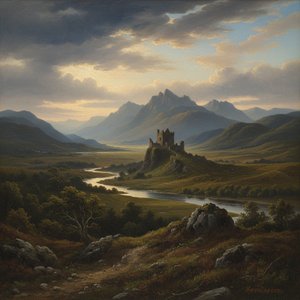
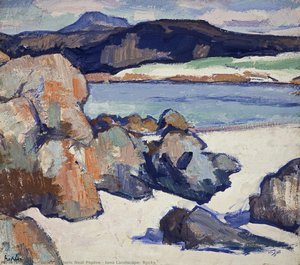
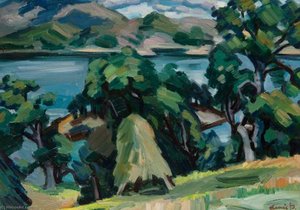
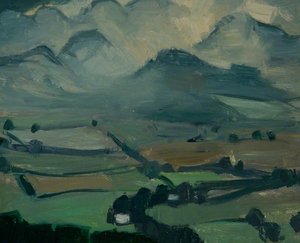
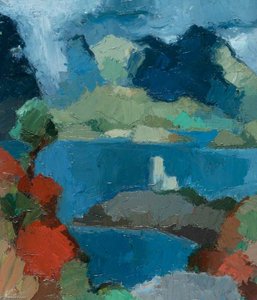
Peploe’s artistic repertoire was characterized by a remarkable duality, moving between the intimate stillness of still lifes and the expansive grandeur of the Scottish wilderness. In his landscapes, he possessed an uncanny ability to translate the fleeting atmospheric conditions of the coast into enduring visual poetry. His works, such as the evocative Iona Landscape: Rocks, demonstrate a sophisticated command over muted palettes and subtle tonal gradations. He did not merely paint scenery; he captured the very breath of the land. Through a masterful use of texture, he rendered weathered stones etched by tides and misty mountain silhouettes that seem to dissolve into the horizon, creating an atmosphere of quiet contemplation and ancient permanence.
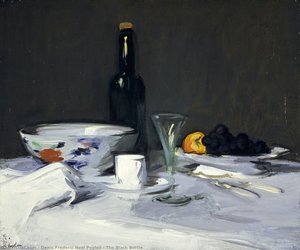
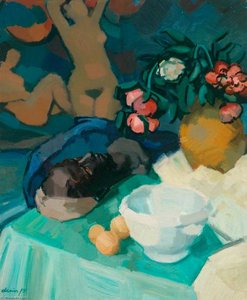
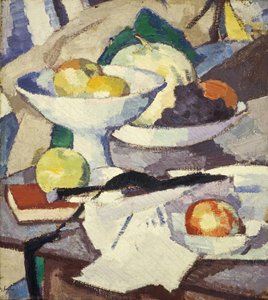
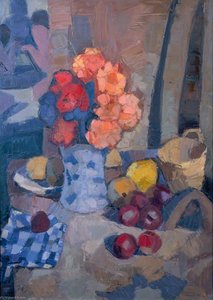
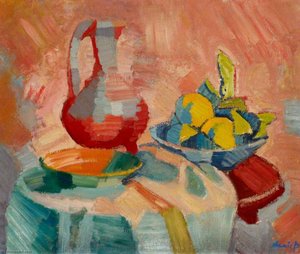
Beyond the sweeping vistas, Peploe found profound beauty in the domestic and the small-scale. His still lifes, featuring subjects like melons and lemons, often utilized a more vibrant and warm palette compared to his coastal works, yet they maintained the same rigorous attention to light and volume. This versatility allowed him to explore the interplay of shadow and substance, making him a master of both the monumental and the minute. His technique was never about mere imitation but about an empathetic connection to his subject matter, using cool greens, deep blues, and slate greys to evoke the rhythmic stability of the Atlantic coast.
Recognition and Enduring Influence
The latter half of Peploe's career was marked by significant professional milestones and a dedicated commitment to the Scottish art community. His ascent within the prestigious institutions of his homeland was well-earned, as evidenced by his election as an Associate of the Royal Scottish Academy (ARSA) in 1956, followed by full membership in 1966. Beyond his personal practice, he contributed significantly to the academic landscape, teaching at the Edinburgh College of Art from 1955 to 1977, thereby shaping the next generation of Scottish painters.
The historical significance of Denis Peploe lies in his ability to bridge the gap between traditional observation and modern sensibility. His work remains a vital part of the Scottish canon, with his paintings preserved in esteemed public collections including:
- The Royal Scottish Academy
- Aberdeen Art Gallery
- Kirkcaldy Museum and Art Gallery
- Heriot-Watt University
- The City of Edinburgh Council
Through his resilient spirit and his unwavering devotion to the landscapes of his home, Peploe left behind a legacy of art that serves as an emotional anchor—a testament to the enduring beauty of the natural world and the quiet strength found within its most rugged corners.