Alethea Hill Platt (1860-1932) was a prominent American artist known for serene rural landscapes of France, England & New England. Celebrated for her 'quality of serenity' and bold color, she was among America’s leading women painters. Explore her wo
Explore American history through the faces of its most influential figures at the Smithsonian National Portrait Gallery! Discover iconic portraits – presidents, artists, activists & more – and witness a unique blend of art, history, and identity in Washington D.C.
Mary Church Terrell: Lifting As We Climb – An Exploration of Resilience and Artistic Vision
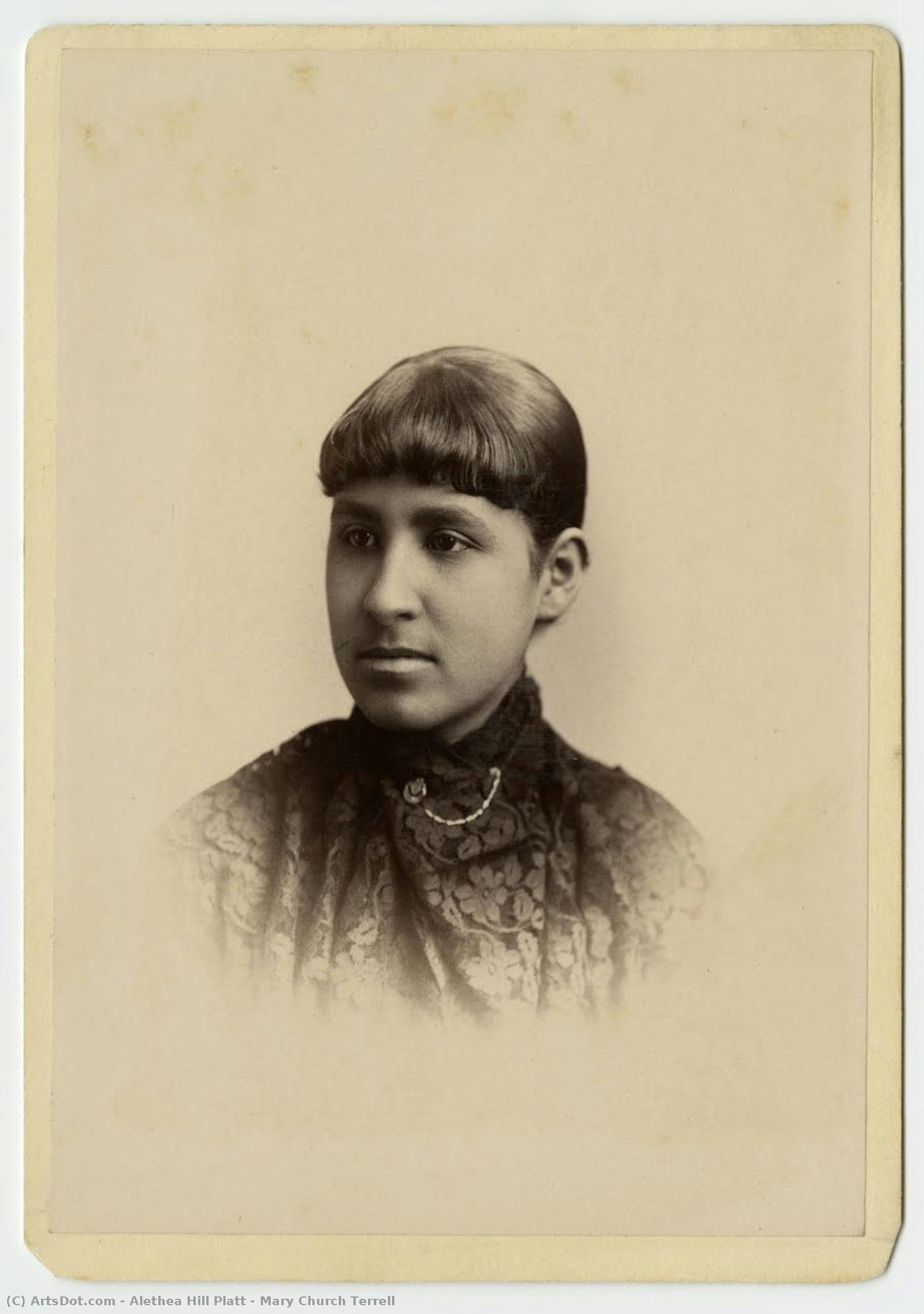
The portrait of Mary Church Terrell, rendered by Alethea Hill Platt in 1884, transcends mere representation; it embodies the spirit of a woman who defied societal expectations to champion equality and inspire generations. Platt’s masterful technique—characterized by meticulous detail and subtle tonal gradations—captures Terrell's dignified gaze and conveys an aura of quiet determination.
- Style: Impressionistic Portraiture – Platt skillfully blends realism with expressive brushstrokes, prioritizing mood and atmosphere over photographic accuracy. This stylistic choice reflects the broader artistic currents of the era, where artists sought to convey emotion rather than simply documenting appearances.
- Technique: Oil on Canvas – Platt employed oil paints on canvas, a favored medium for capturing nuanced textures and achieving luminous color palettes. The layering process allowed her to build up depth and dimension, creating an image that feels both tangible and imbued with inner life.
The historical context surrounding Terrell’s life is crucial to understanding the artwork's significance. Born into slavery in Virginia, Terrell persevered through immense hardship—facing discrimination and prejudice throughout her formative years—to become a pioneering educator and advocate for civil rights. Her unwavering commitment to justice fueled her activism and cemented her legacy as one of America’s foremost figures in the struggle for racial equality.
- Historical Context: Reconstruction Era – Platt's painting emerged during the Reconstruction period following the Civil War, a time marked by fervent debates over citizenship rights and suffrage. Terrell’s involvement in organizations like the National Association of Colored Women underscores the urgency of addressing systemic inequities.
- Symbolism: The posture of Terrell—direct gaze, upright stance—represents resilience and unwavering resolve. Her attire symbolizes respectability and dignity—a conscious effort to assert her presence within a patriarchal society.
More than just a likeness, Platt’s portrait communicates an emotional resonance that speaks to themes of perseverance, aspiration, and the transformative power of education. Terrell's quote – “lifting as we climb” – encapsulates this sentiment perfectly: it signifies a collective effort to advance toward progress while supporting those who strive alongside us. The image serves as a poignant reminder of the importance of courage, compassion, and unwavering belief in the possibility of a brighter future.
- Emotional Impact: Platt’s artwork evokes feelings of admiration for Terrell's fortitude and inspires contemplation on the enduring quest for social justice. The serene beauty of the portrait contrasts sharply with the turbulent realities of Terrell’s era, highlighting her unwavering dedication to achieving meaningful change.
This stunning reproduction captures Platt’s artistic vision with exceptional fidelity, bringing Terrell's dignified countenance and inspiring message into your home or studio. It is a testament to both artistic skill and the enduring legacy of a woman who dared to challenge convention and champion the cause of equality.