 Preview
 Send
Send Share
Share
 Details

 Download
 Similars
 X-Ray
X-Ray Diaporama
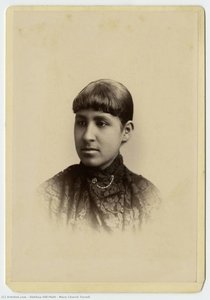
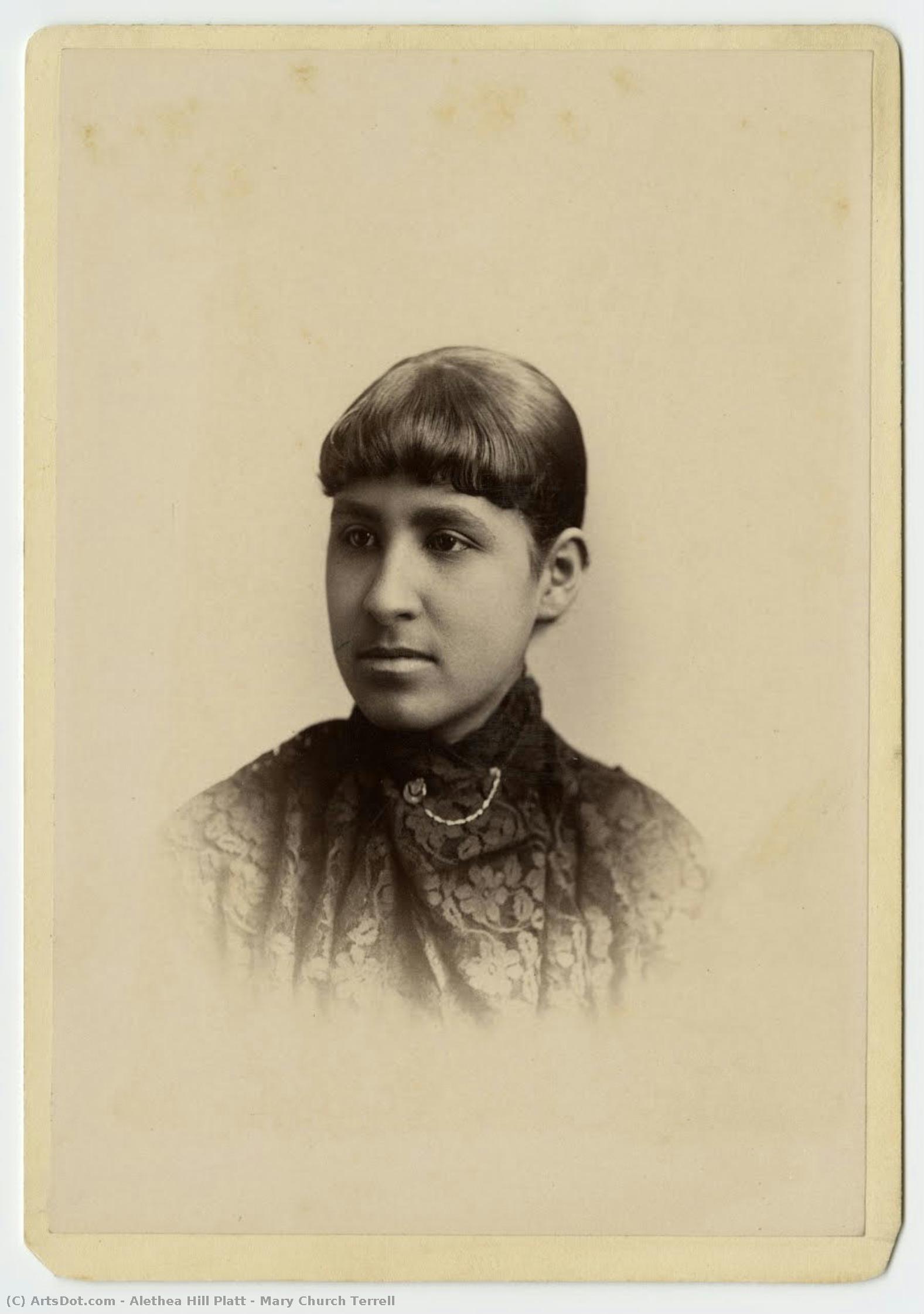
Mary Church Terrell
 Acrylic On Canvas
- WallArt
- Romantic Landscape
 1884
1884 10.0 x 15.0 cm
 National Portrait Gallery
 Read More
Hand Made Oil Reproduction
Hand-painted oil on canvas in your size and frame, made to order by our artists. ( Buy Print Buy Image)




P118B $10

P118H $10

P118W $10

P438Z $10

P508JH $12

P508YH $12

P805H $10

P805Z $10

P919BZ $10

P919G $10

P919XJ $10

P959ZH $10

P968JZ $12

W106C $8

W218G $10

W218JH $8

W218Y $10

W307PJ $10

W316G $10

W316PJ $8

W316Y $10

W398PJ $8

W4111J $10

W500HY $15

W500JH $15

W692G $12

W849H $8

W940BG $15

W953PJ $8




Pick from our preset sizes that match the artwork's original proportions.

You may enter your own dimensions to fit a specific frame or space. If your selected size does not match the original image's proportions, we will either crop the artwork or extend the painting with additional hand-painted elements. A digital mockup will be sent for your approval before production begins.
Please note that the on-screen preview does not reflect the actual cropping or extension. Only the mockup will accurately show the final composition.
While custom sizes are available, we recommend selecting a dimension from the predefined list to preserve the original proportions.
After order, ArtsDot.com team will email client for instructions and provide a mockup preview
Worldwide Delivery () in 3/4 weeks instead of standard 5 weeks. (17 August). No compromise on quality.

Free Worldwide Express Shipping

High-Quality Linen Canvas

Full Shipping Insurance

Customs Tax Refund Guarantee

True Color Matching Guarantee

60-Day Return Policy (Defects Only)

100% Money-Back Guarantee

Bulk Discount Offer
 Glass option is only available in size under 110 CM

Mary Church Terrell
Reproduction Medium
Reproduction Size
-


Total Price
$ 263
Artwork Description
Mary Church Terrell: Lifting As We Climb – An Exploration of Resilience and Artistic Vision
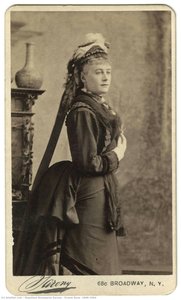
The portrait of Mary Church Terrell, rendered by Alethea Hill Platt in 1884, transcends mere representation; it embodies the spirit of a woman who defied societal expectations to champion equality and inspire generations. Platt’s masterful technique—characterized by meticulous detail and subtle tonal gradations—captures Terrell's dignified gaze and conveys an aura of quiet determination.
- Style: Impressionistic Portraiture – Platt skillfully blends realism with expressive brushstrokes, prioritizing mood and atmosphere over photographic accuracy. This stylistic choice reflects the broader artistic currents of the era, where artists sought to convey emotion rather than simply documenting appearances.
- Technique: Oil on Canvas – Platt employed oil paints on canvas, a favored medium for capturing nuanced textures and achieving luminous color palettes. The layering process allowed her to build up depth and dimension, creating an image that feels both tangible and imbued with inner life.
The historical context surrounding Terrell’s life is crucial to understanding the artwork's significance. Born into slavery in Virginia, Terrell persevered through immense hardship—facing discrimination and prejudice throughout her formative years—to become a pioneering educator and advocate for civil rights. Her unwavering commitment to justice fueled her activism and cemented her legacy as one of America’s foremost figures in the struggle for racial equality.
- Historical Context: Reconstruction Era – Platt's painting emerged during the Reconstruction period following the Civil War, a time marked by fervent debates over citizenship rights and suffrage. Terrell’s involvement in organizations like the National Association of Colored Women underscores the urgency of addressing systemic inequities.
- Symbolism: The posture of Terrell—direct gaze, upright stance—represents resilience and unwavering resolve. Her attire symbolizes respectability and dignity—a conscious effort to assert her presence within a patriarchal society.
More than just a likeness, Platt’s portrait communicates an emotional resonance that speaks to themes of perseverance, aspiration, and the transformative power of education. Terrell's quote – “lifting as we climb” – encapsulates this sentiment perfectly: it signifies a collective effort to advance toward progress while supporting those who strive alongside us. The image serves as a poignant reminder of the importance of courage, compassion, and unwavering belief in the possibility of a brighter future.
- Emotional Impact: Platt’s artwork evokes feelings of admiration for Terrell's fortitude and inspires contemplation on the enduring quest for social justice. The serene beauty of the portrait contrasts sharply with the turbulent realities of Terrell’s era, highlighting her unwavering dedication to achieving meaningful change.
This stunning reproduction captures Platt’s artistic vision with exceptional fidelity, bringing Terrell's dignified countenance and inspiring message into your home or studio. It is a testament to both artistic skill and the enduring legacy of a woman who dared to challenge convention and champion the cause of equality.
Related Artworks
Artist Biography
Alethea Hill Platt: Painter of Tranquility
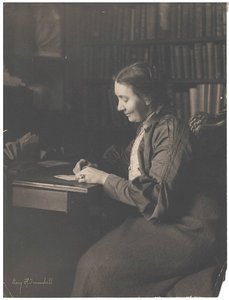
Alethea Hill Platt (December 31, 1860 – May 23, 1932) stands as a testament to the flourishing artistic landscape of late nineteenth-century America—a woman artist who achieved considerable renown for her evocative depictions of rural landscapes and portraits. Born in White Plains, New York, Platt’s upbringing within an artistic family instilled in her a profound appreciation for visual expression from a young age, shaping her lifelong dedication to mastering the craft of painting. As the daughter of Lewis Canfield Platt, a prominent judge, and Laura Sherbrook Popham, her early life was rooted in a lineage of American distinction, yet it was her innate preference for drawing that would eventually lead her far beyond the comforts of her New York upbringing.
The evolution of Platt’s artistry was shaped by rigorous training and exposure to the great artistic currents of her era. She benefited immensely from formative connections with influential mentors such as Henry B. Snell and Ben Foster, who nurtured her talent through disciplined instruction. Her pursuit of excellence took her to the prestigious Art Students League in New York City and eventually to the Delécluse Academy in Paris. This European sojourn proved transformative; immersed in the traditions of French Impressionism, she refined a technique capable of capturing the fleeting nuances of light and atmosphere. This period of study allowed her to bridge the gap between American realism and the luminous, broken brushwork characteristic of the Continental masters.
The Essence of Serenity and Light
Platt’s distinctive style centered on capturing the serene beauty of rural environments, primarily focusing on landscapes found in France, England, New England, and notably, the Adirondack Mountains. Her canvases pulsed with luminous color palettes—often dominated by muted greens, blues, and yellows—designed to convey a palpable sense of tranquility and nobility. There was a rhythmic quality to her work, where she skillfully rendered scenes of cottage gardens brimming with blossoms, villagers engaged in everyday activities within workshops and kitchens, and sunlit woodlands bathed in dappled light. Critics of her time, including those from The New York Times, were moved by the "quality of serenity" found within her compositions, noting a certain dignity that elevated even the most humble subject matter.
Beyond the sweeping vistas, Platt possessed a remarkable ability to find beauty in the intimate and the industrious. Her work often featured an Ashcan school sensibility applied to rural life, depicting fishermen, farmers, and craftspeople laboring in dimly lit cabins or under the soft glow of moonlight. This ability to blend the monumental with the mundane gave her work a unique emotional depth. While she was celebrated for her landscapes, her portraiture also demonstrated a profound sensitivity, capturing the likenesses of her father, brother, and nephew with a precision that honored their character.
Legacy and Artistic Significance
The career of Alethea Hill Platt was marked by both triumph and resilience. While she spent much of her early life in relative obscurity, the challenges of the 1890s forced a reinvention that saw her emerge as a fixture on the Manhattan art scene. She became a vital part of a movement of women painters who organized nationwide exhibitions, asserting their presence in a male-dominated industry. Her achievements were recognized on the most prestigious stages of her time, with her works displayed in approximately 200 exhibitions at venerable institutions, including:
- The National Academy of Design
- The Pennsylvania Academy of the Fine Arts
- The Louisiana Purchase Exposition
Though she did not seek the spotlight through interviews or public lectures, her impact was felt through the enduring strength of her imagery. American Art News once placed her among the ranks of America’s leading women painters, a testament to her technical mastery and her ability to capture the soul of the landscape. Today, Platt is remembered not merely as an educator or a painter of scenery, but as an artist who could translate the quietude of the natural world into a lasting visual legacy of peace and nobility.
alethea hill platt
1860 - 1932 , United States of America
Quick Facts
- Artistic Movement Or Style: Rural Landscape Painting
- Artists Or Movements Influenced By This Artist: ['Impressionism']
- Artists Who Influenced This Artist:
- Henry B. Snell
- Ben Foster
- Date Of Birth: December 31, 1860
- Date Of Death: May 23, 1932
- Full Name: Alethea Hill Platt
- Nationality: American
- Notable Artworks:
- France Landscapes
- England Landscapes
- Adirondacks Landscapes
- Place Of Birth: White Plains, United States
Related Articles

Watercolor Wonders: 10 Masterpieces That Redefined Art History | ArtsDot
Journey through 10 legendary watercolor masterpieces by Sargent, Turner & Homer! Explore iconic landscapes, portraits & floral art that redefined history. Find museum-quality reproductions and curated decor ideas at ArtsDot.com.

Ephemeral Visions: Exploring the Artistic Legacy & Contemporary Practice of Watercolor Painting
Explore the captivating world of watercolor painting! Discover its rich history, essential techniques, influential artists & collecting tips. A comprehensive guide for art enthusiasts from ArtsDot.

Ephemeral Visions: Exploring the Artistic Legacy & Nuances of Watercolor Painting
Explore the captivating world of watercolor painting! Discover its rich history, essential techniques, influential artists & collecting tips from art experts. A comprehensive guide for enthusiasts.

Ephemeral Visions: Exploring the History & Emotional Resonance of Watercolor Painting
Explore the captivating history of watercolor painting, from ancient techniques to modern masters like Kandinsky & Blake. Discover essential artists, collecting tips & the emotional power of this luminous medium. Expert insights for art enthusiasts.

The Enduring Appeal of Watercolor: History, Techniques & Contemporary Practice
Explore the captivating world of watercolor painting! Discover its rich history, essential techniques, influential artists, and collecting tips. A comprehensive guide for art enthusiasts.