
The Allure of Baroque: A Historical Overview
The 17th and 18th centuries witnessed a dramatic shift in artistic expression, one that moved away from the restrained elegance of the Renaissance towards an aesthetic of grandeur, emotion, and theatricality. This was the era of the Baroque – a style born amidst religious fervor and political power, intended to inspire awe and convey a sense of absolute authority. Emerging initially in Rome as a response to the Protestant Reformation, the Catholic Church sought to reassert its dominance through art that spoke directly to the senses, enveloping viewers in an immersive experience of faith and spectacle. The term itself, derived from the Portuguese word “barroco” meaning ‘irregular pearl,’ hints at the complex, often deliberately asymmetrical forms that characterize this period.
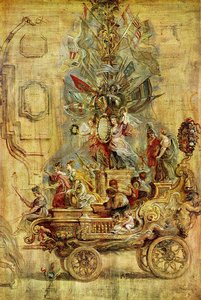
But Baroque wasn’t merely a religious phenomenon. Across Europe – from the opulent courts of France under Louis XIV to the vibrant artistic centers of Flanders and Spain – secular rulers embraced the style as a means of projecting their own power and prestige. Palaces became stages for elaborate displays of wealth, adorned with lavish ornamentation, monumental sculptures, and paintings that celebrated both divine right and earthly glory. Artists like Peter Paul Rubens, with his dynamic compositions and sensual figures, and Gian Lorenzo Bernini, whose sculptural masterpieces seemed to breathe with life, defined the Baroque aesthetic. It was a period where art wasn’t simply *seen*; it was *felt*, designed to stir the soul and leave an indelible impression.
Key Elements of Baroque Interior Design
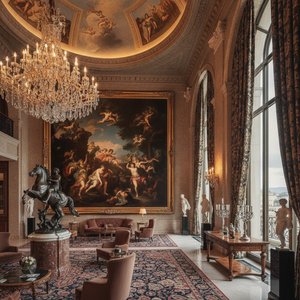
To understand Baroque interior design is to appreciate its deliberate embrace of excess. Unlike the balanced symmetry favored during earlier periods, Baroque interiors revel in movement, tension, and dramatic contrasts. Rich, saturated colors – deep reds, royal blues, emerald greens, and opulent golds – dominate the palette, often juxtaposed with stark chiaroscuro effects achieved through masterful lighting. Think of the grand halls of Versailles, where gilded moldings frame elaborate frescoes, and crystal chandeliers cast shimmering reflections on polished marble floors.
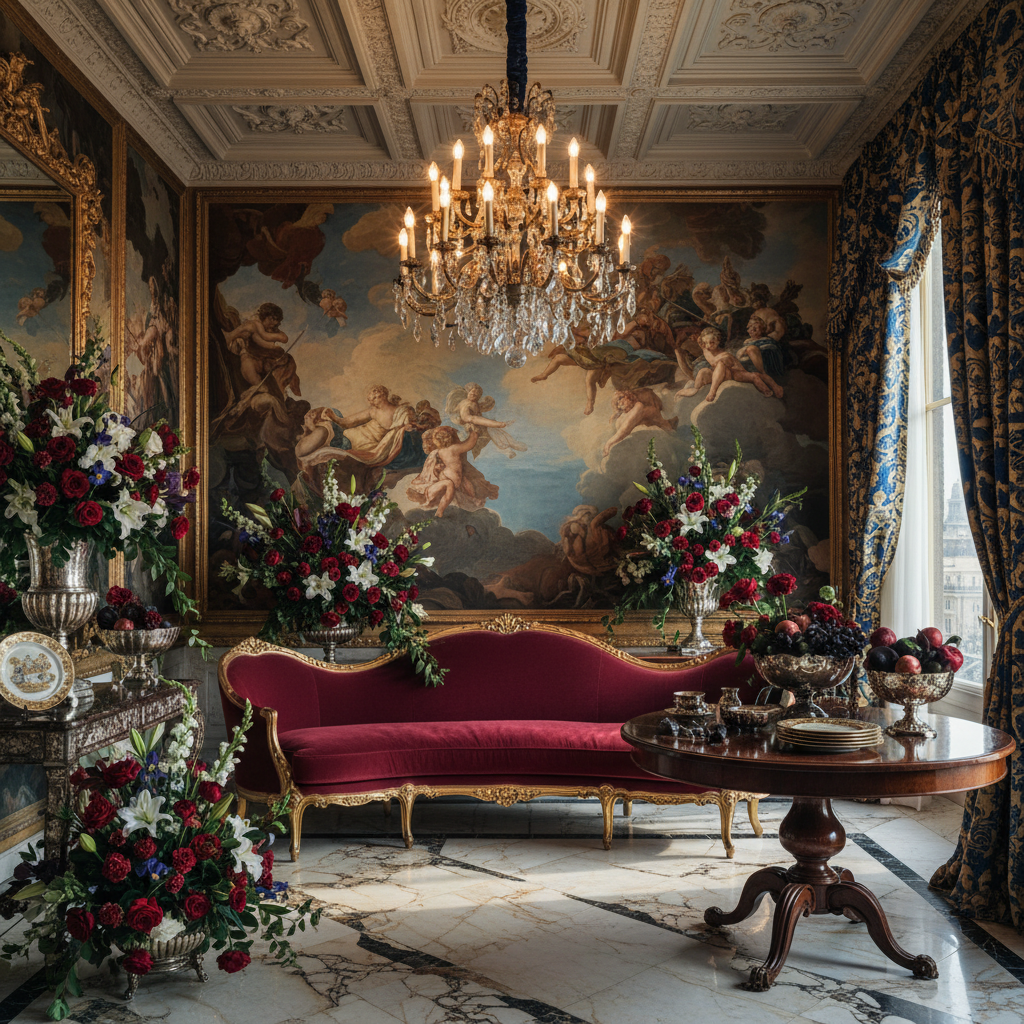
Materials are paramount in creating this sense of luxury. Velvet, silk, and brocade drape walls and furniture, offering a tactile richness that invites indulgence. Wood is carved with intricate detail, often featuring scrolling foliage, cherubic figures, and elaborate crests. Marble, both for flooring and sculptural elements, adds a cool elegance to the warmth of other materials. The use of gilding – applying thin layers of gold leaf to surfaces – is ubiquitous, transforming ordinary objects into symbols of wealth and status. Beyond the materials themselves, it’s the *combination* that defines Baroque: the interplay between light and shadow, texture and form, creating a dynamic visual experience.
Integrating Baroque Style into Modern Homes
While replicating an entire 17th-century palace might be impractical (or undesirable) for most modern homes, the essence of Baroque can be beautifully integrated to add drama and sophistication. The key is restraint – selecting a few key elements rather than attempting a wholesale imitation. A statement piece like a richly framed mirror with gilded detailing can instantly introduce a touch of Baroque grandeur into an entryway or living room.
Rather than overwhelming a space, consider focusing on texture and color. A velvet armchair in a deep jewel tone, paired with silk cushions and a gold-toned coffee table, can evoke the luxurious feel of the period without being overly ostentatious. Dramatic lighting is also crucial – layered illumination from chandeliers, sconces, and table lamps creates the chiaroscuro effect that defines Baroque aesthetics. Don’t be afraid to embrace bold patterns, such as damask or floral motifs, but use them judiciously, perhaps on accent pillows or curtains.
Baroque-Inspired Art & Focal Points for Your Space
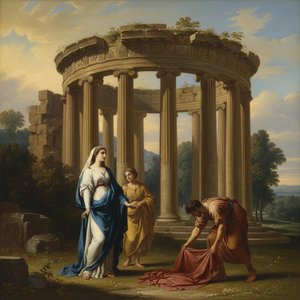
Art is, of course, central to the Baroque experience. Paintings depicting religious scenes, mythological narratives, or portraits of noble figures were common during this period. Works by artists like Francisco de Zurbarán, with his intensely spiritual depictions of saints and monks – such as ‘Anunciación 1’ – exemplify the devotional intensity of Baroque art. Adolph von Menzel's 'The Interior of the Jacobskirche at Innsbruck' offers a stunning glimpse into the opulent grandeur of church interiors, showcasing masterful detail and dramatic lighting.
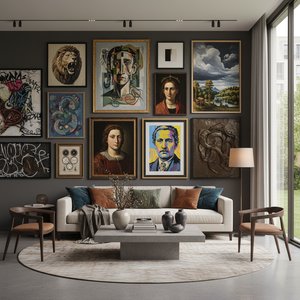
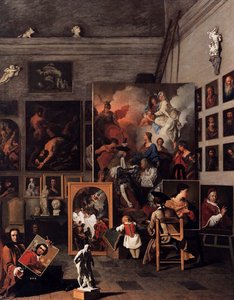
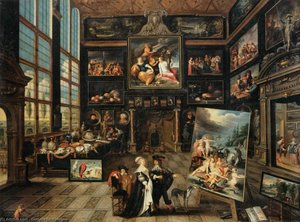
Creating a focal point is essential when incorporating Baroque-inspired art. A large painting hung above a fireplace or on a prominent wall can serve as an anchor for the room’s design. Consider grouping smaller works together to create a gallery wall, echoing the elaborate displays found in Baroque palaces. Sculptural elements – whether reproductions of classical statues or ornate candlesticks – can also add a touch of drama and sophistication. Remember that the goal is not simply to display art but to create an immersive experience that engages the senses and evokes emotion.
Sourcing Authentic Baroque Reproductions with
For those seeking to bring the beauty of Baroque art into their homes, offers a curated collection of high-quality reproductions. We specialize in handmade oil paintings crafted by skilled artists who meticulously recreate the details and nuances of the original masterpieces. Unlike mass-produced prints, our oil paintings possess a depth and texture that captures the spirit of the Baroque aesthetic.
Our process ensures authenticity and longevity. Each painting is created on 100% cotton canvas using high-quality oil paints, and artists employ techniques mirroring those used by the Old Masters. We offer complete customization options – from size and framing to stylistic variations – allowing you to create a piece that perfectly complements your space. With , you’re not simply purchasing a reproduction; you're investing in a work of art that will be cherished for generations. Explore our collection today and discover the transformative power of Baroque beauty.