

The Impact of Baroque Aesthetics on High-End Hospitality Design
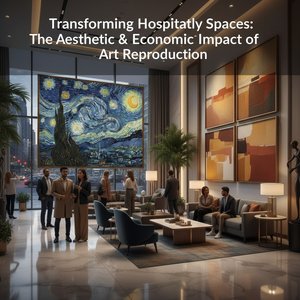
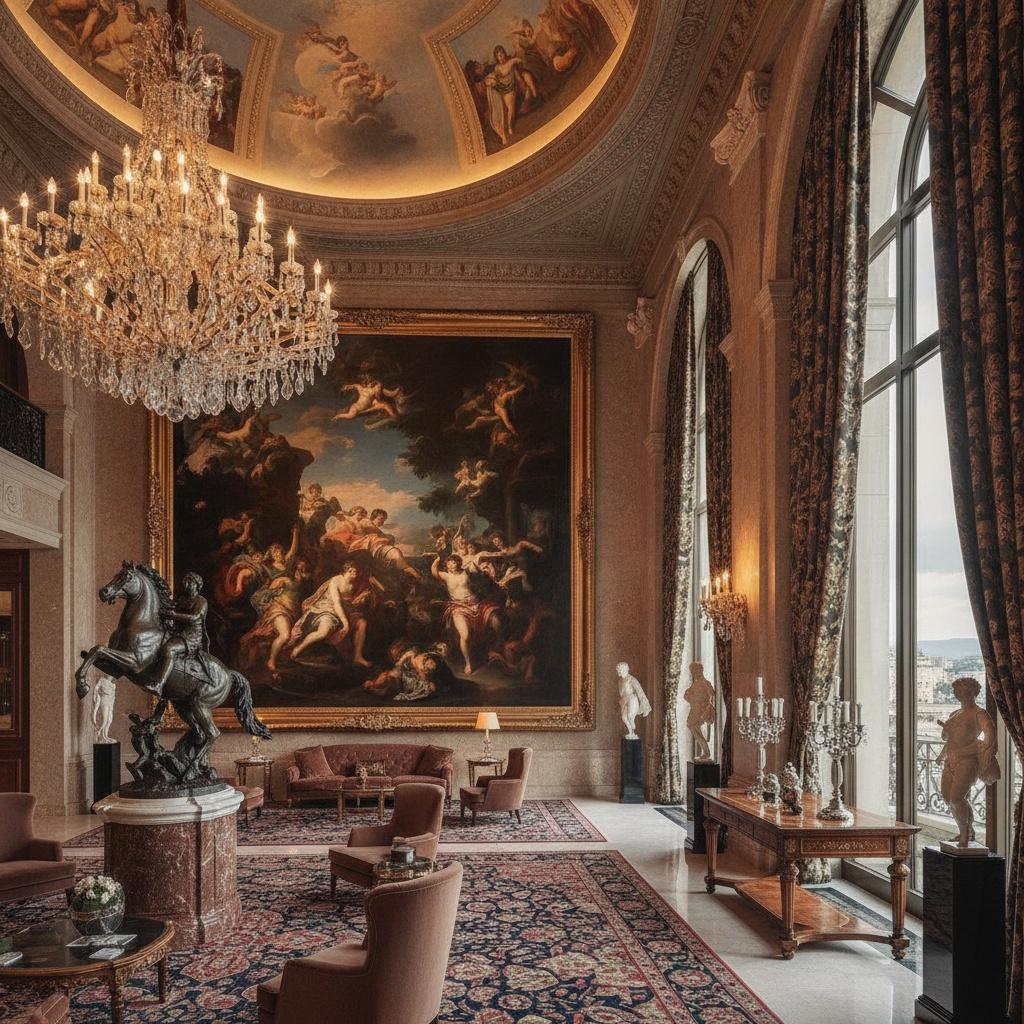
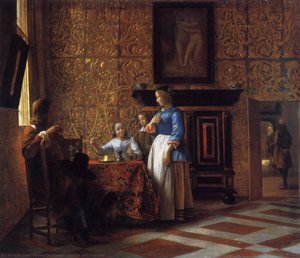
In the competitive landscape of luxury hospitality, the ability to evoke an immediate sense of grandeur is paramount. For the discerning hotel designer, the interior environment serves as a silent narrator of the brand’s prestige. The Baroque era, characterized by its theatricality and emotional intensity, offers an unparalleled toolkit for creating such narratives. Unlike the understated minimalism that often dominates modern corporate spaces, Baroque aesthetics command attention through movement and depth. When integrated into a lobby or a grand ballroom, these works do more than decorate; they anchor the architectural volume, providing a focal point that invites guests to linger and contemplate. The true power of Baroque art in hospitality lies in its capacity for storytelling. A well-placed reproduction of a dramatic masterpiece can transform a transitional hallway into a gallery-like experience, elevating the perceived value of the entire property. By utilizing the heavy textures and rich color palettes inherent in 17-century oil paintings, designers can create a sense of historical continuity and permanence. This approach appeals to the traveler seeking authenticity and luxury, offering an atmosphere that feels curated rather than merely furnished.Key Baroque Elements: Chiaroscuro, Drama, and Scale for Large Interiors
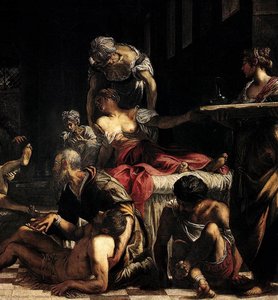
To successfully implement Baroque elements in large-scale interiors, one must understand the technical mastery of chiaroscuro—the dramatic interplay between light and shadow. This technique, perfected by masters such as Caravaggio and Guercino, creates a three-dimensional illusion that is particularly effective in high-ceilinged environments. In a space with significant architectural volume, flat or low-contrast imagery tends to disappear into the background. However, works that feature intense highlights against deep, velvety shadows possess a visual weight that holds its own against massive columns and expansive floor plans. Beyond lighting, the concept of movement is essential. Baroque compositions are rarely static; they are filled with swirling drapery, reaching limbs, and diagonal lines that guide the eye across the canvas. For a procurement manager, selecting works like Pietro da Cortona’s The Punishment of Hercules or the allegorical complexities found in Maulbertsch’s work provides a sense of kinetic energy to a room. This dynamism is crucial for preventing large, open-plan hotel lounges from feeling stagnant or hollow. When scale and drama are aligned, the artwork becomes an architectural component that breathes life into the structural bones of the building.Curating Masterpieces: Selecting Iconic Works for Grand Lobbies and Suites
The curation process requires a strategic balance between thematic cohesion and visual impact. For primary arrival points, such as hotel lobbies, the selection should favor high-impact, narrative-driven pieces that establish the property's identity. Works like Artemisia Gentileschi’s Susanna and the Elders offer a profound sense of realism and emotional vulnerability that can captivate guests upon entry. These are not merely images; they are conversation pieces that define the cultural tone of the establishment. In more private settings, such as executive suites or fine-dining restaurants, the curation can shift toward more intimate yet equally sophisticated themes. The use of religious or mythological allegories, such as Guercino’s Saint Francois en Extase, provides a sense of quiet majesty and intellectual depth. For designers working with specific color palettes, the ability to source works based on tonal harmony—utilizing deep ochres, rich crimsons, or midnight blues—ensures that the art complements rather than competes with the bespoke upholstery and marble finishes of the interior.Technical Specifications: Custom Sizing, Multi-Panel Layouts, and Architectural Integration
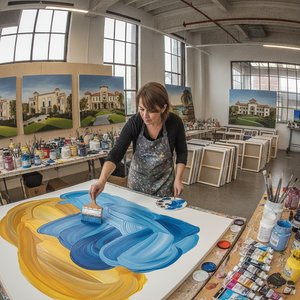
A significant challenge in hospitality design is the presence of "dead" wall space—vast, uninterrupted surfaces that require substantial visual coverage. Standard-sized prints often fail to meet the demands of these architectural voids. This is where the utility of multi-panel layouts becomes indispensable. By splitting a single Baroque masterpiece across three, four, or even five panels, a designer can create a panoramic effect that spans several meters, effectively turning a wall into a cohesive mural. This technique allows for a modern, rhythmic interpretation of classical art, making it particularly suitable for contemporary hotel corridors and staircases. Furthermore, the integration of art must consider the physical properties of the medium. For large-scale projects, the choice between a handmade oil reproduction and a high-quality print is a matter of tactile necessity. A hand-painted oil on cotton canvas provides the visible brushstrokes and impasto textures that catch ambient light, creating a much deeper tonal range than a flat digital print. For even more ambitious architectural feats, such as recreating historical ceilings, large-format murals and frescoes can be commissioned to mimic the grandeur of the Sistine Chapel, providing a seamless integration between the canvas and the building's structure.Procurement and Logistics: Managing Large-Scale Art Orders for Hospitality Projects
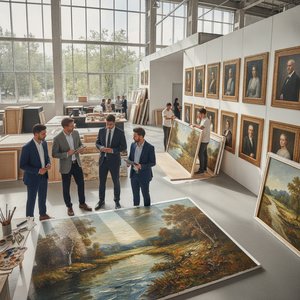
For procurement managers and hotel decorators, the art acquisition process must be as efficient as it is aesthetic. Managing large-scale installations requires a reliable supply chain capable of handling high-volume orders with precision. Success in these projects depends on operational reliability: clear pricing, VAT-compliant documentation, and the ability to manage complex logistics across international borders. When furnishing entire hotel chains, the ability to place re-orders for consistent styles is a critical functional requirement. Reliable delivery through partners like DHL Express or FedEx ensures that art arrives within project timelines, minimizing delays in room openings. Furthermore, the professional designer requires transparency throughout the production cycle—from the initial digital mockup used for color matching to the final pre-shipment photo approval. This level of control is essential when managing custom commissions where specific dimensions and frame finishes, such as gold leaf or espresso wood, must align perfectly with the interior design specifications. In the high-stakes world of hospitality procurement, the art supplier must function not just as a vendor, but as a dependable partner in the realization of the architectural vision.For professional inquiries regarding large-scale reproductions, custom sizing for hotel projects, or to register for our Trade Program, please visit ArtsDot.com.