Strategic Selection: Using Vibrant Color Palettes to Define Hospitality Brand Identity
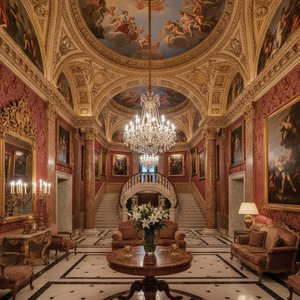
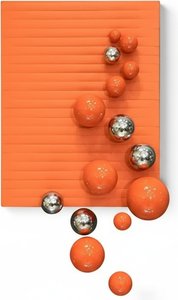
In the competitive landscape of luxury hospitality, the visual narrative of a space serves as the primary touchpoint for guest engagement. For the discerning hotel designer, color is not merely an aesthetic choice but a strategic tool used to anchor brand identity and evoke specific emotional responses. A well-curated palette of vibrant artworks can transform a sterile lobby into a destination of warmth and energy, or turn a quiet lounge into a sophisticated sanctuary of modernism. When selecting pieces for large-scale projects, the integration of high-chroma hues—ranging from the deep, emotive tones found in Color Field painting to the electric pulses of Pop Art—allows a designer to direct the flow of movement and focus within a floor plan.
The psychological impact of color cannot be overstated. While muted, earth-toned landscapes may offer serenity for wellness retreats, the introduction of bold, saturated pigments can stimulate appetite in fine-dining environments or instill a sense of avant-garde prestige in boutique urban hotels. By leveraging the works of masters who understood the emotive power of pigment, procurement managers can ensure that every corridor and common area contributes to a cohesive, high-impact brand story that resonates long after the guest has checked out.
High-Impact Masterpieces: Analyzing Abstract Expressionism and Op Art for Large-Scale Walls
When faced with expansive, unadorned walls in grand atriums or long corridors, the challenge lies in selecting art that possesses sufficient visual weight to command the space without overwhelming the architectural intent. This is where the profound depth of Abstract Expressionism and the rhythmic precision of Op Art become indispensable. Masterpieces such as Morris Louis’s High offer a mesmerizing interplay of flowing lines and vibrant hues, creating a sense of organic movement that can soften the rigid geometry of modern hotel architecture. Similarly, the works of Gene Bernard Davis, like Flower Machine, utilize bold, striped compositions to introduce a rhythmic energy that guides the eye through large-scale transitions.
For spaces requiring a more structured, intellectual stimulation, Op Art provides an unparalleled solution. The hypnotic, dynamic patterns found in Bridget Riley’s Nataraja utilize color and line to create a sense of depth and vibration, effectively turning a flat surface into a multidimensional experience. These styles are particularly effective for large-scale installations because they do not rely on a single focal point; rather, they invite the viewer to engage with the canvas from various angles and distances, making them ideal for high-traffic areas where guests are constantly in motion.
Scalability and Versatility: Custom Sizing, Multi-Panel Layouts, and Architectural Murals
The technical requirements of large-scale hospitality design often demand art that transcends the limitations of standard frame sizes. A single, massive canvas can be difficult to transport and install, yet a small painting will inevitably disappear against a monumental wall. To bridge this gap, the use of multi-panel layouts—splitting a singular, cohesive composition across three, four, or even five panels—has become a cornerstone of modern architectural art integration. This technique allows for the seamless coverage of wide walls or grand staircases, creating a panoramic effect that maintains the integrity of the original brushwork while providing a contemporary, fragmented aesthetic that complements modern interior design.
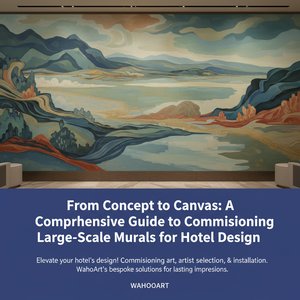
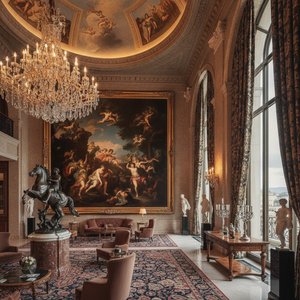
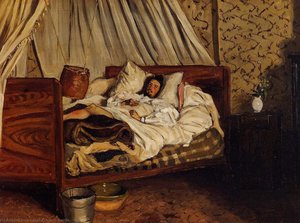
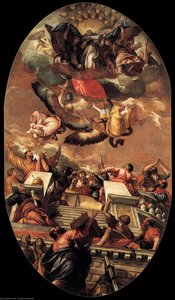
Beyond individual canvases, the potential for true architectural transformation lies in large-format murals and ceiling frescoes. These works, painted on massive canvas rolls, allow designers to recreate historical grandeur or implement bespoke abstract landscapes that function as permanent features of the building's skin. Whether it is a custom-sized reproduction of a Post-Impressionist landscape or an expansive, hand-painted mural designed to mimic a Renaissance ceiling, the ability to scale art to the specific dimensions of a project ensures that the artwork and the architecture exist in a state of perfect, intentional symbiosis.
Operational Efficiency: Streamlining Procurement with Bulk Orders, Digital Mockups, and Reliable Logistics
For procurement managers and hospitality professionals, the beauty of an art selection is secondary to the reliability of its delivery. Managing large-scale installations requires a vendor who understands the pressures of timelines, budgets, and logistical complexity. Efficient procurement relies on a system built for volume—a catalog depth that allows for the simultaneous sourcing of dozens of pieces across different themes, paired with a streamlined re-order flow for brand consistency across global hotel chains. The ability to receive clear pricing, VAT-compliant documentation, and predictable shipping windows is essential for maintaining project momentum.
To mitigate the risks associated with large-scale commissions, the use of professional digital mockup services is a critical safeguard. Before a single drop of oil touches the canvas, seeing a digital rendering of the artwork within the specific context of the hotel’s interior allows designers to verify color matching and scale. This process, combined with rigorous order management systems—providing real-time tracking via SMS or email—ensures that the transition from selection to installation is transparent and controlled. When paired with global logistics partners like DHL or FedEx, the complexity of international shipping is reduced to a manageable, predictable component of the project lifecycle.
Technical Specifications: Ensuring Longevity through Hand-Painted Oils and Professional Framing
In high-traffic commercial environments, the durability of art is as important as its appearance. Unlike mass-produced prints or digital posters that may fade or lack textural depth, hand-painted oil reproductions offer a level of permanence and prestige required for luxury assets. The use of 100% cotton canvas, flexible gesso to prevent cracking, and specialized oils—such as saffra-flower oils for whites to prevent yellowing—ensures that the artwork remains vibrant for decades. Each layer of paint, applied with visible brushstrokes and an impasto technique, creates a tactile surface that resists the visual flattening common in lower-quality reproductions.
The final layer of protection lies in professional finishing and framing. For large-scale works, engineered stretcher bars are essential to prevent warping over time, while custom framing options—ranging from gold leaf to natural wood—provide the necessary structural support and aesthetic cohesion. Furthermore, the application of a protective Damar varnish shields the surface from dust, moisture, and atmospheric pollutants prevalent in public spaces. By prioritizing these technical specifications, designers can ensure that their investment in high-impact art remains a lasting legacy of the property’s excellence.
For professional inquiries regarding bulk orders, custom sizing for hospitality projects, or expert art consultation, please visit ArtsDot.com. Our specialists are available to assist with large-scale procurement, providing the reliability and quality required by the global design community.