



The Baroque Aesthetic: Utilizing Chiaroscuro for High-Impact Hotel Lobby Design
In the realm of high-end hospitality design, the atmosphere of a lobby serves as the silent ambassador of a brand’s prestige. To command attention and evoke an immediate sense of grandeur, there is no tool more potent than the dramatic interplay of light and shadow known as chiaroscary. Originating from the Italian chiaro (light) and scuro (dark), this technique does not merely illuminate a scene; it sculpts it. For the discerning hotel designer, integrating Baroque-inspired works allows for the creation of a narrative force within a space, guiding the guest's gaze through carefully orchestrated contrasts.
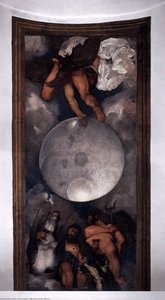
When a lobby is anchored by a masterpiece utilizing tenebrism—the more extreme version of chiaroscuro where darkness becomes a dominating element—the architecture itself seems to deepen. The stark, theatrical lighting found in the works of the Baroque era creates pockets of intimacy amidst vast, open halls. This manipulation of light acts as an emotional catalyst, transforming a transit space into a destination of psychological depth. By selecting pieces that emphasize these intense transitions, designers can manipulate the perceived volume of a room, using shadow to hide structural edges and light to highlight focal points such as reception desks or sculptural seating arrangements.
Curating the Masters: Key Italian Baroque Artists for Large-Scale Hospitality Projects
Selecting the right historical figures for a collection requires an understanding of both artistic legacy and visual impact. The cornerstone of any bold Baroque curation remains Caravaggio. His revolutionary realism and mastery of intense, dramatic religious and genre scenes provide a foundation of unparalleled gravity. For designers seeking to implement a sense of movement and visceral emotion, Caravaggio’s influence is unmatched, offering a template for works that feel alive with tension and human drama.
Beyond the primary masters, exploring the lineage of Caravaggism allows for a more nuanced and diverse collection. Artists such as Giovanni del Campo or Jan Andrea Lievens offer variations on this dramatic theme, blending intense lighting with unique personal styles that can prevent a large-scale project from feeling monolithic. For those looking to introduce subtle complexity, the works of Giovanni Antonio Paganino provide intricate themes and historical significance that reward closer inspection. By curating a mix of these masters, a designer can build a cohesive visual language that speaks to both the grandeur of the 17th century and the sophisticated requirements of modern luxury.
Technical Specifications: Selecting Between Hand-Painted Oils and Giclée Prints for Durability
From a procurement perspective, the choice between a Handmade Oil Reproduction and a Giclée Print is a decision involving both tactile aesthetics and long-term maintenance. For flagship suites or primary gallery walls where the goal is to convey absolute prestige, hand-painted oils are the gold standard. These works are meticulously crafted on 100% cotton canvas, featuring visible brushstrokes and an impasto texture that provides a three-dimensional depth impossible to replicate with digital printing. The natural variation in oil pigments and the application of a protective Damar varnish ensure that these pieces possess a luminous, museum-quality finish that ages with grace.
Conversely, for high-traffic corridors or secondary guest rooms where budget efficiency and rapid deployment are critical, high-quality Giclée prints offer a practical alternative. These are archival 12-color ink reproductions that provide incredible color accuracy. While they lack the physical texture of an oil painting, they serve as durable, cost-effective solutions for large-scale installations. Designers must weigh the "soul" of the piece—the tactile depth of real paint versus the flat, precise perfection of a print—against the operational requirements of the property's renovation timeline and maintenance budget.
Customization and Scale: Multi-Panel Layouts and Bespoke Dimensions for Architectural Integration
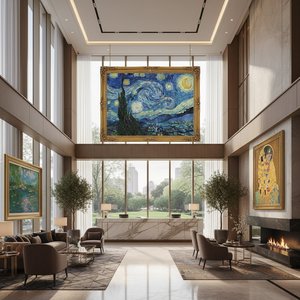
Modern hotel architecture often presents challenging surfaces, from expansive, windowless corridors to soaring, vaulted ceilings. Standardized art sizes rarely suffice for these monumental scales. This is where the multi-panel trend becomes an essential tool in the designer's repertoire. By splitting a single Baroque composition across three, four, or even five panels, a designer can create a "triptych" or larger polyptych effect that spans the entire width of a feature wall. This approach ensures that the artwork feels integrated into the architecture rather than merely hung upon it.
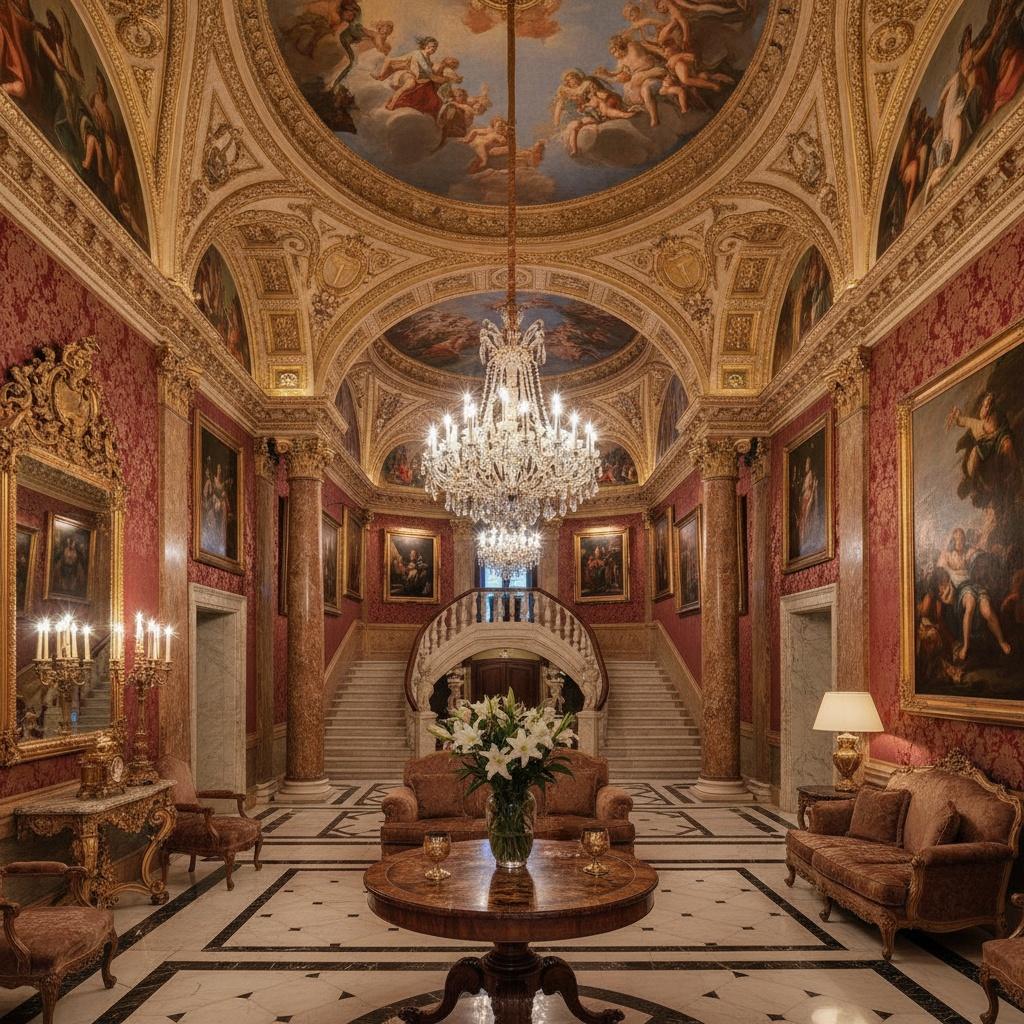
Furthermore, the ability to customize dimensions allows for true architectural synergy. Whether it is an elongated horizontal piece for a long hallway or a massive vertical canvas for a grand staircase, bespoke sizing prevents the "small art on a large wall" error that can diminish a room's impact. For even more ambitious projects, architectural murals and frescoes can be commissioned, allowing historical styles—such as the ceiling decorations of the Renaissance or Baroque palaces—to be recreated on massive canvas rolls, effectively transforming a standard hotel ceiling into a work of historical art.
Logistics and Procurement: Managing Bulk Orders, VAT Compliance, and Global Shipping for Hotel Renovations
For procurement managers and hospitality professionals, the success of an art installation depends as much on operational reliability as it does on aesthetic vision. When managing large-scale orders for entire hotel chains, efficiency is paramount. A professional workflow must include clear communication, such as digital mockups that allow designers to visualize the artwork in situ before production begins, and a robust order management system providing real-time tracking via email or SMS.
Reliable global logistics are non-negotiable. The use of reinforced, double-walled packaging and industrial-grade tubes ensures that even large-format works arrive without damage. Furthermore, navigating the complexities of international procurement—including VAT compliance, customs declarations for Italy, or tax ID requirements for Mexico and Brazil—requires a supplier with established expertise in global trade. A professional partner should offer seamless integration into existing business workflows, providing VAT-compliant invoices and even white-label shipping options to ensure that the art arrives as a ready-to-hang component of a larger, flawlessly executed design project.