
The Allure of the Masters: Why Oil Painting Reproduction Remains Popular
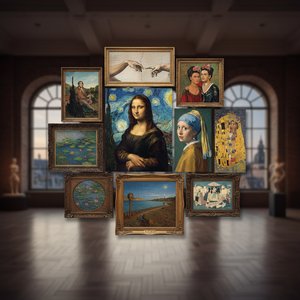
For centuries, the power of oil paint has captivated artists and audiences alike. From the luminous layers of Jan van Eyck to the bold strokes of Vincent van Gogh, the medium’s versatility allows for an unparalleled depth of expression. Yet, access to original masterpieces remains limited – often confined to museum walls or the collections of discerning private collectors. This inherent exclusivity is precisely what fuels the enduring appeal of oil painting reproduction. It's not merely about possessing a visual likeness; it’s about inviting a fragment of art history into one’s own life, fostering a personal connection with works that have shaped our cultural landscape.
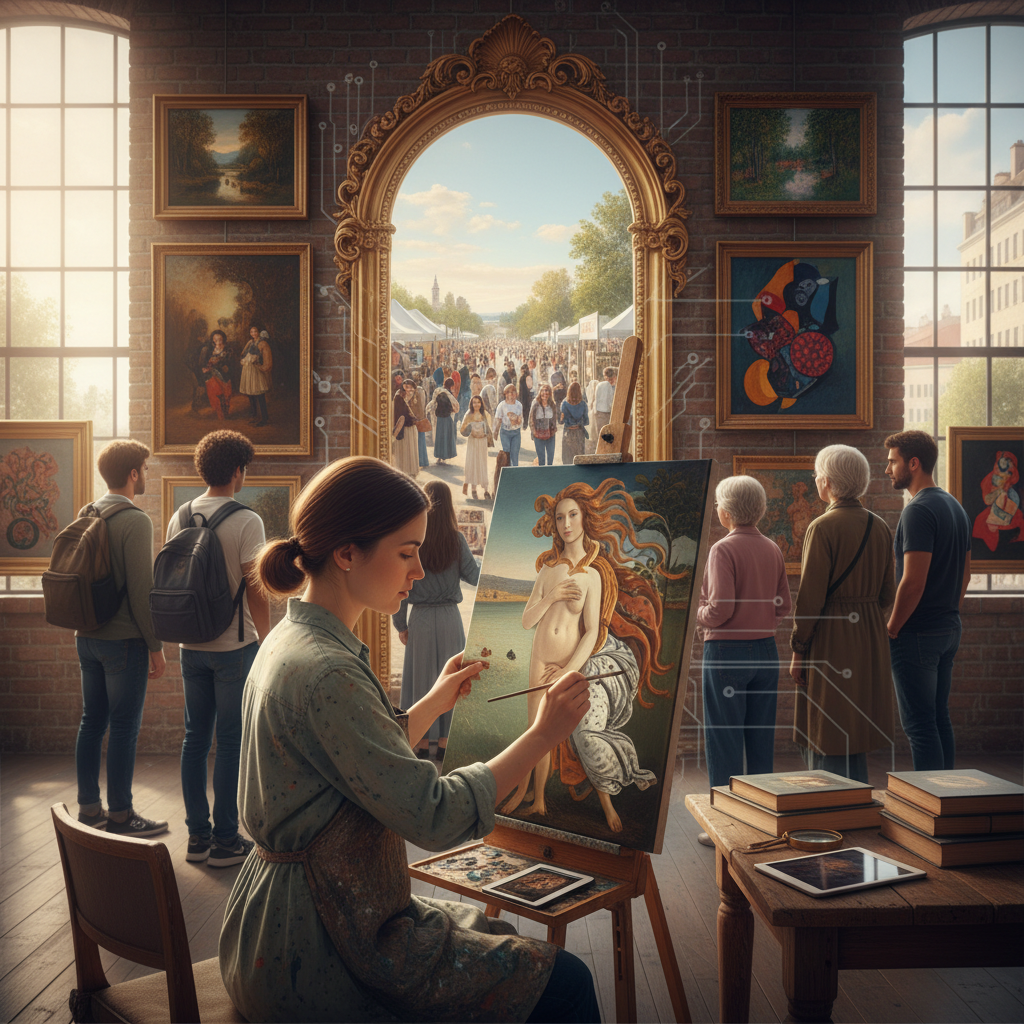
The desire to replicate artistic achievements is hardly new. Throughout history, artists have studied and copied the works of their predecessors as a means of learning technique and understanding compositional principles. In earlier eras, this took the form of meticulous hand-copying – a painstaking process that demanded exceptional skill. Today, while technological advancements offer alternative methods, the most sought-after reproductions remain those created by skilled artisans, employing techniques faithful to the original masters. This isn’t simply about duplication; it's about continuing a tradition of artistic reverence and interpretation.
Beyond the Original: Exploring the Benefits of High-Quality Reproductions
The benefits extend far beyond mere accessibility. A high-quality oil painting reproduction offers an opportunity to experience art on a personal scale, tailored to individual tastes and interior spaces. Unlike a fleeting museum visit, a reproduction allows for prolonged contemplation – a chance to observe subtle nuances in brushwork, color palettes, and composition that might otherwise be missed. Moreover, reproductions provide a unique avenue for customization.
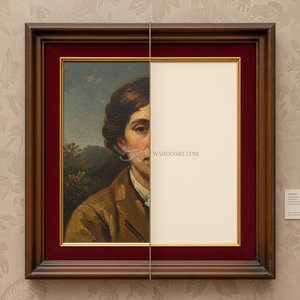
Consider the possibilities: scaling a beloved landscape to fit a specific wall, commissioning a portrait in the style of Rembrandt, or even recreating a damaged artwork with pristine clarity. The ability to personalize art transforms it from a passive object of admiration into an active element of one’s environment. This democratization of art empowers individuals to curate their own galleries, reflecting their unique sensibilities and creating spaces that inspire and uplift.
Craftsmanship & Technology: How Modern Reproductions Capture Artistic Essence
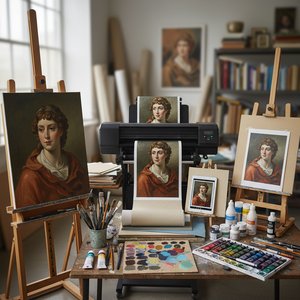
The process of creating a truly exceptional oil painting reproduction is far from automated. It begins with meticulous attention to detail – sourcing high-quality canvas, preparing the surface with traditional gesso, and selecting pigments that closely match those used by the original artist. Skilled artisans then embark on a painstaking process of layering paint, replicating not just the colors but also the texture and impasto (the thickness of the paint) that define each brushstroke.
“The Painter in his Studio” by Jean-Louis Ernest Meissonier offers a fascinating glimpse into this world – a testament to the dedication and precision required to master the craft. Modern techniques, such as high-resolution digital imaging, play a role in ensuring accuracy, but it is ultimately the artist’s hand that breathes life into the reproduction. The finest reproductions aren't simply copies; they are re-creations imbued with the spirit of the original.
Choosing Your Perfect Reproduction: Styles, Customization & Considerations
Navigating the world of art reproduction can be daunting, but a few key considerations can ensure a satisfying outcome. First, consider the style and technique that resonate most deeply with you. Do you prefer the delicate brushwork of Impressionism, as exemplified by Sir William Nicholson’s album copies of old masters, or the bold realism of Antonio López García? Understanding your aesthetic preferences will guide your selection.
Second, explore customization options. Many providers offer the ability to adjust size, framing, and even stylistic elements. Don't hesitate to request a digital mockup before committing to a final piece – this allows you to visualize the artwork in your space and ensure it meets your expectations. Finally, prioritize quality. Look for reproductions created by experienced artists using archival-quality materials, guaranteeing longevity and preserving the integrity of the artwork for generations.
Preserving Art for Generations: The Value and Longevity of Oil Reproductions
Ultimately, the value of an oil painting reproduction lies not just in its aesthetic appeal but also in its ability to preserve artistic heritage. In some cases, reproductions serve as vital substitutes for artworks lost or damaged over time – a testament to their role in safeguarding cultural memory. Furthermore, a well-crafted reproduction can offer a cost-effective alternative to acquiring an original masterpiece, making art accessible to a wider audience.
As Walter Benjamin explored in “The Work of Art in the Age of Mechanical Reproduction,” the proliferation of images can alter our relationship with art. However, when approached with respect and craftsmanship, reproduction can enhance appreciation, foster understanding, and ensure that the beauty and wisdom embodied in these timeless works continue to inspire for years to come.