


Streamlining Large-Scale Procurement: The Role of Digital Illustration in Hospitality Design
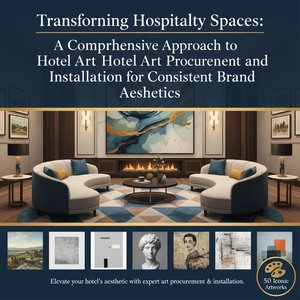
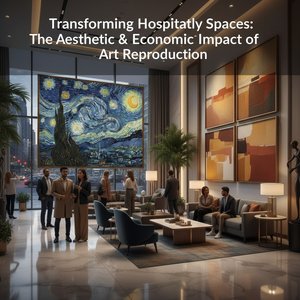
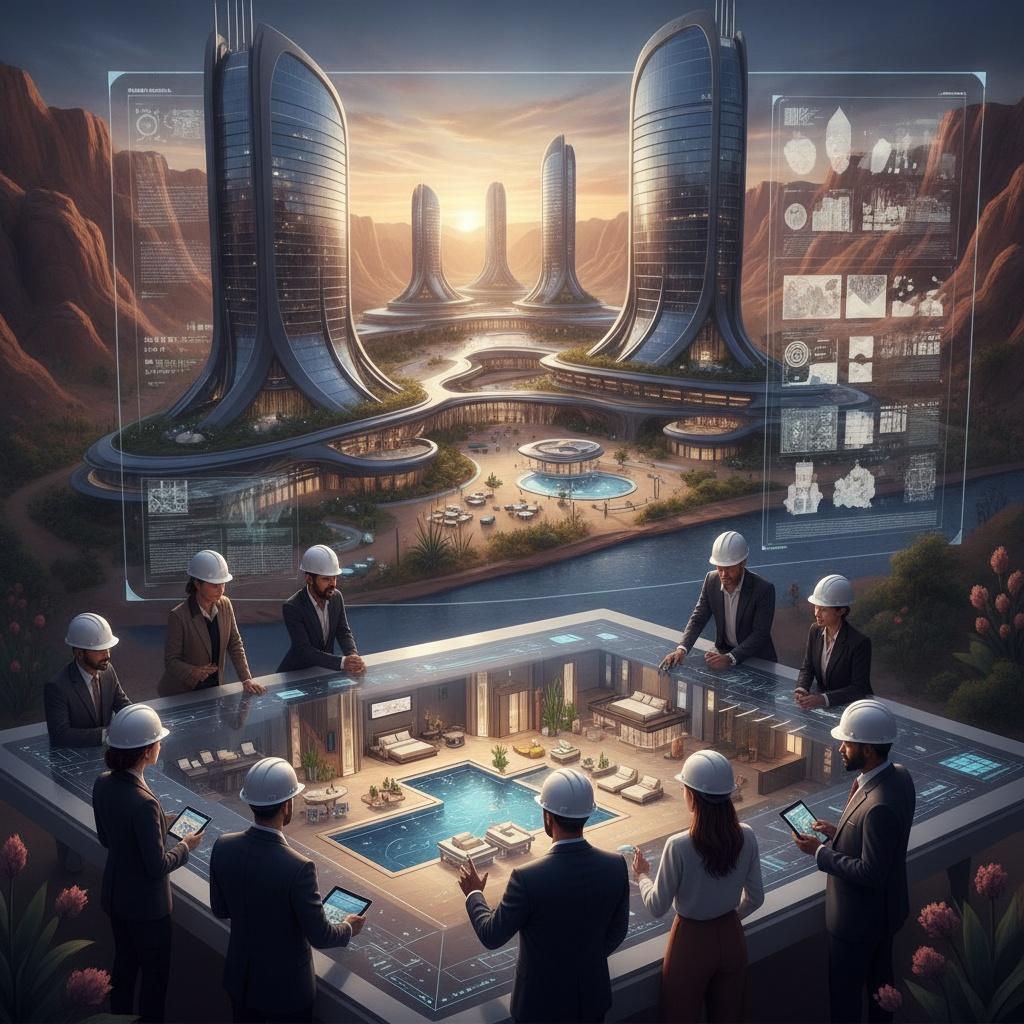
In the high-stakes world of hospitality design, the ability to execute a cohesive visual narrative across hundreds of rooms is as much an operational challenge as it is a creative one. For procurement managers and designers overseeing hotel renovations or new builds, the traditional method of sourcing individual pieces of art is often fraught with logistical bottlenecks and unpredictable timelines. The integration of digital illustration and advanced visualization tools has fundamentally altered this landscape, offering a bridge between abstract concept and physical reality. By utilizing digital frameworks, designers can now preview how classical aesthetics—ranging from the vibrant Fauvism of Matisse to the dramatic chiaroscuro of Rembrandt—will interact with modern architectural elements long before a single brush touches canvas.
This technological evolution does not replace the tactile soul of fine art; rather, it serves as a precision tool for scale. In large-scale procurement, efficiency is found in the ability to predict outcomes. Digital illustration allows for the rapid testing of various artistic styles and color palettes across vast floor plans, ensuring that the final selection of hand-painted reproductions aligns perfectly with the brand identity of the hotel chain. This streamlined approach reduces the margin for error, allowing professionals to move from the initial mood board to a finalized, high-volume order with unprecedented confidence.
Precision at Scale: Utilizing Digital Mockups for Color Matching and Spatial Planning
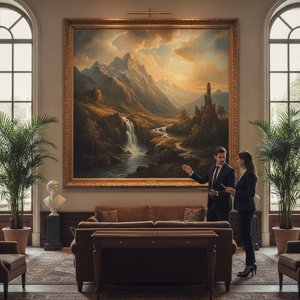
One of the most significant hurdles in furnishing large corporate or hospitality spaces is the discrepancy between a small-scale sample and the final, large-format installation. A color that appears harmonious on a digital screen can often lose its impact when scaled to a three-meter canvas. To mitigate this risk, the use of professional digital mockups has become an essential standard in the procurement workflow. These mockups allow designers to digitally place high-resolution reproductions onto actual photographs of their project sites, providing a realistic preview of light interaction, scale, and spatial balance.
Beyond mere placement, these digital tools facilitate precise color matching, which is critical when working with complex interior palettes involving bespoke textiles and architectural finishes. For the procurement manager, this means the ability to request specific adjustments—such as altering the tonal range or adjusting the intensity of gold accents in an Art Deco-inspired piece—before production begins. This iterative process ensures that the final hand-painted oil work arrives on-site as a seamless extension of the room's design, eliminating the costly and time-consuming need for replacements or secondary orders.
Optimizing Workflow: Integrating Custom Commissions into High-Volume Project Timelines
Managing a large-scale rollout requires a rigorous adherence to timelines. When a hotel project demands dozens of unique pieces, the procurement process must be integrated into the broader construction and FF&E (Furniture, Fixtures, and Equipment) schedule. The challenge lies in balancing the need for bespoke, custom-commissioned art with the rigid deadlines of a grand opening. This is where a structured, high-volume business model becomes indispensable. By utilizing a system that treats custom commissions as part of a predictable production flow, designers can leverage the prestige of "one-of-a-kind" art without the chaos of traditional commission timelines.
A professional workflow relies on clear milestones: immediate order confirmation, digital mockup approval, and pre-shipment photographic verification. For the procurement professional, this transparency is vital. It allows for the synchronization of art delivery with other site arrivals, such as furniture or lighting. Whether it is a "Period Shift" that transforms a modern photograph into a 17th-century masterpiece or a specialized portrait, the ability to track progress through an organized management system ensures that the artistic elements of a project are never the cause of a delay.
From Concept to Installation: Managing Multi-Panel Layouts and Large-Format Murals
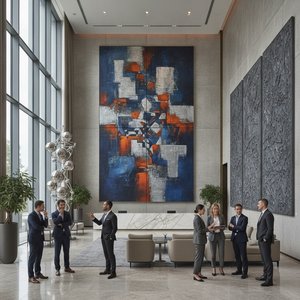
Architectural grandeur often demands art that transcends the boundaries of a single frame. In lobbies, grand staircases, and expansive corridors, the trend toward multi-panel layouts—splitting a single iconic image across three, four, or even five canvases—offers a way to create impactful, modern installations. This technique requires meticulous planning to ensure that brushstrokes and color gradients flow seamlessly across the gaps between panels, maintaining the integrity of the original composition. For the designer, this provides a modular approach to art, allowing for customization based on the specific dimensions of a wall.
Furthermore, for spaces requiring even more immersive environments, large-format murals and ceiling frescoes offer an unparalleled level of luxury. These works, painted on massive canvas rolls, allow designers to recreate historical splendor—such as the intricate details of a Renaissance ceiling—within a contemporary hotel setting. The installation process is engineered for efficiency, much like high-end wallpaper, allowing for a rapid transformation of space that can be executed alongside other finishing trades, ensuring that the final architectural vision is realized with both scale and sophistication.
Cost-Efficiency and Reliability: Standardized Sizing and Global Logistics for Procurement Managers
Ultimately, the success of large-scale art procurement rests on the pillars of reliability and cost-efficiency. For a procurement manager like David, who is tasked with managing budgets and high-volume re-orders, the value lies in standardized sizing and predictable logistics. Having access to a deep catalog of classic works available in repeatable, standard sizes allows for much easier budgeting and inventory management across multiple properties. This predictability is matched by a robust logistics framework designed for international commerce.
Reliability is found in the details: the use of reinforced, double-walled packaging for framed pieces, the deployment of industrial-grade shipping tubes for rolled art, and the partnership with global carriers like DHL Express and FedEx. In an era of complex international trade, a supplier that provides clear VAT/customs support and transparent documentation is a critical partner. When the logistics are handled with professional precision—ensuring that every piece arrives safely, on time, and ready for installation—the art ceases to be a logistical burden and becomes a powerful, scalable asset in the global hospitality industry.
For professionals seeking to elevate their large-scale projects through high-quality, hand-painted reproductions and efficient procurement solutions, ArtsDot.com provides the necessary infrastructure for success. From custom commissions to bulk orders of timeless classics, we offer the reliability and scale required by today's global designers.