The Role of Romanticism in Hospitality Design: Creating Immersive Guest Experiences
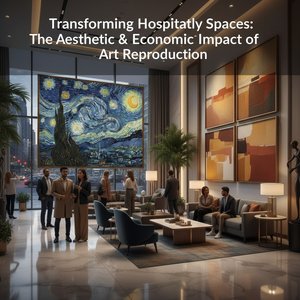
In the competitive landscape of luxury hospitality, the distinction between a mere stay and a profound experience often lies in the atmospheric depth of the interior environment. For the discerning hotel designer, the integration of Romantic landscape art offers a unique opportunity to transcend traditional decor, moving instead toward the creation of emotive, immersive sanctuaries. Unlike the static nature of modern minimalism, the Romantic movement—defined by its reverence for the sublime and the untamed power of nature—invites guests into a state of contemplation and wonder. By introducing works that evoke the vastness of the horizon or the quiet mystery of a moonlit forest, designers can manipulate the psychological temperature of a lobby or suite, fostering a sense of tranquility and emotional resonance that lingers long after departure.
The power of these landscapes resides in their ability to act as windows into another realm. When a guest encounters a piece reminiscent of the profound maritime beauty found in View of a Harbour, they are not merely looking at a painting; they are participating in a moment of serene contemplation. This emotional engagement is a critical tool for designers aiming to build brand loyalty through sensory storytelling. By curating spaces that reflect the grandeur and spiritual depth characteristic of Romanticism, hospitality professionals can craft environments that feel both timeless and deeply personal, turning architectural volumes into narrative landscapes.
Curating the Sublime: Selecting Iconic Romantic Landscapes for Large-Scale Hotel Interiors
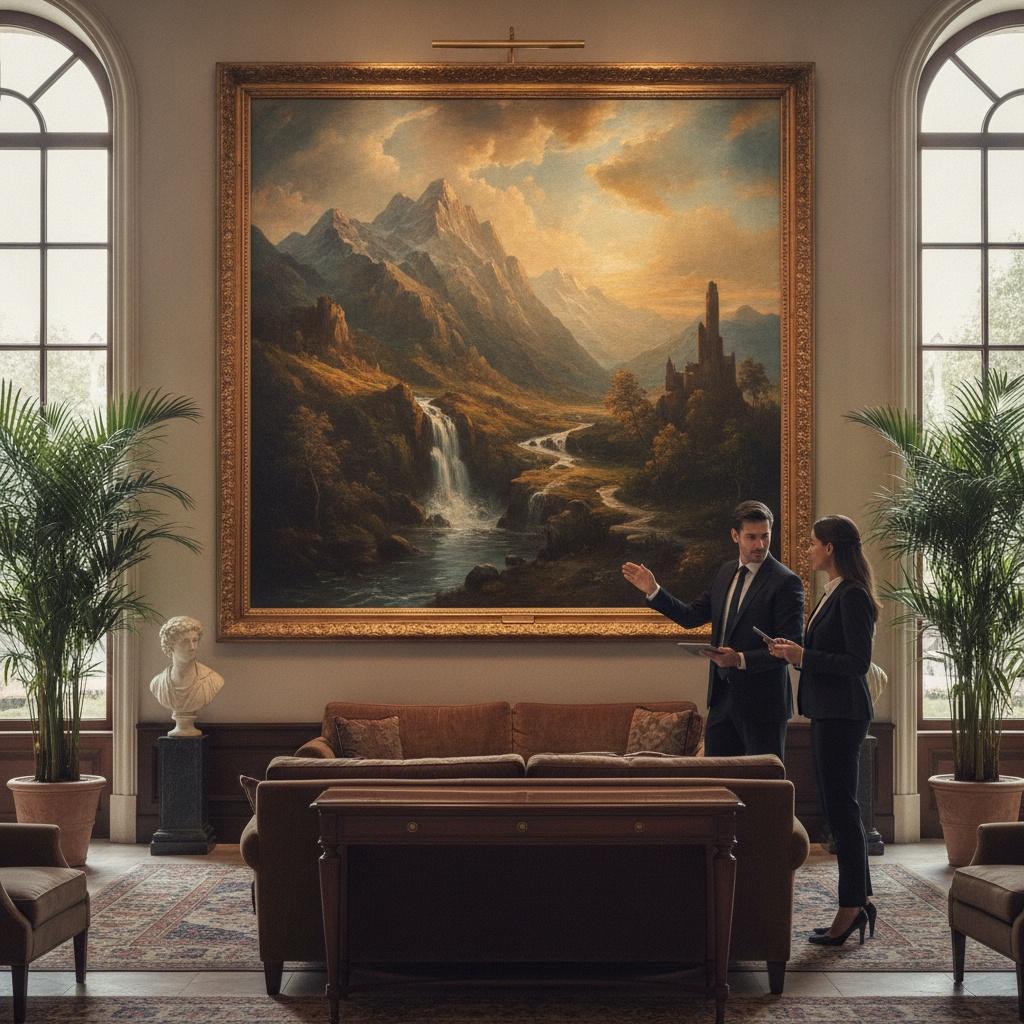
Selecting art for large-scale commercial projects requires a strategic balance between aesthetic impact and thematic cohesion. The Romantic era provides an unparalleled repertoire of imagery that can anchor even the most expansive hotel atriums or long corridors. For instance, the works of Caspar David Friedrich serve as a masterclass in utilizing scale to evoke the sublime. A single, large-format reproduction of Mountain Landscape with Rainbow can act as a focal point for a dining hall, symbolizing hope and resilience through its rich symbolism and light-drenched vistas. Such pieces do more than fill wall space; they dictate the rhythm of the room.
When designing for varied hospitality zones, one must consider the specific emotional requirement of each area. A quiet library or executive lounge might benefit from the introspective solitude found in The Romantic Reader, whereas a grand entrance could demand the dramatic geological narratives present in works like Cross in the Mountains. The challenge for the procurement professional is to select pieces that maintain a consistent stylistic language while providing enough variety to prevent visual fatigue. By focusing on themes of nature’s grandeur and human history—as seen in the hauntingly beautiful The Ruins of Eldena—designers can weave a complex, multi-layered tapestry of art that supports the overarching architectural vision.
Technical Specifications: Hand-Painted Oil Reproductions vs. Giclée Prints for High-Traffic Spaces
From a procurement and maintenance perspective, understanding the technical distinction between different art mediums is essential for long-term durability and aesthetic integrity. In high-traffic hospitality environments, the choice between a hand-painted oil reproduction and a Giclée print involves weighing tactile depth against logistical speed. A Handmade Oil Reproduction is a bespoke creation, meticulously layered by skilled artists on 100% cotton canvas. These pieces possess a physical texture—visible brushstrokes and an impasto effect—that catches the light dynamically, providing a level of prestige and "soul" that digital prints cannot replicate. For flagship suites or primary lobbies where the art serves as a cornerstone of the luxury identity, the investment in oil on canvas is unparalleled.
Conversely, for large-scale installations across multiple rooms or secondary corridors, Giclée prints offer an efficient and highly accurate alternative. Utilizing archival 12-color inks, these prints provide exceptional color fidelity and a lifespan rating of up to 100 years. While they lack the three-dimensional relief of oil paint, they are an excellent solution for designers working under tight timelines or significant budget constraints. It is important for procurement managers to note that while Giclée prints offer rapid deployment, they should be distinguished from "printed looks" that lack depth; our hand-painted Giclée option—where an artist applies paint over a print—offers a middle ground of texture and efficiency.
Customization and Scale: Multi-Panel Layouts and Bespoke Sizing for Architectural Integration
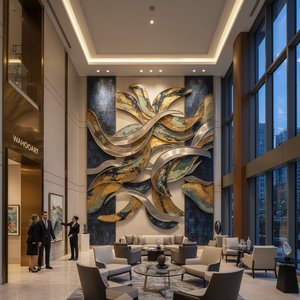
Modern hotel architecture often presents unique challenges, such as expansive, unbroken wall surfaces or complex stairwell geometries that standard frame sizes cannot accommodate. To address this, the use of Multi-Panel layouts has become a transformative trend in contemporary interior design. By splitting a single Romantic masterpiece across three, four, or even five panels, designers can create a sense of movement and modern architectural flow. This technique allows a landscape to wrap around corners or stretch across vast dining halls, ensuring the artwork feels integrated into the building's very bones rather than merely hung upon it.
Furthermore, the ability to customize sizing is vital for bespoke commissions. Whether a project requires an oversized mural-style canvas to mimic a ceiling fresco or a specific dimension to fit between structural pillars, the flexibility of custom engineering ensures seamless integration. We also offer specialized finishes, such as the MirrorWrap or ExtendedWrap, where the artist continues the painting around the edges of the canvas, eliminating the need for heavy frames and providing a cleaner, more contemporary aesthetic that suits modern minimalist or industrial hotel designs.
Procurement Logistics: Managing Bulk Orders, Custom Commissions, and Global Delivery Timelines
For procurement managers and hospitality chains, the success of an art installation depends on operational reliability. Managing large-scale orders requires a streamlined workflow that minimizes uncertainty. A professional procurement process should include clear communication channels, such as digital mockups for complex commissions, allowing designers to approve color palettes and compositions before the first brushstroke is applied. This stage is critical for ensuring that the final artwork aligns perfectly with the hotel's interior color scheme and lighting design.
Efficiency in logistics is equally paramount. A reliable supplier must provide transparent timelines—distinguishing between the 4-to-5-week window for bespoke oil reproductions and the faster turnaround for stock-ready items—and offer robust tracking via DHL or FedEx. For international hotel developments, support with customs documentation and VAT/tax compliance is a non-negotiable requirement. By utilizing a structured order management system that provides pre-shipment photos for approval, procurement professionals can mitigate risk, ensuring that every piece arriving at the site meets the rigorous standards of excellence required for world-class hospitality environments.