

A History Painted in Light: The Evolution of Watercolor
 The Enduring Appeal of Watercolor: History, Techniques & Contemporary Practice
Explore the captivating world of watercolor painting! Discover its rich history, essential techniques, influential artists, and collecting tips. A comprehensive guide for art enthusiasts.
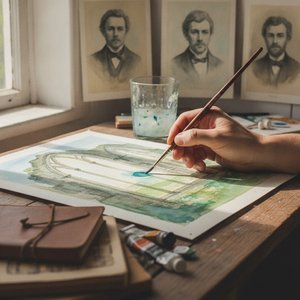
Watercolor, a medium often associated with delicate landscapes and fleeting impressions, possesses a history far richer and more complex than its ethereal reputation suggests. Its origins trace back to cave paintings – pigments ground and mixed with water for rudimentary depictions on stone surfaces. However, the true blossoming of watercolor as we recognize it today began in medieval manuscript illumination, where vibrant hues brought religious texts to life. The painstaking detail demanded by these works necessitated a mastery of pigment control and layering, skills that would later define the medium’s character. The Renaissance saw watercolor adopted for botanical studies and preliminary sketches, valued for its portability and ability to capture precise forms. But it was in 18th-century England that watercolor truly found its voice, becoming inextricably linked with the picturesque movement and a burgeoning national identity. Artists like Paul Sandby elevated watercolor beyond mere documentation, creating evocative scenes of rural life and establishing a distinctly British aesthetic – one characterized by subtle washes, atmospheric perspective, and a celebration of natural beauty. This period witnessed the rise of watercolor societies and exhibitions, solidifying its status as a legitimate art form.
The Alchemy of Aqueous Pigments: Essential Techniques & Materials
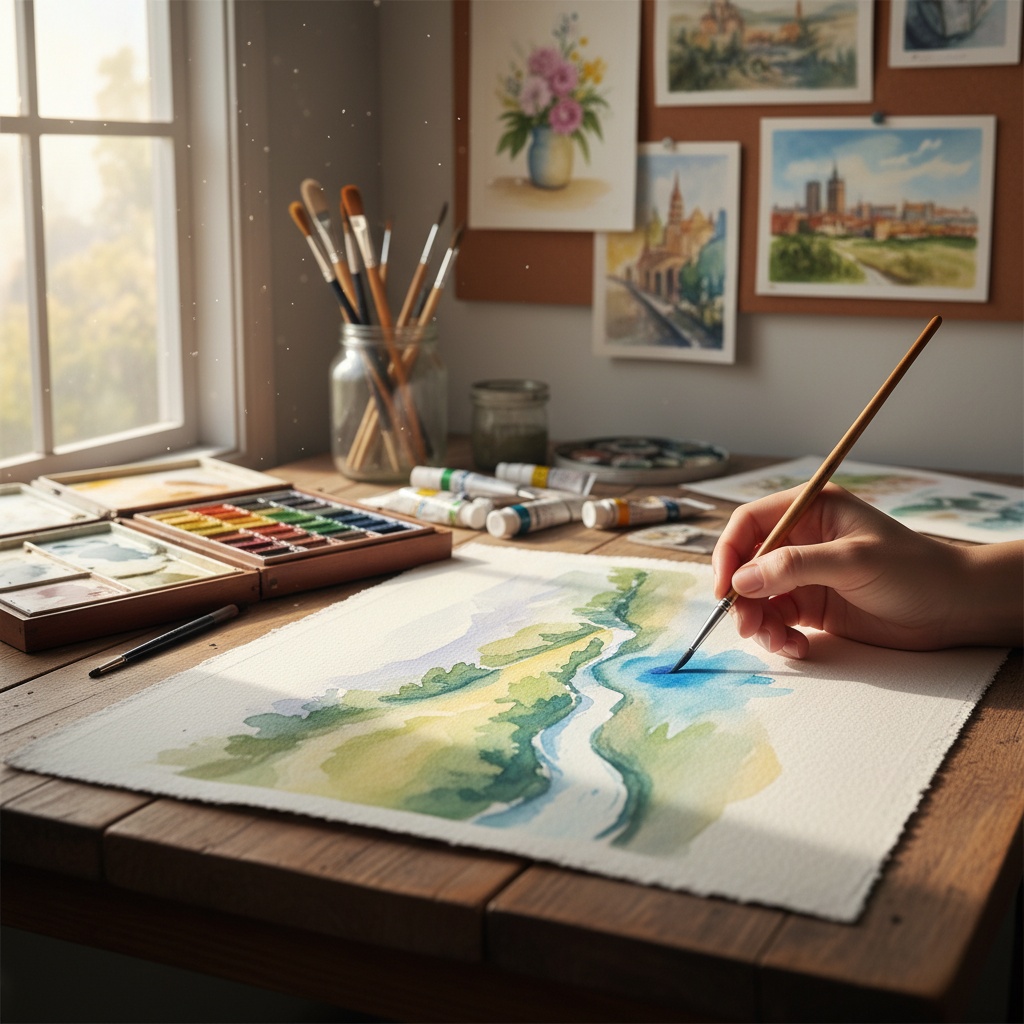
At its heart, watercolor is an exercise in controlled fluidity – a dance between pigment, water, and paper. The inherent transparency of the medium demands a unique approach to layering and color mixing. Unlike opaque paints that build coverage, watercolor relies on reflected light from the white of the paper to create luminosity. The quality of materials profoundly impacts the final result. Professional-grade watercolors boast higher pigment concentrations, resulting in richer, more vibrant hues and greater archival stability. Papers specifically designed for watercolor are crucial; their surface texture (hot-pressed for smooth detail, cold-pressed for a subtle tooth, rough for expressive washes) dictates how the paint flows and settles. Essential techniques include the wet-on-wet method – applying wet paint to a pre-wetted surface, allowing colors to bleed and blend organically, ideal for skies and atmospheric effects – and glazing, building depth through successive transparent layers. Mastering these techniques requires patience and an understanding of how water behaves; the subtle shifts in moisture content can dramatically alter the appearance of color. Furthermore, controlling the amount of water used is paramount: more water yields lighter washes, while less creates bolder, more saturated tones.
Masters of Transparency: Influential Watercolor Artists Throughout the Ages
Throughout history, certain artists have pushed the boundaries of watercolor, transforming it from a preparatory medium into a powerful form of artistic expression. J.M.W. Turner, perhaps the most iconic figure in British watercolor painting, revolutionized the genre with his atmospheric landscapes and seascapes. His innovative use of light and color, often blurring the lines between representation and abstraction, profoundly influenced subsequent generations. John Singer Sargent, renowned for his portraits, also excelled in watercolor, capturing fleeting moments of elegance and social life with remarkable spontaneity. Across the Atlantic, Winslow Homer embraced watercolor to depict scenes of American life – rugged coastlines, rural landscapes, and powerful depictions of human resilience. In the 20th century, artists like Georgia O'Keeffe explored the medium’s potential for abstraction, creating bold floral compositions that celebrated form and color. These masters demonstrate the versatility of watercolor, proving its capacity to convey a wide range of emotions and subjects.
Light and Color in Watercolor: Capturing Atmosphere and Emotion
The interplay of light and color is central to the expressive power of watercolor. The medium’s transparency allows for a unique depiction of luminosity – colors seem to glow from within, creating an ethereal quality that is difficult to achieve with other paints. Understanding color theory is essential; complementary colors enhance each other when juxtaposed, while analogous colors create harmonious blends. The role of light extends beyond mere illumination; it defines form through value (lightness and darkness), influences color temperature (warm tones suggest sunlight, cool tones evoke shadow), and creates reflections that add realism and depth. Techniques like lifting – removing pigment with a damp brush or sponge to create highlights – and the dry brush technique – using minimal paint on dry paper for textured effects – are crucial for capturing subtle variations in light. Successful watercolor paintings often evoke a specific mood or atmosphere, achieved through careful manipulation of color and value.
Watercolor Today: Contemporary Trends and Innovative Approaches
Contemporary watercolor painting is experiencing a vibrant renaissance, with artists pushing the boundaries of traditional techniques and exploring new subject matter. Many contemporary practitioners embrace abstraction, focusing on the inherent qualities of pigment and water to create dynamic compositions that prioritize form and color over representation. Others combine watercolor with other media – ink, gouache, collage – creating mixed-media works that challenge conventional definitions of the medium. There’s a growing interest in urban sketching, capturing the energy and dynamism of city life with spontaneous watercolor washes. Social media platforms have played a significant role in this resurgence, providing artists with a platform to share their work and connect with a wider audience. This renewed focus on experimentation and individual expression is breathing new life into watercolor, demonstrating its enduring relevance as a powerful art form.
Collecting Watercolor: Building a Lasting Legacy
Investing in watercolor paintings can be a deeply rewarding experience, offering both aesthetic pleasure and potential financial value. When building a collection, consider your personal taste and the type of work that resonates with you. Provenance – the history of ownership – is an important factor to consider, as it adds authenticity and value. Look for works by established artists or emerging talents whose style aligns with your preferences. The condition of the painting is also crucial; avoid pieces with significant damage or fading. Watercolor paintings are sensitive to light and moisture, so proper framing and storage are essential to preserve their longevity. Consulting with an art appraiser can provide valuable insights into market trends and potential investment opportunities. Ultimately, collecting watercolor should be driven by a passion for the medium and a desire to support artists whose work you admire.