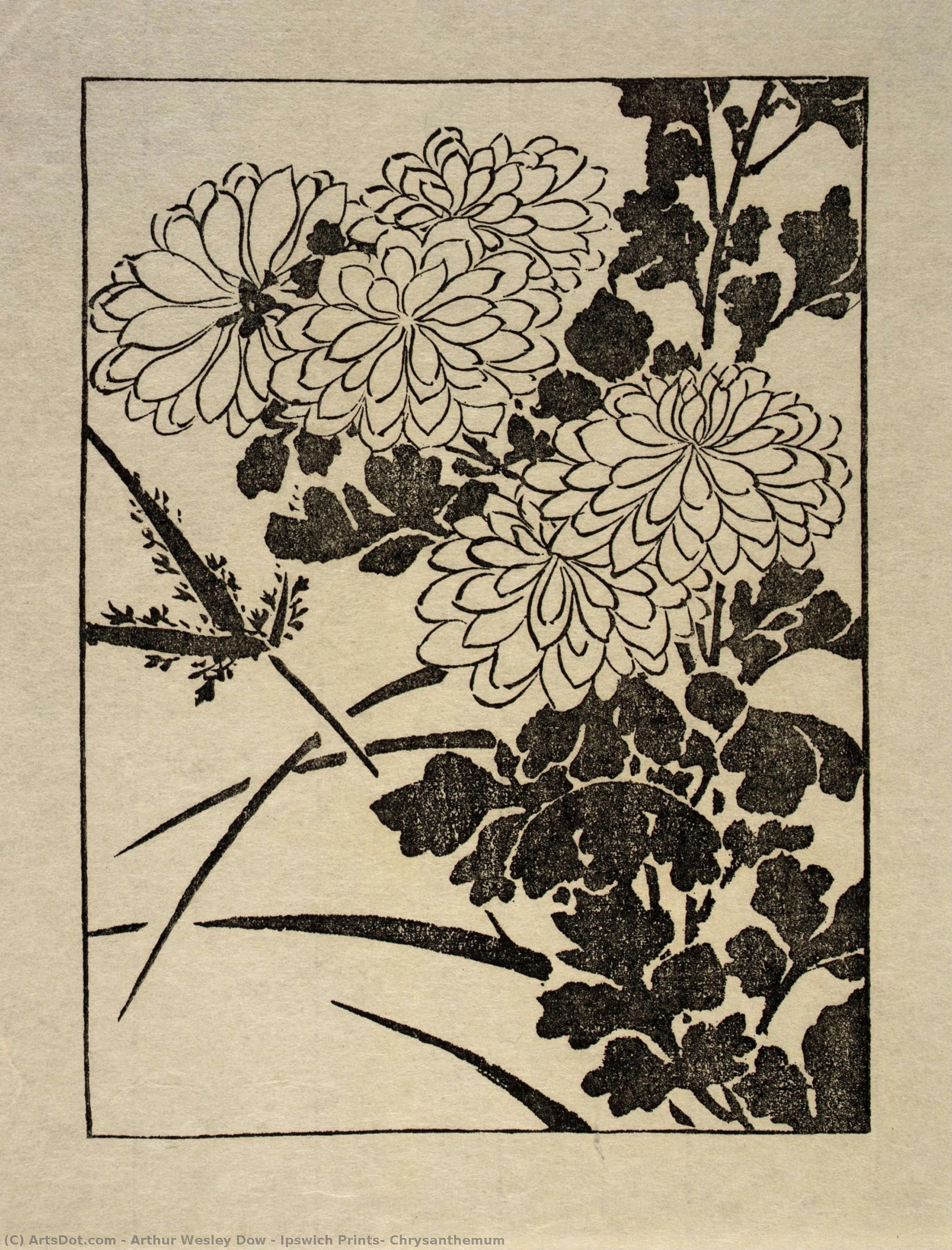
Discover Arthur Wesley Dow's 1902 Ipswich Prints Chrysanthemum, a pioneering study of color theory blending East and West for your collection.
Arthur Wesley Dow (1857-1922) was an influential American painter & educator who revolutionized art teaching with principles of line, mass & color. Explore his landscapes and legacy!
Discover American art's rich history at the Smithsonian American Art Museum! Explore iconic works, diverse traditions & captivating exhibitions within the Old Patent Office Building.
Ipswich Prints: Chrysanthemum – A Pioneer of Color Theory
Arthur Wesley Dow’s “Ipswich Prints: Chrysanthemum,” created in 1902, stands as an emblem of American Impressionism and a cornerstone in the history of art education. More than just a beautiful depiction of autumnal flowers—specifically chrysanthemums—the painting embodies Dow's groundbreaking approach to color theory and his unwavering belief that visual experience could be systematically studied and taught. This piece exemplifies his synthesis of Eastern and Western artistic traditions, reflecting a profound understanding of how observation informs creative expression.
The Artistic Vision: Line, Mass, and Color
Dow’s method departed dramatically from the academic conventions prevalent at the time. Rejecting meticulous detail and tonal gradation favored by instructors like Jules Lefebvre, he championed three fundamental principles: line, mass, and color. These weren't merely stylistic choices; they represented a deliberate attempt to unlock the subconscious mind and translate sensory perception into artistic form. As Dow himself eloquently stated, “The artist must learn to see.” He meticulously analyzed how light interacts with surfaces, reducing complex visual information to its essential components—horizontal lines representing mass, vertical lines delineating structure, and patches of color conveying mood and atmosphere. The chrysanthemum itself is rendered not as a realistic representation but as an abstracted form, emphasizing the interplay of hues rather than precise botanical accuracy.
A Reflection of Aesthetic Philosophy
The painting’s palette utilizes muted yellows and oranges—primarily derived from linseed oil—to capture the warmth of autumn sunlight filtering through the foliage. These colors are juxtaposed with delicate pinks and creams, creating a harmonious balance that evokes feelings of tranquility and contemplation. The careful arrangement of petals contributes to this emotional resonance, guiding the viewer’s eye across the canvas in a deliberate rhythm. Dow's insistence on simplifying visual experience aligns perfectly with the burgeoning interest in psychology during the early 20th century—a period marked by explorations into consciousness and perception. He sought to empower aspiring artists with tools for observation and analysis, fostering a new paradigm of artistic training that prioritized intuition alongside scientific understanding.
Historical Context: Embracing Modernity
“Ipswich Prints: Chrysanthemum” emerged during a pivotal moment in American art history—the ascendance of Impressionism and the growing rejection of academic formalism. Dow’s work signaled a decisive break from tradition, aligning him with artists like Claude Monet and Camille Pissarro who championed plein air painting and prioritized capturing fleeting moments of light and color. This embrace of modernity wasn't merely stylistic; it represented a broader intellectual shift toward valuing subjective experience and challenging established hierarchies within the art world. The Smithsonian American Art Museum’s acquisition of this print underscores its enduring significance as an exemplar of artistic innovation and educational reform.
Symbolism Beyond Beauty: Observation and Insight
The chrysanthemum itself carries symbolic weight, representing longevity, purity, and remembrance—themes that resonate deeply with Dow's philosophical convictions. However, the painting transcends mere decorative appeal; it serves as a visual manifesto for Dow’s pedagogical approach – demonstrating how careful observation can illuminate fundamental truths about art and consciousness. By distilling complex sensory data into its core elements, “Ipswich Prints: Chrysanthemum” invites viewers to engage in a process of active contemplation, mirroring Dow's unwavering belief that true artistic understanding begins with attentive perception.