 Preview
 Send
Send Share
Share
 Details

 Download
 Similars
 X-Ray
X-Ray Diaporama
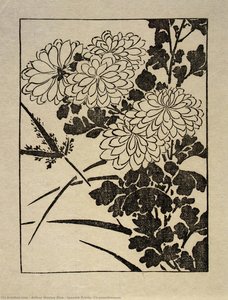
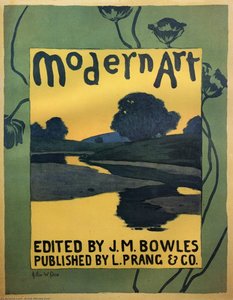
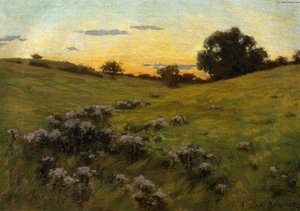
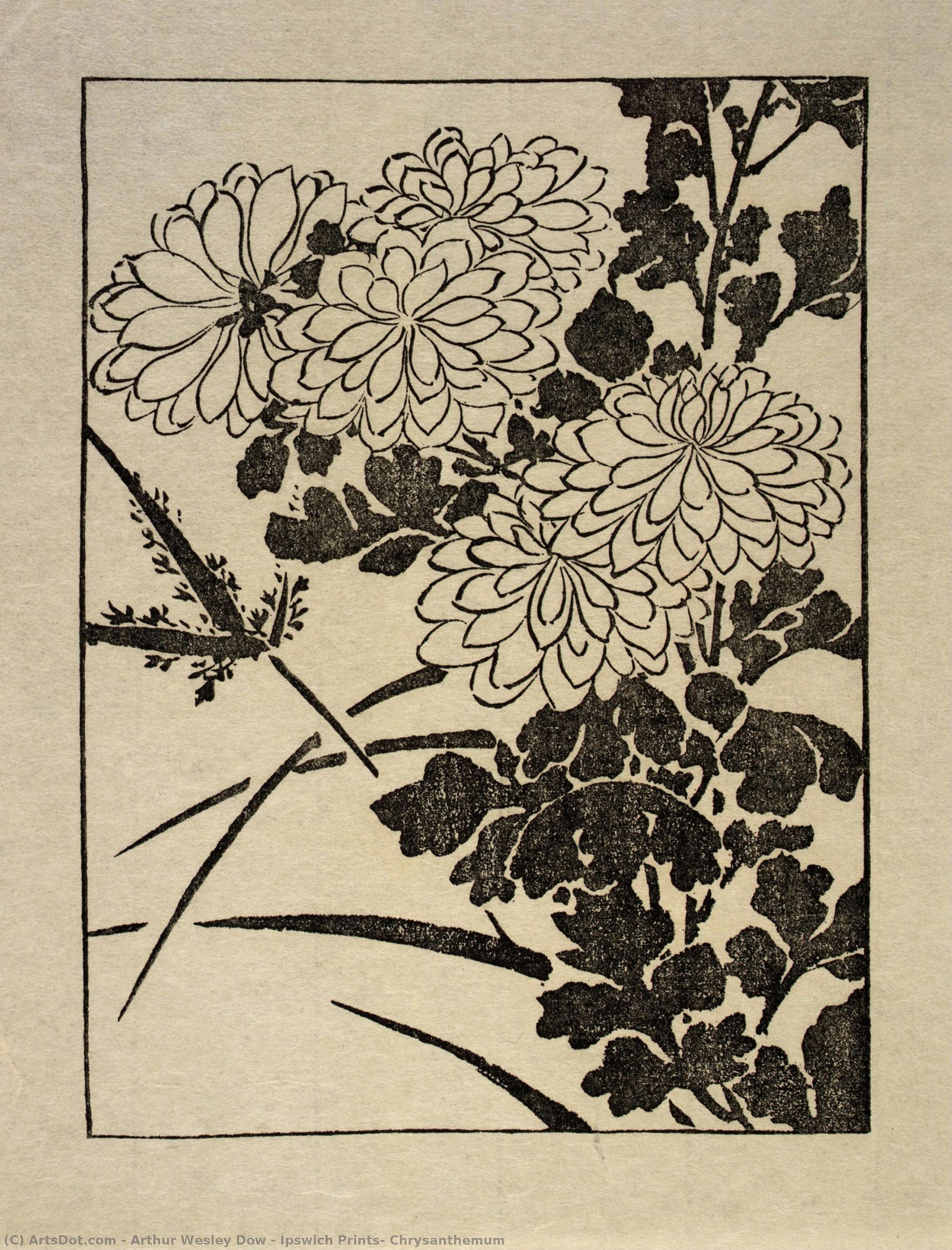
Ipswich Prints: Chrysanthemum
 Print
Print- WallArt
- Impressionistic Synthesis
 1902
1902- 19th Century
 20.0 x 15.0 cm
 Smithsonian American Art Museum
 Read More
Hand Made Oil Reproduction
Hand-painted oil on canvas in your size and frame, made to order by our artists. ( Buy Print Buy Image)




P118B $10

P118H $10

P118W $10

P438Z $10

P508JH $12

P508YH $12

P805H $10

P805Z $10

P919BZ $10

P919G $10

P919XJ $10

P959ZH $10

P968JZ $12

W106C $8

W218G $10

W218JH $8

W218Y $10

W307PJ $10

W316G $10

W316PJ $8

W316Y $10

W398PJ $8

W4111J $10

W500HY $15

W500JH $15

W692G $12

W849H $8

W940BG $15

W953PJ $8




Pick from our preset sizes that match the artwork's original proportions.

You may enter your own dimensions to fit a specific frame or space. If your selected size does not match the original image's proportions, we will either crop the artwork or extend the painting with additional hand-painted elements. A digital mockup will be sent for your approval before production begins.
Please note that the on-screen preview does not reflect the actual cropping or extension. Only the mockup will accurately show the final composition.
While custom sizes are available, we recommend selecting a dimension from the predefined list to preserve the original proportions.
After order, ArtsDot.com team will email client for instructions and provide a mockup preview
Worldwide Delivery () in 3/4 weeks instead of standard 5 weeks. (17 August). No compromise on quality.

Free Worldwide Express Shipping

High-Quality Linen Canvas

Full Shipping Insurance

Customs Tax Refund Guarantee

True Color Matching Guarantee

60-Day Return Policy (Defects Only)

100% Money-Back Guarantee

Bulk Discount Offer
 Glass option is only available in size under 110 CM

Ipswich Prints: Chrysanthemum
Reproduction Medium
Reproduction Size
-


Total Price
$ 263
Artwork Description
Ipswich Prints: Chrysanthemum – A Pioneer of Color Theory
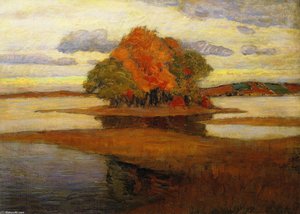
Arthur Wesley Dow’s “Ipswich Prints: Chrysanthemum,” created in 1902, stands as an emblem of American Impressionism and a cornerstone in the history of art education. More than just a beautiful depiction of autumnal flowers—specifically chrysanthemums—the painting embodies Dow's groundbreaking approach to color theory and his unwavering belief that visual experience could be systematically studied and taught. This piece exemplifies his synthesis of Eastern and Western artistic traditions, reflecting a profound understanding of how observation informs creative expression.The Artistic Vision: Line, Mass, and Color
Dow’s method departed dramatically from the academic conventions prevalent at the time. Rejecting meticulous detail and tonal gradation favored by instructors like Jules Lefebvre, he championed three fundamental principles: line, mass, and color. These weren't merely stylistic choices; they represented a deliberate attempt to unlock the subconscious mind and translate sensory perception into artistic form. As Dow himself eloquently stated, “The artist must learn to see.” He meticulously analyzed how light interacts with surfaces, reducing complex visual information to its essential components—horizontal lines representing mass, vertical lines delineating structure, and patches of color conveying mood and atmosphere. The chrysanthemum itself is rendered not as a realistic representation but as an abstracted form, emphasizing the interplay of hues rather than precise botanical accuracy.A Reflection of Aesthetic Philosophy
The painting’s palette utilizes muted yellows and oranges—primarily derived from linseed oil—to capture the warmth of autumn sunlight filtering through the foliage. These colors are juxtaposed with delicate pinks and creams, creating a harmonious balance that evokes feelings of tranquility and contemplation. The careful arrangement of petals contributes to this emotional resonance, guiding the viewer’s eye across the canvas in a deliberate rhythm. Dow's insistence on simplifying visual experience aligns perfectly with the burgeoning interest in psychology during the early 20th century—a period marked by explorations into consciousness and perception. He sought to empower aspiring artists with tools for observation and analysis, fostering a new paradigm of artistic training that prioritized intuition alongside scientific understanding.Historical Context: Embracing Modernity
“Ipswich Prints: Chrysanthemum” emerged during a pivotal moment in American art history—the ascendance of Impressionism and the growing rejection of academic formalism. Dow’s work signaled a decisive break from tradition, aligning him with artists like Claude Monet and Camille Pissarro who championed plein air painting and prioritized capturing fleeting moments of light and color. This embrace of modernity wasn't merely stylistic; it represented a broader intellectual shift toward valuing subjective experience and challenging established hierarchies within the art world. The Smithsonian American Art Museum’s acquisition of this print underscores its enduring significance as an exemplar of artistic innovation and educational reform.Symbolism Beyond Beauty: Observation and Insight
The chrysanthemum itself carries symbolic weight, representing longevity, purity, and remembrance—themes that resonate deeply with Dow's philosophical convictions. However, the painting transcends mere decorative appeal; it serves as a visual manifesto for Dow’s pedagogical approach – demonstrating how careful observation can illuminate fundamental truths about art and consciousness. By distilling complex sensory data into its core elements, “Ipswich Prints: Chrysanthemum” invites viewers to engage in a process of active contemplation, mirroring Dow's unwavering belief that true artistic understanding begins with attentive perception.Related Artworks

Artist Biography
A Life Dedicated to Art and Education
Arthur Wesley Dow, born in Ipswich, Massachusetts, in 1857, stands as a pivotal figure in the evolution of American art, not merely as a painter and printmaker but profoundly as an educator who reshaped how art was taught and perceived. His journey began with foundational training under Anna K. Freeland and James M. Stone before leading him to Paris in 1884, where he immersed himself in academic study at the Académie Julian, honing his skills alongside Gustave Boulanger and Jules Joseph Lefebvre. Even during these formative years abroad, Dow demonstrated a pragmatic versatility, accepting commissions for posters and commercial designs – an early indication of his keen understanding of visual communication. However, it was upon his return to America that Dow’s artistic philosophy truly began to crystallize, diverging from the conventional academic norms of the time.The Synthesis of East and West
Dow's most enduring legacy lies in his revolutionary approach to art education, born from a dissatisfaction with rote imitation and a growing fascination with alternative aesthetic principles. He believed that true artistry wasn’t about meticulously replicating nature but understanding its underlying structure and expressing it through carefully considered composition. This conviction was deeply influenced by his encounter with Japanese art – particularly *ukiyo-e* woodblock prints – facilitated by his association with Ernest Fenollosa, the curator of Japanese art at the Museum of Fine Arts, Boston. Fenollosa championed a synthetic approach to art akin to musical harmony, and together they developed exercises designed to build compositions through the deliberate arrangement of line, mass, and color. Dow wasn’t simply borrowing from Japanese aesthetics; he sought a fundamental synthesis between Eastern principles and Western artistic expression. This pursuit culminated in his seminal work, Composition: A Series of Exercises in Art Structure, published in 1899. This book became a cornerstone of art education, advocating for a systematic approach that prioritized the harmonious arrangement of elements over slavish copying.A Pedagogue’s Influence
Dow's impact extended far beyond the pages of his influential book. He dedicated himself to teaching at several prestigious institutions, leaving an indelible mark on generations of artists. His tenure at Pratt Institute (1896-1903), the Art Students League (1898-1903), and Columbia University Teachers College (1904-1922) provided platforms for disseminating his innovative methods. Perhaps most significant was the founding of the Ipswich Summer School of Art in 1900, which he directed until his death. This institution became a haven for experimentation and a breeding ground for new artistic voices. Among his many notable students were luminaries such as Georgia O’Keeffe, Charles Sheeler, and the Overbeck sisters – artists who would go on to shape the course of American modernism. Dow wasn't just teaching technique; he was fostering a mindset that valued individual expression and compositional integrity. He championed the Arts and Crafts movement’s ideals, advocating for handcrafted objects over mass-produced items, believing in the inherent value of artistic skill and thoughtful design.Landscapes of Harmony and Legacy
Dow’s own artwork, often landscapes depicting the serene beauty of his native Ipswich and later California, embodies the principles he espoused. Paintings like A June Morning, with its vibrant color and textured impasto, and Pacific Grove, California, showcase his masterful use of line, mass, and color to create harmonious compositions. His work isn’t about photographic realism; it's about capturing the *essence* of a place through carefully considered aesthetic choices. He frequently employed woodcut techniques, further emphasizing the importance of design and simplification. Dow’s historical significance lies in his ability to bridge Eastern and Western artistic traditions, anticipating the modernist synthesis that would come to define much of 20th-century art. He died in New York City in 1922, leaving behind a legacy not only as an accomplished artist but as a transformative educator who empowered countless others to see – and create – art in a new light. His influence continues to resonate today, reminding us that true artistry lies not in imitation, but in the thoughtful arrangement of fundamental elements.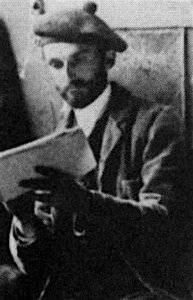
Arthur Wesley Dow
1857 - 1922 , United Kingdom
Quick Facts
- Artistic Movement Or Style: Arts and Crafts, Impressionism
- Artists Or Movements Influenced By This Artist:
- Georgia O’Keeffe
- Charles Sheeler
- Artists Who Influenced This Artist: ['Ernest Fenollosa']
- Date Of Birth: April 6, 1857
- Date Of Death: December 13, 1922
- Full Name: Arthur Wesley Dow
- Nationality: American
- Notable Artworks:
- A June Morning
- Pacific Grove
- Summer Street
- Place Of Birth: Ipswich, UK
Related Articles
Giclée Prints: Archival Quality & Aesthetic Nuances for the Discerning Collector
Explore the world of giclée prints with ArtsDot. Learn about archival quality, aesthetic nuances & investment potential. Expert guidance for discerning art collectors seeking museum-quality reproductions and lasting value.
Frederick Childe Hassam: American Impressionism's Chronicler of Light & Modern Life
Explore the captivating world of Frederick Childe Hassam, a pioneer of American Impressionism. Discover his iconic paintings capturing light, urban life & coastal beauty. Learn about his legacy and influence on American art history.

Arthur Stockdale Cope: A Study in American Impressionism & Rural Life's Poetics
Explore the life & work of Arthur Stockdale Cope, a prominent British portraitist influenced by American Impressionism. Discover his captivating rural landscapes and royal commissions at ArtsDot.
Capturing a Nation's Light: Exploring the American Impressionist Movement
Explore the captivating world of American Impressionism! Discover key artists, techniques & its lasting impact on art history. Find museum-quality reproductions and expert guidance at ArtsDot.

The Enduring Legacy of Fine Art Prints: Technique, History & Aesthetic Impact
Explore the rich history & techniques of fine art prints. Discover investment potential, assess authenticity, and learn how to preserve your collection with expert guidance. Trusted insights for discerning collectors.