A Portrait of Genius: Carl Friedrich August von Klöber’s Reverent Depiction of Ludwig van Beethoven
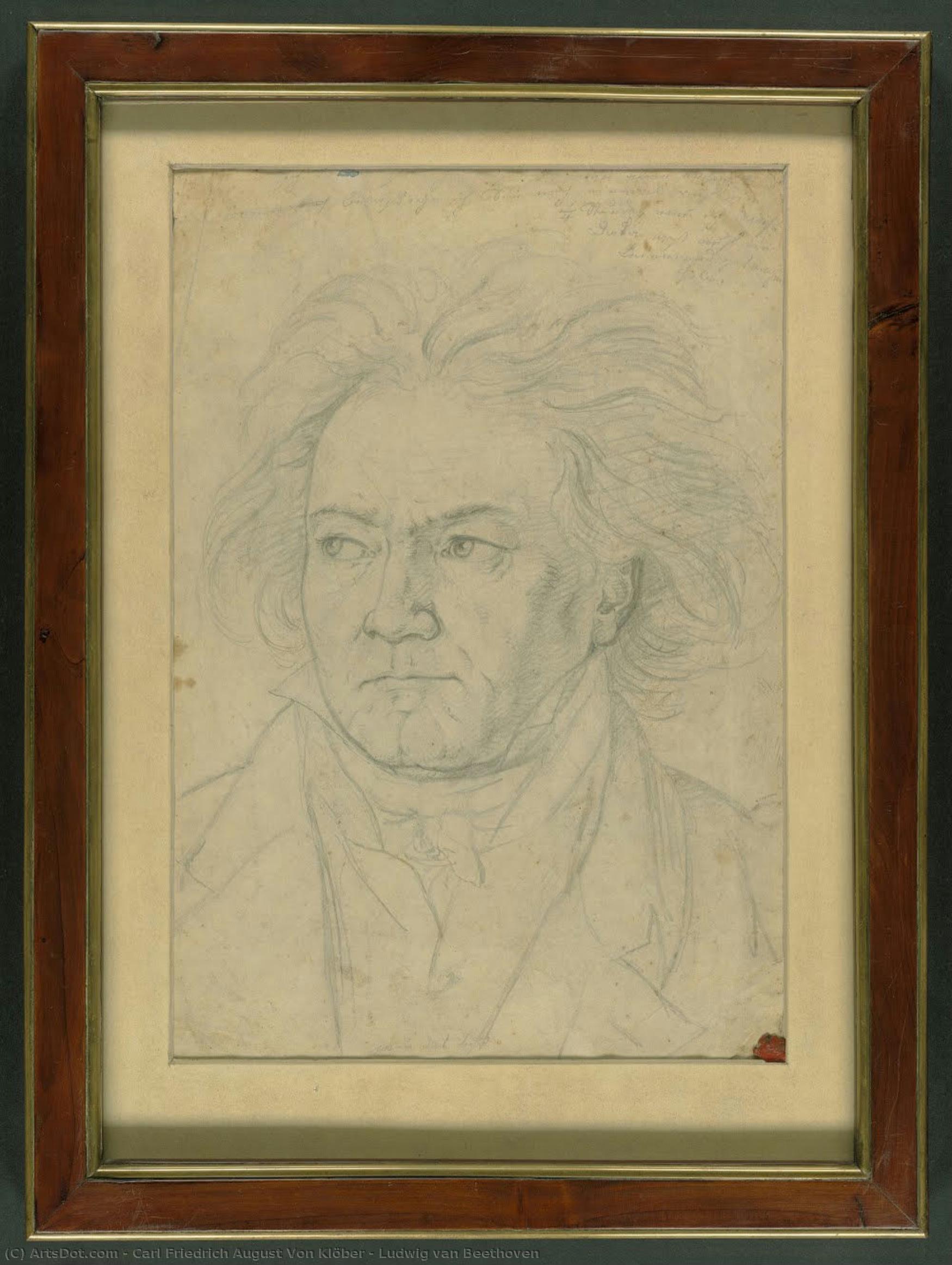
Carl Friedrich August von Klöber's 1818 portrait of Ludwig van Beethoven stands as a testament to the Romantic fascination with intellect and artistic vision. Executed during Beethoven’s formative years, this drawing captures not merely his physical likeness but also an intangible aura of profound contemplation—a characteristic that resonated deeply within the artistic circles of Berlin and beyond.
- Subject Matter: The portrait focuses squarely on Beethoven himself, presenting him in a three-quarter pose against a muted background. His gaze directs outwards, suggesting introspection and an engagement with ideas rather than immediate surroundings.
- Style & Technique: Klöber’s masterful draughtsmanship employs meticulous detail to render Beethoven's facial features—the prominent forehead, furrowed brow, and expressive eyes—with remarkable accuracy. The artist skillfully utilizes hatching and shading techniques to convey texture and depth, creating a sense of realism that transcends mere representation.
- Historical Context: Painted in the wake of Beethoven’s groundbreaking symphonies and piano sonatas, this portrait reflects the broader cultural preoccupation with musical genius during the Romantic era. It embodies the belief that art could illuminate the human spirit and capture moments of profound emotional experience—a conviction central to Klöber's artistic philosophy.
Beyond its technical prowess, the image possesses a significant symbolic dimension. Beethoven’s posture conveys seriousness and dedication – qualities admired by artists and intellectuals alike. The artist deliberately avoids opulent ornamentation, prioritizing clarity of form and conveying an impression of quiet dignity. This understated elegance aligns perfectly with the prevailing aesthetic sensibilities of the time.
- Symbolism: Beethoven’s gaze symbolizes intellectual curiosity and artistic ambition. The muted background serves to emphasize the subject's presence and directs attention towards his inner world.
The emotional impact of Klöber’s portrait is palpable. It invites viewers to contemplate Beethoven’s character—his unwavering commitment to musical innovation and his profound sensitivity to human emotion. More than just a likeness, it's an embodiment of the Romantic ideal: capturing not only what is seen but also what is felt.
- Emotional Resonance: The drawing evokes feelings of admiration for Beethoven’s artistic achievements and conveys a sense of quiet contemplation—a reflection of Klöber’s own artistic sensibilities.