Explore the captivating world of Ferdinand Hodler, Swiss Symbolist painter renowned for his evocative landscapes & pioneering 'parallelism'. Discover hand-painted reproductions of his masterpieces at ArtsDot.
Explore Bosnia & Herzegovina's rich art scene at the National Gallery in Sarajevo! Discover 6000+ works, including Ferdinand Hodler pieces, Yugoslavian masters, icons, and contemporary art. A cultural gem since 1946.
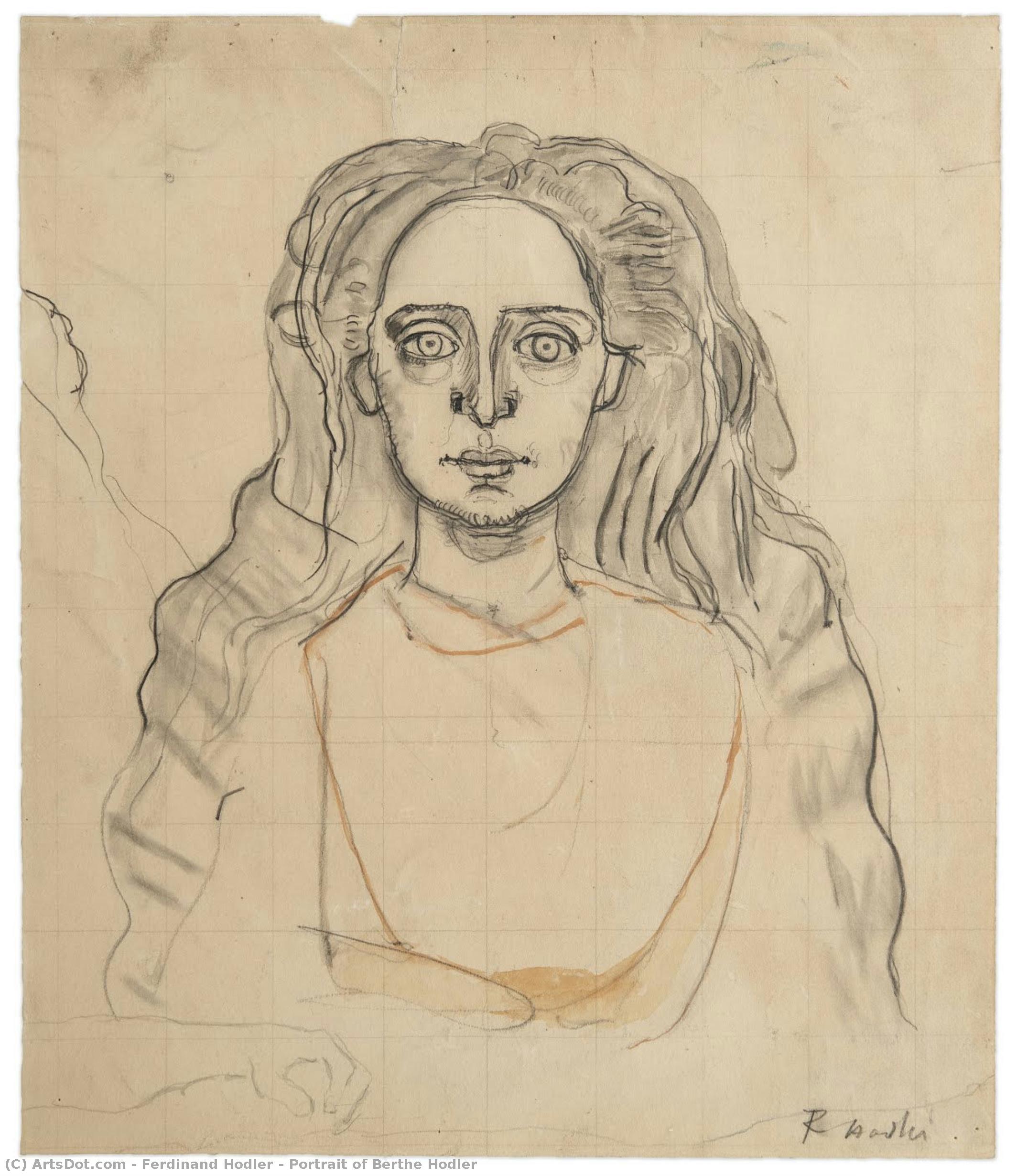
A Portrait Steeped in Symbolism: Ferdinand Hodler’s Berthe Hodler
Ferdinand Hodler, a name inextricably linked to the landscape of Swiss painting and the evocative realm of symbolism, ascended from humble origins to become one of the most influential artists of the late 19th and early 200th centuries. Born in Bern, Switzerland, in 1853, his formative years were marked by profound sorrow – a recurring motif that would permeate his artistic sensibility and imbue his canvases with an unsettling contemplation of mortality. The premature passing of his father and two younger brothers before he attained adolescence instilled within him a deep awareness of life’s fragility and fueled his unwavering fascination with the sublime beauty of nature, experiences which would become foundational to his artistic journey.
Hodler's initial apprenticeship as a decorative painter honed his technical skills but swiftly ignited within him an ardent desire for formal training and artistic exploration beyond the confines of commercial commissions. Recognizing the limitations of conventional craftsmanship, he pursued rigorous studies at Zurich Kunstakademie, immersing himself in Impressionist influences while simultaneously cultivating his own distinctive vision—a synthesis that would ultimately define his groundbreaking contribution to Swiss art history. This pursuit of knowledge solidified his belief in the transformative power of observation and encouraged him to delve into the complexities of human emotion through meticulously rendered portraits.
- Subject Matter: The portrait depicts Berthe Hodler, Ferdinand’s wife, capturing her serene gaze with remarkable sensitivity.
- Style: Hodler's style embodies a blend of Impressionism and Symbolism, prioritizing atmospheric effects alongside expressive gestures and subtle symbolic representations.
Hodler’s technique is characterized by a masterful command of charcoal and pencil—instruments he employed with unwavering precision to achieve unparalleled tonal gradations and textural nuances. He eschewed the vibrant hues favored by Impressionists, opting instead for a monochrome palette that heightened the emotional impact of his compositions. Through painstaking layering and blending, Hodler created surfaces imbued with depth and luminosity, capturing not merely physical likeness but also intangible psychological states—a testament to his profound understanding of human consciousness. The artist’s meticulous attention to detail extended beyond mere representation; he sought to convey a sense of inner harmony and spiritual contemplation, mirroring the prevailing ethos of Symbolist art.
- Historical Context: Created in 1902, “Berthe Hodler” emerged during a period of artistic ferment—the Belle Époque—characterized by optimism, technological advancement, and burgeoning cultural dynamism. However, beneath the veneer of prosperity lay anxieties concerning social upheaval and existential uncertainty.
- Symbolism: The portrait’s symbolism transcends literal depiction; the woman's gaze embodies serenity and acceptance, reflecting Hodler’s own preoccupation with themes of death and rebirth—recurring motifs in his oeuvre.
The emotional resonance of “Berthe Hodler” remains palpable today—a testament to Hodler’s ability to distill complex psychological realities into deceptively simple visual forms. The subdued palette, coupled with the artist's masterful rendering of facial expression and subtle textural variations, evokes a profound sense of stillness and contemplation. More than just a likeness of his beloved wife, the portrait serves as an emblem of spiritual transcendence—a poignant reminder that beauty resides not merely in outward appearance but also in inner harmony. It continues to inspire artists and collectors alike, securing its place as a cornerstone of Swiss artistic heritage and a beacon of enduring emotional power.