



A Sanctuary of Resilience: The Soul of Sarajevo
In the beating heart of Sarajevo, a city that has weathered the most profound storms of the twentieth century, stands the National Gallery of Bosnia and Herzegovina as a luminous testament to the enduring power of human creativity. Established in 1946 during the transformative era of post-war reconstruction, the gallery was conceived not merely as a storehouse for relics, but as a vital organ for a nation seeking to redefine itself through beauty and cultural continuity. To walk through its doors is to enter a space where the scars of history meet the triumph of the artistic spirit, offering a profound dialogue between a turbulent past and an aspirational future. It serves as a sanctuary where the collective memory of a people is preserved within the delicate strokes of paint and the heavy textures of stone.
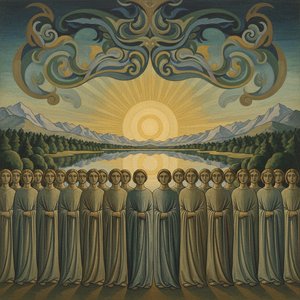
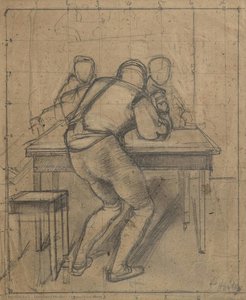
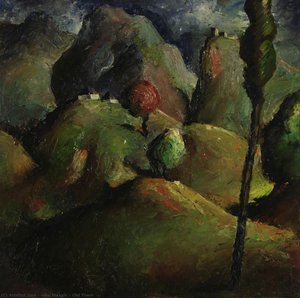
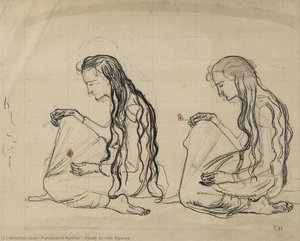
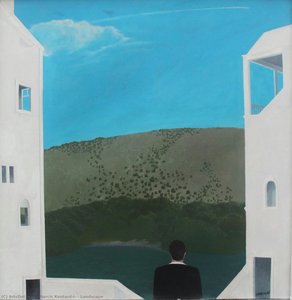
The soul of the collection lies in its remarkable ability to weave together diverse threads of identity, ranging from the sacred to the avant-garde. Collectors and art enthusiasts will find themselves captivated by the Ferdinand Hodler Collection , where the profound influence of Swiss Symbolism breathes life into landscapes that feel both deeply grounded in nature and spiritually transcendent. This ethereal quality is balanced by the robust presence of Yugoslavian Masters, whose works provide an expansive, sweeping panorama of twentieth-century trends, capturing the complex cultural shifts and the evolving identity of a region in flux. For those drawn to the weight of tradition, the gallery’s Icon Collection offers a meditative journey through Orthodox Christian heritage, showcasing the meticulous craftsmanship and devotional intensity of centuries of religious artistry.
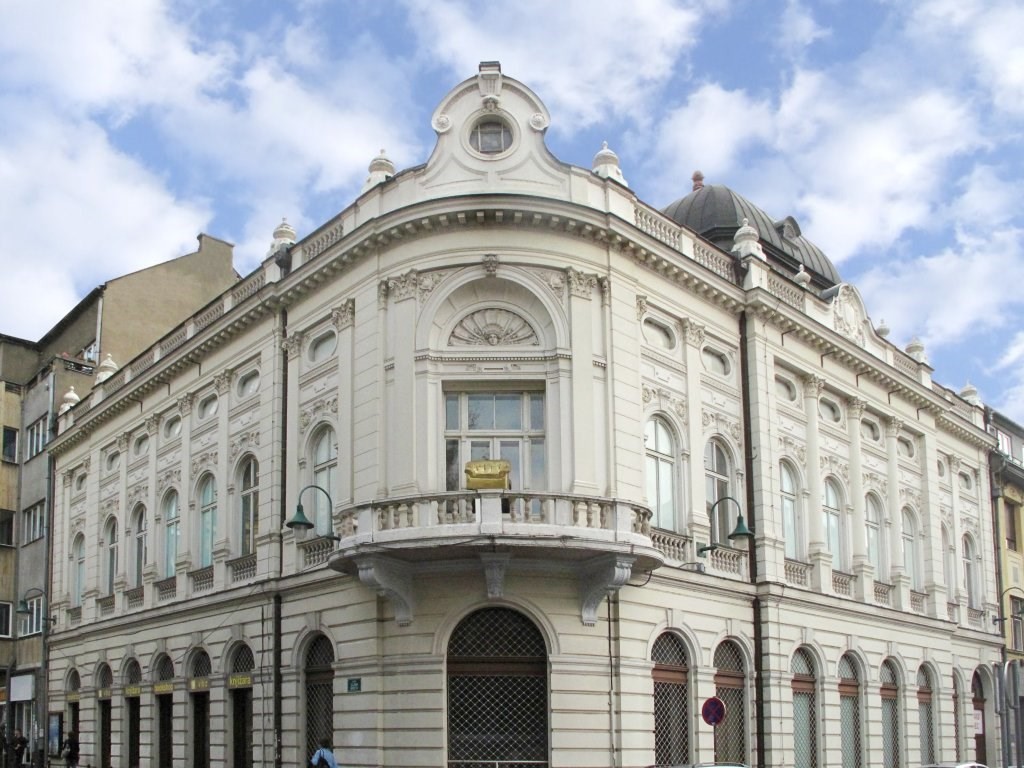
The architecture of the museum itself serves as a physical manifestation of Sarajevo's modernist ambitions. Designed by the Czech architect Karel Pařík, the structure is a masterclass in symmetrical elegance, composed of four distinct pavilions that reflect the organized optimism of the post-war period. Each pavilion was originally intended to house specialized departments—archaeology, ethnology, and natural history—and today, this layout creates a rhythmic, exploratory experience for the visitor. The clean lines and modernist aesthetic provide a sophisticated backdrop that complements both the heavy textures of classical sculpture and the ephemeral nature of contemporary installations, making it an inspiring destination for interior designers seeking to understand the intersection of structural form and curated atmosphere.
What truly distinguishes the National Gallery is its role as a living, breathing entity rather than a static monument. It remains a crucial platform where the echoes of history meet the pulse of the present. Through rotating photography exhibits and contemporary art installations, the gallery continuously challenges its audience to engage with modern social dynamics and global artistic movements. This commitment to evolution ensures that the museum is not just a repository of what has been, but a vibrant laboratory for what is yet to come. For the discerning visitor, the National Gallery of Bosnia and Herzegovina offers more than an exhibition; it offers an intimate encounter with the very essence of Bosnian resilience and the timeless allure of the artistic soul.