Francisco de Zurbarán (1598-1664): Spanish Baroque master of dramatic tenebrism & religious art. Explore paintings of monks, saints & still lifes – the 'Spanish Caravaggio'!
Discover Portugal’s artistic heritage at the Museu Nacional de Arte Antiga! Explore masterpieces by Bosch & Raphael within Lisbon's opulent palace setting – a journey through European art history.
A Beacon of Faith Illuminated: Analyzing Francisco de Zurbarán’s “St. Peter”
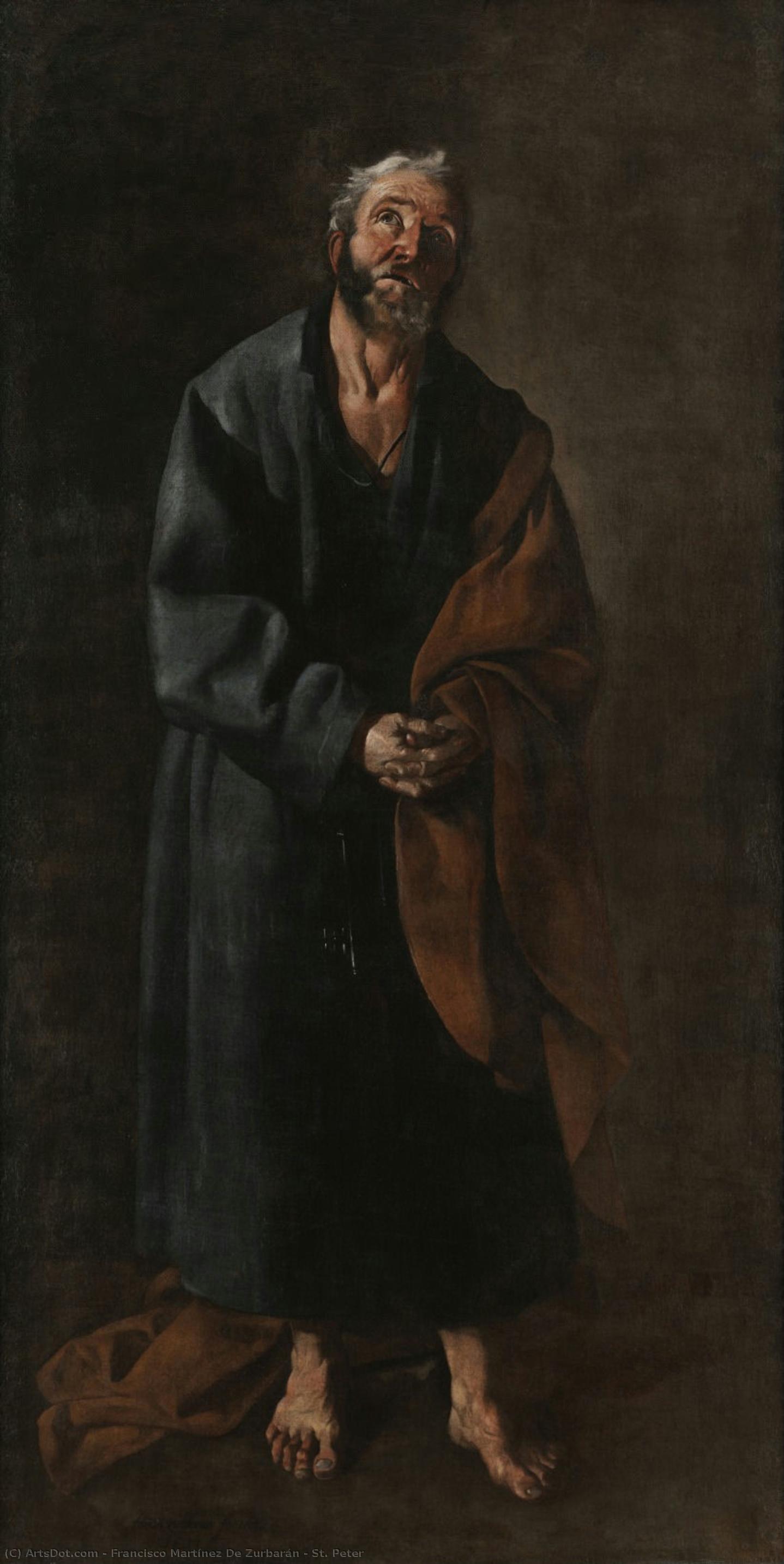
The painting "St. Peter," executed by Francisco Martínez De Zurbarán in 1600, stands as a cornerstone within his ambitious series depicting the Apostles—a project conceived during the fervent period of the Counter Reformation and destined for the Monastery of São Vicente de Fora in Lisbon. More than just a depiction of Saint Peter’s visage, this artwork embodies a profound theological statement: the unity of Christian dogma reflected in an image of unwavering devotion. Zurbarán's masterful manipulation of light—a technique he consistently employed throughout his oeuvre—elevates the scene beyond mere representation, transforming it into a conduit for spiritual contemplation.
The Dramatic Power of Chiaroscuro
Zurbarán’s signature style is characterized by its stark realism and breathtaking use of chiaroscuro – the dramatic interplay between light and shadow – a technique that distinguishes him from many of his contemporaries. Unlike other members of the Baroque movement who favored opulent color palettes, Zurbarán opted for muted tones, primarily browns and ochres, creating an atmosphere of solemn stillness. This deliberate restraint serves to heighten the impact of the central figure’s posture and expression. The light source remains elusive, positioned subtly from the upper left corner, casting a vertical beam directly onto St. Peter's face—a compositional choice that underscores his contemplative gaze and conveys a palpable sense of sorrowful contrition.
Symbolism Rooted in Penitence
The figure of Saint Peter is presented in an almost sculptural pose, draped in simple robes that emphasize the ascetic nature of monastic life. His hands are clasped together in prayer—a gesture universally recognized as emblematic of humility and supplication—further reinforcing the painting’s spiritual core. The artist's meticulous attention to detail extends beyond mere anatomical accuracy; every crease in the robe, every subtle nuance of expression speaks volumes about Saint Peter’s inner turmoil and his unwavering commitment to faith amidst adversity. This portrayal aligns perfectly with the broader context of the Counter Reformation, where artists sought to reaffirm Christian piety through evocative imagery.
A Window into Lisbon's Spiritual Landscape
Commissioned for São Vicente de Fora Monastery during the 1630s—a period marked by intense religious fervor—"St. Peter" reflects the aspirations of King Filipe IV and embodies the artistic sensibilities prevalent in Lisbon at the time. The painting’s subdued palette and masterful use of light contribute to its emotional resonance, inviting viewers to contemplate themes of repentance, devotion, and divine grace. As evidenced by scholarly research linking Zurbarán's work to royal patronage, this artwork exemplifies the role of art in shaping cultural values and bolstering religious conviction.
Reproducing Artistic Genius: ArtsDot’s Commitment
ArtsDot offers exceptional reproductions of “St. Peter,” meticulously crafted to capture the essence of Zurbarán’s artistic vision. Utilizing archival-quality pigments and printing methods, our reproductions faithfully recreate the painting's luminous texture and profound emotional depth—allowing art lovers worldwide to experience this iconic masterpiece firsthand. Explore the beauty and significance of "St. Peter" through ArtsDot’s stunning prints and discover how you can bring a piece of Baroque artistry into your home.