


A Tapestry of Time: The Soul of Lisbon’s National Museum of Ancient Art
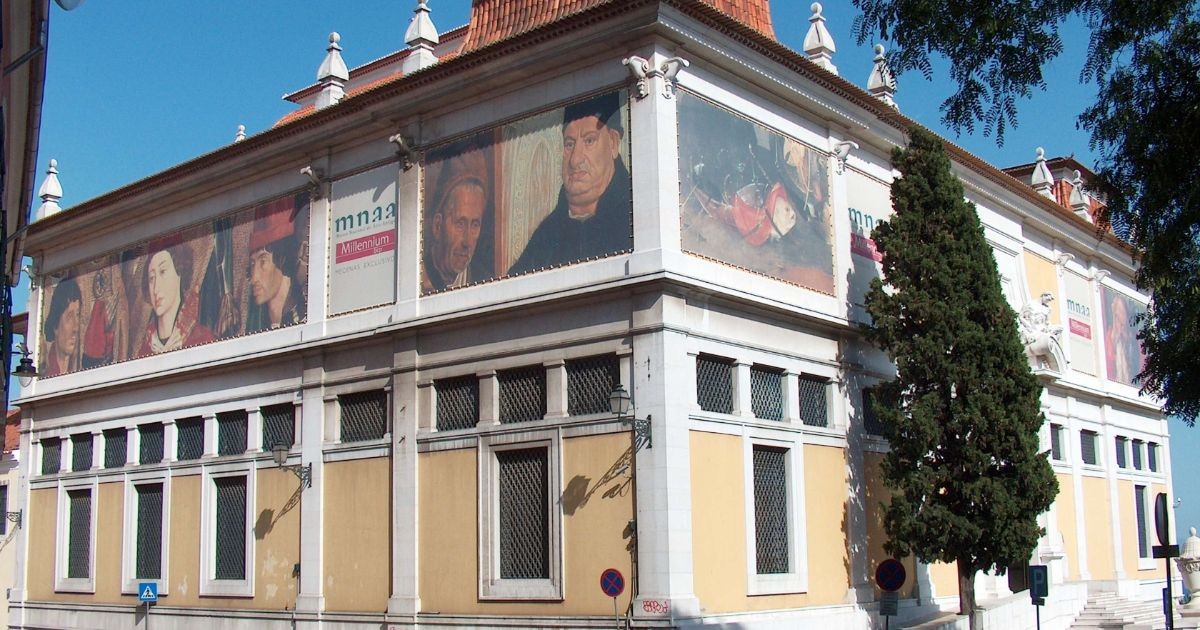
Nestled within the opulent Palácio Alvor-Pombal, overlooking the shimmering expanse of the Tagus River, lies a sanctuary where history breathes through every gilded frame and sculpted contour. The National Museum of Ancient Art in Lisbon is far more than a mere repository for relics; it is a meticulously curated narrative spanning over a millennium, offering an intimate glimpse into the evolution of human expression across Europe, Asia, Africa, and the Americas. To step through its doors is to enter a world where the echoes of Portugal’s glorious past resonate within grand halls bathed in natural light, inviting visitors on a journey that transcends borders and centuries.
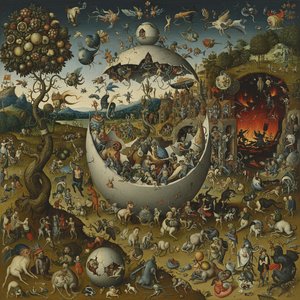
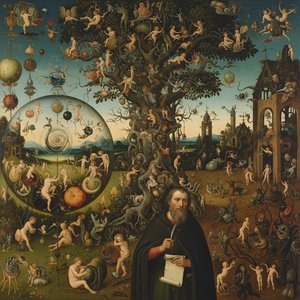
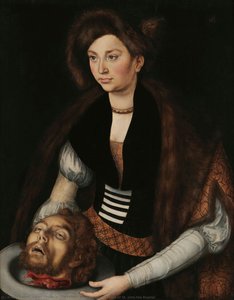
The museum's collection serves as a profound testament to Portugal's historical role as a pivotal player in global trade and exploration. Within its walls, one encounters the unsettling brilliance of Hieronymus Bosch’s “The Temptations of St. $\text{Anthony}$,” a masterpiece that commands attention through its symbolic complexity and psychological depth. The serene grace of Raphael's “Madonna with Child” provides a luminous counterpoint, embodying the High Renaissance ideal of divine beauty. As one wanders deeper into the galleries, the dramatic interplay of light and shadow in the works of Francisco de Zurbarán reveals the mastery of tenebrism, while the meticulous realism of Hans Holbein the Elder and the innovative printmaking of Albrecht Dürer offer a window into the technical triumphs of Northern Europe.
Beyond the European canon, the museum celebrates the profound cultural exchanges that shaped the modern world. The “Biombos Namban” —stunning silk panels depicting scenes from Japanese life during the late 16th century—offer a rare and vibrant glimpse into the artistic dialogues facilitated by Portuguese maritime routes. This spirit of global connection is further enriched by the museum’s significant holdings of African goldwork, where intricately carved masks and ceremonial objects reveal the sophisticated craftsmanship and spiritual depth of distant continents. For the collector or designer, these pieces represent not just historical artifacts, but timeless examples of aesthetic excellence that bridge the gap between different civilizations.
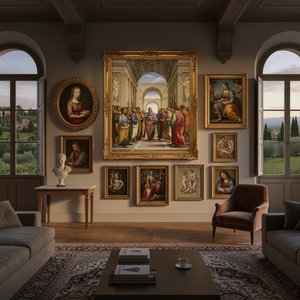
The architecture of the museum itself is a masterpiece of historical transformation. Originally built as a residence for the 1st Marquis of Pombal, the palace reflects a sophisticated blend of Baroque grandeur and Neoclassical elegance. The museum's expansion into this magnificent estate was driven by a mission to preserve the artistic heritage salvaged from the dissolution of Portugal’s monasteries in the 19th century. Today, the opulent interiors, adorned with frescoes and gilded stuccoes, provide a breathtaking stage for both permanent treasures and dynamic temporary exhibitions. These rotating showcases often illuminate lesser-known facets of Portuguese art history, ensuring that the museum remains a living, breathing institution that continues to inspire contemporary thought and aesthetic appreciation.