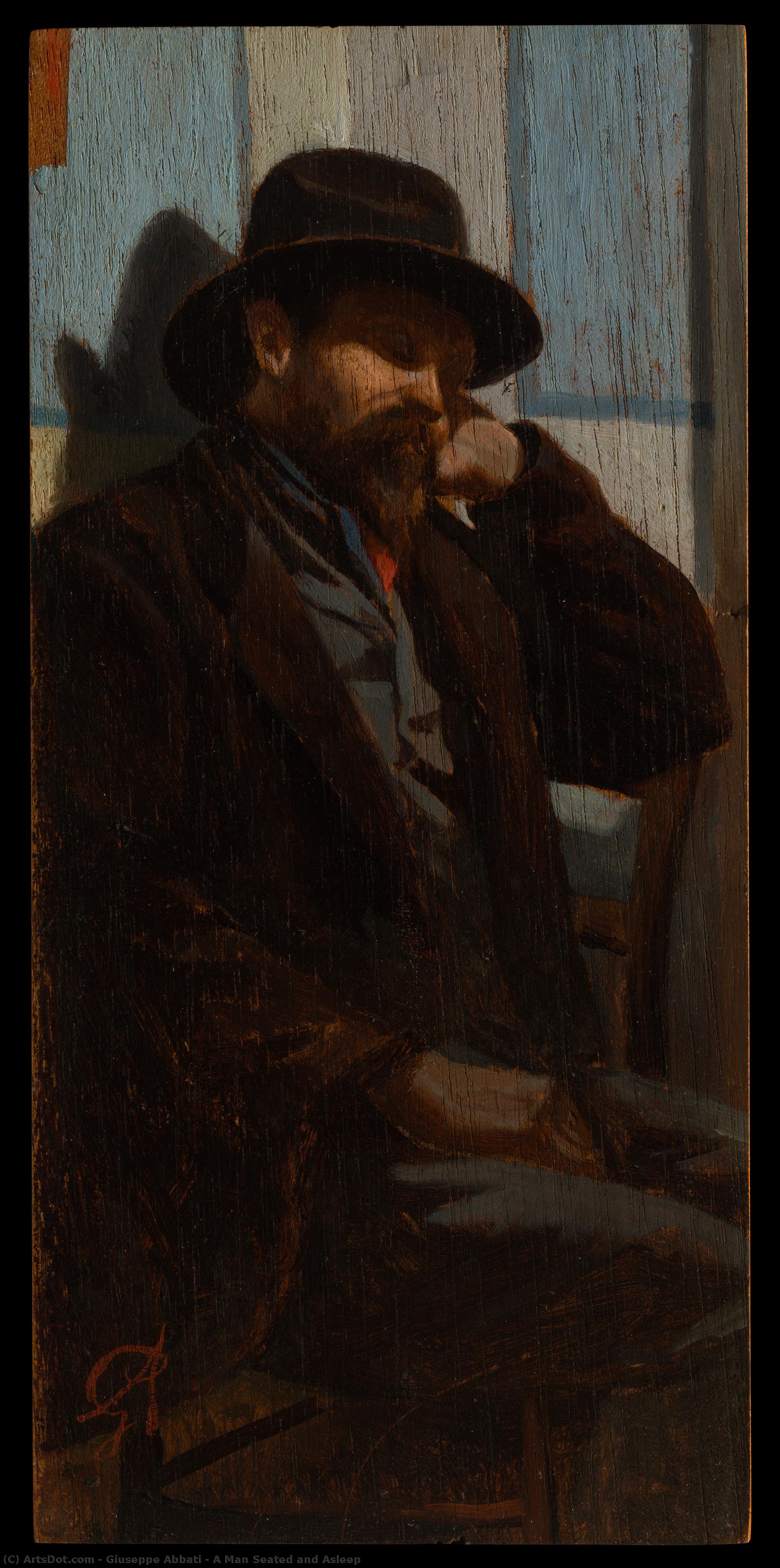
Explore Giuseppe Abbati's poignant depiction of human repose and labor amidst Tuscan landscapes—a masterpiece reflecting the Risorgimento spirit and echoing French Impressionist innovations.
Giuseppe Abbati (1836-1868): Italian Macchiaioli painter famed for luminous landscapes, plein air scenes & bold light effects. A key figure in 19thC realism.
Explore The Metropolitan Museum of Art: 5,000 years of art from around the world! Discover masterpieces, ancient artifacts & immersive exhibitions – a global art destination awaits.
Giuseppe Abbati’s “A Man Seated and Asleep”: A Tuscan Echo of Romantic Realism
The painting "A Man Seated and Asleep," executed by Giuseppe Abbati in 1865, stands as a testament to the burgeoning Macchiaioli movement and its profound influence on Italian art during the Risorgimento. More than just a depiction of repose, it embodies a deliberate aesthetic choice—the “macchia”—that sought to capture fleeting moments of experience with uncompromising honesty. Abbati’s work resonates deeply within the broader context of French Impressionism, reflecting similar aspirations for capturing sensory impressions and conveying emotional nuance.
The Macchiaioli Aesthetic: Spotlighting Emotion Through Texture
Born in Naples in 1836, Abbati honed his artistic skills under the tutelage of his father, Vincenzo Abbati, who specialized in architectural interiors—a stylistic lineage that subtly informs Abbati’s own approach. However, it was Florence and the Caffè Michelangiolo where Abbati truly found his artistic companions: Giovanni Fattori, Silvestro Lega, and others who championed the Macchiaioli style. This movement rejected academic conventions, prioritizing direct observation of nature and employing bold brushstrokes—often “spots”—to convey emotion rather than precise representation. As Abbati himself described it, "Macchia" signifies a deliberate stain or blot of color, juxtaposed against pools of shadow, mirroring the Tuscan vernacular term “aiolo,” referencing humble forms of labor. The textured surface of the painting is crucial to its expressive power; it invites viewers to contemplate not just what they see but how it feels.
Technical Innovation and Impressionistic Resonance
Abbati’s technique aligns closely with the innovations occurring in French art during the 1850s and 60s—the period of Italian unification known as the Risorgimento. Like Monet and Renoir, Abbati sought to capture the ephemeral quality of light and atmosphere, prioritizing color and texture over meticulous detail. The muted blues of the wall serve as a grounding element against which the vibrant hues of the man’s attire and the sunlit passages emerge—a masterful orchestration of tonal contrasts that enhances the painting's emotional impact. Abbati skillfully utilizes glazing techniques to build up layers of pigment, achieving luminous effects reminiscent of Impressionistic masterpieces.
Symbolism Within Simplicity: Restlessness Beneath Tranquility
Despite its apparent stillness, “A Man Seated and Asleep” is imbued with subtle symbolism. The man’s posture—seated on a chair, head resting on his hand—suggests contemplation or perhaps even weariness. The hat perched atop his head adds to the sense of everyday life, grounding the scene in tangible reality. Furthermore, the presence of two figures in the background—one standing and one seated—introduces an element of narrative complexity, hinting at a broader social context. Abbati’s deliberate choice of subject matter—a man lost in thought—reflects the anxieties and aspirations of his time, mirroring the Romantic preoccupation with inner experience and psychological depth.
Emotional Impact: A Moment Frozen in Time
Ultimately, “A Man Seated and Asleep” succeeds in conveying a profound emotional resonance. The painting captures not merely an image but a feeling—a quiet melancholy tempered by acceptance. Abbati’s masterful use of color and texture invites viewers to immerse themselves in the scene, prompting reflection on themes of solitude, contemplation, and the passage of time. It remains a powerful example of Macchiaioli realism—a celebration of sensory experience and an unwavering commitment to portraying the human condition with sensitivity and insight.